
Day: February 24, 2026
A Georgian citizen illegally detained on January 20 near Tsitelubani village of Gori municipality, Shida Kartli region, has been released from custody, the State Security Service of Georgia (SSSG) reported on February 24. The released person is currently in the Tbilisi-controlled territory.
“All relevant instruments available to the central government were actively utilized in the process of securing the release of the illegally detained Georgian citizen,” the SSSG said, adding that “the issue was also discussed at a meeting held within the framework of the Incident Prevention and Response Mechanism (IPRM).”
Per the latest trend, the agency no longer discloses detainees’ identities or publishes photos of their release and reports on such cases only after the individuals are freed. Neither did the SSSG specify who carried out the illegal detention.
In a separate report released on February 24, RES, a media outlet run by the de facto authorities of the occupied Tskhinvali region, cited a so-called court decision finding 37-year-old Konstantin Abaishvili guilty of “illegally crossing the state border,” ordering him to pay a fine and deporting him from the occupied territory.
Also Read:
Georgia Signs an Extension of its Country Programme Framework (CPF) for 2020–2028 International Atomic Energy Agency

UK sanctions on Georgian TV channels
On 24 February, the United Kingdom imposed sanctions on Georgian television companies TV Imedi and POSTV under its Russia sanctions regime.
The measures include asset freezes, restrictions on trust services and director disqualification orders.
What this means:
- Any bank accounts, property or other assets held by the broadcasters within UK jurisdiction will be frozen. Banks connected to the United Kingdom — including branches operating abroad — are required to cease providing services to the companies.
- The ban on trust services prohibits asset management through trustees or foundations, effectively preventing concealed ownership through UK jurisdictions. Company owners will be unable to transfer shares into trusts in order to avoid confiscation or asset freezes.
- Director disqualification orders impose an official ban on specific individuals holding senior management positions. The measures prohibit not only UK nationals from managing the sanctioned companies but also prevent sanctioned directors themselves from holding comparable roles in any businesses connected to UK law. Violating the restriction constitutes a criminal offence.
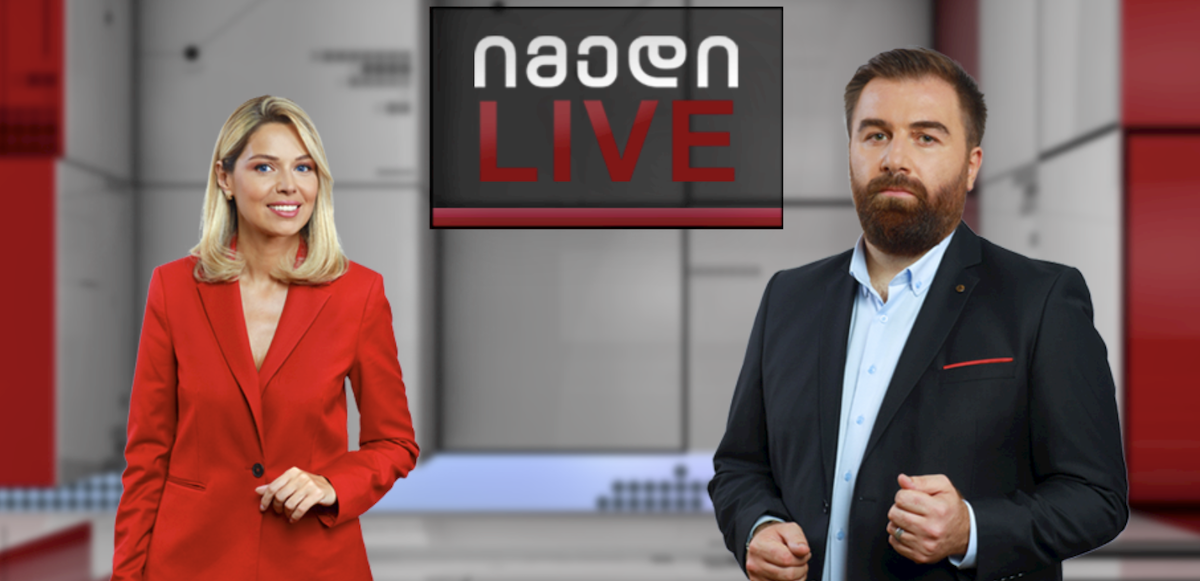
According to an official statement by the British government, the broadcasters regularly promoted narratives claiming that:
- the Ukrainian authorities and president are illegitimate;
- Ukraine is a “puppet of the West”;
- Ukraine is a corrupt state;
- Ukraine and Western countries are attempting to destabilise Georgia.
The UK government said the dissemination of such content constitutes activity supporting or facilitating policies that “undermine the sovereignty and independence of Ukraine”.
“There are reasonable grounds to suspect that TV Imedi and POSTV deliberately spread misleading information about Russia’s full-scale invasion of Ukraine, contributing to Ukraine’s destabilisation and threatening its sovereignty and territorial integrity,” the UK Foreign Office said.
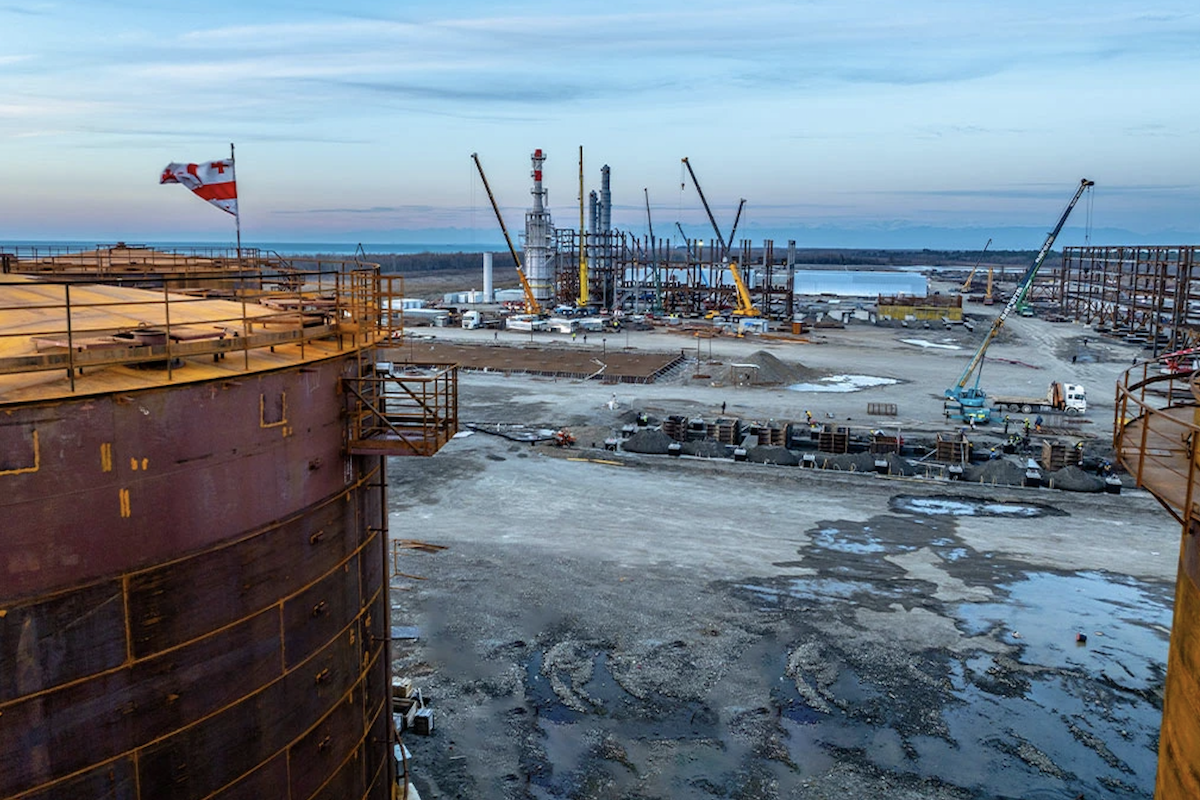
British sanctions are not merely a symbolic political message. They establish a strict legal framework aimed at the practical isolation of a targeted individual or company from the UK’s financial and business ecosystem, including offshore jurisdictions operating under London’s authority. Each element of the sanctions package functions as a separate measure, and together they amount to a comprehensive blockade.
Asset freeze
This is the most widely used instrument. Once a person or organisation is placed on the sanctions list, all funds and economic resources — including bank accounts, property and shares — located within the United Kingdom or under British jurisdiction are automatically frozen.
In practice, this has two main consequences. First, the sanctioned party loses access to its own assets. Second, UK companies and citizens — including those operating abroad — are prohibited from entering into any financial or commercial dealings with them.
Banks are no longer permitted to provide services, lawyers cannot facilitate transactions, and companies are barred from signing contracts. The measure functions not only as a financial restriction but also as a reputational signal, as any relationship with a sanctioned entity carries significant legal and commercial risks.
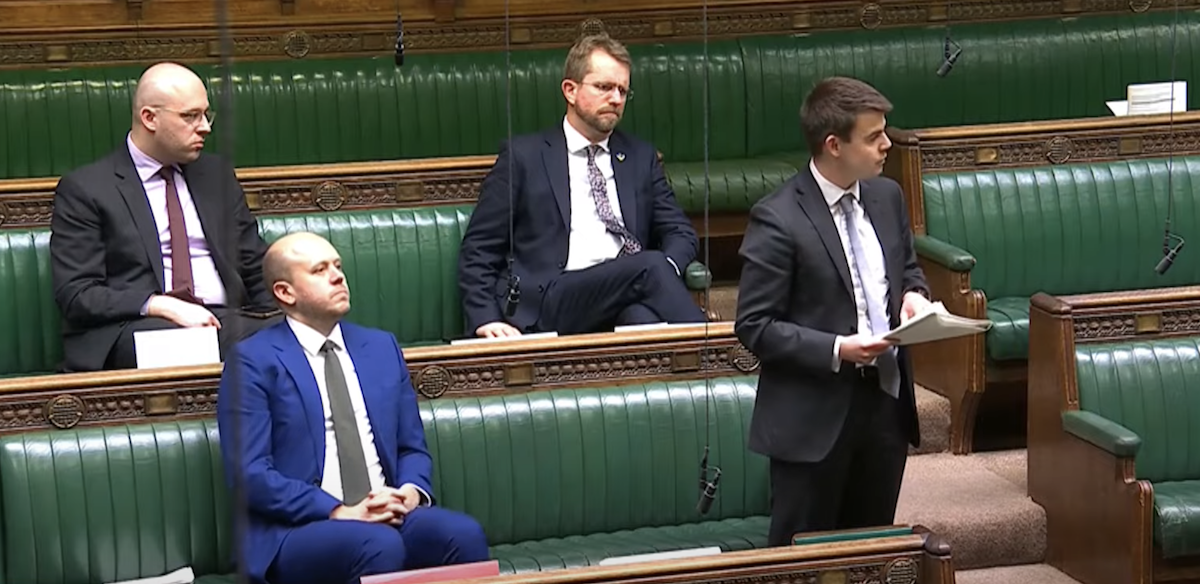
Director disqualification
This measure is aimed at limiting influence. A sanctioned individual is prohibited from serving as a director of a company registered in the United Kingdom or from participating in its management, establishment or promotion.
If the person already holds such a position, their authority must be terminated. Formally, it is a legal ban; in practice, it removes access to corporate control mechanisms and inflicts reputational damage. Within London’s financial environment, director disqualification often results in exclusion from broader international business networks.
Ban on trust services
UK-based companies — including lawyers, accountants and financial institutions — are prohibited from creating or administering trusts for a sanctioned individual.
A trust is a legal arrangement in which one party manages assets on behalf of another. In international financial practice, it is frequently used for asset structuring and tax planning. Under sanctions, however, a ban on trust services cuts off one of the main mechanisms available to sanctioned individuals — the ability to manage assets indirectly through third parties or to circumvent restrictions.
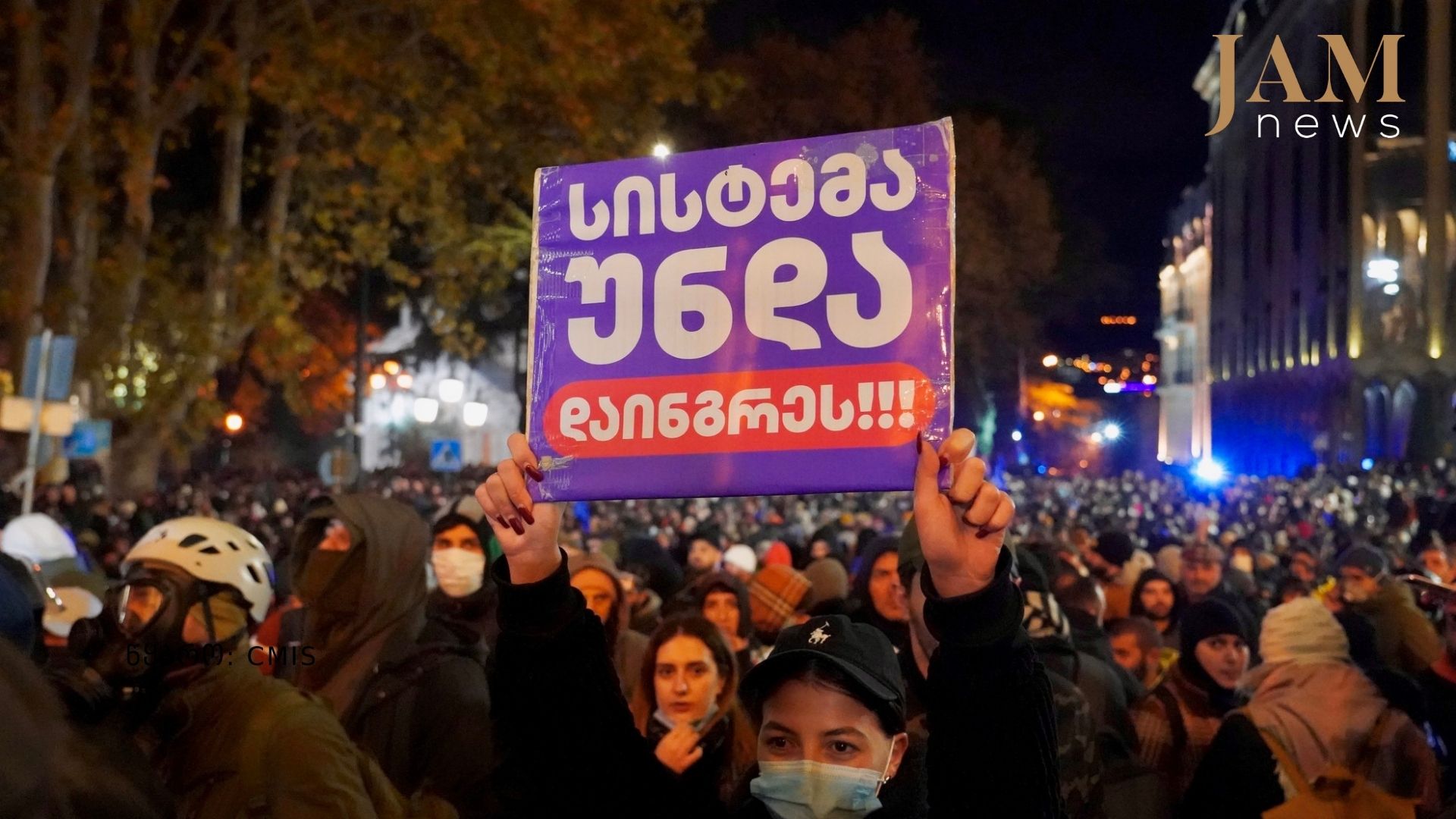
Offshore reach
The scale of British sanctions is particularly significant because of their geographic scope. The measures apply not only within the United Kingdom itself but also across its overseas territories — jurisdictions widely known as some of the world’s most prominent offshore financial centres.
These include:
- the British Virgin Islands;
- the Cayman Islands;
- Bermuda.
The sanctions also extend to Gibraltar, one of Europe’s key financial hubs.
Thousands of companies and trust structures serving global capital are registered in these jurisdictions. As a result, when London imposes sanctions, their impact extends far beyond the geographic borders of the British Isles.
Ultimately, British sanctions are not simply a political gesture. They are a carefully designed legal instrument that simultaneously freezes assets, limits business influence and shuts down offshore channels, creating systemic isolation for those targeted by the measures.
UK sanctions on Georgian TV channels
Categories
Rob Rausch – Wikipedia
Robert Kelley Rausch was born in Florence, Alabama on September 1, 1998, to Robert and Jennifer Rausch. His father is a photographer and luxury designer. [1][2] Rausch has two sisters and one brother. [3] He attended the University of North Alabama from 2017 to 2020. [4] An avid wildlife expert and snake wrangler, Rausch shares his experiences with reptiles and their habitats on social media …
Georgian Dream Foreign Minister Maka Botchorishvili met with Council of Europe Secretary General Alain Berset on February 23 in Geneva, where she participated in the high-level segment of the 61st session of the United Nations Human Rights Council (UNHRC).
According to an official press release, the two discussed Georgia-CoE “cooperation” and “current issues on the organization’s agenda.” The press release said the talks particularly emphasized the CoE’s support for Georgia’s sovereignty and territorial integrity and the importance of keeping Russia-Georgia conflict-related issues high on the CoE agenda. The press release further said the meeting focused on ongoing domestic political developments in Georgia and regional issues.
The meeting came a week after the CoE Committee for the Prevention of Torture (CPT) published a report on Georgia, which Berset said “raised serious concerns.” He said he planned to discuss those concerns with Botchorishvili at the Human Rights Council session. The report spoke, among others, of allegations of ill-treatment by Georgian law enforcement against protesters during the November–December 2024 protests.
Maka Botchorishvili also met with Volker Türk, the UN High Commissioner for Human Rights. Apart from the security environment in Georgia’s occupied territories, the two also discussed “ongoing developments in Georgia and the security environment in the region” and “expressed readiness to continue cooperation on important issues related to the protection of human rights,” according to an official press release.
In Geneva, Botchorishvili also addressed the opening of the UNHRC session.
In her speech, Botchorishvili said the universal principles of human rights are increasingly challenged “not only by conflict and occupation,” but also by what she called “attempts to instrumentalize international organizations for political pressure and to prioritize human rights for narrow interests.”
Botchorishvili said that despite what she described as “significant security challenges” over the past decade, “Georgia has strengthened democratic institutions, the rule of law, and fundamental freedoms,” citing “improved international rankings” and an “85% drop in applications to the European Court of Human Rights.” She said the Georgian Dream government views human rights “not only as an international obligation,” but as the “foundation” of its vision.
Botchorishvili also spoke about the “grave challenges” she said still persist in Georgia’s Russia-occupied territories of Abkhazia and Tskhinvali/South Ossetia. She also addressed Russia’s war against Ukraine, saying that Georgia “reaffirms its firm support for Ukraine’s sovereignty and territorial integrity and for upholding a rules-based international order rooted in the UN Charter and accountability for violations.”
“Honored to address the UN Human Rights Council on behalf of Georgia. We reaffirm our commitment to human dignity, democratic governance, and accountability. While advancing reforms at home, we stand firm for sovereignty, justice & a rules-based international order,” she wrote on X.
More to follow…
Also Read:
- 05/12/2025 – Georgian Dream FM Botchorishvili Attends OSCE Ministerial in Vienna
- 26/09/2025 – Kavelashvili, Botchorishvili Attend 80th UN General Assembly in New York
- 15/05/2025 – GD FM Botchorishvili Attends Council of Europe Session in Luxembourg
- 25/02/2025 – GD FM Botchorishvili Meets UN Secretary-General, Addresses Human Rights Council