
Day: January 14, 2026
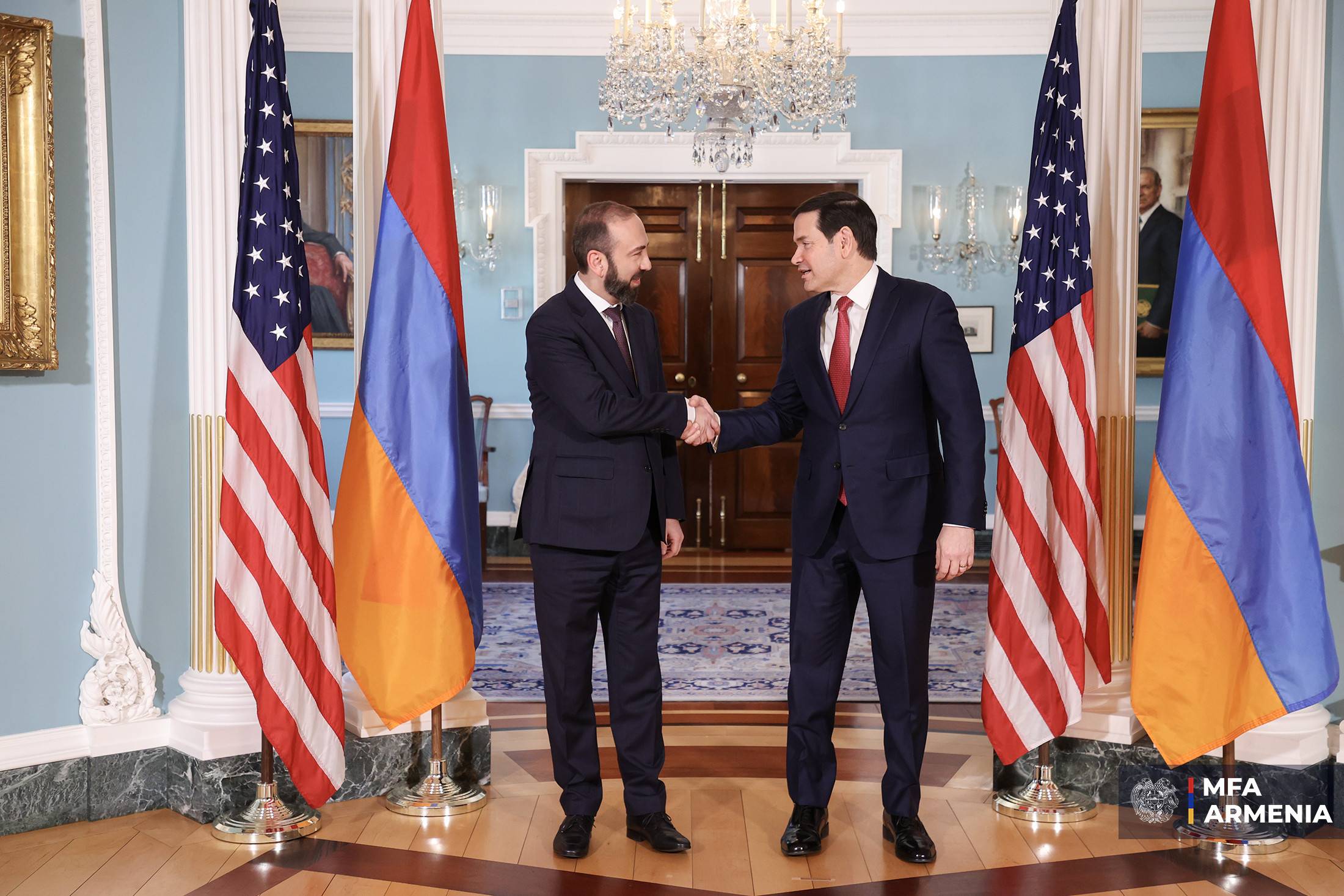
Mirzoyan on TRIPP implementation
Armenia’s foreign minister Ararat Mirzoyan and US Secretary of State Marco Rubio have agreed on the framework for implementing the TRIPP project.
TRIPP (the Trump Route for International Peace and Prosperity) is a road that will link Azerbaijan with its Nakhchivan exclave via the territory of Armenia.
For several years, Yerevan and Baku failed to reach agreement on the issue. Azerbaijan demanded access to a route it referred to as the “Zangezur corridor”. Armenian authorities responded that they were ready to unblock all transport routes. However, they rejected the term “corridor”, which they said implied a loss of control and, therefore, of sovereign rights over the territory.
Only on 8 August, during talks in Washington, did the sides reach a compromise. They agreed that the road would remain under Armenia’s sovereign control. They also agreed that the United States would join the unblocking process as a business partner. As a result, the project became known as the “Trump Route”, after the mediator involved.
A joint statement says Armenia and the United States will set up a company to implement the TRIPP project. The company will develop the infrastructure. It will operate with a controlling US stake and Armenian oversight on key issues.
“The company will be responsible for developing TRIPP and will hold construction rights for an initial period of 49 years,” the joint statement by Armenia and the United States says. “Armenia plans to offer the United States a 74% stake in the TRIPP development company and retain 26%.”
The statement also provides for a possible extension of cooperation for another 50 years. After the initial 49-year period ends, the Armenian government’s stake will increase to 49%.
The signing took place a day earlier. On Wednesday morning, shortly after 1 a.m. local time in the US, Armenia’s foreign minister Ararat Mirzoyan spoke to Armenian journalists from Washington.
He said the shareholding structure resulted from negotiations and “reflects the scale of each country’s investment”. Mirzoyan stressed that the United States will make major financial investments.
“Armenia’s main contribution is essentially the granting of construction rights,” he said. “I believe this is a fairly balanced distribution of shares. Moreover, this arrangement applies only to the first 49 years. Once the investment pays off and the contract is extended, the balance of shares will change.”
The document explicitly states that Armenia will retain full sovereignty over the entire territory of the “Trump Route”.
Mirzoyan did not say when construction will begin. He said he hopes work on the ground will start by early autumn.
- Pashinyan believes “Trump Route” will become a new component of Armenia’s security
- Opinion: ‘Turkey is trying to limit Armenia’s transit options’
- Will US vice-president visit Armenia? Yerevan discusses possible trip
Management of the route: exclusive rights Armenia will grant the United States
According to the signed document, Armenia will grant the company created to implement the TRIPP project exclusive rights to:
- plan, design, develop, build, operate and maintain multimodal transit infrastructure along designated transit routes;
- establish entities to implement specific infrastructure projects;
- conclude contracts with construction companies, operators and service providers;
- generate and collect revenue from infrastructure-related activities;
- manage the TRIPP route as part of an integrated system.
- The company will have the right to build railway, road, energy, digital and other supporting infrastructure.
It will also be able to generate and retain income from various sources. These will include infrastructure access fees and commercial activities along the transit route.
The joint statement also provides that
- Armenia and the United States will introduce a “front office–back office” model using digital tools to ensure seamless coordination;
- private operators will carry out front-office functions, including preliminary document collection and administrative support, while Armenian state bodies will perform back-office functions;
- the TRIPP company will directly implement railway and road projects and will create subsidiaries or specialised entities for other components of its activities;
- Armenia and the United States will jointly shape the company’s corporate structure, reflecting the participation of both governments in key operational decisions related to the multimodal transit route;
- a joint Armenian–US committee will take decisions on all fundamental issues.
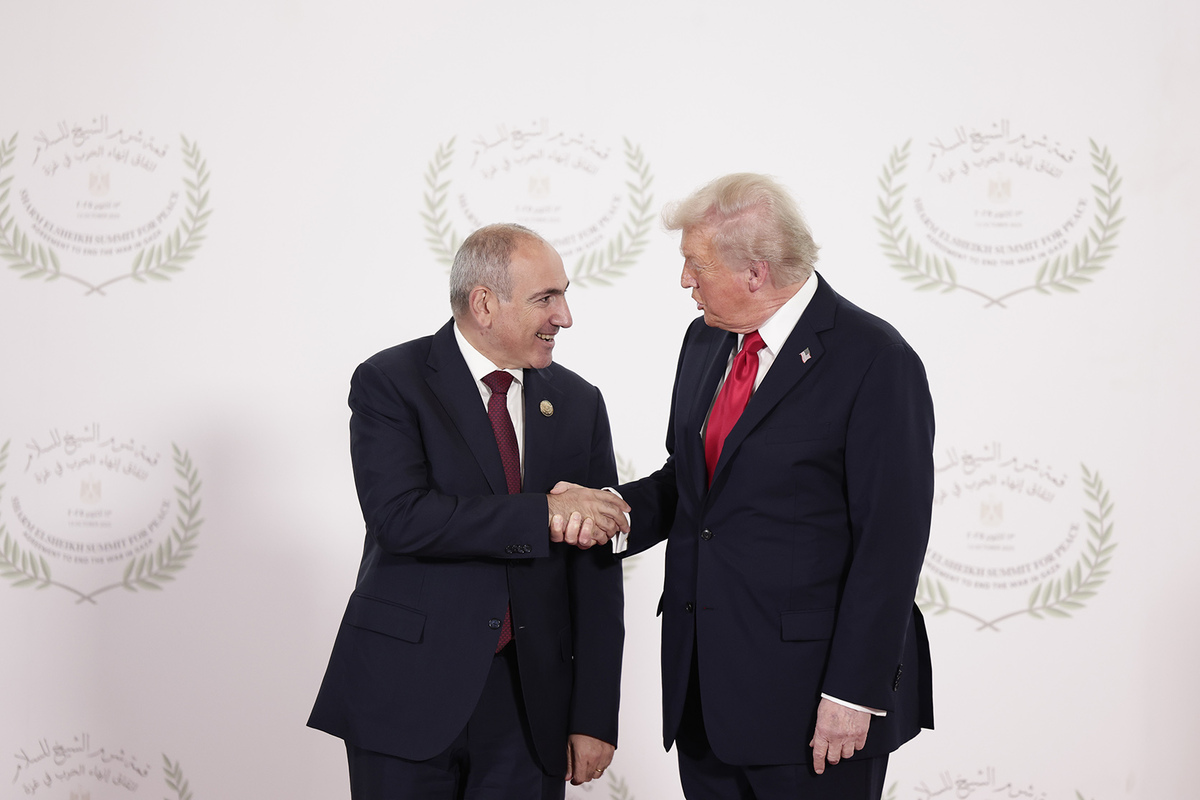
‘Sovereign functions will not be delegated’: on the powers of Armenia’s state authorities
While performing “back office” functions, staff from Armenia’s state bodies — including customs and border services — will retain all sovereign powers in line with national legislation and international agreements.
The back office will take final decisions on customs and other formalities. It will also carry out security checks, migration control, law enforcement actions, and the issuance of permits and approvals.
According to the document, Armenian officials will remain physically present at all border and customs checkpoints on Armenian territory.
“Sovereign functions will not be delegated.”
Armenia will retain full legislative, regulatory and judicial jurisdiction along the entire route, including:
- control over national security and law enforcement activities;
- access to all areas on Armenia’s sovereign territory;
- jurisdiction to apply all Armenian laws on sections of the transit route within its sovereign territory;
- jurisdiction over taxes, customs duties and other mandatory transit-related payments.
“Taxes, customs duties and other mandatory payments will flow directly into Armenia’s state budget in accordance with existing legislation,” the document says.
Armenia foreign minister’s statements from Washington
‘A significant achievement’: on the framework agreement
Ararat Mirzoyan said the sides had signed a document of exceptional importance. He said it set out detailed arrangements for implementing the Trump Route project. He noted that the text covers the form of establishment, the distribution of shares and operating principles.
The foreign minister described the statement as a “significant achievement”. However, he stressed that it does not represent the final document.
“It serves as an intermediate link between the Washington declaration of 8 August and the final agreements,” Mirzoyan said. “These will include the company’s charter and possibly other legal documents required for the process.”
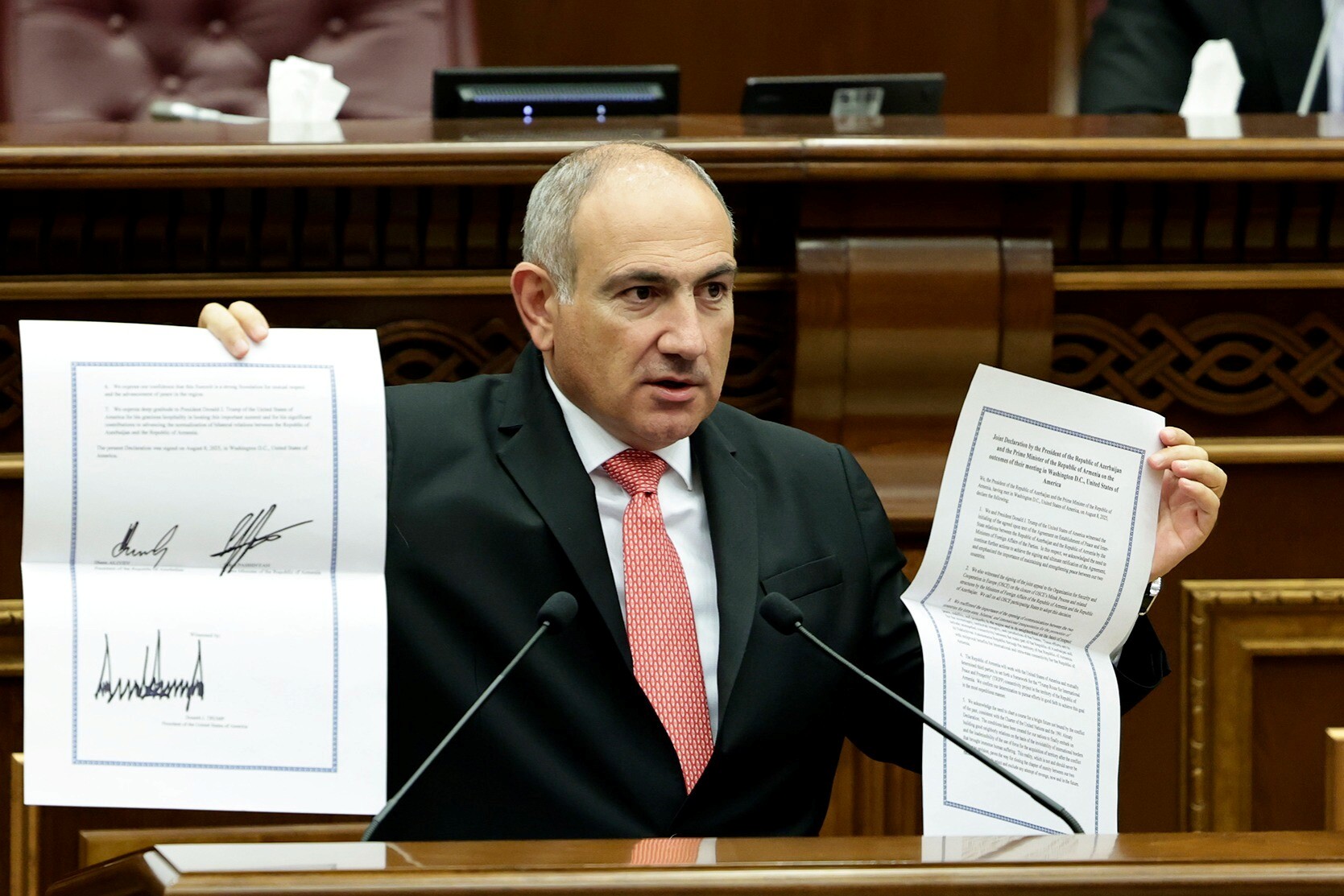
‘Armenia’s sovereignty will not be limited‘
Ararat Mirzoyan read out several provisions of the statement and gave assurances.
“No section, link or facility of the TRIPP infrastructure will in any way limit Armenia’s sovereignty or jurisdiction,” he said. “No state functions will be delegated to anyone. Armenian law enforcement and security agencies will have access along the entire TRIPP route. Border and customs authorities will also maintain a presence.”
The minister said that despite the United States holding a controlling stake in the TRIPP company, the parties will not resolve key issues without Armenia’s consent.
He said any change in the company’s shareholding structure will require prior approval. This will include the sale or transfer of shares, mergers, divisions, reorganisation or any other legal actions. The same will apply to changes involving ultimate beneficiaries.
Mirzoyan also said Armenia will not alienate or lease its territory.
“Of course, Armenia will grant the company construction rights on the land where the infrastructure will pass,” he said. “There have been assumptions and insinuations that Armenian territory is being alienated or even leased. Armenia will grant construction rights on its own land, just as it does for dozens and hundreds of companies operating in Armenia.”
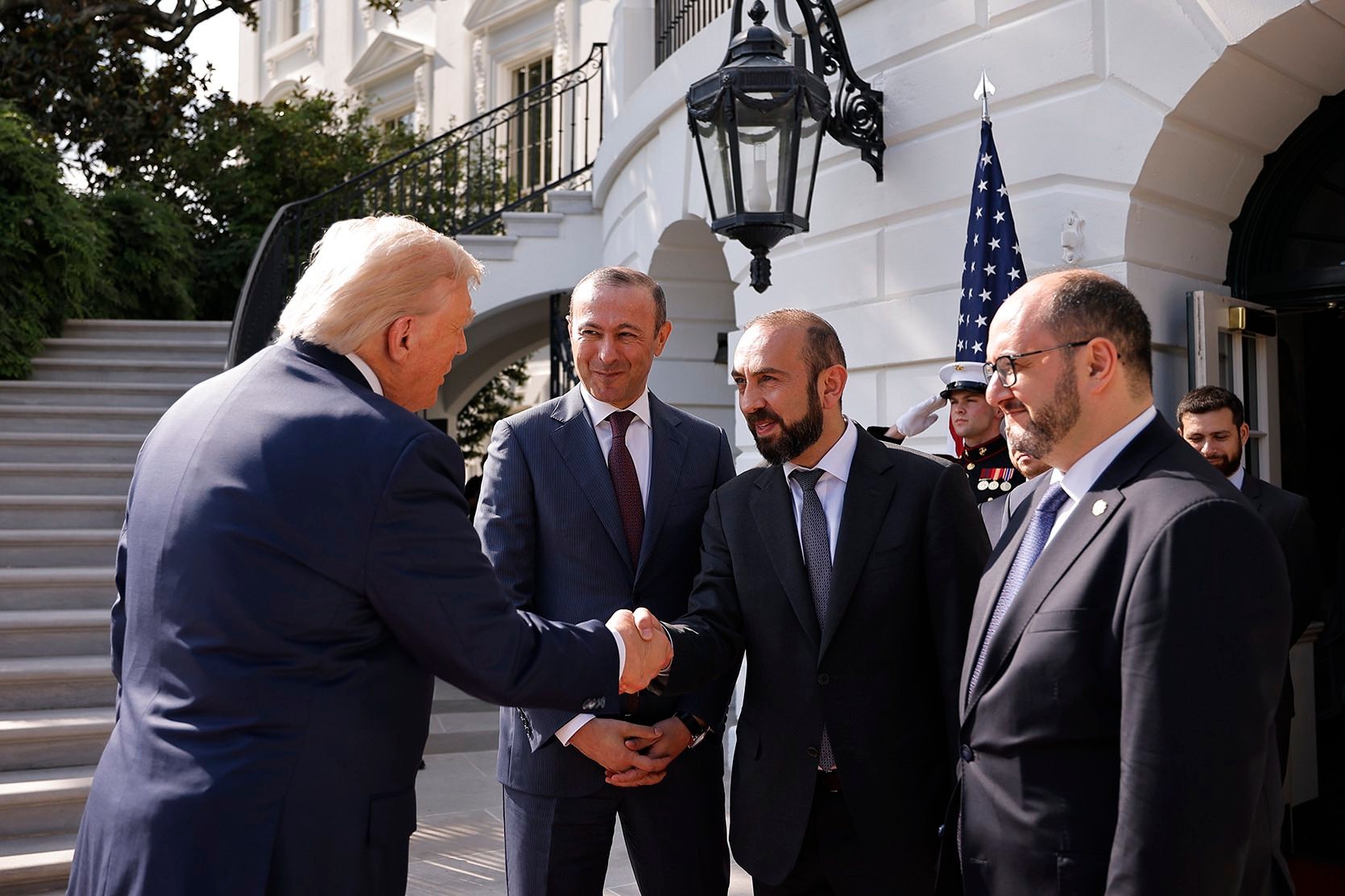
‘Differentiated procedures’: what they entail
According to the joint statement, Armenia plans to develop differentiated procedures for the movement of people, vehicles and cargo. Journalists asked whether procedures under the TRIPP framework will differ from those in other border areas of Armenia.
“In general, we want to ensure the most simplified border-crossing procedures in all directions,” said Ararat Mirzoyan. “But we do not intend to violate our sovereignty or jurisdiction in any way. We will also continue to carry out all necessary procedures, including identity checks.”
Mirzoyan said the differentiated procedures will operate “on the basis of Armenia’s laws, regulations and international agreements, and in line with international standards.”
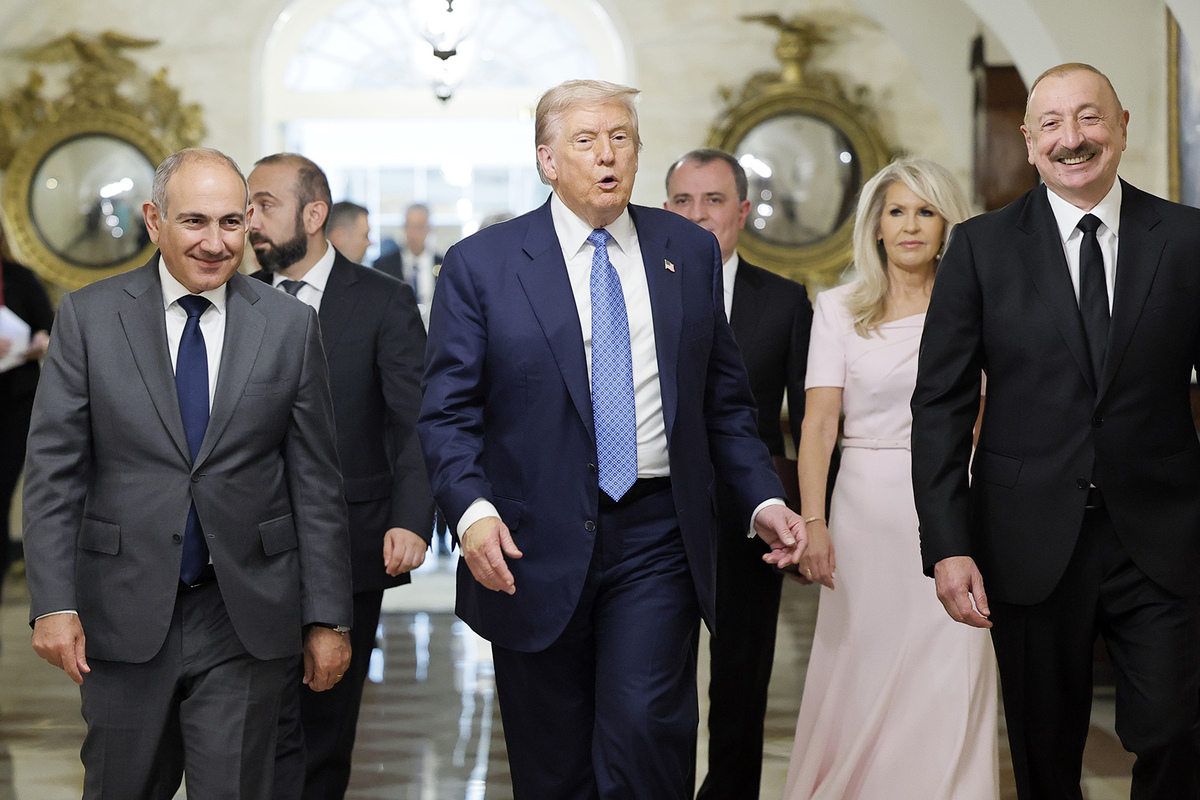
‘TRIPP is not a local link‘
Ararat Mirzoyan said the “Trump Route” should not be seen as a transport link of local importance. He described the project as operating on three levels of connectivity:
- between third countries, specifically links between Central Asia and the European Union;
- between Nakhchivan and Azerbaijan;
- between Armenia and third countries in two directions, namely Armenia–Central Asia and Armenia–the West.
‘We did not discuss Turkey’s or Russia’s participation in TRIPP with the US‘
Journalists asked the foreign minister whether the sides had discussed possible participation by Turkey and Russia in the project.
Ararat Mirzoyan said he did not raise this issue with the US side. He stressed that TRIPP is a bilateral business project between Armenia and the United States. Questions about Turkey’s and Russia’s involvement, he said, should not be viewed through the prism of the infrastructure itself. Instead, they should be considered in the broader context of extending the “Trump Route”.
By this, the minister said he meant the wider unblocking of the region and the opening of the border with Turkey. He noted that this would require, among other things, the restoration of rail links.
The company that operates Armenia’s railways, South Caucasus Railways, is a wholly owned subsidiary of Russian Railways. Since early 2008, Armenia has had a 30-year concession agreement under which Russian Railways manages Armenian rail infrastructure.
Mirzoyan said that opening borders with Azerbaijan and resuming rail traffic alone would not create a major new Asia–EU logistics corridor. He added that such steps would also fail to fully unblock Armenia.
The foreign minister said he hopes the Armenian–Turkish dialogue will deliver tangible progress in the near future.
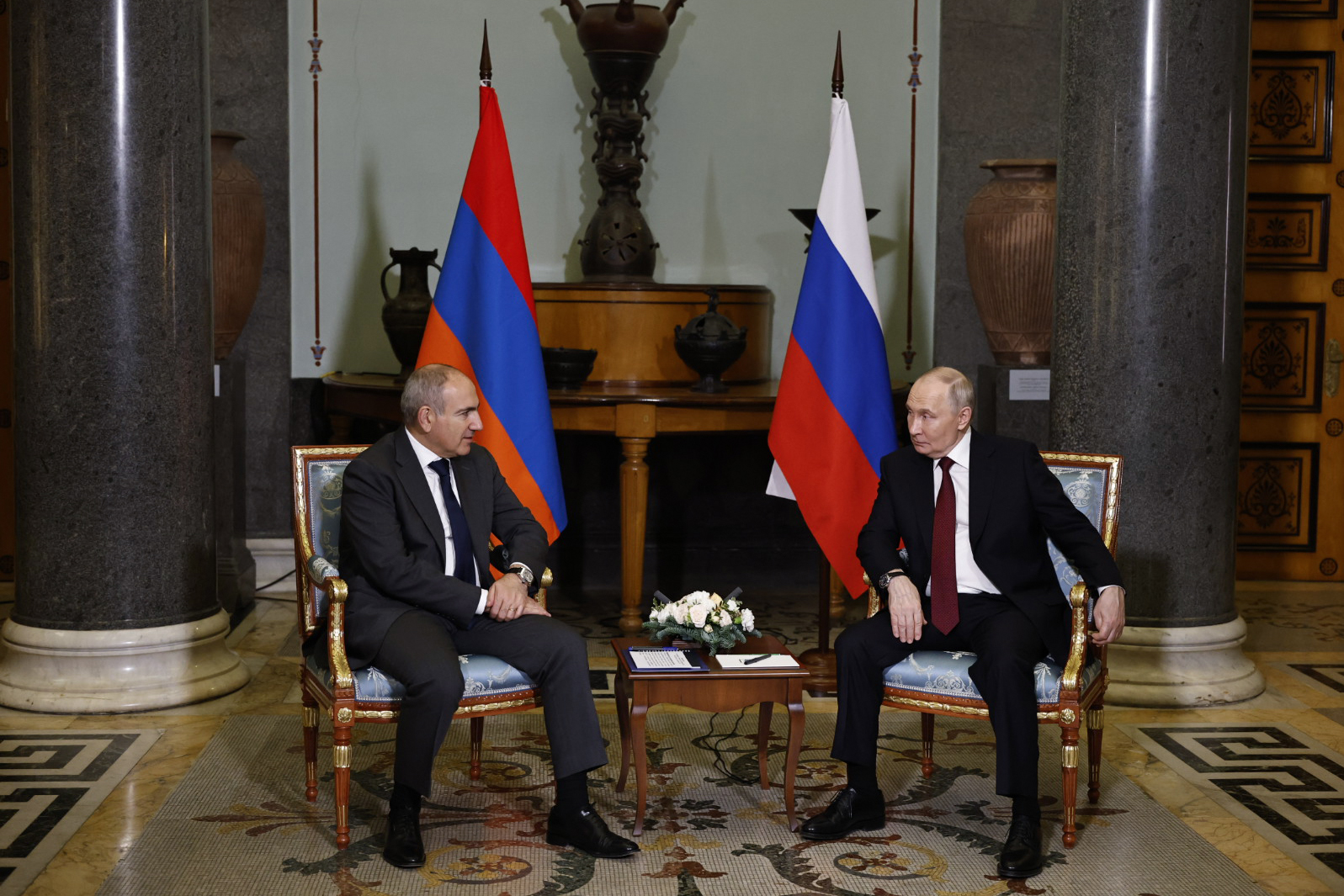
Mirzoyan on TRIPP implementation
Categories
Labuba accused of child labor

Amaglobeli case under review at European court
Lawsuits over the case of Georgian journalist Mzia Amaglobeli remain under consideration at the European Court of Human Rights in Strasbourg.
Amaglobeli is serving a two-year prison sentence after a court convicted her of slapping a police officer. The Georgian Young Lawyers’ Association (GYLA) reported the update.
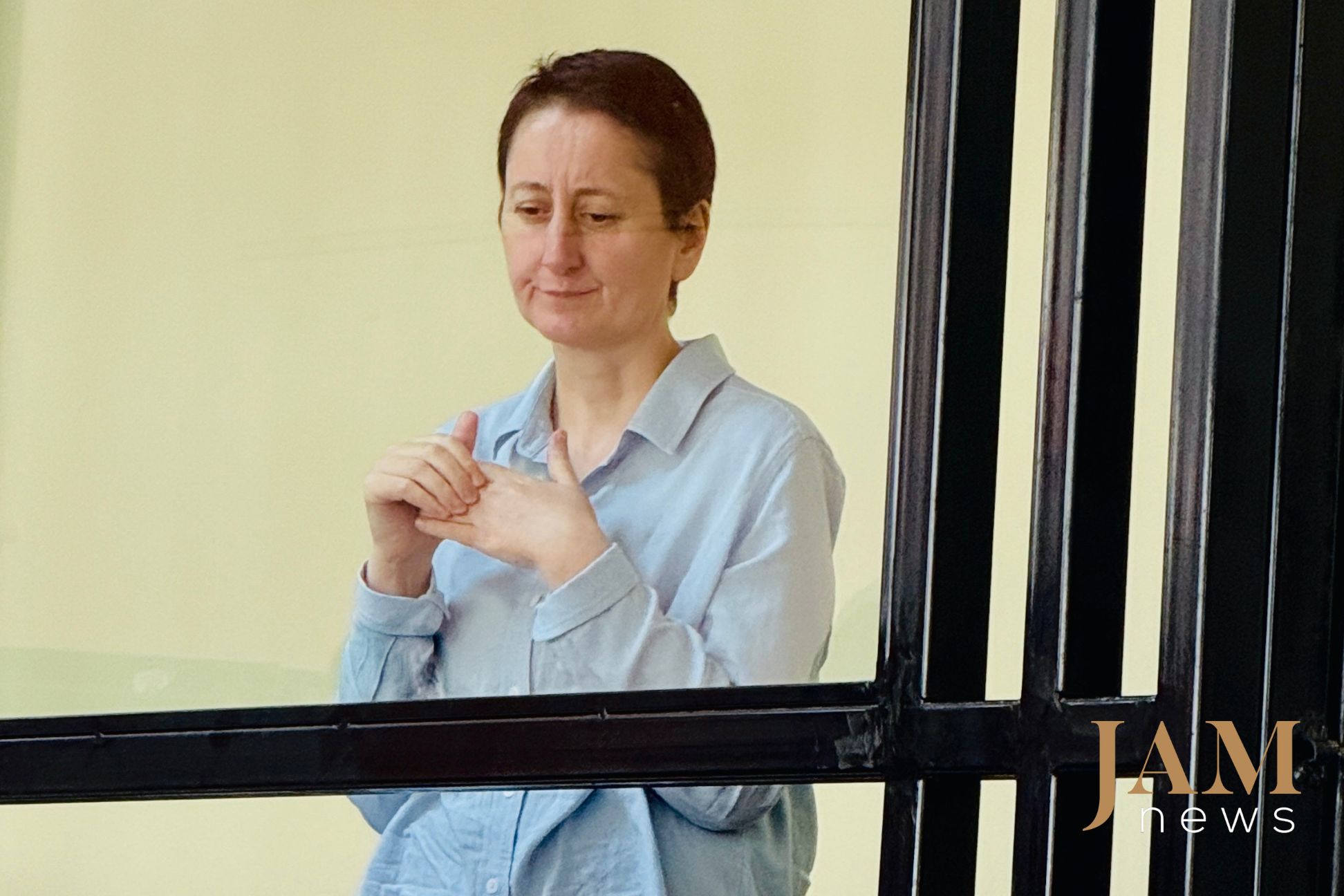
The first application, Amaglobeli v Georgia (No. 13661/25), concerns the arrest and pre-trial detention of Mzia Amaglobeli in January 2025. According to Georgian Young Lawyers’ Association (GYLA), the authorities violated several articles of the European Convention on Human Rights. These include the right to liberty and security, the right to a fair trial, the right to private life, freedom of expression and the right to an effective remedy. Lawyers filed the application with the European Court of Human Rights on 28 April 2025.
On 31 October 2025, the government of Georgia submitted its written observations to the court. It rejected all allegations. The government said both the arrest and the subsequent pre-trial detention complied with Georgia’s obligations under the Convention.
Amaglobeli was arrested during a protest in Batumi in January 2025.
GYLA stresses that the Georgian state has never named the person who carried out the arrest. This applies both at the national level and before the Strasbourg court. The organisation says the government has also failed to provide reasonable grounds for suspecting a crime. It adds that the authorities presented no evidence that would justify detention.
From the defence perspective, the state’s arguments lack consistency. On the one hand, the government itself acknowledges that legal qualification depends not only on the harm caused but also on context and alleged intent. On the other hand, it has produced no neutral evidence to support claims about Amaglobeli’s intent. According to GYLA, the video footage submitted does not allow identification of either the offence itself or the “intent of the perpetrator”.
The use of pre-trial detention as a preventive measure has drawn particular criticism. The state has continued to repeat arguments made at the national level. These include risks of flight, pressure on witnesses and the commission of new offences. At the international level, however, it has provided no evidence to support these claims.
Moreover, the authorities relied on administrative cases to justify detention. At the time, those cases had neither reached final decisions nor completed judicial proceedings.
Georgian Young Lawyers’ Association says the authorities violated the presumption of innocence in these circumstances. According to the organisation, Mzia Amaglobeli effectively had to prove her innocence in parallel cases that were still pending.
Additional materials submitted by the defence in Strasbourg also point to a possible political motive. GYLA refers to public statements by representatives of Georgia’s ruling party. In those statements, they described Amaglobeli as guilty even though no final ruling in her case had been issued at the time.
The case file also includes an expert examination of Amaglobeli’s mobile phone. According to GYLA, the authorities carried it out unlawfully. After almost nine months of investigation, the examination failed to confirm the prosecution’s claim that the attack on the police officer had been planned in advance. Human rights lawyers say the process violated Amaglobeli’s right to privacy and freedom of expression. They also argue that it deprived her of an effective legal remedy.

Amaglobeli case under review at European court