
Azerbaijan’s Minister of Foreign Affairs, Jeyhun Bayramov, met with Amina Mohammed, Deputy Secretary-General of the United Nations, on Wednesday to discuss the state and prospects of cooperation between Azerbaijan and the UN, Azernews reports.
Day: October 10, 2024
On October 10, the occupied Tskhinvali region’s so-called security council said that it will restrict movement across the occupation line in October, during the parliamentary election in Georgia.
“In order to ensure the safety of the population of [occupied] South Ossetia, to exclude possible provocations from the pro-Western and nationalist radical forces of Georgia, a decision was made to suspend the work of the simplified border crossing points…,” the press service of the de-facto authorities reported.
The de facto president, Alan Gagloev also mentioned that “taking into account the information received, including even from the open sources, we see that the situation is getting more complicated” in Georgia, which prompted the occupied region’s decision.
Also Read:
- 29/09/2024 – Lavrov: Russia Ready to Help Georgia, Abkhazia, Tskhinvali Normalize Relations
- 20/09/2024 – U.S. Sanctions MRB Bank in Occupied Tskhinvali Region for Involvement in Russia-North Korea Illicit Payments Scheme
- 18/09/2024 – Tskhinvali Says It Expects “Practical Measures” After Ivanishvili Promises Apology to Ossetians

Expensive Butter in Azerbaijan
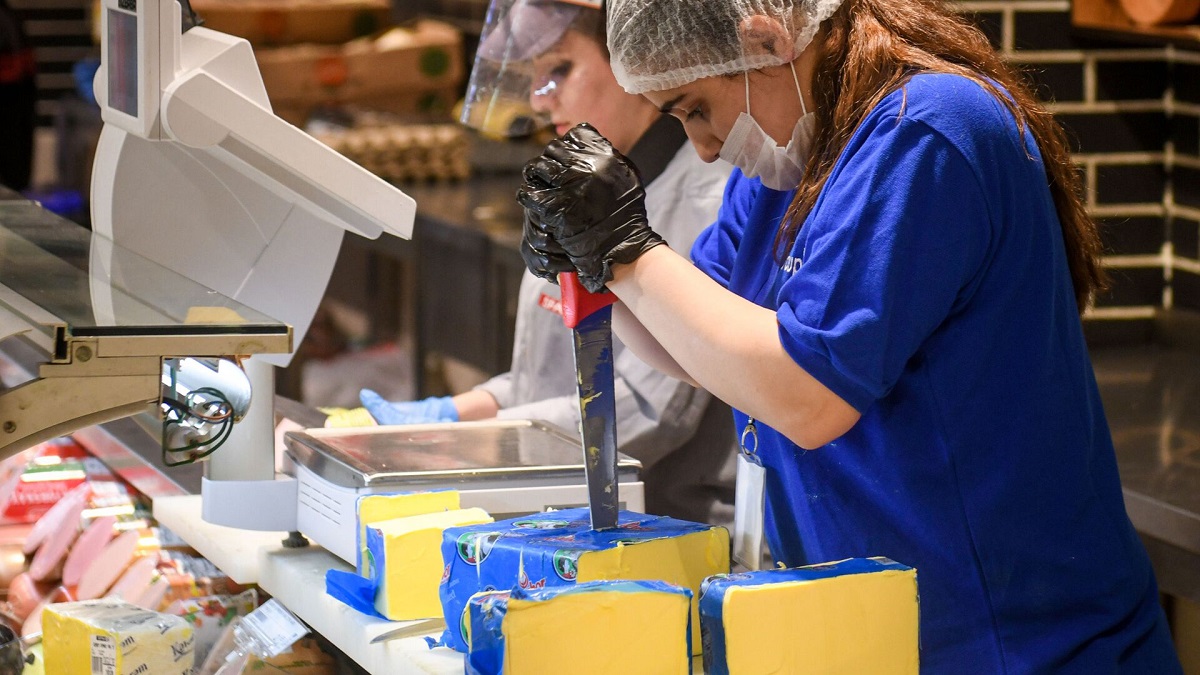
Recently, experts in Azerbaijan have begun discussing the high prices of butter in the country’s stores. According to them, prices for butter sometimes exceed the purchase price by nearly double. Analysts see the cause of this situation in the limited volume of local production and the small number of firms importing butter.
- Cooperation with Iran – a solution for Armenia, blockaded by Azerbaijan and Turkey
- Anaklia: The port of the future stuck in the political quagmire of the present
- Historical record: Around 37,400 companies in Georgia are now owned by Russian citizens
Purchase Price of Butter
According to the State Customs Committee of Azerbaijan, 19,153 tons of butter were imported into the country in the first eight months of 2024, amounting to $103.3 million. Thus, the average price of imported butter was $5.39 per kilogram. Customs officials report that butter imports increased by 71.5% in terms of value and by 77% in volume compared to the same period last year. Meanwhile, from January to August 2024, Azerbaijan itself produced 19,359.6 tons of butter, a mere 7.4% increase from the previous year. Judging by these figures, more than half of the butter sold in Azerbaijan is produced domestically.
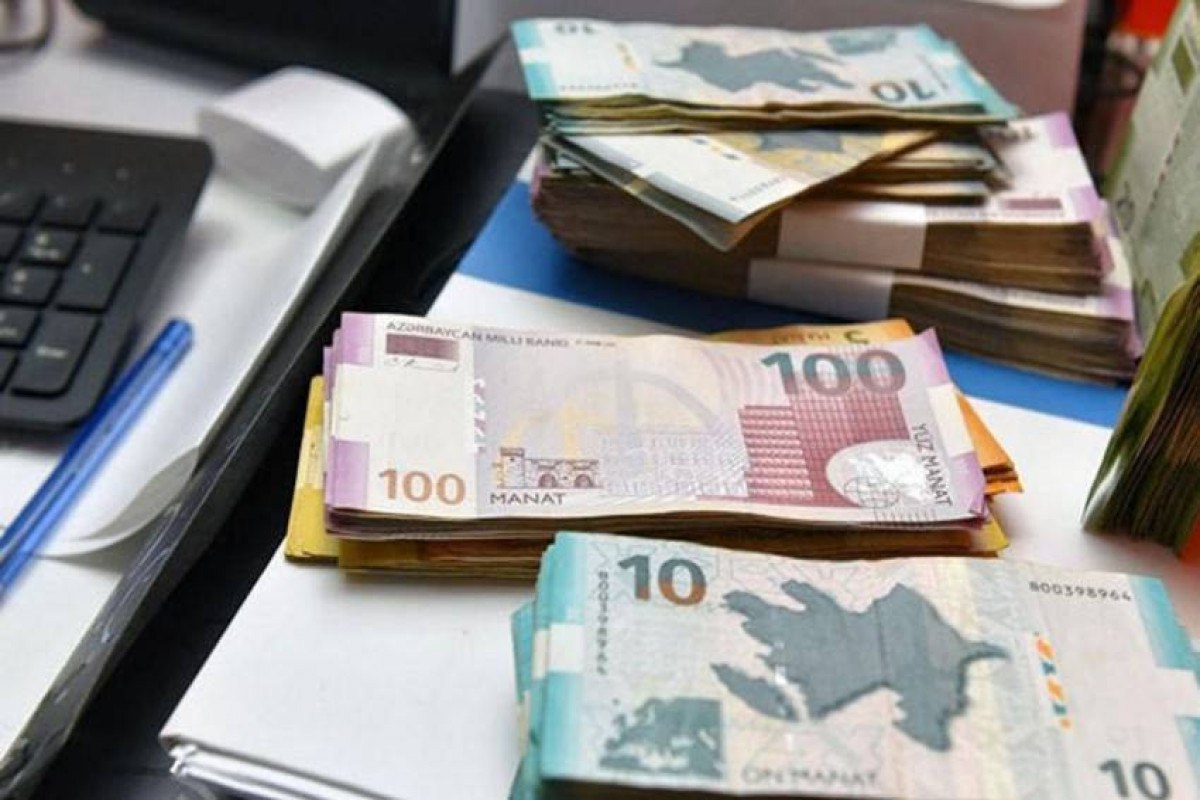
During this period, the average retail price of imported butter in the country’s stores was 20.59 manats (approximately $12.11). Local butter was slightly cheaper at 19.58 manats (about $11.51).
“Butter Prices Are Rising Worldwide”
“Butter prices in Azerbaijani stores have increased. This is also confirmed by official statistics. Typically, the price difference per ton between whole and skim milk powder is $100-200. However, currently, whole milk powder is $1,200 more expensive than skim milk powder. This is because it is more profitable for companies to produce butter due to the increased demand. Whole milk is turned into powder in much smaller volumes than skim milk. Furthermore, one ton of butter was usually only $200-1,200 more expensive than a ton of skim milk powder. Now, this difference reaches $4,400. Thus, butter prices are rising in the global market. Azerbaijan is dependent on this market, and that’s why the price increase has its objective reasons,” says Eyub Guseynov, head of the Union of Free Consumers.
In his opinion, retail stores also play a significant role in the rising prices of butter: “Prices are set in coordination on the market. We have local butter production, but it cannot fully meet the local demand. It only satisfies about 30% of the demand. Hence, butter is imported. It would be beneficial if local production volumes increased.”

“It’s Easier to Dictate Prices in the Absence of Competition”
Natik Jafarli, head of the opposition party “Republican Alternative,” has a completely different opinion regarding the rise in butter prices in Azerbaijan. He believes the main reason is the lack of competition in the local market: “Each kilogram of imported butter costs $5.3, or 9.1 manats. However, in stores, the price per kilogram ranges from 18 to 25 manats, averaging 20-21 manats (about $12). Considering taxes, transportation costs, the profit of the importing company, and the retail networks’ profit, the markup should be no more than 50%. In that case, the price for a kilogram of butter should be no more than 15-16 manats (about $9).
So why is it actually more expensive? Because there is no competition, there are few companies importing butter, and there is virtually no local production. Butter sold under local brands is actually not local. It is imported; it is just repackaged and sold as local. Additionally, during repackaging, they manipulate the content by adding cheaper animal and vegetable oils. This reduces the cost of butter by 20-30% and sharply increases the profits of companies.
It’s easier to dictate prices in the absence of competition. Our antimonopoly structures do not combat wholesalers, but rather those who sell goods at retail. The situation is different there: markets owned by large holdings are either untouched or cannot be touched, while it’s always possible to target Uncle Mamed from the local kiosk.”

Following the joint alphabet studies, the Organization of Turkic States (OTS) took another step to strengthen the unity and solidarity of the Turkic states. Representatives of countries including Azerbaijan, Kazakhstan, Kyrgyzstan, Uzbekistan, and Turkey as members of OTS, and Hungary, TRNC, and Turkmenistan as observers, came together in Ankara yesterday with the aim of producing a joint Turkic world map.