
news – Google Search google.com/search?q=news&num…
“Wallah!”…
On va en faire quoi de ceux là ?Sofian 🖖🏻 (@Crohnfighter)La jeunesse qui redonne de l’espoir 😍😍😍😍😍 🤬🤬🤬🤬
Video
— https://x.com/Crohnfighter/status/2111077389996597563
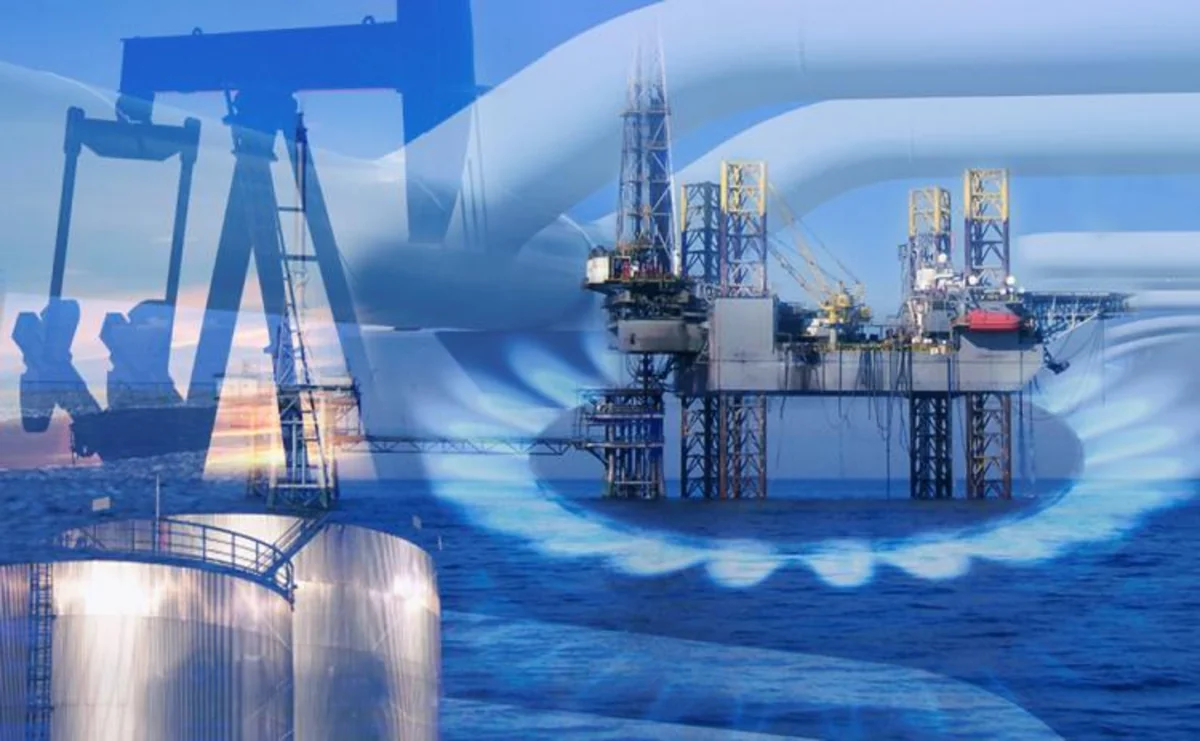
A $10-per-barrel increase in the price of Azeri Light crude increases Azerbaijan”s annual current account surplus by $1.2 billion, Central Bank of Azerbaijan (CBA) Chairman Taleh Kazimov said in an interview with Global Finance magazine.
Report quotes him as saying a $50 increase in the price of natural gas per 1,000 cubic meters boosts the surplus by approximately $900 million.
Kazimov noted that around 80% of Azerbaijan”s non-oil imports come from countries that import energy resources.
He added that a 10% increase in oil prices raises inflation in our trading partners by approximately 0.67%. The nominal effective exchange rate absorbs most of this pressure, he said.
According to the CBA chairman, exchange rate stability serves as the main nominal anchor.
He said where trade is the dominant transmission channel, a stable nominal exchange rate neutralizes most imported inflation, keeping expectations within the 4±2% range. At the same time, the interest rate corridor ensures the predictable transmission of policy decisions. The third factor is reserve buffers: Azerbaijan’s strategic foreign exchange reserves increased by $700 million in the first half of the year, reaching $85.8 billion by the end of June. This exceeds 125% of GDP and amounts to around 400% of broad money, Kazimov noted.
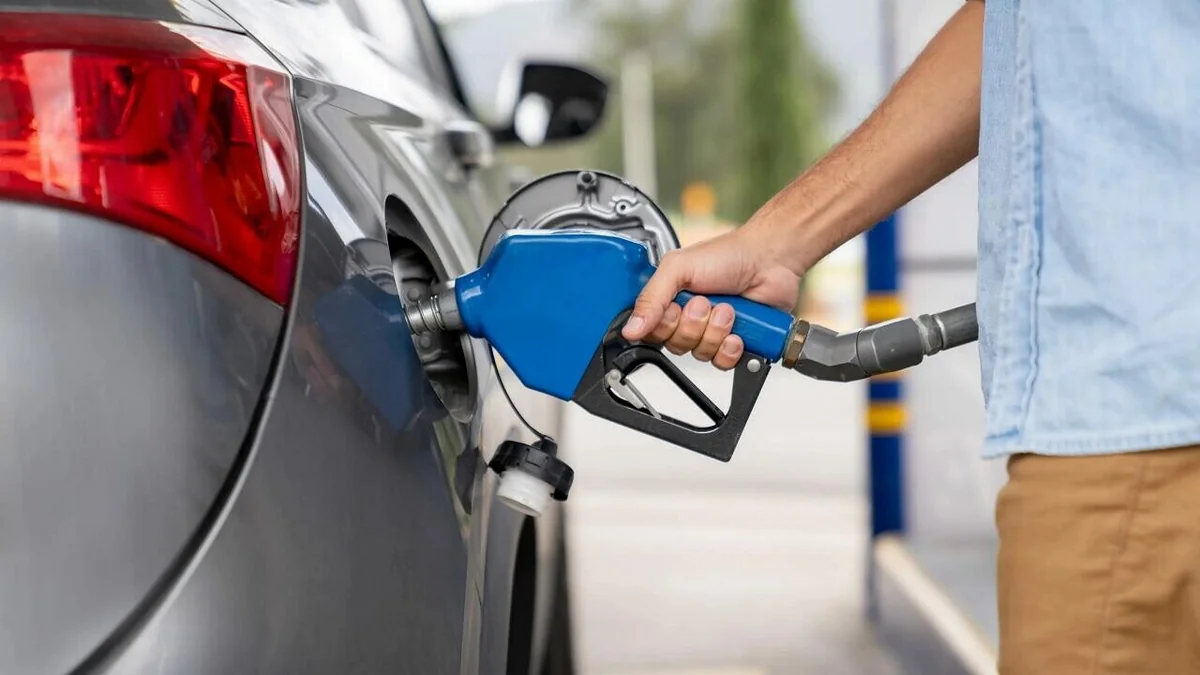
France and Germany have agreed to push for a relaxation of the European Union”s planned ban on the sale of new cars with internal combustion engines from 2035, while also tightening rules on support for products made in Europe.
According to Report‘s European bureau, an agreement reached on the sidelines of the EU summit in Brussels links a review of climate requirements for the automotive industry with the Made in Europe initiative, which aims to support European manufacturers and strengthen the EU’s industrial competitiveness.
“France and Germany propose a comprehensive package that combines an ambitious European decarbonisation pathway with the regulatory flexibility needed to reflect different market realities and technological conditions,” the agreement released by the Élysée Palace states.
Paris and Berlin are seeking a compromise between reducing emissions and protecting Europe’s automotive industry amid intensifying international competition.
The agreement does not change the EU’s existing rules. The document signed by the two countries will require approval at the European level before it can be implemented.
Any US presence near Iran causes concern: Abbas Araghchi
He stressed that the Iranian side informs its partners in Yerevan about this directly, commenting on the TRIPP logistics corridor project .
alphanews.am/en/any-us-prese…