Strained relations between Turkey and Azerbaijan
Turkey’s Foreign Minister Hakan Fidan arrived in Baku on the evening of 14 October. The official reason for his visit was the seventh summit of the Conference on Interaction and Confidence-Building Measures in Asia (CICA), where Fidan represented Turkish President Recep Tayyip Erdoğan. However, the visit came amid worsening relations between the two countries in recent weeks, putting every detail under close scrutiny.
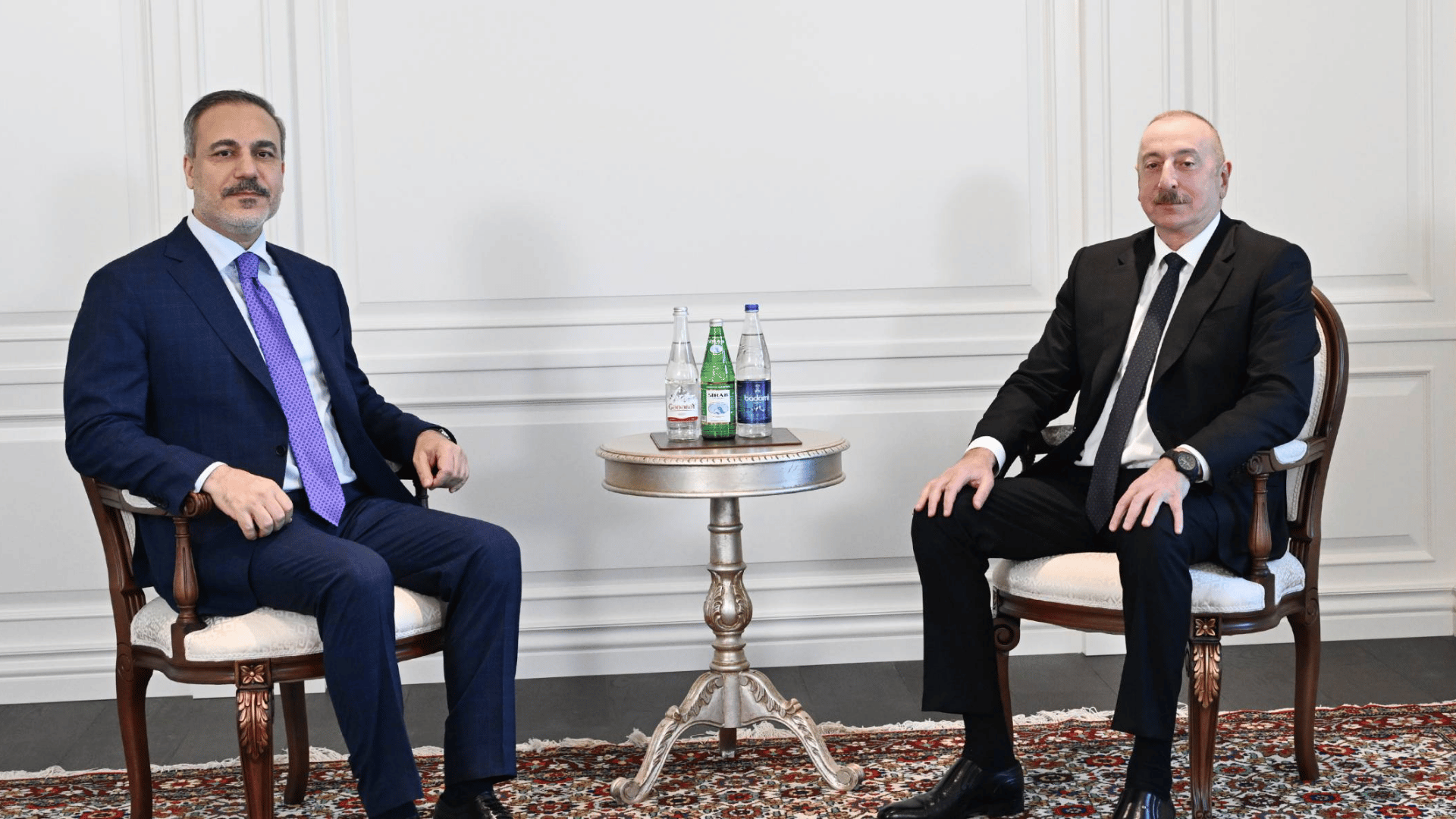
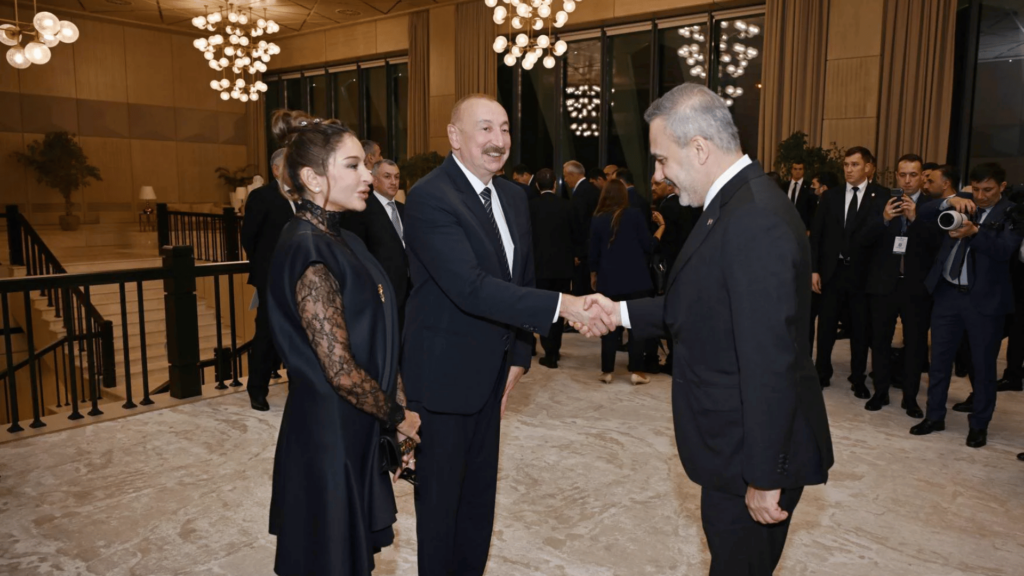
Azerbaijan’s Youth and Sports Minister Farid Gayibov greeted Fidan at Heydar Aliyev International Airport. The decision to assign him to welcome the Turkish foreign minister prompted mixed reactions on social media in both Azerbaijan and Turkey. On 15 October, Fidan met Azerbaijani President Ilham Aliyev. Later that day, during the summit, he left the hall along with representatives of several other delegations when Israeli President Isaac Herzog began his speech.
After his meeting with Aliyev, Fidan said relations between the two countries remained strong and unbreakable. However, his remarks also acknowledged that disagreements existed between Baku and Ankara.
One of the main factors behind the deterioration in relations has been the de facto ban on wearing the hijab in Azerbaijani schools. JAMnews examined the issue in detail in an earlier article. This time, however, the focus is on a different question:
What is happening in relations between Baku and Ankara, and how serious is the growing chill between them?
Fidan’s message: “There are disagreements, but…”
Speaking to journalists in Baku, Fidan said relations between the two countries had stood the test of wars and crises, while their leaders shared an “unbreakable friendship and brotherhood”. He added that Turkish President Recep Tayyip Erdoğan had given him special instructions before the trip.
At the same time, the minister openly acknowledged that the two countries might hold different positions on certain issues. Fidan stressed that neither side should allow these disagreements to damage their strategic relationship:
“We are a people with an ancient history. We must resolve our problems as befits a people with such a past: by sitting down at the negotiating table and discussing them in a civilised manner.”
The minister also said the two sides should not turn their differences into a propaganda tool on social media. He said his conversation with Aliyev had followed this approach, with the Turkish side hearing the Azerbaijani president’s position and his assessment of the situation.
Fidan did not explicitly mention the hijab issue, Israel or Aliyev’s speech on 2 October. However, his references to “our problems”, “differences in approach” and the “use of disagreements” suggest that Ankara acknowledges the existence of tensions but prefers to address them through diplomatic channels rather than in public.
Meanwhile, photographs from the visit attracted the most attention on social media. Some users analysed Fidan’s body language, noting that he appeared relaxed both at the airport and during his meeting with the president, as though relations between the two countries faced no problems. Although such assessments are subjective, they show how closely the public watches every gesture by representatives of Baku and Ankara.
However, the most notable moment of the visit came during Israeli President Isaac Herzog’s speech. At the summit in Baku, Fidan refused to listen to Herzog and left the hall. Just a month earlier, the decision by an Azerbaijani representative to remain in the hall during Israeli Prime Minister Benjamin Netanyahu’s speech at the UN General Assembly had drawn sharp criticism in Turkey.
What triggered the tensions?
A series of events over the past three weeks has heightened tensions between Baku and Ankara:
- 23 September — Speaking at the UN General Assembly, Erdoğan described bans on headscarves in schools in “some countries” as an infringement of women’s rights. During the same session, Azerbaijan’s representative remained in the hall while Netanyahu delivered a speech in which he called Erdoğan a “tyrant”.
- 2 October — Speaking at a congress of the ruling New Azerbaijan Party (YAP), Aliyev said, without naming anyone in particular, that everyone should “know their place” and that nobody had the right to interfere in the Azerbaijani people’s way of life. He stressed that Azerbaijan had achieved its military victories without foreign patronage and had bought weapons with its own money (JAMnews).
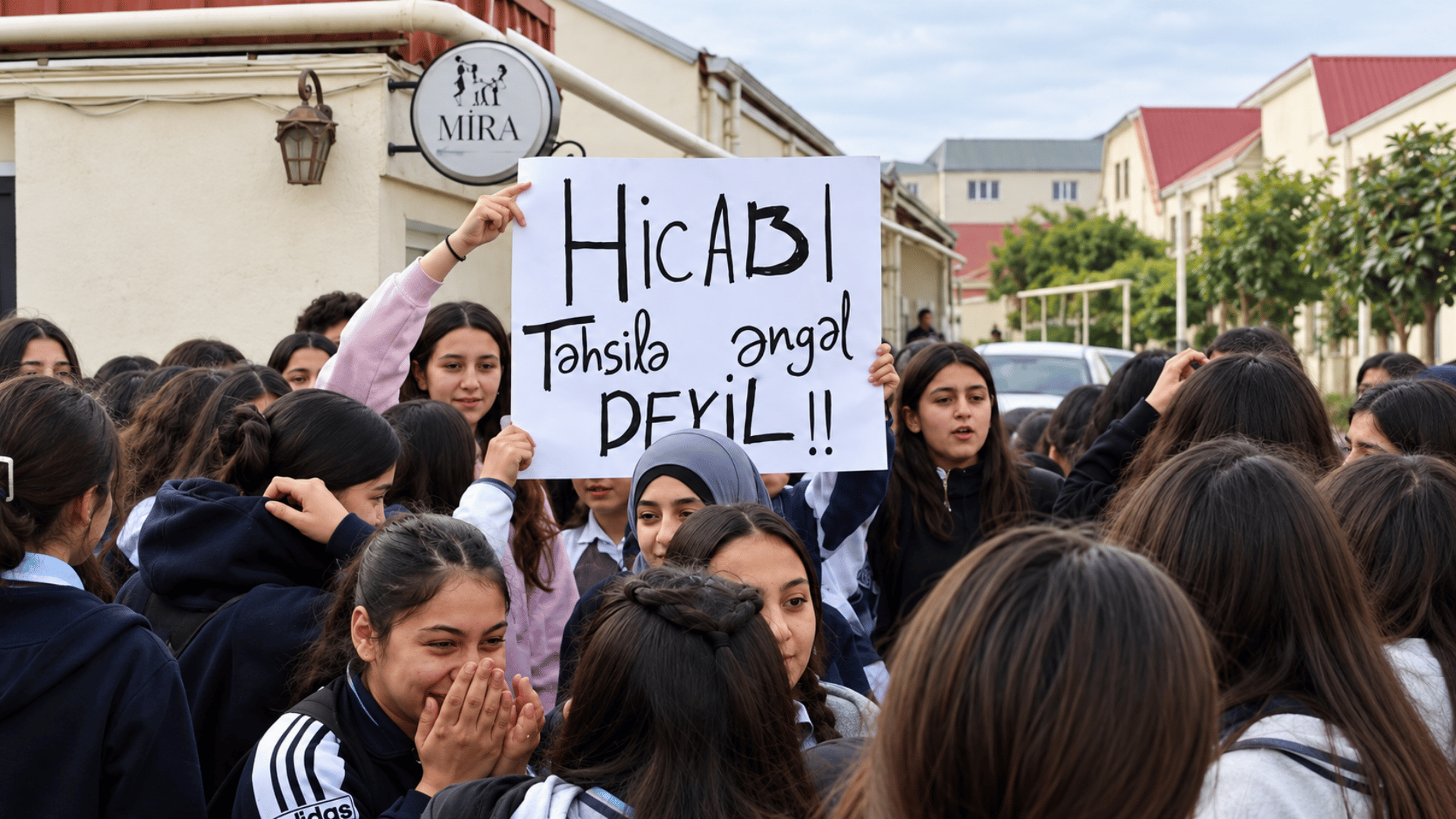
- 9–12 October — Azerbaijani schools began inspections during which officials barred female pupils and teachers wearing hijabs from attending classes. The measures sparked protests and led to the detention of 37 people (JAMnews).
- 12 October — Erdoğan’s chief adviser Oktay Saral called on Azerbaijan to “correct this mistake” as soon as possible. Leyla Şahin Usta, deputy chair of the parliamentary group of the Justice and Development Party (AKP), made a similar statement.
- 13 October — YAP’s press service criticised Saral and AKP MPs, naming them individually. Its statement called on the AKP to abandon its “harmful policy” and also referred to “hegemonic ambitions” (Yeni Azerbaijan).
- 14–15 October — Fidan arrived in Baku and met Aliyev.
Against this backdrop, AKP spokesperson Ömer Çelik limited his response to saying that the two countries’ leaders shared a “genuinely brotherly relationship”.
Why relations are cooling: Israel, Russia and claims to the role of “big brother”
All the experts JAMnews interviewed before Fidan’s visit believe the hijab issue represents just one manifestation of deeper problems in relations between Azerbaijan and Turkey.
“The need to choose between two rivals”
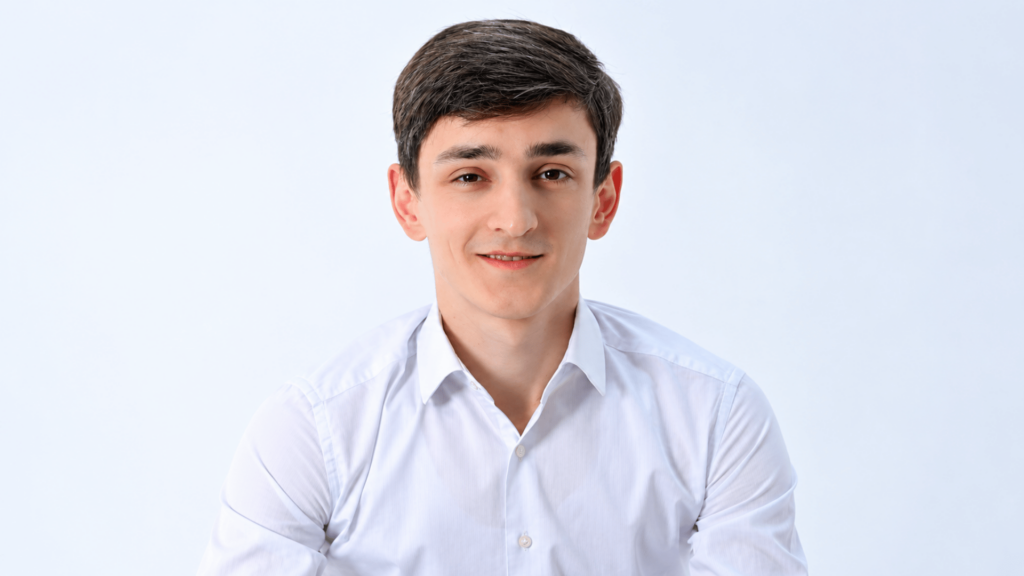
Politician Araz Aliyev, one of the founders of the Third Republic Platform, told JAMnews that he linked the current tensions to Azerbaijan’s foreign policy.
In his view, Baku has begun to see itself as “a major geopolitical player”. However, unlike the US or China, Azerbaijan lacks the capacity to maintain close relations with two rival states at the same time:
“Over the next ten years, Turkey and Israel will be the two main rivals in the Middle East. At the same time, Azerbaijan is a strategic ally of both countries. When Netanyahu speaks, the Turkish delegation leaves the hall, while the Azerbaijani delegation cannot do the same, even if it wants to. Israel also invests in Azerbaijan and supports it. Naturally, this causes resentment in Turkey.”
Araz Aliyev notes that Azerbaijan first felt the negative consequences of its “multi-vector policy” after it backed Pakistan in its confrontation with India. According to the politician, India blocked Azerbaijan’s accession to the Shanghai Cooperation Organisation, while trade between the two countries — worth as much as $2 billion — suffered a setback.
Aliyev identifies Russia as a second factor. In his view, Baku has been pursuing closer relations with Moscow since August. He sees the resolution of disagreements over the crash of an AZAL aircraft as one sign of this rapprochement. Historically, he notes, closer ties between Azerbaijan and Russia have gone hand in hand with a degree of distancing from Turkey.
Araz Aliyev also links these changes to the domestic political situation in the US. In his view, Baku’s foreign policy strategy, which has largely relied on Donald Trump’s administration, could come under threat if Republicans lose the US midterm elections in November. The politician believes concerns about this scenario are pushing the Azerbaijani authorities to seek alternative foreign policy partners.

“I don’t depend on you”
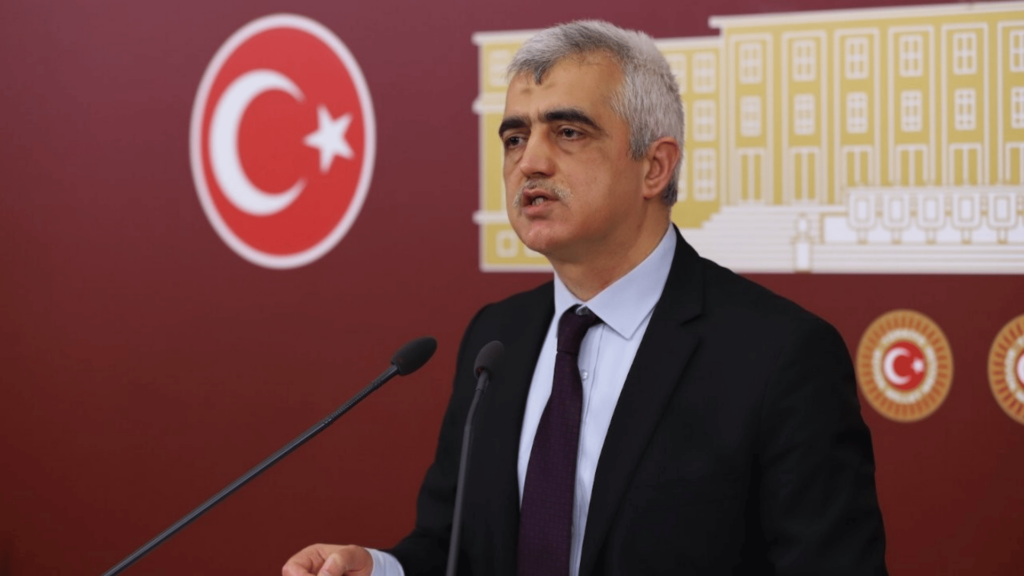
Ömer Faruk Gergerlioğlu, a member of Turkey’s parliament representing Kocaeli province and the Peoples’ Equality and Democracy Party (DEM), told JAMnews that he sees Aliyev’s 2 October speech as a rejection of Turkey’s claim to the role of “big brother”.
“Turkey has always seen itself as the big brother of Central Asian countries and Azerbaijan. Aliyev, however, disagrees. His message is: I don’t depend on you; I need you only as much as you need me. We have mutual interests, but ours is not a relationship between an older and a younger brother.”
In the MP’s view, Baku sees cooperation with Israel as a “lifeline” that helps it preserve its authoritarian system of government, and it has no intention of making concessions on this issue.
Gergerlioğlu also points to what he sees as contradictions in Erdoğan’s position. The Turkish president sharply criticises Israel but turns a blind eye to oil shipments from the Turkish port of Ceyhan to Israel. The oil reaches the port through the Baku-Tbilisi-Ceyhan pipeline. The MP claims he has repeatedly presented the government with documentary evidence of these shipments.
“If tensions between Turkey and Israel escalate, I think Aliyev will openly side with Israel. For him, the principle of ‘one nation, two states’ takes a back seat. He views the world primarily through the lens of preserving his own power.”
Against this backdrop, Fidan’s decision to walk out rather than listen to Israeli President Isaac Herzog’s speech in Baku takes on particular significance. This time, Ankara demonstrated its differences with Azerbaijan over Israel directly in the Azerbaijani capital.
Growing discontent in Turkish society
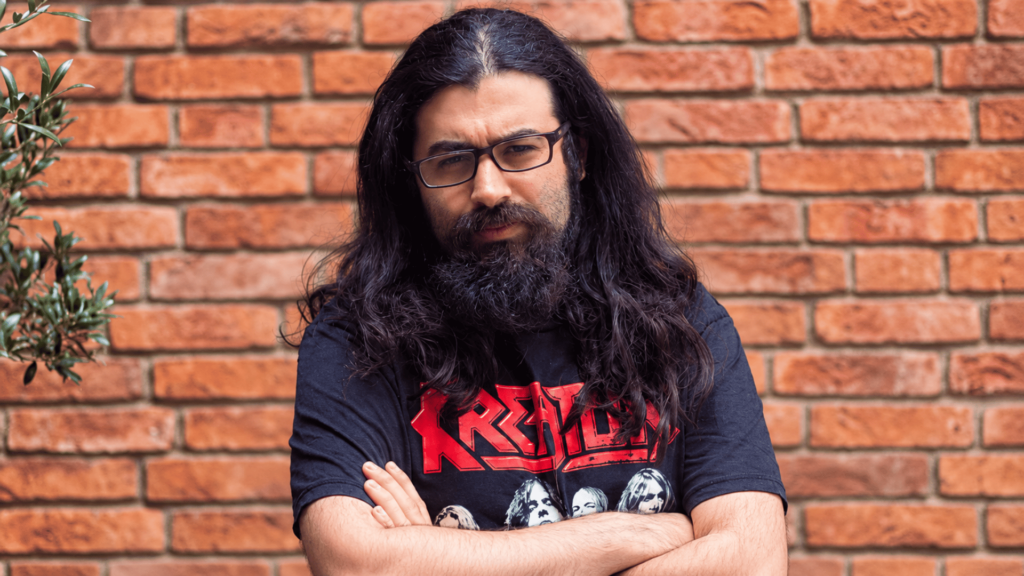
Journalist and analyst Javid Agha notes that discontent with Azerbaijan in Turkish society extends beyond the hijab issue.
According to him, Turkish businesspeople have complained for years about the difficulties of doing business in Azerbaijan, demands for unofficial payments by tax authorities and deliberate delays affecting lorries at the Georgian-Azerbaijani border.
“Turkish society has accumulated numerous grievances against Azerbaijan. However, people have only begun expressing them more openly and actively since the summer. Previously, Erdoğan’s inner circle kept this discontent in check through groups it funded, which fell silent at the president’s first signal. Now I see posts supporting protests in Azerbaijan on Instagram, TikTok and even platforms where I would never have imagined seeing such things before.”
The hijab factor: a sensitive issue for Turkey
The de facto ban on wearing the hijab in Azerbaijani schools has provoked a particularly strong reaction in Turkey. According to Gergerlioğlu, bans on headscarves remained one of the most hotly debated issues in Turkish society from the 1980s until the 2010s. Today, even voters who support the secular Republican People’s Party (CHP) consider the issue “a thing of the past”.
“Footage showing girls in headscarves being turned away from school brings back painful memories for Turkish society. Supporters of the ban argued that without it, Turkey would become a state governed by Sharia law. But the ban was lifted, and Turkey still did not become a Sharia state.”
The MP also clashed with Azerbaijani lawmakers over the issue. He said that during an online meeting of the Parliamentary Assembly of Turkic States (TURKPA), he criticised the ban. Azerbaijani MP Hikmet Mammadov then claimed that no such ban existed in the country and accused him of lying. However, according to Gergerlioğlu, a lawmaker from Turkey’s ruling Justice and Development Party (AKP), who attended the meeting, chose to remain silent.
Araz Aliyev believes Ankara’s reaction was inevitable. In his view, under Erdoğan, Turkey presents itself as a defender of “moderate Islam” and Muslims, while religious voters form one of the ruling party’s main support bases. “In this situation, Baku’s decision could not go unanswered,” he says.
Javid Agha, meanwhile, points out that Leyla Şahin Usta was among those whom Azerbaijan’s ruling New Azerbaijan Party (YAP) criticised in its statement. In the late 1990s, a headscarf ban prevented her from continuing her studies in Istanbul. Şahin Usta later lost her case against Turkey at the European Court of Human Rights and completed her education in Vienna.
“These bans did not stop her. Today, she is among those who govern Turkey. The authors of the statement should at least have familiarised themselves with her biography,” Agha says.
Sheikh-ul-Islam: “Consultations could have taken place, but they did not”
Allahshukur Pashazade, chairman of the Caucasus Muslims Board, has also commented on the situation. In an interview with Real TV, he acknowledged that the authorities had not consulted the religious organisation he heads before making the decision:
“I deeply regret that consultations could have taken place on this issue in advance, but they did not.”
At the same time, Pashazade supported the government’s position. He said the school uniform regulations do not mention the word “hijab” and that the country has no ban on wearing it. Children can study in hijabs at madrasas, he added, “but a different decision was taken regarding state schools”.
The Sheikh-ul-Islam stressed that “religion is separate from the state, and school is separate from religion”. He also accused certain “internal and external forces” of politicising the issue and trying to turn citizens against the state.
Araz Aliyev sees Pashazade’s statement as evidence that the authorities made the decision hastily:
“If the decision had been carefully considered and prepared over many years, the authorities should have consulted someone. It appears they made the decision in haste.”
For more on the legal aspects of the hijab ban, protests at schools and detentions, see JAMnews’ earlier report.
How will relations develop?
None of the experts interviewed expects Azerbaijan and Turkey to break off their alliance. However, they all believe the chill between the two countries will persist for some time.
Araz Aliyev believes the tensions will remain at the political level and gradually ease:
“Turkey needs Azerbaijan, while Azerbaijan needs Turkey even more in terms of national security, the economy and defence. Companies close to the leadership in both countries may face pressure from one another, but I do not believe their alliance will be threatened. After some time, we will hear declarations of brotherhood again.”
He notes that the two countries have weathered similar crises in the past. In particular, tensions in the late 2000s, when Turkey and Armenia were discussing protocols to normalise relations, led to Turkish flags being taken down in Baku. Aliyev believes the summit of the Organisation of Turkic States, which is expected to take place in Turkey at the end of the month, could indicate the direction in which relations between Baku and Ankara will develop.
Gergerlioğlu also does not expect Erdoğan to distance himself from Baku solely over the hijab issue. He says Ankara places much greater importance on revenue from the Baku-Tbilisi-Ceyhan pipeline, Turkey’s ambition to play a leading role in the “Turkic world” and the support of its nationalist-conservative electorate.
“Behind closed doors, they will probably say politely: ‘Wouldn’t it have been better not to introduce such a ban?’ However, if Aliyev begins openly supporting Israel, Turkey will also start signalling its discontent with the relationship more openly.”
The MP also points to declining electoral support for the ruling party. He claims that some voters dissatisfied with the AKP’s “two-faced” policy towards Israel backed the New Welfare Party in the last election. In his view, the hijab issue could deepen this discontent further.
Javid Agha reaches a similar conclusion. He believes that no matter how often Erdoğan repeats the slogan “one nation, two states”, he will have to take into account the views of the religious-conservative electorate that forms the foundation of his political support and adjust his position accordingly.
Fidan’s statements in Baku also offer insight into this diplomatic strategy. Ankara does not deny that problems exist, but seeks to move discussions about them out of the public arena and into closed-door diplomatic channels. So far, however, there are no signs that Baku intends to make concessions either on the hijab issue or on its relations with Israel.
Strained relations between Turkey and Azerbaijan