
Increased security measures will be taken in Berlin on New Year’s Eve, one of the reasons is the consequences of the Middle East conflict, Azernews reports.
Political arrests in Azerbaijan
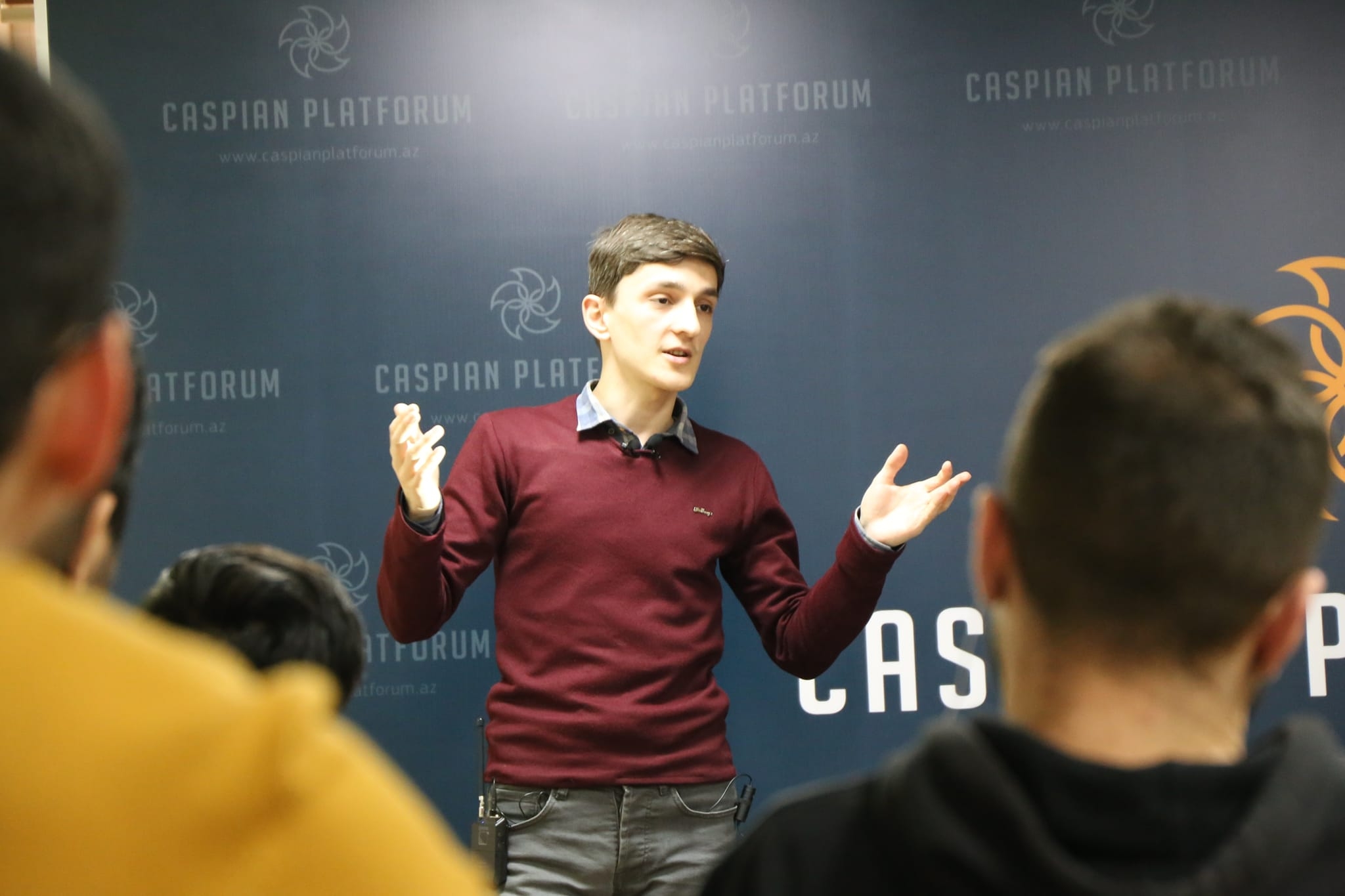
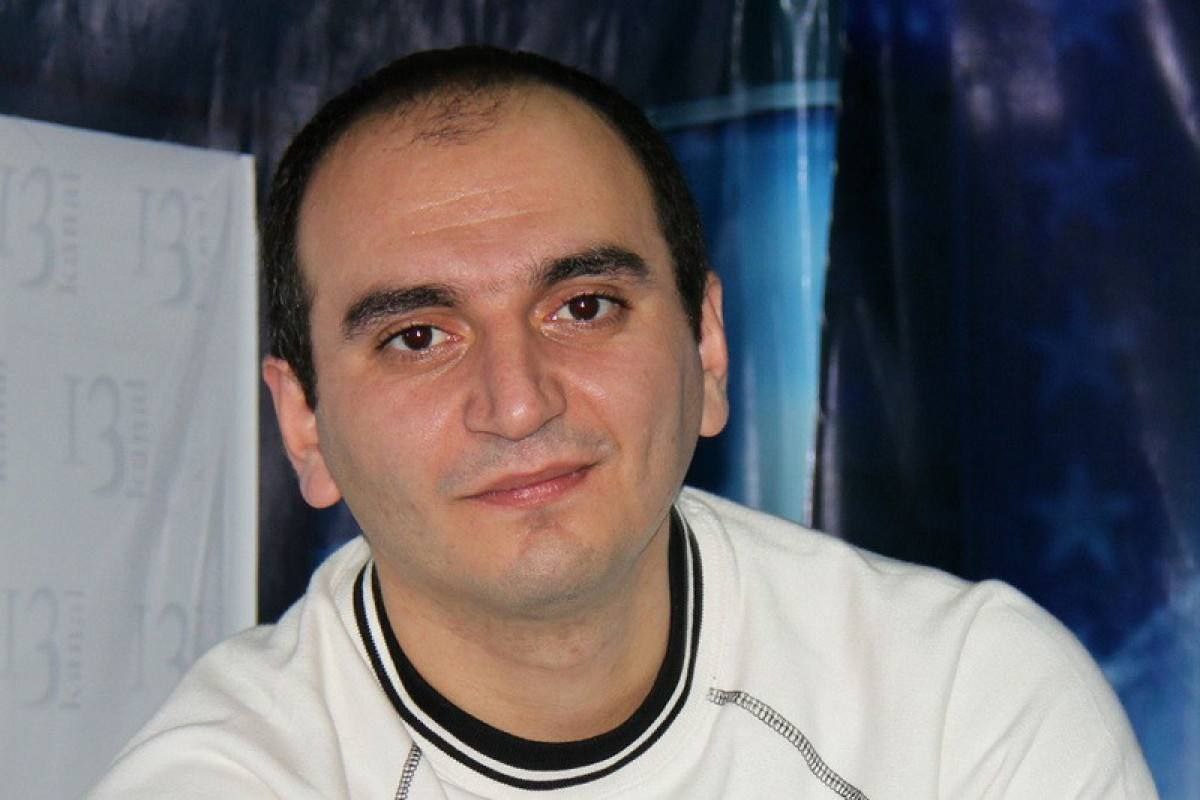
Co-founder of the “Third Republic” platform in Azerbaijan Araz Aliyev was subjected to physical violence during detention. This was stated by his lawyer. The activist was charged with petty hooliganism and arrested for 25 days under administrative procedure.
- How Armenia solves the problems of the Karabakh people: are the government’s projects effective?
- In Georgia, employers often can’t find staff, and the unemployed struggle to find jobs. Why?
- Corridor games in the South Caucasus. What are the stakes? View from Baku
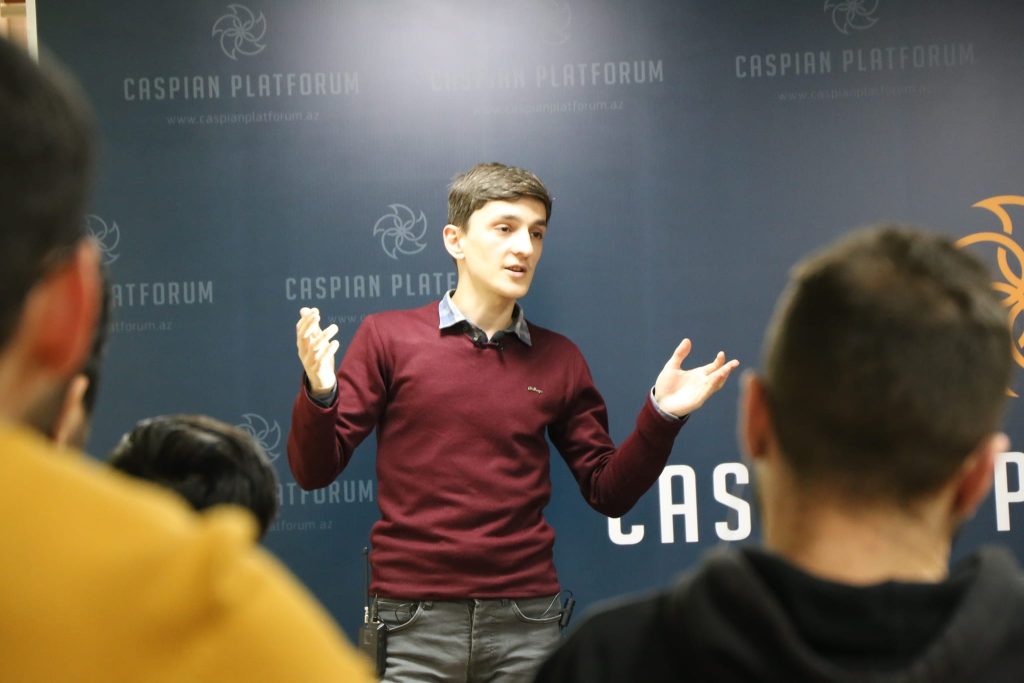
Araz Aliyev disappeared on December 23 in the evening. Despite numerous appeals of his relatives and his lawyer, the law enforcement agencies did not inform about the whereabouts of the activist. Only a day later, on December 24, he appeared in court and was arrested for 25 days under Articles 510 (petty hooliganism) and 535.1 (disobeying the police) of the Code of Administrative Offenses.
According to the official accusation, Araz Aliyev swore foul language in a public place, and when a police officer gave him a warning, he did not obey.
And according to lawyer Nemat Kerimli, Aliyev was grabbed on the street by persons in civilian clothes and forcibly put into a car, hitting him. The activist was taken to the 24th branch of Nizami District Police Department. There his laptop was taken away from him. After that, a report was drawn up against him that he allegedly “expressed foul language” and “disobeyed the police”.
The lawyer also said that he would file an appeal against the arrest and a complaint to the prosecutor’s office about the use of physical pressure on Aliev.
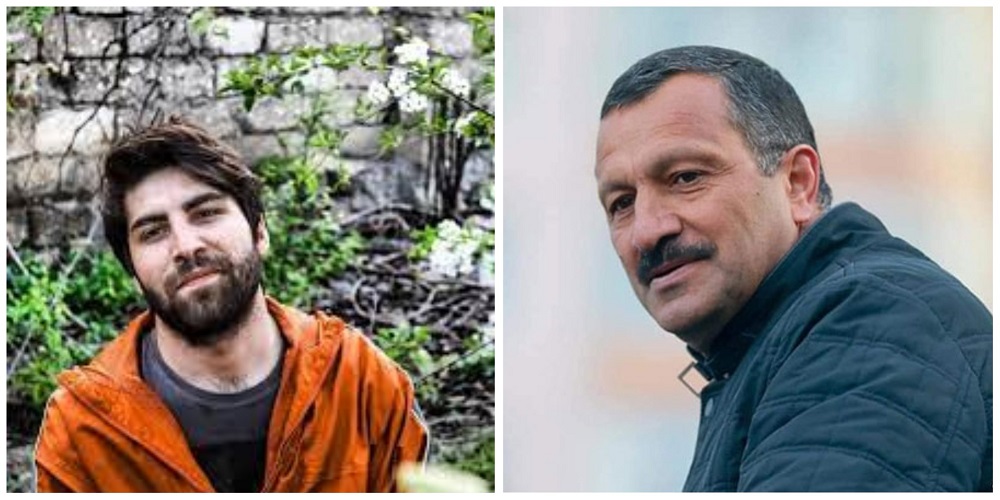
Aliyev’s wife, Gulara Ismailova, in turn, reported that pressure was also exerted on her. She was detained on December 24, when she held a solitary protest in front of the Interior Ministry building, demanding clarification of the fate of her husband, who had disappeared since the evening of December 23.
She was taken to the 9th police station. Ismailova said one of the officers recognized her as a gender activist and threatened to arrest her if he saw her at the protests.
Araz Aliyev is also a member of the NIDA movement, and a professor of philosophy at Baku State University.
On the day of Araz Aliyev’s disappearance, Akif Gurbanov, another co-founder of the Third Republic platform, also reported that he was being pursued.
“Near the cafe where I was on Saturday evening, operatives appeared. They ostentatiously made their presence known,” Gurbanov said.
After Gurbanov made it public, activists, journalists and lawyers arrived at the cafe where he was. With their appearance, the operatives disappeared from view. Accompanied by the people who arrived, Gurbanov went home.
“Obviously, all this is related to our attempts to lead the country out of darkness. Apparently the creation of the Third Republic platform has seriously alarmed the regime. For we want to turn the governed society in Azerbaijan into a self-governing society. Our main slogan is that we obey not one person, but the right,” Gurbanov said.
A group of socio-political activists announced the establishment of the platform on December 7. The goal of the structure is to establish a true republican system in Azerbaijan. “The Third Republic” declared the need to achieve the rejection of authoritarianism in Azerbaijan, transition to a parliamentary republic and real democracy.
In the founding documents of this political platform it is noted that with the coming to power of Heydar Aliyev in 1993, the decline of the Second Republic began and the regime of authoritarianism was established. The Third Republic should return Azerbaijan to the bosom of democracy.
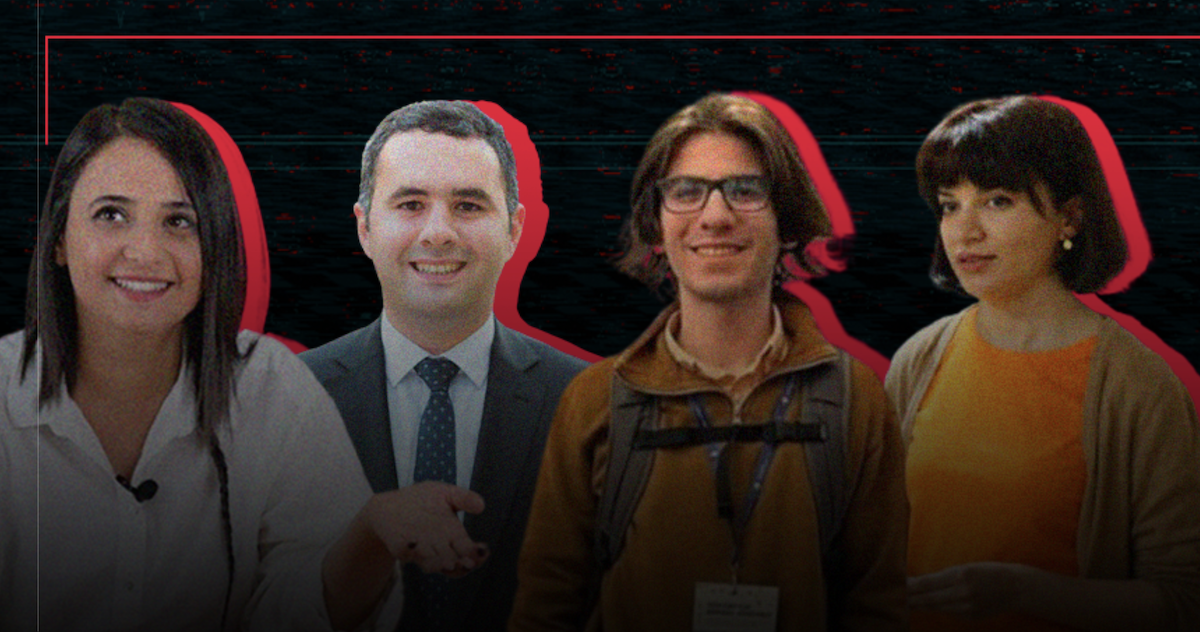
Political and public activists Akif Gurbanov, Araz Aliyev, Elman Fattah, Rovshan Agayev, Ruslan Izzetli, Samed Rahimli and Yadigar Sadigli were included in the working composition of the Platform.
Akif Gurbanov was elected as the head of the working staff for 1 year.
The “Third Republic” platform issued a statement on the arrest of Araz Aliyev.
“Azerbaijan’s law enforcement agencies, accustomed to governing with strict authoritarian rules, have for years made a habit of arresting critics of the Aliyev government through kidnapping. There is no doubt that Araz Aliyev has also become a victim of such a kidnapping,” the statement noted.
The statement also said that detaining Araz Aliyev without allowing him access to his relatives and an independent lawyer constitutes incommunicado detention, which is strictly prohibited under international human rights law.
“Such arrests are a gross and arbitrary violation of people’s right to liberty. At the same time, we state that the arrest of Araz Aliyev is clearly politically motivated and the government of Azerbaijan has an international legal obligation to stop politically motivated arrests…
We demand from the government the immediate release of our member Araz Aliyev, as well as all arrested journalists and socio-political activists to stop the wave of repression that has intensified in recent days!
At the same time, we appeal to the entire Azerbaijani public indifferent to the lawlessness and arrests of innocent people taking place in the country.
We call for action to protect human rights, especially to save the country from authoritarian rule!” – the statement reads.
Azerbaijanis – IDPs from Karabakh
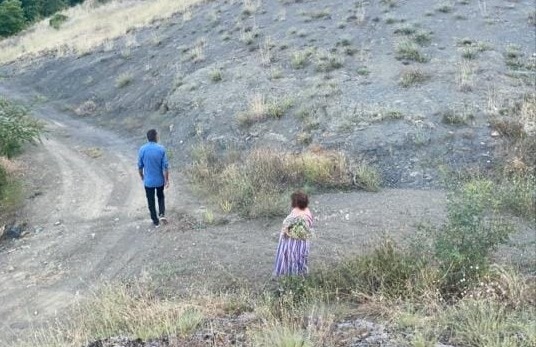
“Our childhood was spent in the mountains and forests. My peers and I often climbed steep cliffs and spent days on the highest points of Lachin. Even now I remember how proudly we used to look at the city from these heights. For hours we would stare as if we were digging a map of the city into our heads…”
Ilgar Mahmud was born in 1968 in the village of Shamkend in Lachin district. He now lives with his wife and son in one of the unfinished houses located in the village of Darnagul.
- “It’s dangerous work, but it’s better than unemployment”. Cleaners on highways in Azerbaijan
- Life on Baku-Sumgait-Baku trains
- A trip to the “Alumni House,” whose address even Google Maps doesn’t know
He says that his father was a doctor and his mother a nurse. When he reached school age, his parents started working at the Lachin hospital, so the family moved from the village to the district center. This is where he went to school.
Ilgar Mahmud lived there with his family until Lachin was occupied during the first Karabakh war.
“No one agreed to go to Lachine to get people.”
He says that he spent the last days before the occupation looking for a car to take people out of the city. People were afraid that the Khojaly events would be repeated in Lachin. But it was difficult to find a car. There were not many people willing to go to the front from safe neighborhoods.
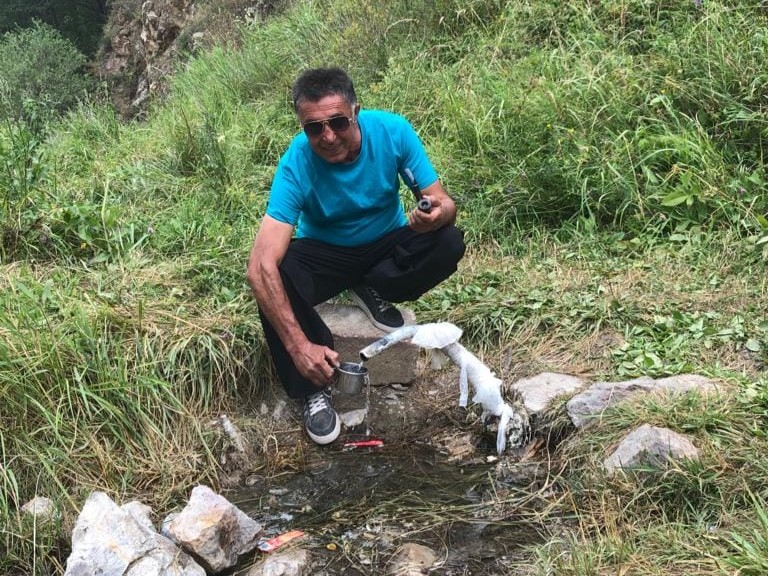
“My friend and I went to Baku and offered money to many drivers to take civilians out of Lachin, but no one agreed. In the end, desperate, we lied to a bus driver named Abbasgulu from Mashtagi (a village on the outskirts of Baku – ed.) that we were going to a wedding in Alyat. He agreed for 500 manat.
We are on our way and I still can’t admit that we should actually go to Lachin. On the way I started a conversation about Lachin, about the war, to see what he thinks about all this. When we reached Alyat, I said we should eat at one of the cafes in the area. So we went and sat together. Finally I said that we should go to Lachin. He did not agree to go himself, he said that he had a sick man at home, no one to carry medicine except him and that he could not go with us. But he gave us his bus.
That’s how we reached Lachin. The crowd rushed into the bus so much that there was hardly any light inside,” his voice trembles as he speaks, as if he is reliving that day.
Ilgar, with a bus full of people, left Lachin for Baku. His family was also among those who moved that day. They settled in Baku and life as IDPs began.
“It was very difficult for us. No home, no shelter. We couldn’t take even bedding with us. For months we lived half-starved-half-naked in rented accommodation until we moved into this unfinished house where we live now. But I never once knocked on the doors of relatives or officials and asked for help,” he says with bitterness in his voice.
Lachin after 28 years
According to the statement signed by the leaders of Azerbaijan, Russia and Armenia on the results of the second Karabakh war, the liberation of some of the occupied territories was realized according to the schedule stipulated in the document. According to it, on December 1, 2020, the Lachin district returned under the control of Azerbaijan.
Thus, Ilgar Mahmud after 28 years was able to return to the lands where he was born and grew up.
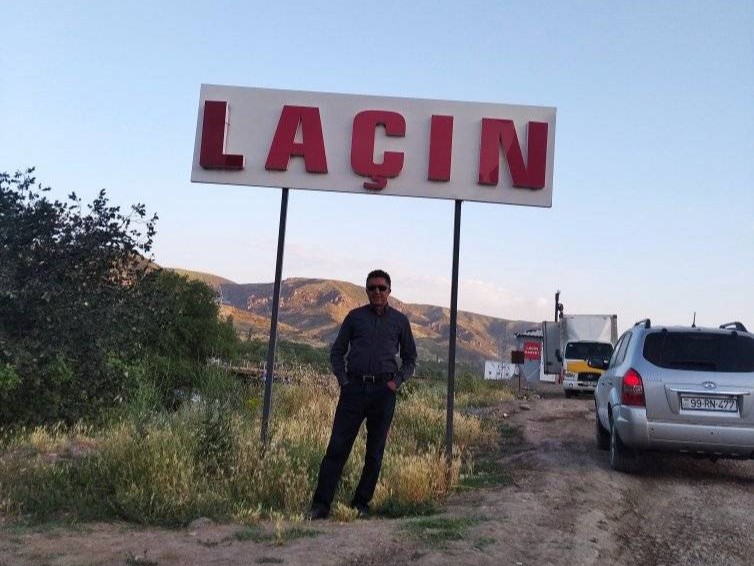
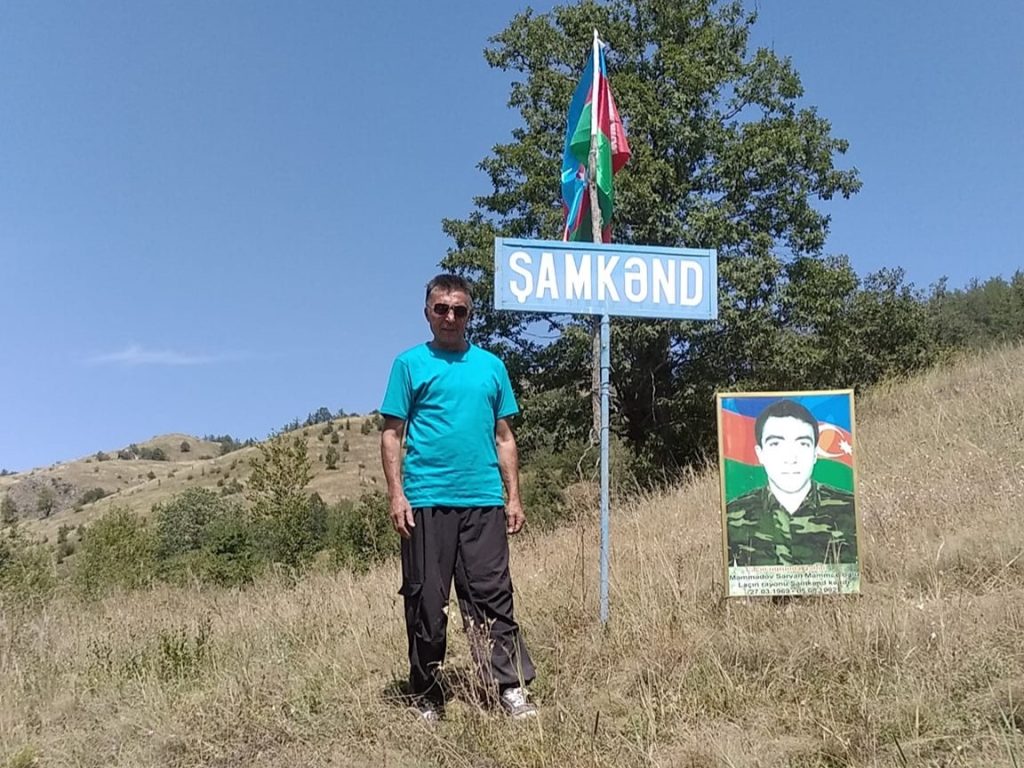
“First of all I visited our house. I saw that there were only ruins left where our house was, but I recognized it from the foundation. Now I can’t stop thinking about when our house will be rebuilt and we can go back there,” he says, showing pictures taken in Lachin.
He now travels to Lachin often. There he practises beekeeping with other locals. He spends his days on the outskirts of Lachin, just as he did when he was a child. He keeps his bee hives in the most fertile areas of his native region.
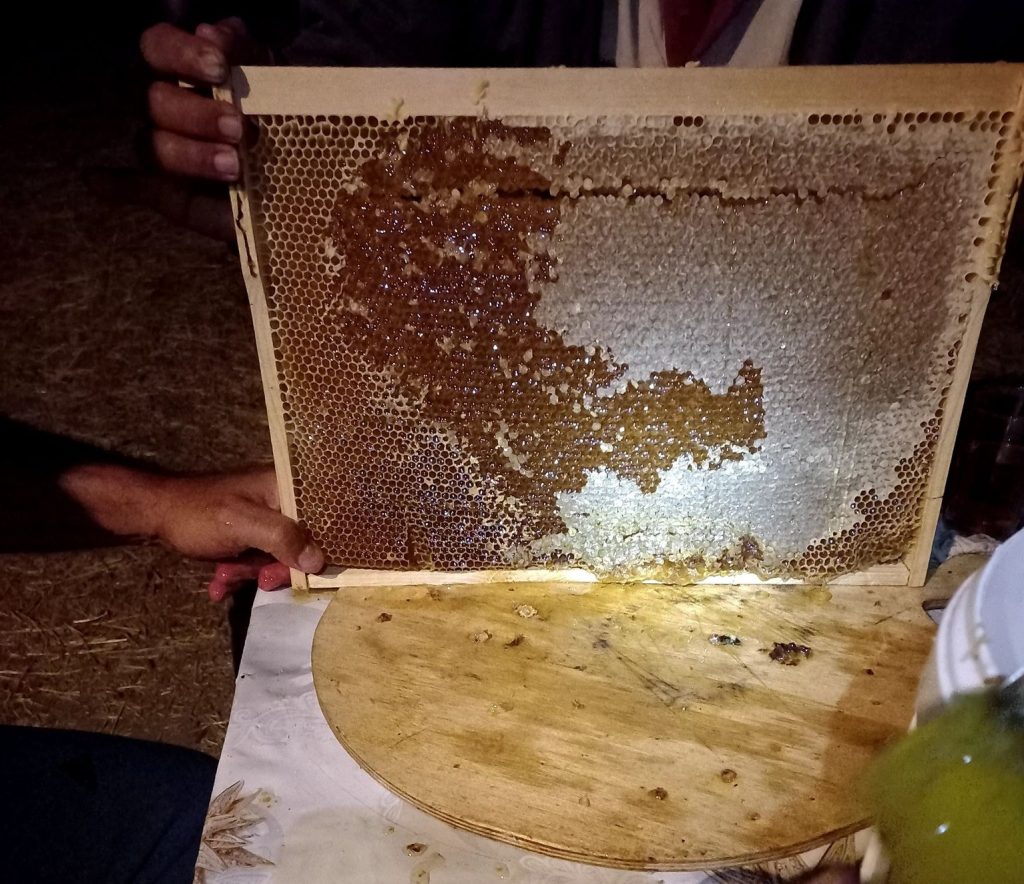
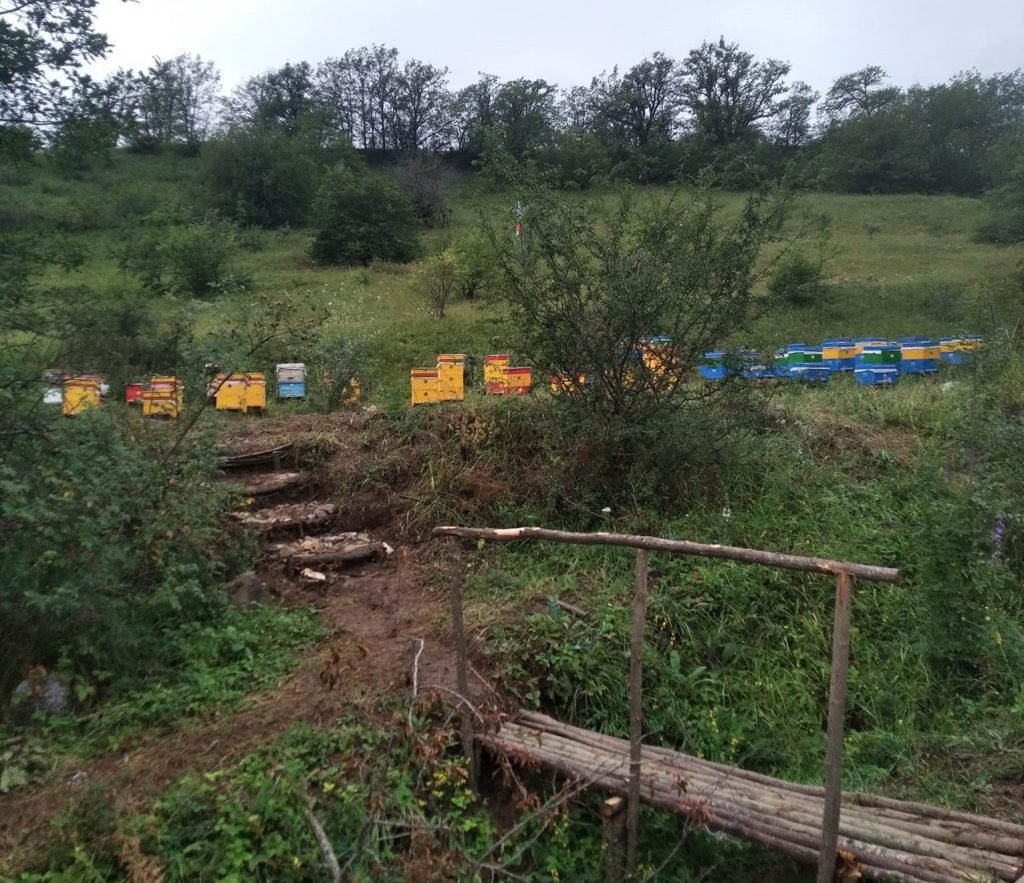
Now his greatest wish is to return once and for all to the places where he spent his best years, to restore his native home and live in it again.
“After returning to Lachin, I became convinced that I had never been able to affinity with Baku. I always felt like a tourist there. I am waiting for us Lachin people to be resettled in our native places. I want to spend the rest of my life there, on the land where I was born and grew up.
But I am against the idea of living together with Armenians again. I think that if this happens, wars will be repeated again. In 20-30 years, Armenians will return to their territorial claims. What I am saying is based on what we have experienced in the past, who can prove otherwise? There is no such example,” he concludes.
“I thought it was just everybody leaving one at a time, and now it’s our turn.”
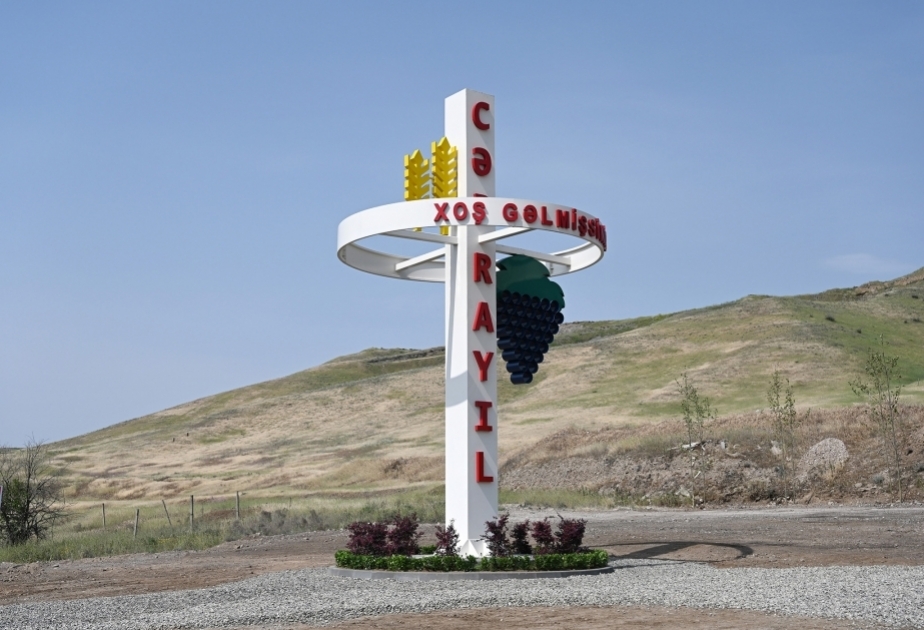
But not all Karabakhis aspire to live in these territories again. Azer Seyidov is one of them.
He was born in 1986 in the village of Yukhary Nusus in the Jebrail district. He was only seven years old when the Jebrail district was occupied. Therefore, he has very few memories of his native places.
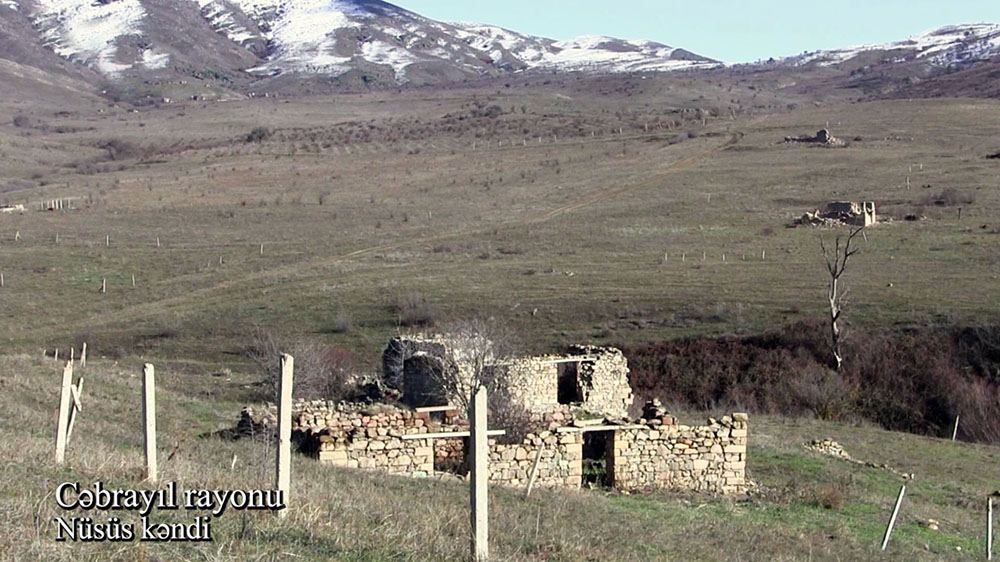
“I remember the period when Jebrail was occupied. I would go to school in a month. My father bought me colored pencils in the district center, which were rare at that time. Because of these pencils, I counted the days when I would finally go to school.
Then suddenly people started packing up. They said they had to leave the village, the Armenians were coming. At that time, they talked about the occupied districts and villages all day long at home. As a child I took it as if everyone was leaving one by one, and it was our turn to leave, it didn’t seem like something terrible to me. We basically packed small but valuable things in the house and left on one of the trucks that left the village,” Azer says slowly, as if trying to refresh his memory.
The Jebrail and Fizuli districts were occupied on the same day – August 23, 1993. These two districts were the last territories to fall under the control of the Armenian army as a result of the first Karabakh war.
According to official information, as a result of the loss of territories, about 600,000 people forcibly displaced from the then Nagorno-Karabakh Autonomous Oblast and seven adjacent districts went to different cities and districts of Azerbaijan, including Baku. Most of them, leaving their homes, could not take with them even the most basic necessities. During the first ten years, most IDPs were accommodated in tent cities, administrative buildings such as schools, kindergartens, dormitories and unfinished buildings. In the next phase, the process of providing them with housing was launched.
Azer’s father did not take his family to Baku because of the congestion in the capital; they took refuge in the house of a coworker who lived in Yardimli district.
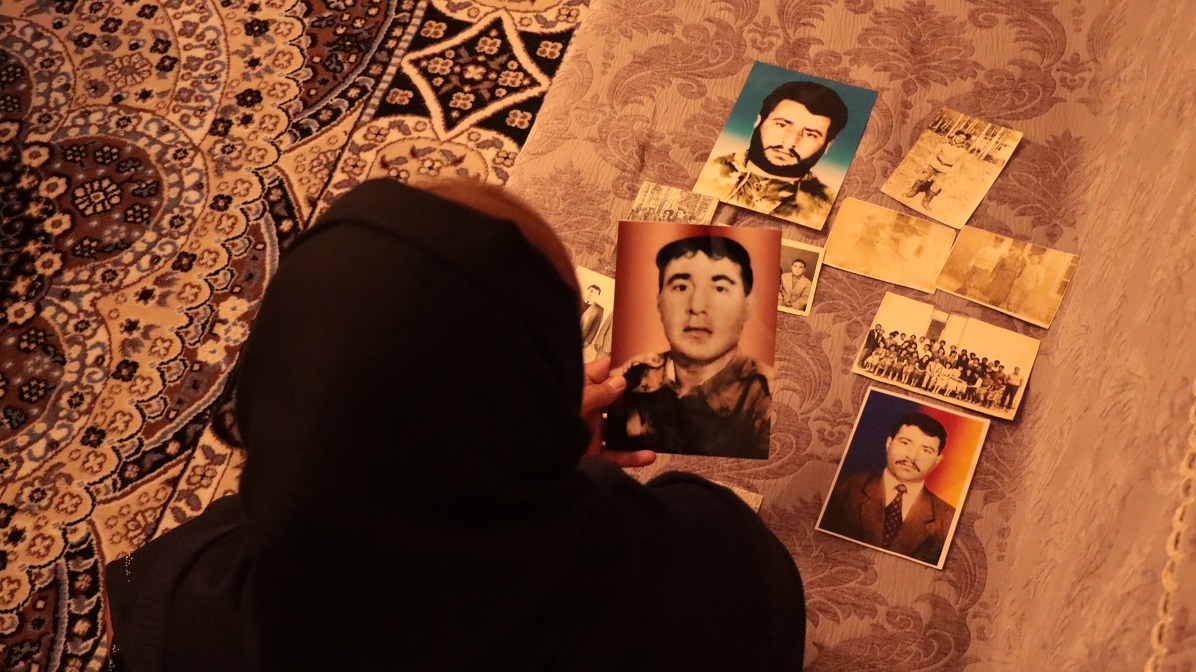
“This was the second time I had seen this man. Once, a year ago, he had been our guest in Jebrail, and now we came to his small house. Since he had no family and no children, my father, mother, myself and my younger sister were able to stay in his house. My father was a carpenter and laborer. He was making a good living. Later, this friend of my father helped us a lot, we got our own house, he was a very good man,” Azer says about him with a smile.
Azer received secondary education in Yardimli district. But later he did not aspire to get higher education. In the 2000s he moved to Baku, as there were few job opportunities in the region and it was difficult to earn a living. Although he learned the craft of carpentry from his father, he was not interested in this work. He started working in one of the car repair shops in Baku. He has remained here ever since.
“I rejoiced at the release of Jabrail, I think my father’s soul has found peace.”
Now he lives in a rented apartment in the Yasamal district of Baku. He says he was very happy when he heard the news about liberation of Jebrail from occupation. But mostly because of his father.
“My father died in 2017. His heart was sick, although we tried to treat him as best we could, but it didn’t help. He talked about Jabrail until the day he died. So I was very happy to hear about the release of Jabrail. I think his soul has now found peace. The only thing that connected me with Karabakh was my father’s longing for it. No other memories, no attachment. The realized years of my life were spent in Yardimli and then in Baku. So for me now there is no difference between moving to Karabakh and moving to any other region,” Azer says.
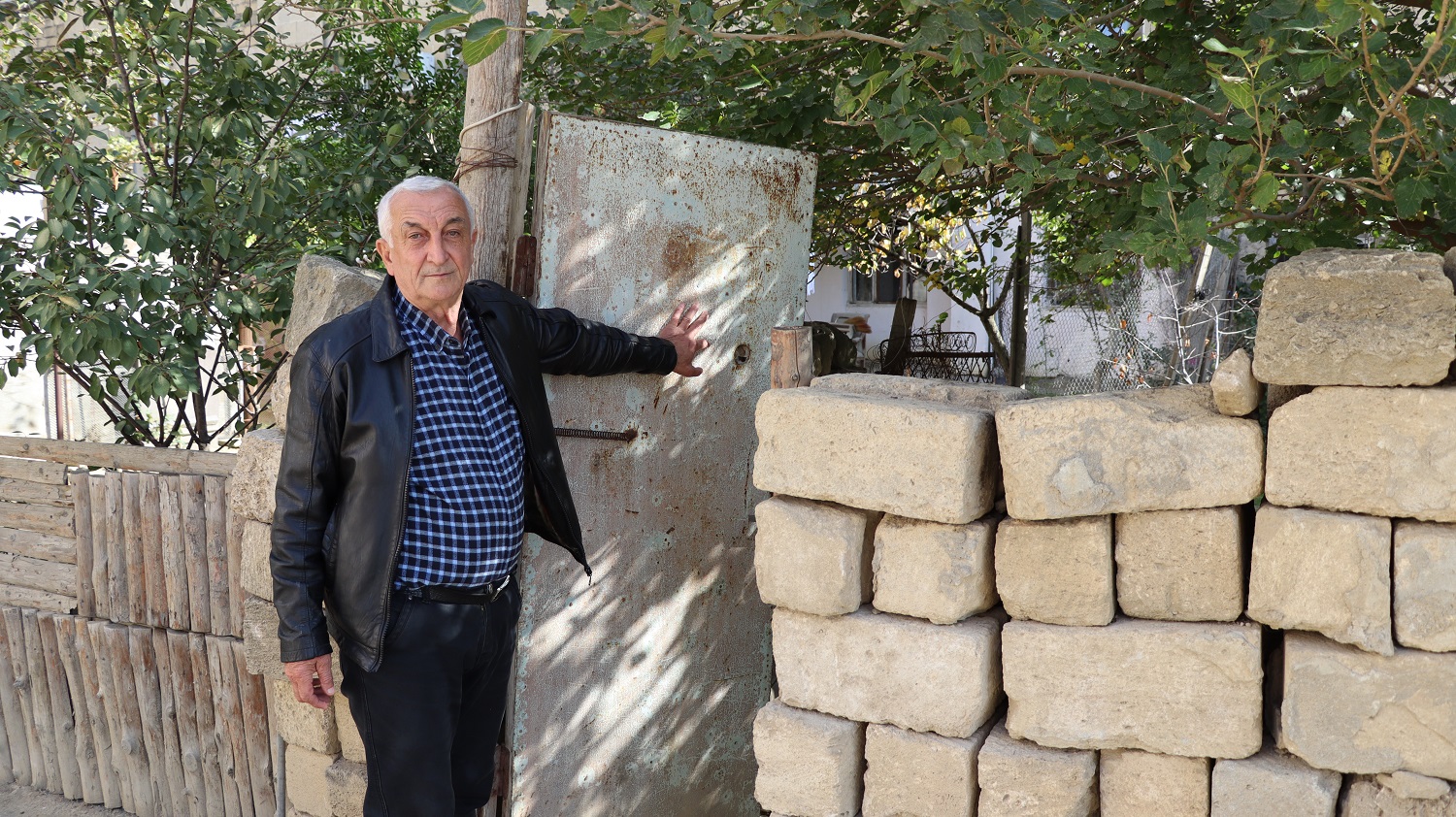
Nor can he imagine when life in Karabakh will be fully restored, when travel to these areas on special permits will cease, what employment opportunities will be available there. It seems to him that the answers to all these questions are in the distant future. That’s why he is persistently building his future in the city where he lives now – Baku.
“Probably not all Karabakhis will go back. After all, we have taken root in other cities and other homes. 30 years is a long time. It is very difficult for some people to start from scratch, to change their place of residence again, and for a person like me, who has lived in another city since childhood, it is simply impossible.”
If Putin’s Regime falls:
The world will be a better place.
Russia is a terrorist state. pic.twitter.com/xtoK627cQn
— Jason Jay Smart (@officejjsmart) December 25, 2023
#Hamas and the allied Islamic Jihad have rejected an Egyptian proposal that they relinquish power in the #Gaza Strip in return for a permanent ceasefire, Reuters reports, citing two Egyptian security sources.https://t.co/a0HKIFxbyS
— Al Arabiya English (@AlArabiya_Eng) December 25, 2023
Russian nuclear-capable ballistic missile X-47M2 Kinzhal has at least 78 foreign components, of which the majority are electronic parts made by US companies such as Analog Devices, Texas Instruments, Xilinx, Micron, Maxim, Nelson, Vishay
Source: https://t.co/spYGxY6bE4 pic.twitter.com/BpxZ7Zkg9U— Igor Sushko (@igorsushko) December 25, 2023
היום עם הלוחמים הגיבורים שלנו בשטח הלחימה ברצועת עזה.
אמרתי להם שני דברים:
דבר ראשון – אנחנו נעשה הכל כדי לשמור על הביטחון שלכם, על החיים שלכם.
דבר שני – אנחנו לא מפסיקים ולא נפסיק להילחם. המלחמה נמשכת עד הסוף. עד שגומרים את החמאס, לא פחות מזה.
עם ישראל גאה בלוחמיו… pic.twitter.com/2xL6AODVXo
— Benjamin Netanyahu – בנימין נתניהו (@netanyahu) December 25, 2023
From our family to yours:
Merry Christmas, America. pic.twitter.com/vFAHuNq53e
— President Biden (@POTUS) December 25, 2023
Categories