US to Sell 500 Patriot Interceptors to Ukraine Israel Defense
Day: November 3, 2026

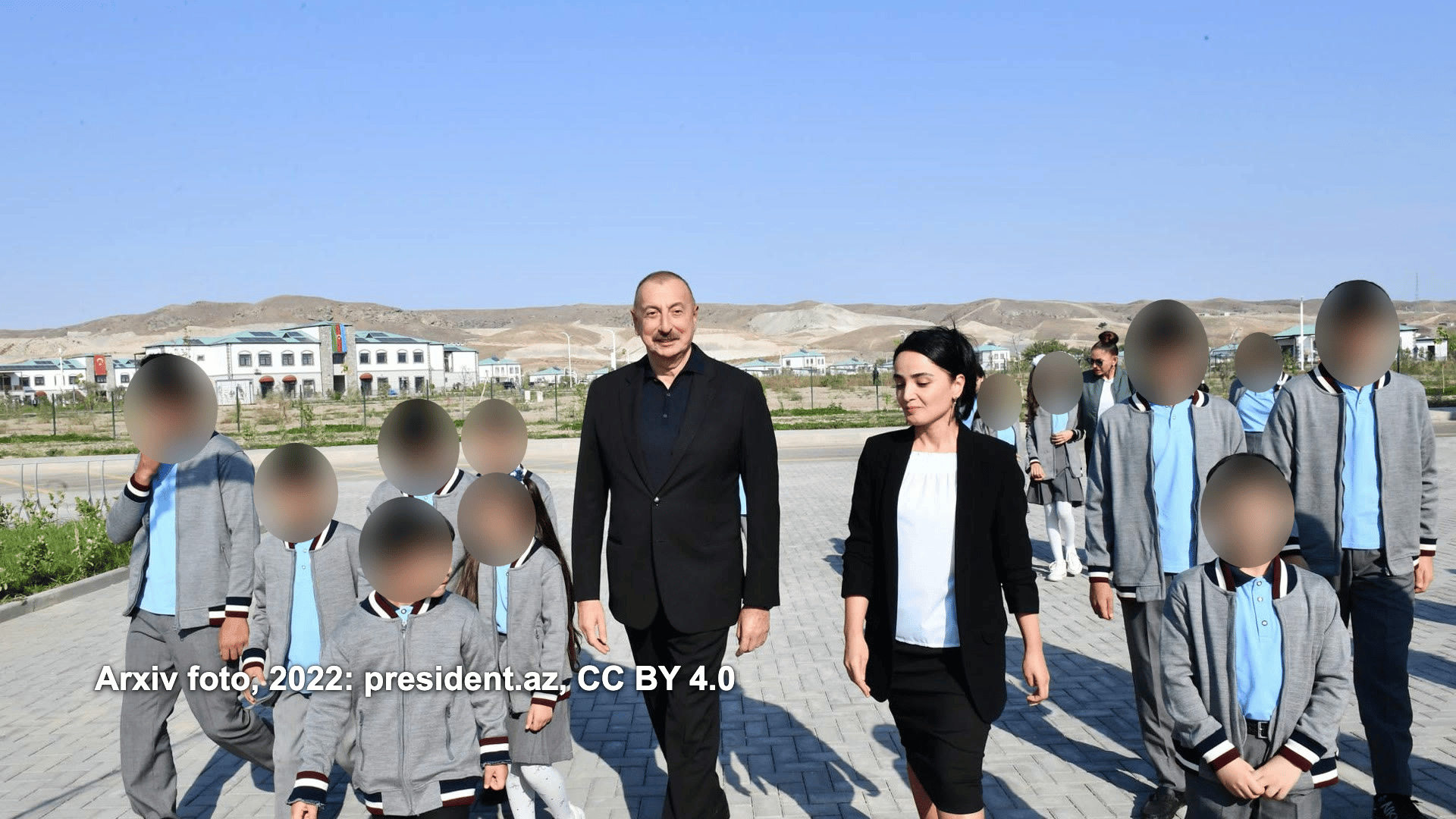
Return of Azerbaijanis to Karabakh
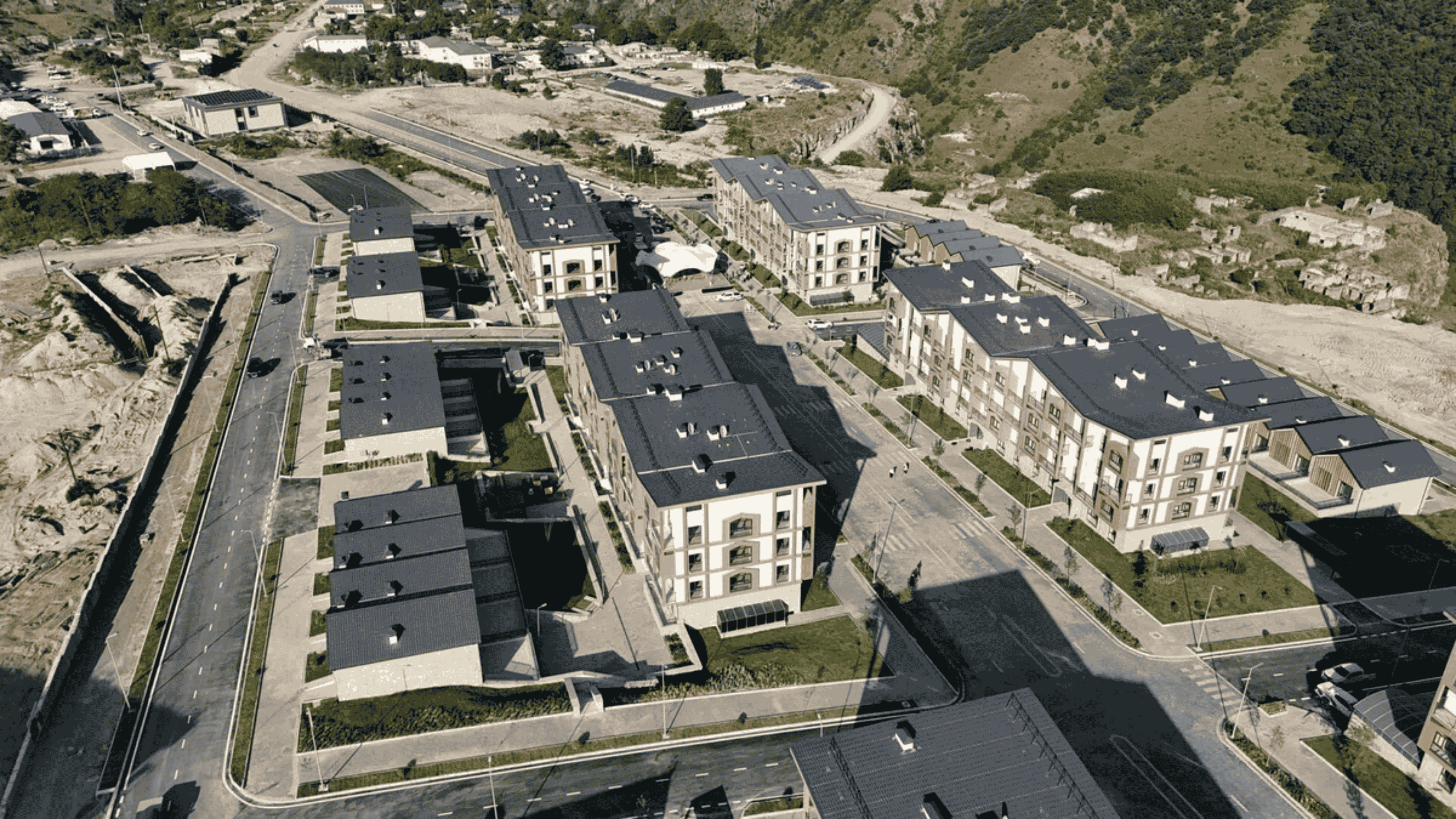
Azerbaijan will mark Victory Day on 8 November. The first state programme, known as the “Great Return”, is due to conclude at the end of this year. According to data from the State Statistical Committee, 40,520 former internally displaced persons (IDPs) had returned to Karabakh and East Zangezur as of 1 October.
However, under the programme, 140,000 people were expected to return by the end of 2026. With just three months remaining before the programme’s conclusion, only around 29% of the target had been met.
In 2025, JAMnews reported on the social problems associated with the return of displaced people. This time, we examine a different question:
Why has less than a third of the target been achieved as the first programme nears its end, and what could the second programme change?

What do the figures show?
| Indicator | Target | Latest figures |
|---|---|---|
| Number of former internally displaced persons (IDPs) who have returned | Around 140,000 people | 40,520 people (as of 1 October) |
| Number of settlements | 100 | 47 (as of September) |
| Area cleared of landmines | 280 000 hectares | Around 300,000 hectares (as of September) |
| Funding | More than 32bn manats (approx. $18.8bn) | More than 25bn manats (approx. $14.7bn) (2020–2026) |
Sources: Official government portal, State Statistical Committee, Prime Minister Ali Asadov and Azerbaijan National Agency for Mine Action (ANAMA).
The pace of returns is increasing. At the beginning of the year, the number of returnees stood at 26,014. This means that a further 14,506 people returned to the region over nine months. If the current pace continues, it will take another five years for the remaining roughly 100,000 people to return.
The frequently cited figure of 96,068 refers to the total number of people living, working and studying in the region. In January, President Ilham Aliyev said that “120,000, 130,000 or 140,000 people” could be living and working there by the end of the year. However, he also acknowledged that implementation of the programme could take longer than expected:
“I have told everyone, and I can tell the public now, that I have never set any deadlines.”
Nevertheless, the programme itself sets the end of 2026 as the deadline for achieving its target.
Razim Amiraslanli, deputy chairman of the opposition Musavat party, told Meydan TV that around 20 of the 47 settlements had been rebuilt, while the remainder were villages that came under Azerbaijani control in 2023.
That same year, around 100,000–120,000 ethnic Armenian residents of the region were forced to flee to Armenia. Yerevan describes the events as ethnic cleansing, while Baku maintains that Armenians can return if they accept Azerbaijani citizenship.

What has the money been spent on?
In September, Prime Minister Ali Asadov said that more than 25bn manats (approximately $14.7bn) had been allocated from the state budget for the reconstruction of the region since 2020.
This year’s budget earmarked 3.5bn manats (approximately $2.06bn) for reconstruction. According to Finance Ministry figures, 1.76bn manats (approximately $1.035bn) was spent over the first nine months of the year. Of this amount, 891.8m manats (approximately $524.6m) went towards infrastructure development, while a further 692.5m manats (approximately $407.35m) was allocated to projects in education, healthcare and culture.
Ilham Aliyev explained the distribution of funds, saying: “As infrastructure projects are implemented, more funds will naturally be allocated to housing construction.”
However, critics argue that the main problem is a lack of transparency. According to Meydan TV, annual progress reports on the programme’s implementation are not publicly available, while the website of the centre responsible for monitoring the programme does not publish its findings.
How serious an obstacle do landmines remain?
According to Azerbaijan’s Mine Action Agency (ANAMA), 979 landmines and 3,070 unexploded ordnance items were discovered in October alone. The agency had previously reported that 421 people had been injured or killed by landmines and other explosive devices between November 2020 and April 2026, including 72 fatalities. In September, ANAMA chairman Vugar Suleymanov said there had also been cases of previously cleared areas becoming contaminated with landmines again as a result of flooding.
Journalist Tapdig Farhadoglu told the Caucasian Knot news outlet that much of the territory could become habitable within 10–15 years, while the full restoration of mountainous areas could take 20–30 years.
Economist Natig Jafarli, meanwhile, considers the current pace of returns justified. Speaking to the same outlet, he expressed confidence in the official statistics and noted that a phased return of displaced people made it easier to ensure their safety. He argued that too much emphasis should not be placed on deadlines and numerical targets, saying that “these are not Soviet five-year plans”.
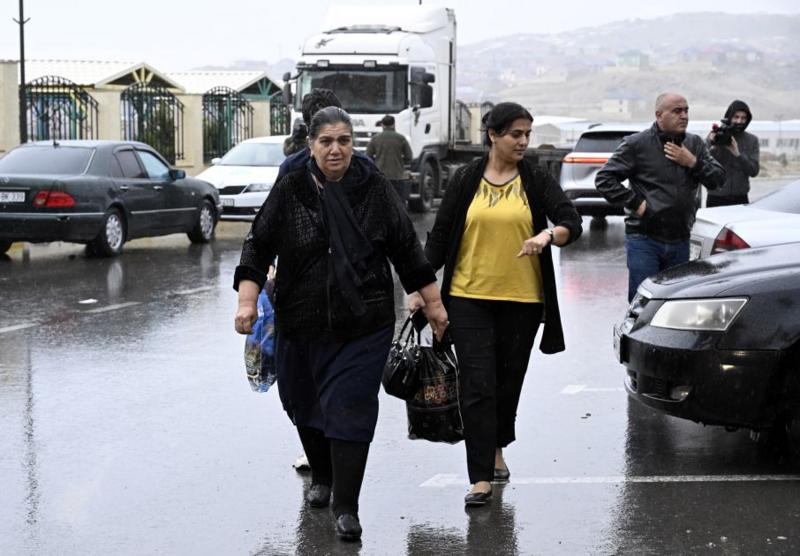
Housing is available, but what about jobs?
Analyst Togrul Juvarli told the Caucasian Knot news outlet that the 1,200-square-metre plots of land provided with houses were insufficient for viable farming. Meanwhile, large agricultural enterprises offer local residents low-paid jobs. Economist Natig Jafarli also pointed out that internally displaced persons had not received land plots during the agricultural reforms of the late 1990s. He believes they should now be granted private ownership of land.
Razim Amiraslanli, deputy chairman of the opposition Musavat party, described the situation in an interview with Meydan TV:
“If a village has housing but no jobs, opportunities to use land are limited, starting a business is difficult, and people have to leave again to find work in other cities, it is hard to call this a genuine Great Return.”
Aytaj Amirjanli, who relocated to the village of Vangli in Aghdara district, told Radio Liberty that she had been registered with the employment service for ten months. According to her, the village has neither a pharmacy nor public transport. She claimed that “most residents are already locking up their homes and leaving for Baku”.
Meanwhile, presidential aide Hikmet Hajiyev advised residents to submit complaints directly to government officials rather than record and circulate videos expressing their grievances.
On 30 October, MP Agil Abbas told parliament that around 10,000 people originally from Aghdam were not registered in the city and did not have internally displaced person status. Parliamentary Speaker Sahiba Gafarova objected, saying: “So much work has been done. Why are you trying to discredit it?”
What could the second programme change?
In September, Prime Minister Ali Asadov said that the draft of the second programme had been submitted to the president. He also described the implementation of the first programme as successful. The targets of the new programme have yet to be made public. According to Finance Ministry projections, 13.2bn manats (approximately $7.765bn) is expected to be allocated to the region’s reconstruction between 2027 and 2030.
Under amendments approved in July, anyone who refuses housing offered by the state loses their status as an internally displaced person. Human rights defenders argue that this violates the principle of voluntary return, while pro-government media portray the changes as a restoration of property rights.
Razim Amiraslanli has called for a comprehensive audit of the first programme. He believes the new programme should focus not on the number of buildings constructed, but on the number of people who have found employment and families who have received land plots.
Новости в Азербайджане