
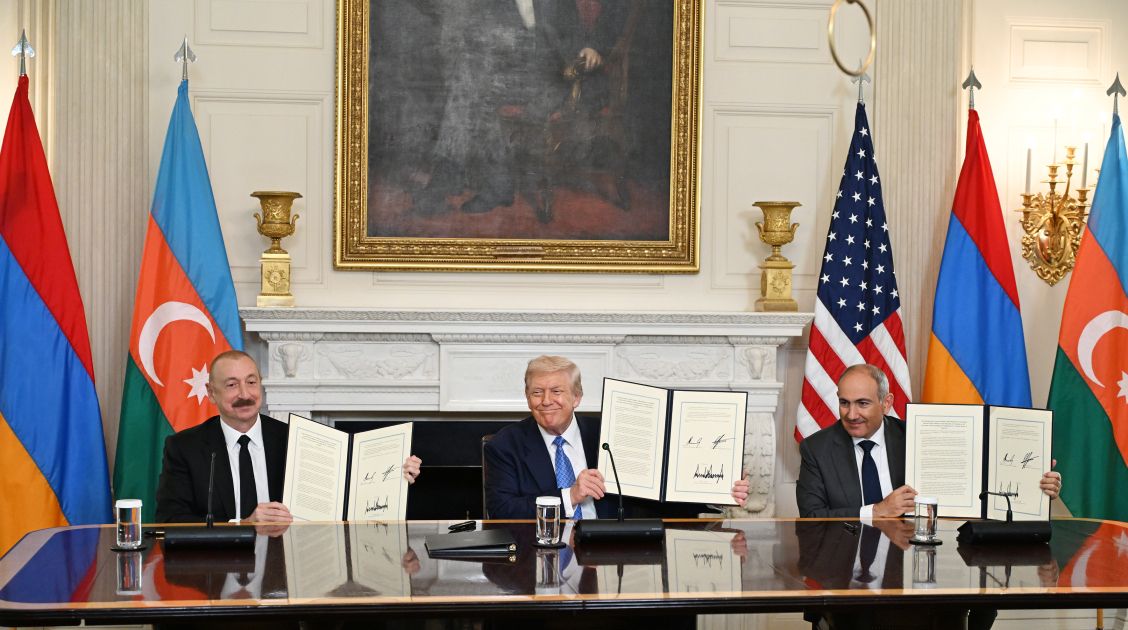
President of Azerbaijan Ilham Aliyev has shared a post on X highlighting US President Donald Trump’s role in advancing peace between Azerbaijan and Armenia and expressing hope that his efforts will be recognised in this year’s Nobel Peace Prize decision.
Day: October 9, 2026

This week, Baku is hosting the 4th International Conference on “Strengthening Trust and Developing Effective Mechanisms and Solutions for Addressing the Issue of Missing Persons,” organized by Azerbaijan’s State Commission on Prisoners of War, Hostages and Missing Persons within the Baku Dialogue on Missing Persons. Former heads of state and government, representatives of international organizations, experts, diplomats and human rights specialists are among those attending.
This week, Baku is hosting the 4th International Conference on “Strengthening Trust and Developing Effective Mechanisms and Solutions for Addressing the Issue of Missing Persons,” organized by Azerbaijan’s State Commission on Prisoners of War, Hostages and Missing Persons within the Baku Dialogue on Missing Persons. Former heads of state and government, representatives of international organizations, experts, diplomats and human rights specialists are among those attending.
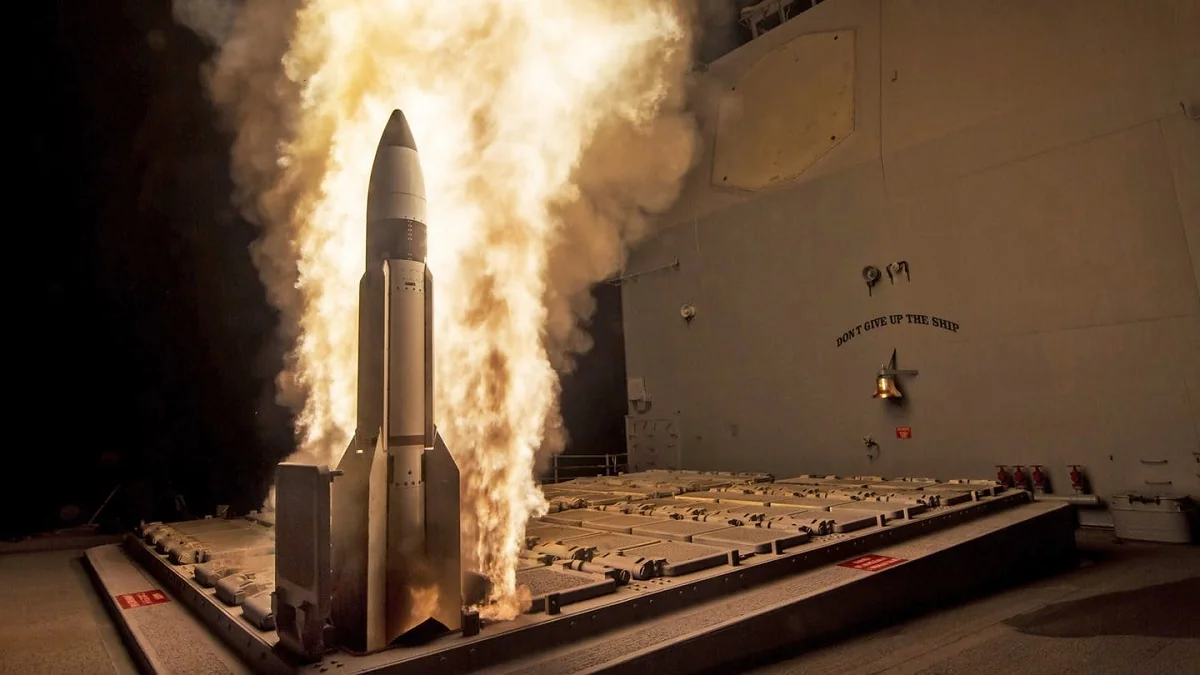
RTX’s Raytheon said on Thursday it won a multi-year US military contract worth up to $6.3 billion to produce and sustain Standard Missile-3 Block IB interceptors, as the Pentagon seeks to rebuild missile-defense inventories and boost munitions production, Report informs via Reuters.
The award comes as the Pentagon looks to replenish stockpiles depleted by conflicts in the Middle East and meet growing demand for air and missile defense systems.
The Standard Missile-3 Block IB is a ballistic missile-defense interceptor used by the US Navy against short- and intermediate-range ballistic missile threats.
The deal follows a series of large Pentagon missile contracts. In October, Raytheon secured a contract worth up to $24.4 billion to produce Standard Missile-6 interceptors for the US Navy, while Lockheed Martin won a $58.6 billion Patriot missile contract in July.
The agreements are part of the Trump administration’s push to expand US weapons production by encouraging contractors to increase manufacturing capacity. Industry executives, however, have warned that a lack of congressional funding could delay investment in facilities and supply chains.
Raytheon said it has invested in expanding production capacity for the Standard Missile family. Work under the contract will be performed primarily at its facilities in Tucson, Arizona, and Huntsville, Alabama.

From 2010 through 2025, the number of emergency care hospitals in the United States fell by 216, while the number of hospital beds declined by approximately 24,400.
According to Report, the findings were published in a study by Harvard University researchers in the scientific journal JAMA.
The researchers analyzed data from 4,962 hospitals. During the period under review, 432 medical facilities (8.7%) were closed, while 216 new facilities (4.4%) were opened. As a result, the total number of hospitals decreased by 4.7% compared with 2010.
At the same time, the number of hospital beds fell by 24,399, or 3.3%.
The study also found that the annual number of hospital closures increased by an average of 4%, while the number of new hospital openings declined by 3% over the same period.
In addition, the ratio of hospital closures to openings was found to be roughly the same in both urban and rural areas.