The “Christian” Putin is allied with the Taliban. His propagandists and useful idiots have characterized him as the savior of a decadent and declining West, writes @BHL
on.wsj.com/4eRjqCO
on.wsj.com/4eRjqCO
 The South Caucasus News - SouthCaucasusNews.com
Every refinery column turned into orange smoke means less diesel for their logistics trains, less jet fuel for the glide-bombers that murder civilians, less revenue to pay fresh meat for the next meat wave. The Kremlin can scream about red lines until their vocal cords snap; the math doesn’t care. Their rear is burning on a schedule now set in Kyiv, not Moscow.
This is exactly why the defeatist chorus keeps chanting “negotiate” while conveniently forgetting that Putin cannot demobilize. Stop the war and a million armed, pissed-off conscripts come home asking why their friends died for another ruined village that cost them more lives than it had residents. The regime survives on permanent war. Any “peace” that leaves their army intact is just rearmament time. The only off-ramp is total military collapse. Everything else is theater for useful idiots.
Ukraine isn’t asking for favors. We’re doing the West’s dirty work at a fraction of the price Europe would pay if Russian tanks rolled further west. Every drone strike on a lubricant plant in Omsk is money not spent later on NATO Article 5 defense. Every sunken ferry in the Black Sea is one less vector for North Korean shells. This is not charity. This is the cheapest continental insurance policy ever written, and we’re the ones paying in blood while Berlin and Paris still debate whether it’s impolite to hit back.
The long-range game is accelerating. By end of 2026 those strike ranges and frequencies will be two to five times what they are now. Operational-level Russian logistics will be scorched earth. Crimea will be isolated by fire. Meanwhile Moscow’s only remaining card is terror against civilians and screaming nuclear blackmail that nobody with functioning neurons believes anymore. Tactical nukes solve nothing for them. The front doesn’t move, the Ukrainian army doesn’t evaporate, and China-India would watch Moscow turn itself into a global pariah overnight. Even their own generals know this. Deterrent, not dumbstick.
So spare me the lectures about “escalation.” The escalation happened in 2014 and was met with sanctions theater and cheap talk. Real escalation is what Ukraine is doing right now with its own growing production and partners’ increasingly serious weapons. The Kremlin understands only one language: lost refineries, lost tonnage, lost airfields, lost future. Everything else is just noise.
We don’t need another Minsk circus. We need Patriots, Tomahawks, Gripens, FREYA-scale air defense investment, and the political spine to let Ukraine finish the job. Because if we don’t, the next country in line gets to learn these lessons the hard way, except next time the bill will be paid in Western capitals, not just Ukrainian ones.
The orcs are running out of both ideas and infrastructure. Keep the strikes coming. The math is brutal, and it’s on our side.
According to the General Staff, Ukrainian forces hit the Lukoil-Nizhegorodnefteorgsintez oil refinery in the city of Kstovo in Russia’s Nizhny Novgorod Oblast as part of efforts to “reduce Russia’s military and economic potential.”
Video: Exilenova Plus+/Telegram.
Video
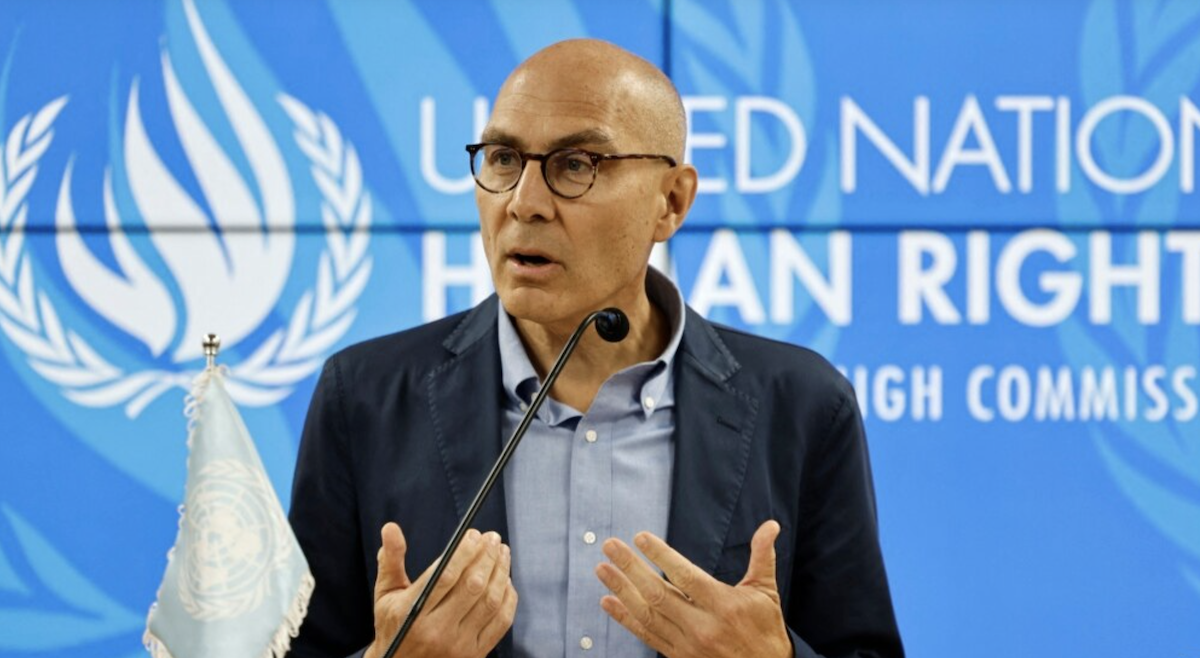
A report on Georgia by the UN High Commissioner for Human Rights, Volker Türk, has been presented at a session of the UN Human Rights Council in Geneva. The report focuses on recent legislative and political developments in the country, which the UN says raise serious human rights concerns.
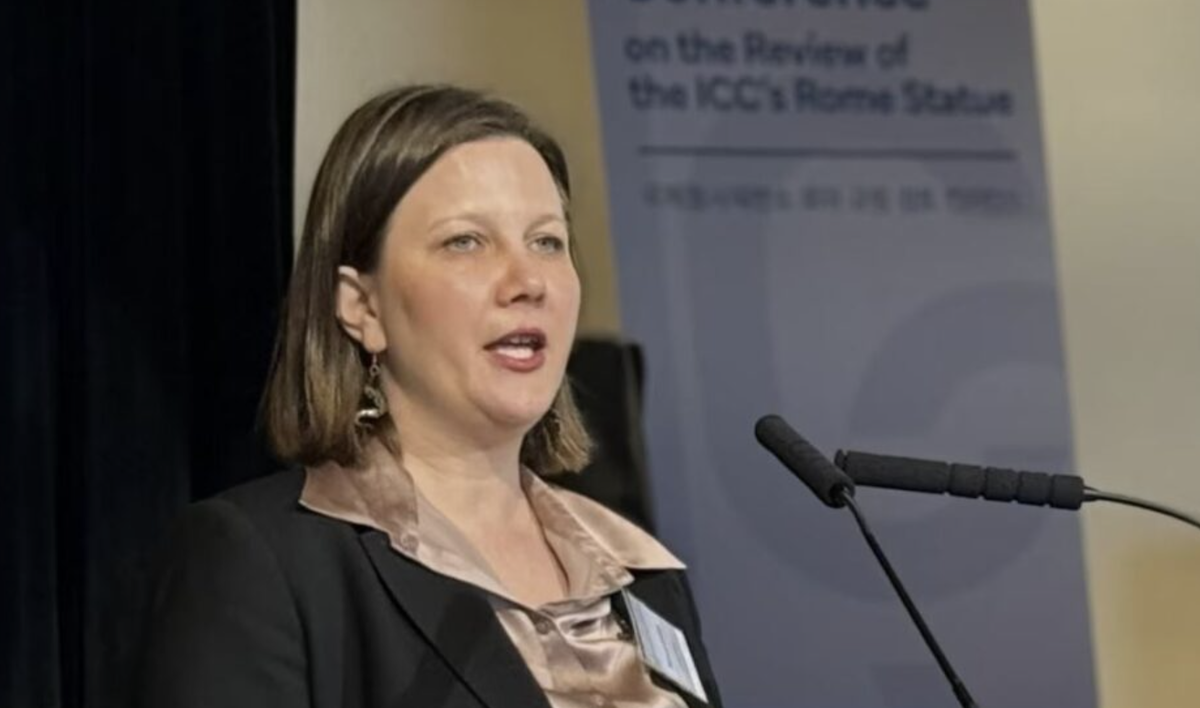
Maarit Kohonen-Sheriff, Director of the Global Operations Division at the Office of the UN High Commissioner for Human Rights (OHCHR), presented the report on cooperation with Georgia.
Kohonen-Sheriff said the OHCHR was concerned about legislation adopted in Georgia in 2025, arguing that the changes restrict civic space and threaten the right to peaceful assembly.
She said the UN office continues to receive reports of human rights violations during protests. These include arbitrary arrests, ill-treatment and the disproportionate use of force against demonstrators and journalists.
“The Office of the UN High Commissioner for Human Rights has noted legislative and political developments in Georgia that raise serious human rights concerns. The adoption of legislation in 2025 has continued to restrict civic space and undermine the right to peaceful assembly,” Maarit Kohonen-Sheriff said.
The OHCHR called on the Georgian authorities to investigate all allegations of human rights violations promptly, independently and thoroughly.
The UN representative also said the office was closely monitoring steps taken by the authorities, including the arrest in May 2025 of five serving and former law enforcement officers over alleged violence during the 2024 protests. However, she stressed that effective and independent investigations into such cases remain essential.
Volker Türk’s report recommends that the Georgian government address what it describes as serious allegations of human rights violations and review a series of recently adopted laws.
According to the report, the authorities should reconsider the 2025 amendments to the Law on Broadcasting, the Criminal Code, the Law on Grants, the Law on Assemblies and Demonstrations and the Code of Administrative Offences to bring them fully into line with international human rights standards.
The UN office also says that any legislative process should be transparent and include meaningful public participation.
The OHCHR has called on the Georgian government to restore an enabling environment for civil society.
The report says any restrictions on foreign funding for non-governmental organisations and broadcasters should comply with the principles of necessity and proportionality and remain consistent with Georgia’s international human rights obligations.
The UN also recommends that the authorities strengthen efforts to combat gender discrimination and violence against women, while promoting greater gender equality in political representation.
A separate chapter of the report focuses on the human rights situation in Abkhazia and the Tskhinvali region.
The OHCHR notes that international and regional human rights mechanisms still have no access to the occupied territories. It calls on all relevant parties to grant them immediate and unhindered access.
The Office of the UN High Commissioner for Human Rights also calls for restrictions on movement across the administrative boundary lines to be lifted and for all crossing points to reopen. It urges the authorities to respond effectively to human rights violations, particularly those affecting ethnic Georgians and internally displaced people, ensure international organisations can operate freely, investigate all alleged violations of the right to life, torture and ill-treatment, and hold those responsible to account.
UN report on Georgia
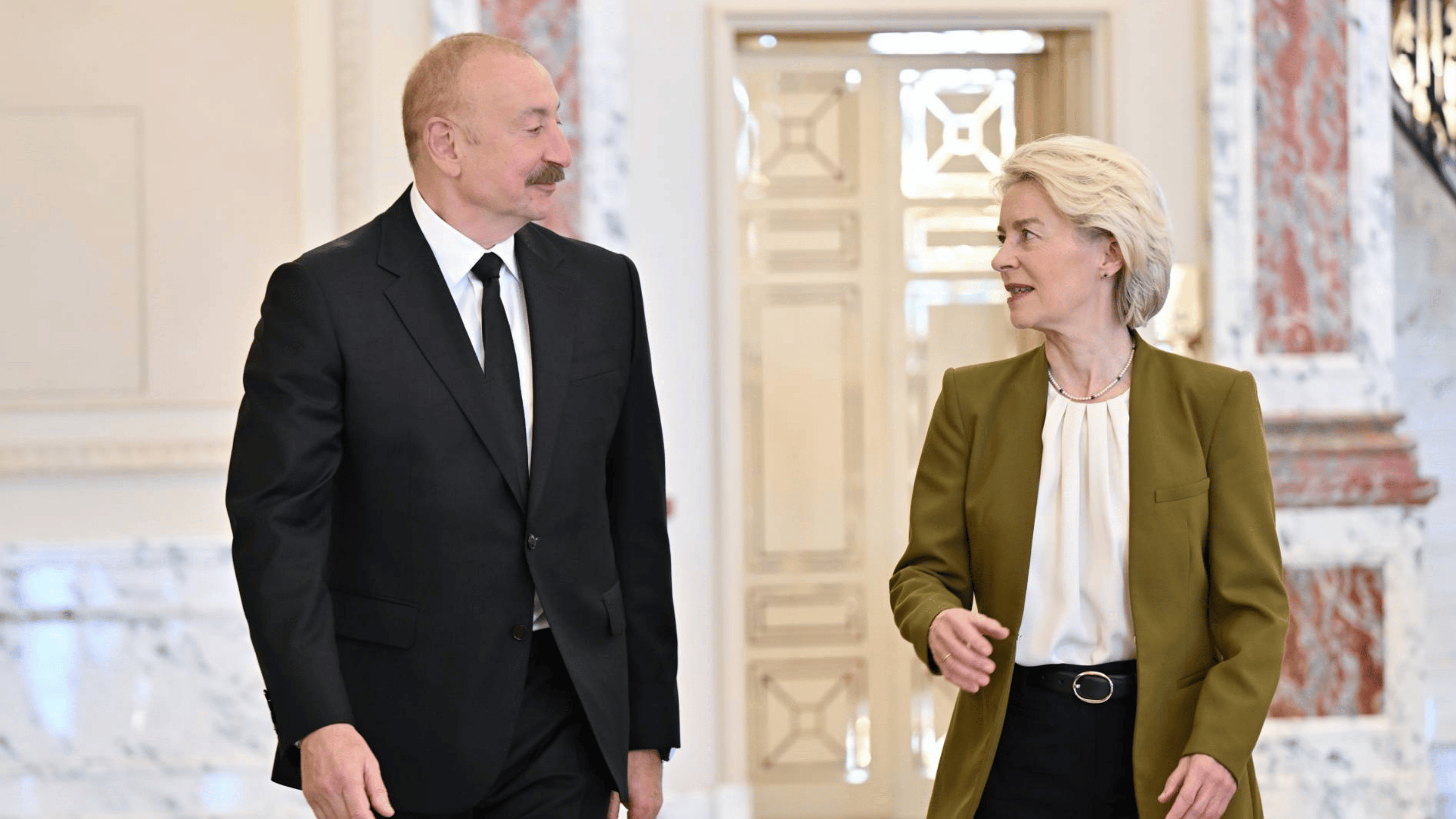
Ursula von der Leyen’s visit to Azerbaijan
European Commission President Ursula von der Leyen has visited Baku for a working visit. Analysts say the trip could help advance the South Caucasus peace process, diversify Europe’s energy supplies and strengthen economic ties.
The visit is von der Leyen’s first to Baku since 2022. It also forms part of her South Caucasus tour with EU Commissioner for Enlargement Marta Kos, who will continue to Armenia on 2 July.
The visit has also revived debate over the potential to deepen the EU’s strategic partnership with Azerbaijan and how to balance human rights concerns with economic interests.
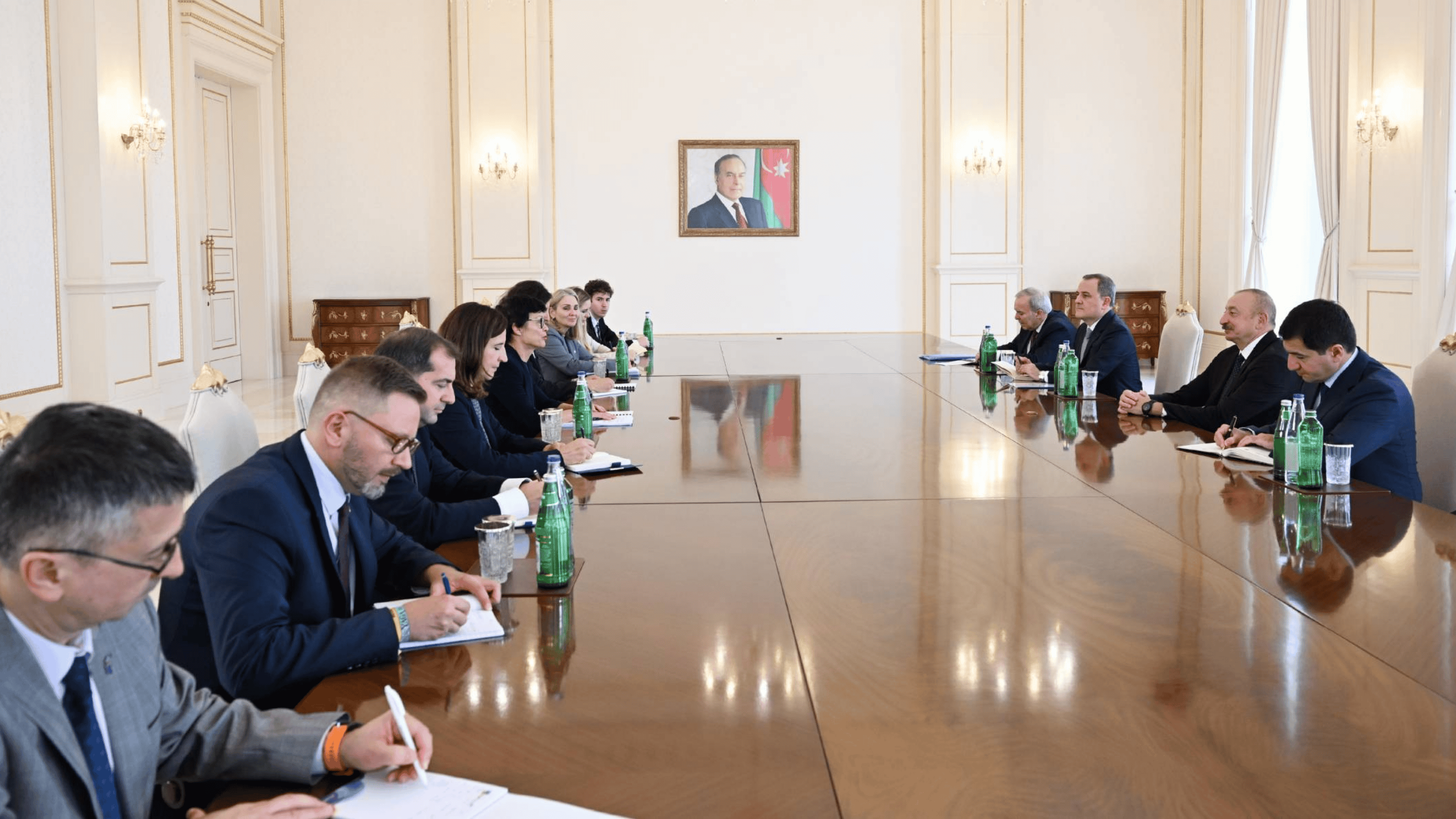
The meeting took place in an expanded format. The two sides focused on bilateral trade and economic cooperation, energy supplies, transport, digital and energy connectivity, renewable energy and regional security. They noted that the European Union remains Azerbaijan’s largest trading partner, accounting for more than 40% of the country’s foreign trade. Azerbaijan, in turn, is the EU’s leading partner in the South Caucasus.
On energy, the sides highlighted the importance of the Southern Gas Corridor and the 2022 Memorandum of Understanding on a Strategic Partnership in the Field of Energy. They said Azerbaijani gas exports to the EU had increased by 65%. Discussions on connectivity covered transport, digital and energy infrastructure. Azerbaijan also outlined plans to develop 8GW of solar and wind power capacity over the next five to six years. The sides discussed the Green Energy Corridor project, offshore wind development in the Caspian Sea and a planned electricity cable to Armenia.
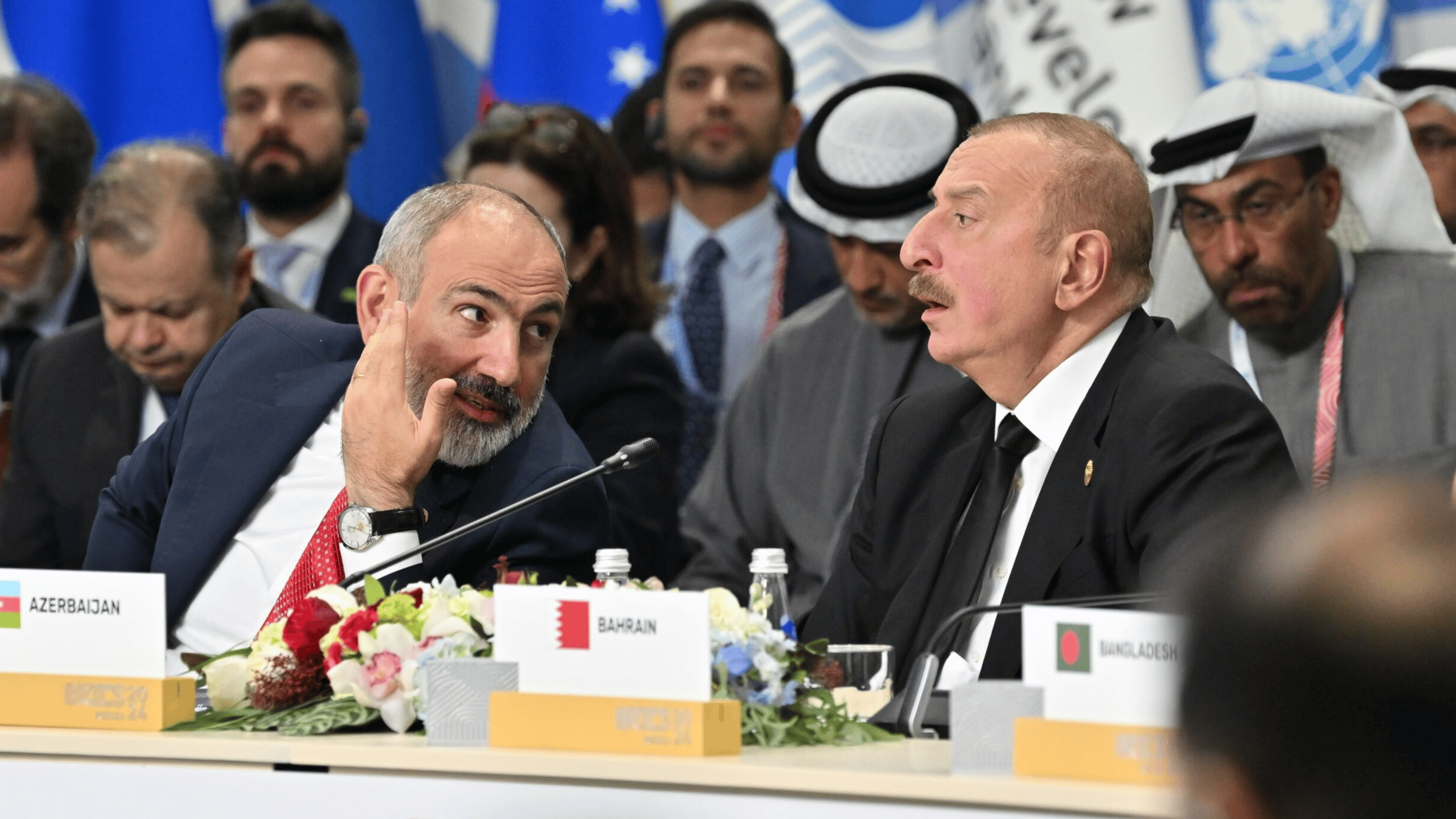
Regional security and the normalisation of relations between Azerbaijan and Armenia were among the key topics. The sides highlighted several practical steps, including the joint declaration signed in Washington in August 2025, the initialled peace agreement, Azerbaijan’s lifting of transit restrictions and fuel supplies to Armenia.
Ursula von der Leyen said Azerbaijan had provided significant support to Europe when Russia used energy as a tool of political pressure. She said the EU had not forgotten that support and described the Southern Gas Corridor as one of the bloc’s key energy security success stories. Von der Leyen thanked Azerbaijan for its role.
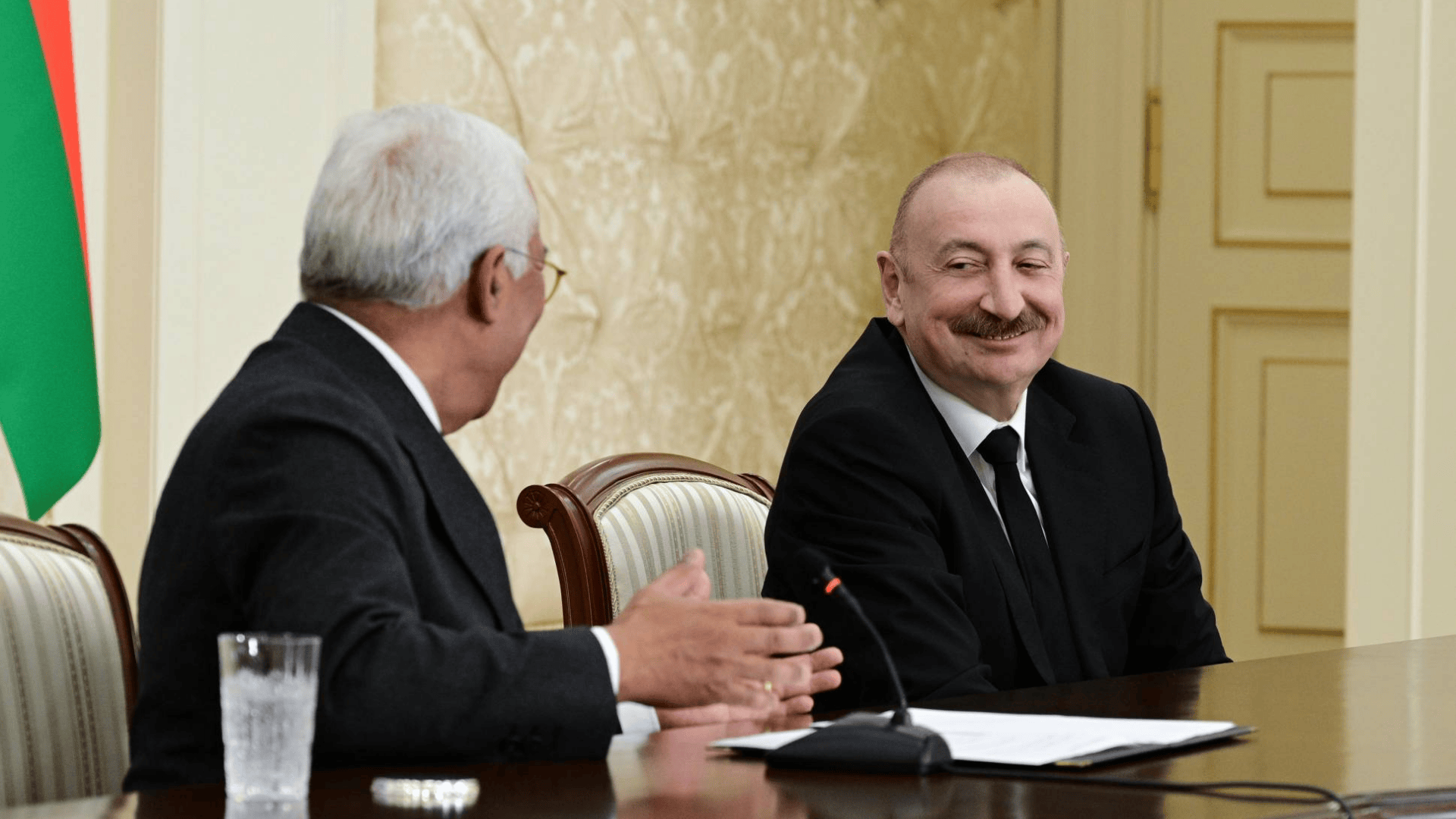
She also congratulated President Ilham Aliyev, saying he had shown “personal leadership” in advancing peace and cooperation in the region. She stressed the need to turn the peace agreements “from a document into reality” by strengthening regional connectivity.
Aliyev, for his part, said relations with the EU had entered “an unprecedented phase of dynamism and activity”. He highlighted cooperation in trade, energy, connectivity and renewable energy. He also pointed to recent progress in the peace process, saying that “peace has already become a tangible reality de facto”.
Von der Leyen proposed establishing an EU-Azerbaijan Connectivity Partnership, launching a High-Level Connectivity Dialogue and holding a Regional Connectivity Investment Conference in Baku.
Under the EU’s Global Gateway initiative for the South Caucasus, she announced a €200m grant package that could help mobilise up to €2bn in investment. The projects include a railway link to Nakhchivan and the expansion of the Port of Baku. She also unveiled a new €20m programme to support peacebuilding. It will fund healthcare in border areas, mine clearance, agriculture, water management, precision farming and support for small and medium-sized businesses.
These initiatives could increase EU investment in the region, promote stability and strengthen Azerbaijan’s role as a regional transport and energy hub. Their success, however, will depend on political will and the depth of future cooperation.
The visit opens new economic opportunities while also testing the EU’s ability to balance its strategic interests with its commitment to democratic values and human rights.
Shabnam Zeynalova, a political analyst with the state-owned newspaper Khalg Gazeti, argues that Ursula von der Leyen’s visit to Baku reflects a strategic shift in the European Union’s approach to the South Caucasus. In her view, Brussels no longer sees the region primarily through the lens of conflict resolution and normative policy. Instead, it increasingly regards the South Caucasus as a strategic platform linking Eurasia through energy, transport and trade.
Zeynalova places this shift in a historical context. She writes that when the Russian Empire established control over the South Caucasus in the 19th century, the region became one of the main arenas of international geopolitical rivalry. At that time, the “Great Game” between Britain and Russia centred on access to India. Today, she argues, states compete through economic projects rather than military power, using railways, energy pipelines and transport corridors to expand their influence.
According to the analyst, the EU now sees the South Caucasus less as a potential conflict zone and more as a strategic hub in Eurasia’s changing economic landscape. She argues that Russia’s full-scale invasion of Ukraine made the Northern Corridor more risky. As a result, the route through the Caspian Sea, Azerbaijan, Georgia and Turkey has become one of Europe’s most viable alternatives. Zeynalova says Azerbaijan entered this period with much of the necessary infrastructure already in place, including the Baku-Tbilisi-Ceyhan oil pipeline, the Southern Gas Corridor, the Baku-Tbilisi-Kars railway and the Trans-Caspian International Transport Route.
She also identifies support for the normalisation of relations between Baku and Yerevan as another key objective of the visit. In her view, the EU believes regional stability is essential for the Middle Corridor to function effectively and attract investment. She argues that this approach reflects the historical experience of European integration, which links economic interdependence with a lower risk of conflict.
Zeynalova concludes that von der Leyen’s visit to Baku was no coincidence. She argues that it reflects a recurring historical pattern: whenever Eurasia’s transport routes are reshaped, the South Caucasus returns to the centre of great-power politics. Geography, she writes, continues to shape strategic interests, even as the tools used to pursue them evolve.
Days before the visit, imprisoned journalists and activists sent an open letter to Ursula von der Leyen. Among the signatories were seven journalists convicted in the Abzas Media case: Ulvi Hasanli, Sevinc Vagifgizi, Hafiz Babali, Nargiz Absalamova, Elnara Gasimova, Mahammad Kekalov and Farid Mehralizada. Authorities arrested them in November 2023 and later sentenced them to lengthy prison terms on smuggling charges.
In the letter, they urged von der Leyen to raise human rights concerns not only behind closed doors but also publicly. They called on her to demand the release of political prisoners, press Azerbaijan to fulfil its international human rights obligations and “not sacrifice values for economic interests”.
The signatories said the authorities were “systematically silencing critical voices” and criticised what they described as Europe’s silence over the wave of arrests. Other imprisoned activists and political exiles issued similar appeals.
The letter highlights the tension between the EU’s values-based foreign policy and its practical cooperation with Azerbaijan. It also reinforces calls to ensure that the visit’s energy and economic agenda does not overshadow human rights concerns.
Ursula von der Leyen’s visit to Azerbaijan