Day: July 2, 2026
Summary
The Middle East remains a flashpoint as military escalations, strategic warnings, and geopolitical tensions accelerate. Russia’s intensified strikes on Ukraine coincide with Ukraine’s deep strikes into Russian territory, signaling a dangerous new phase in the war. Meanwhile, Iran’s threats over the Strait of Hormuz and Hezbollah’s ongoing clashes with Israel underscore regional volatility. Commemorations of 1,000 days since the October 7 attack reveal deep societal fractures, while proxy conflicts and shifting alliances further destabilize the region.
Key Stories
Russia escalates Ukraine war with deadly strikes amid global militarization — Russia launched its largest missile and drone assault on Kyiv in months, killing at least 21 and injuring dozens, while Ukraine systematically targets Russian oil refineries and military infrastructure. Lithuania’s lifting of its nuclear weapons ban and Japan’s reaffirmed support for Ukraine suggest growing regional militarization and divided global responses.
Iran issues forceful warnings over Strait of Hormuz amid oil market tensions — Iran’s military command warned oil tankers to use approved routes through the Strait of Hormuz or face a forceful response, escalating tensions over the critical waterway. The threat coincides with debates over whether the oil shortage has turned into a glut, as Hormuz’s reopening reshapes global energy dynamics.
Israel and Hezbollah clash as 1,000 days since October 7 attack marked — Israel eliminated Hezbollah terrorists and located underground weapons caches in southern Lebanon, while both Israelis and Palestinians marked 1,000 days since the October 7 attack. Memorial gatherings in Israel included dissent over government policies, reflecting deep societal divisions and the conflict’s prolonged toll.
Regional powers escalate rhetoric and proxy conflicts — Turkish President Erdoğan labeled Zionism a genocidal ideology, while Iran’s parliament speaker vowed to avenge Khamenei’s death by liberating Jerusalem. Bahraini and Iranian officials exchanged sharp rebukes, highlighting the broader struggle for influence and the risks of miscalculation in an increasingly polarized Middle East.
Israel expands humanitarian and diplomatic engagements — Israel dispatched a humanitarian team to Venezuela following an earthquake, while appointing its first special envoy to the Christian world. These moves contrast with regional tensions, as Israel also continues military operations against Hamas in Gaza, eliminating key commanders and dismantling infrastructure.
#CivilNet #ՍիվիլՆեթ
– Follow us on Instagram: https://www.instagram.com/civilnet.am/
– Follow us on X: https://twitter.com/CivilNetTV
– Follow us on Telegram: https://t.me/s/civilnetv
– Follow us on TikTok: https://www.tiktok.com/@civilnet.am
– Find us on Facebook: https://www.facebook.com/CivilNet.TV
– Follow us on Bluesky: https://bsky.app/profile/civilnet.bsky.social
– Check our website: https://www.civilnet.am/
© Նյութի հեղինակային իրավունքները պատկանում են Սիվիլիթաս հիմնադրամին: ՍիվիլՆեթի խմբագրական քաղաքականության համաձայն` արգելվում է օգտագործել ՍիվիլՆեթի նյութերը առանց պատշաճ հղման, ներբեռնել և այլ օնլայն հարթակից վերբեռնել ՍիվիլՆեթի պատրաստած և տարբերանշանը կրող տեսանյութերը` առանց համապատասխան համաձայնության:
© Copyright of this report belongs to the Civilitas Foundation. In accordance with the editorial policy of CivilNet (the media project of the Civilitas Foundation), materials may not be reproduced, distributed, transmitted, displayed, published or broadcast without the prior consent of CivilNet. You may not alter or remove any trademark, copyright or other notice from copies of the content.
#AI Brief
rss.app/brief/posts/5e6cbd5a…
Russia launched a massive overnight attack on Kyiv and other Ukrainian cities, killing at least 17 people and injuring dozens more. Ukraine’s air defenses were overwhelmed by the sheer volume of missiles and drones, leaving civilians exposed. Meanwhile, global tensions simmer as nations scramble to adjust defense strategies and alliances.
Key Stories
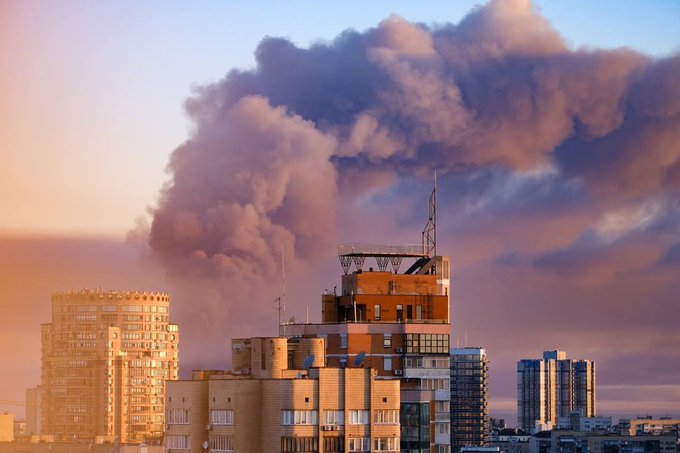
Russia’s brutal attack kills 17 in Kyiv, injures 90 — A devastating Russian missile and drone strike on Kyiv left at least 17 dead and around 90 injured, with rescue efforts still underway. President Zelensky called it a “brutal attack” and vowed retaliation while urgently appealing for more air defense support from allies.
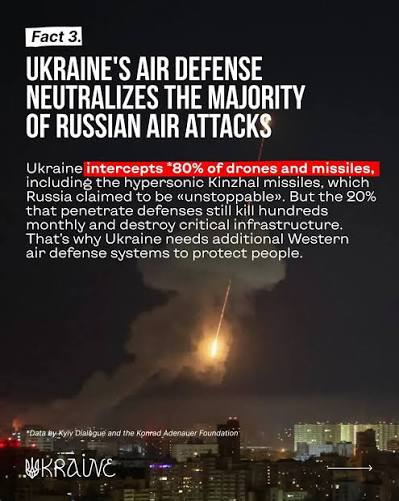
Ukraine’s air defenses overwhelmed by Russian saturation tactics — Russia fired nearly 500 drones and over 70 missiles in a single wave, using a “saturation” strategy to exhaust Ukraine’s defenses. The sheer speed and volume of the attack, combined with critical supply shortages, left key cities vulnerable to strikes.
Poland activates jets as Ukraine war spills over borders — Poland scrambled fighter jets and activated air defense systems in response to Russia’s massive strikes on Ukraine. The move highlights growing regional tensions as neighboring countries brace for potential fallout from the escalating conflict.
Zelensky seeks license to produce Patriot missiles after attack — Following the deadly strikes, Ukraine’s president urgently requested a U.S. license to manufacture Patriot air defense missiles domestically. The plea underscores Kyiv’s struggle to secure enough defensive weapons to counter Russian aggression.
Azerbaijan bets big on AI to boost development — While war rages in Ukraine, Azerbaijan is pushing forward with ambitious plans to integrate artificial intelligence into its economy and infrastructure. The country’s new AI strategy aims to position it as a tech leader in the South Caucasus region.
–
The UN Human Rights Council in Geneva heard the High Commissioner’s report on Georgia on July 2, which, among others, called on Tbilisi to “review” amendments to a series of controversial laws adopted in 2025 and to conduct “prompt, independent and thorough investigations” into alleged human rights violations during the 2024-2025 protests.
Presenting the report at the 62nd session of the Human Rights Council, Maarit Kohonen Sheriff, Director of Department of Global Operations at the Office of the UN High Commissioner for Human Rights (OHCHR), stated that the document covers “key human rights developments” in Georgia, including the Russia-occupied Abkhazia and Tskhinvali/South Ossetia regions in 2025, as well as technical assistance provided by OHCHR’s Senior Human Rights Adviser and team in Georgia.
She said the OHCHR noted “a series of legislative, institutional and political developments in Georgia that gave rise to serious human rights concerns,” stressing that a trend of “adopting legislation restricting civic space and undermining the freedoms of association, expression and peaceful assembly” continued in 2025.
In particular, she cited the Foreign Agents Registration Act (FARA) and amendments to the Grants Law, the Law on Assembly and Manifestations, the Code of Administrative Offenses, and the Criminal Code.
She added that the OHCHR “remains concerned about allegations of human rights violations in the context of public protests, including arbitrary arrests, ill-treatment, and the unnecessary or disproportionate use of force against demonstrators, journalists and media workers.”
While noting that several law enforcement officers were arrested in May, 2026, over their alleged involvement in abuses committed during the late 2024 protests, Sheriff said, “OHCHR urges the authorities to conduct prompt, independent and thorough investigations into all such allegations, with a view to ensuring accountability and full respect for due process and fair trial guarantees.”
Addressing the situation in the occupied Abkhazia and Tskhinvali regions, Sheriff reiterated that OHCHR has still not been granted access despite repeated calls by the Human Rights Council since 2017. She renewed the appeal for “immediate and unimpeded access for all relevant human rights mechanisms, including our office.”
She also called on “all relevant actors” to reopen all crossing points along the administrative boundary lines, lift “undue movement restrictions,” and address “ongoing allegations of human rights violations, particularly those affecting ethnic Georgians in the Gali and Akhalgori districts.”
“We regret that most of the recommendations from OHCHR’s previous reports to this Council have not been implemented, and that the human rights situation covered this period has not improved. In fact, it has deteriorated,” Sheriff concluded.
Report in Detail
The report says concerns previously raised by OHCHR over legislation affecting civic space persisted throughout 2025, citing “the adoption of the Foreign Agents Registration Act and amendments to the Grants Law, the Law on Assemblies and Demonstrations, the Code of Administrative Offences and the Criminal Code.”
Regarding the FARA and the Grants Law, OHCHR said it is “concerned that many of the provisions introduced may be overly broad, create legal uncertainty and be open to arbitrary interpretation by relevant authorities.”
The report says that OHCHR has received “reports of intimidation, hostile rhetoric and threats against certain civil society actors and other voices critical of the Government and the ruling party, including by prominent members of the ruling party.”
The report also raises concerns over amendments to the Law on Broadcasting restricting broadcasters from receiving foreign funding, warning that “broad restrictions on non-commercial foreign funding risk significantly weakening and shrinking the media landscape of Georgia due to the lack of alternative sources of funding.”
OHCHR further criticizes protest-related legislative amendments that increased the maximum term of administrative detention to 60 days and made detention the sole penalty for certain non-violent administrative offenses, arguing that it’s concerning that “the application of such penalties may constitute an arbitrary deprivation of liberty in some circumstances.”
On accountability for alleged abuses during the 2024-2025 protests, the report notes that “no police officer has been charged, suspended or otherwise held accountable,” including in cases where officers could allegedly be identified because they were not wearing protective gear. It stresses that investigations must be “prompt, independent, impartial, thorough and effective and capable of leading to accountability.”
Commenting on the June 2025 decision to absorb the Special Investigation Service into the Prosecutor’s Office, OHCHR says the reform should not undermine “the effectiveness or the real or perceived independence of investigations into alleged human rights violations by the police, particularly in the context of policing assemblies and protests.”
The “reports of the firing of gas grenades and chemical agents by law enforcement officials” during November-December 2024 protests, the document argues, “remain a serious concern, given the reported injuries and claims of long-term health effects,” adding that “disclosure of the substances used is essential for proper medical treatment and transparency.”
OHCHR further warns that gender-related legislation adopted in 2025 “presents a risk to the achievements in the sphere of advancing gender equality and combating gender-based discrimination that Georgia has made in recent years and raises concerns of possible discrimination against transgender and non-binary persons.”
- Human Rights Situation in Abkhazia and Tskhinvali Region
The report says OHCHR sought updated information from the de facto authorities in Abkhazia and the Tskhinvali Region but received no response.
It notes that, except for the International Committee of the Red Cross, the UN and most international organizations remain unable to access the Tskhinvali Region, while access to Abkhazia remains limited for some UN development and humanitarian agencies.
According to OHCHR, allegations of human rights violations continued throughout the reporting period, particularly affecting ethnic Georgians in the Gali and Akhalgori districts.
Reported violations include “torture and ill-treatment; arbitrary detention; violations of housing, land and property and cultural rights; restrictions on education in the Georgian language; lack of access to livelihoods, healthcare and essential services; discrimination on ethnic grounds; restrictions on freedom of movement and the right to family life; and ongoing ‘borderization’ practices.”
The report says the absence of accountability, legal remedies, independent monitoring, and international access continues to “impede the protection of human rights,” adding that “alongside stalled political solutions and limited confidence-building measures, these factors also further exacerbated socioeconomic isolation among people in Abkhazia and South Ossetia.“
It also notes that no progress has been made in ensuring accountability for the deaths of David Basharuli, Giga Otkhozoria, Archil Tatunashvili, Irakli Kvaratskhelia, and Tamaz Ginturi.
Restrictions on freedom of movement remain among OHCHR’s “major concern,” with the report saying they continue to “deepen the isolation of communities and limit access to education, healthcare, pensions, markets and other essential services.”
Citing several data points released by the Georgian authorities, the report stated that 55 new “borderization” incidents were recorded along the occupation line with the Tskhinvali region and three along the line with Abkhazia during 2025.
Recommendations
- To the Georgian government
The report recommends that the Georgian authorities “introduce concrete measures to protect and promote the right to peaceful assembly and address the allegations of serious human rights violations outlined in the report of OHCHR covering the period from 1 June 2023 to 31 December 2024.”
It also urges the authorities to “conduct prompt, independent and thorough investigations of such allegations, ensure accountability and guarantee full due process, fair trial safeguards and the possibility of judicial review.”
The document further recommends that Georgia “review amendments” to the Law on Broadcasting, the Criminal Code, the Grants Law, the Law on Assemblies and Demonstrations, and the Code of Administrative Offences “to ensure that they are fully consistent with international human rights law,” while ensuring that “all legislative processes are conducted with full transparency and meaningful public participation.”
OHCHR also calls on the authorities to “intensify efforts to combat gender-based discrimination and violence and advance gender equality in political representation,” including by reviewing the gender-related legislative amendments adopted in 2025.
It further urges the government to “restore an enabling environment for civil society” by ensuring that restrictions on NGOs’ and broadcasters’ access to foreign funding are “strictly limited to what is necessary and proportionate” and comply with international human rights obligations.
- To the de facto authorities of the occupied territories
Calling the continued lack of access for international human rights mechanisms to Georgia’s occupied territories “regrettable,” the report reiterates its call for “immediate and unimpeded access for all relevant bodies, including OHCHR itself.”
The report also calls on the de facto authorities in Abkhazia and Tskhinvali to implement OHCHR’s previous recommendations, “lift undue movement restrictions and fully reopen all crossing points along the administrative boundary lines,” and address alleged human rights violations affecting ethnic Georgians.
It urges the de facto authorities to “advance confidence-building measures that are grounded in human rights, promote dialogue and enable civic space, and ensure that international organizations can operate freely without undue restrictions.”
It also calls on them to “investigate all allegations of violations of the right to life and of torture or ill-treatment, ensure accountability for perpetrators, and provide appropriate redress for victims.”
Among its other recommendations, OHCHR urges the de facto authorities to “end any arbitrary deprivation of liberty and address related concerns in full compliance with international human rights law,” and ensure “the equal enjoyment of economic, social and cultural rights and access to quality education for all without discrimination, including the right to receive instruction in one’s native language.”
Also Read: