
Gold and silver prices fell on the COMEX commodity exchange in New York.
Day: June 19, 2026
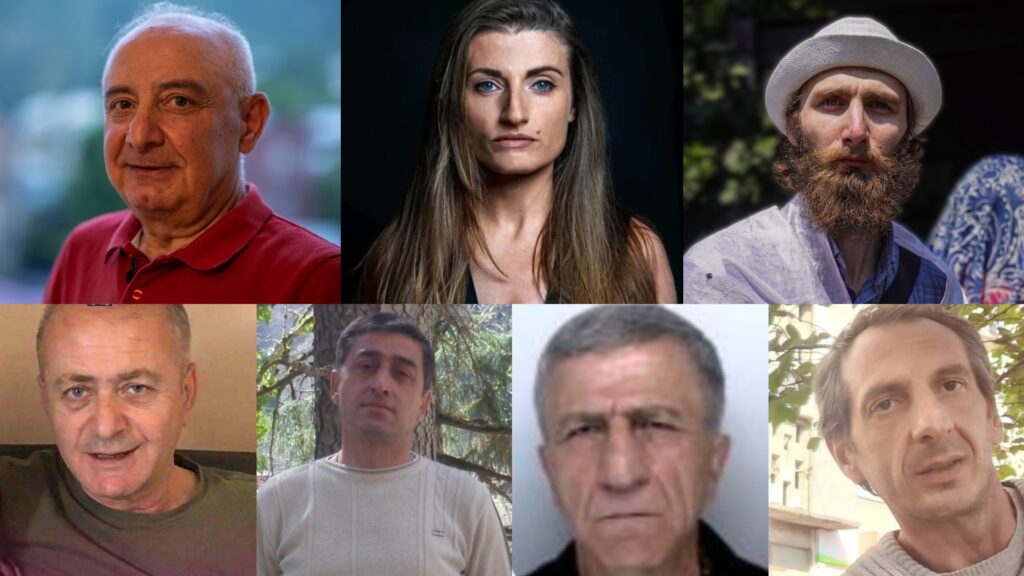
A court in Georgia has convicted and sentenced seven people to five years in prison in connection with the so-called “4 October case”.
Georgia held municipal elections on 4 October 2025. The vote coincided with a renewed escalation of the country’s political crisis.
Several opposition leaders organised a mass anti-government rally in central Tbilisi, declaring their intention to carry out a “peaceful revolution”. They urged demonstrators to march to the presidential palace and occupy it.
Several groups of protesters followed the call. They managed to enter the palace grounds, but police and special forces had already arrived at the scene. Officers dispersed the protest and detained both the organisers and participants involved in the attempted takeover.
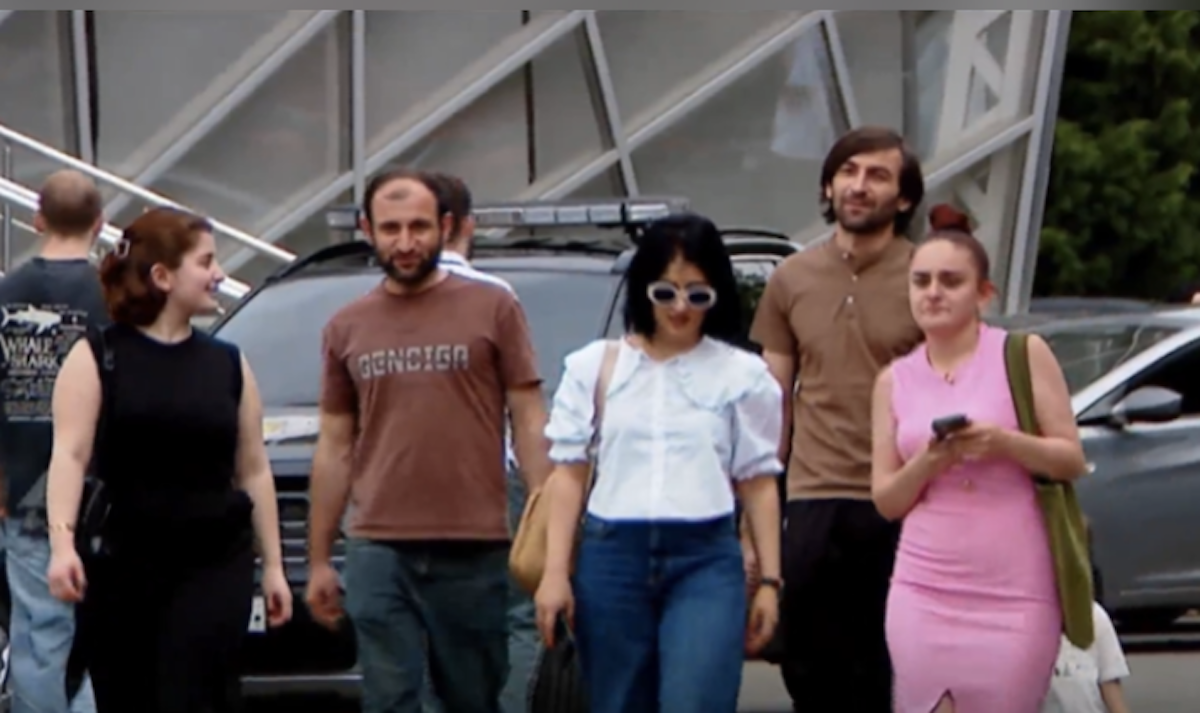
Details of those convicted
- Giorgi Chakhunashvili, a 72-year-old doctor, appears in footage from the scene providing assistance to injured people. However, at one of the hearings, the prosecutor argued that Chakhunashvili had also been present inside the grounds of the presidential palace.
- Zakro Albutashvili is a construction worker, military veteran and former footballer who suffers from cancer.
- David Zhghenti appears in footage showing him arriving at the protest carrying a balloon. The case file contains no video evidence that prosecutors could directly use against him.
- Kakhaber Mzhavanadze, a taxi driver, appears in footage included in the case materials standing outside the grounds of the presidential residence.
- David Sturua is the sole breadwinner for his family. In video footage, he approaches the palace fence, shakes it for a few seconds and then walks away.
- Konstantin Kokaia suffers from serious heart conditions and has partially lost his eyesight in prison. Footage broadcast by the Public Broadcaster shows him inside the residence grounds, moving along the fence for several seconds.
- Ia Darakhvelidze was initially released on bail because of epileptic seizures. The case file includes footage showing her arguing with another demonstrator. In another video, she throws an object towards riot police. She has since left Georgia and will be placed on a wanted list.
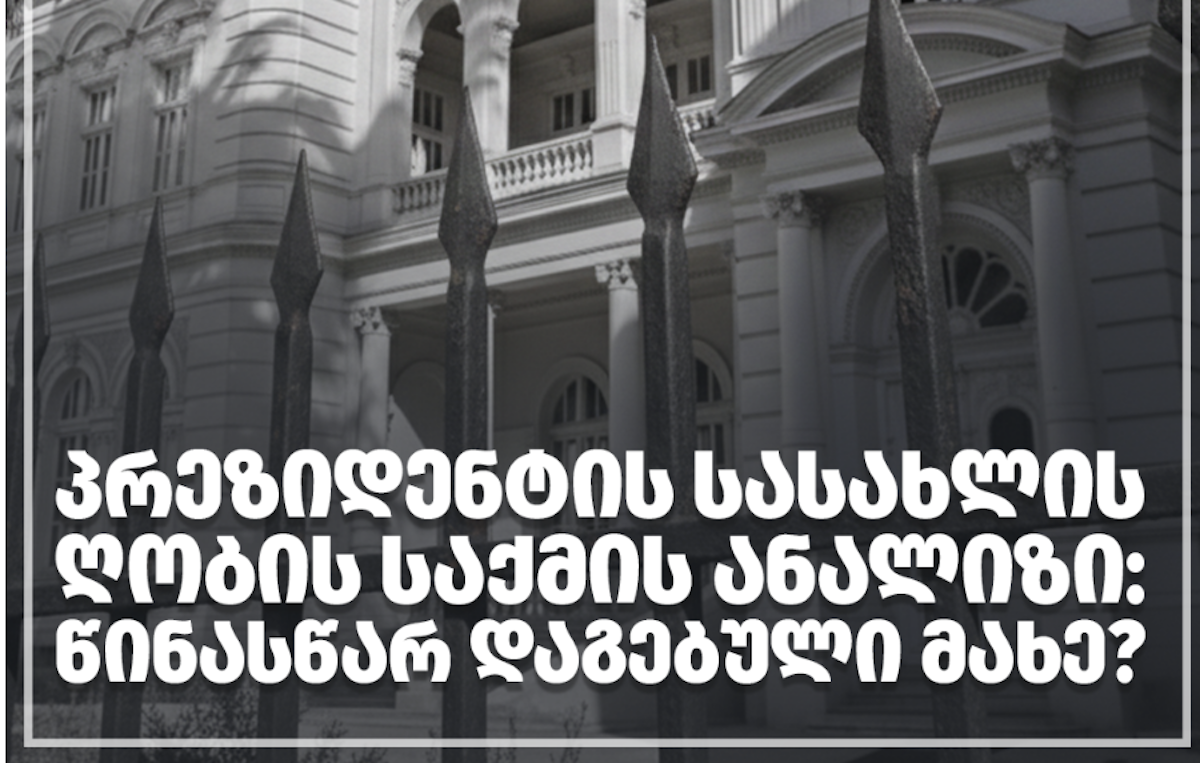
Giorgi Chakhunashvili, Konstantin Kokaia, Kakhaber Mzhavanadze, David Sturua and David Zhghenti faced charges of attempting the group seizure of a strategic or specially protected facility and participating in organised group violence.
Ia Darakhvelidze faced a charge of participating in organised group violence.
First reactions
Doctor Giorgi Chakhunashvili used his right to make a final statement in court and explained how he came to be inside the presidential residence grounds:
“When I arrived there, I was outside. But when I realised that my professional duty required me to be inside, I went in. I did my job. I remained inside for about 28 seconds. The video shows this. Then I left. I was carrying distilled water and saline solution. I used them for their intended purpose.
The court’s decision is, of course, unjust. The struggle continues,” said Konstantin Chakhunashvili after the verdict against his father was announced.
Levan Mzhavanadze, the son of David Zhghenti, said he would now take his father’s place:
“I expected this decision, of course. Just as all of you did. Everyone knows this was not purely a legal case. It was a political case. A political decision. I will take the place my father occupied. My family and I will accept this sentence as an honour, as a sacrifice for our country.”
The 4 October case
Georgia held local government elections on 4 October 2025. Most opposition groups boycotted the vote.
At the same time, part of the opposition announced a large-scale protest in Tbilisi. The demonstration ended with an attempt to storm the presidential residence.
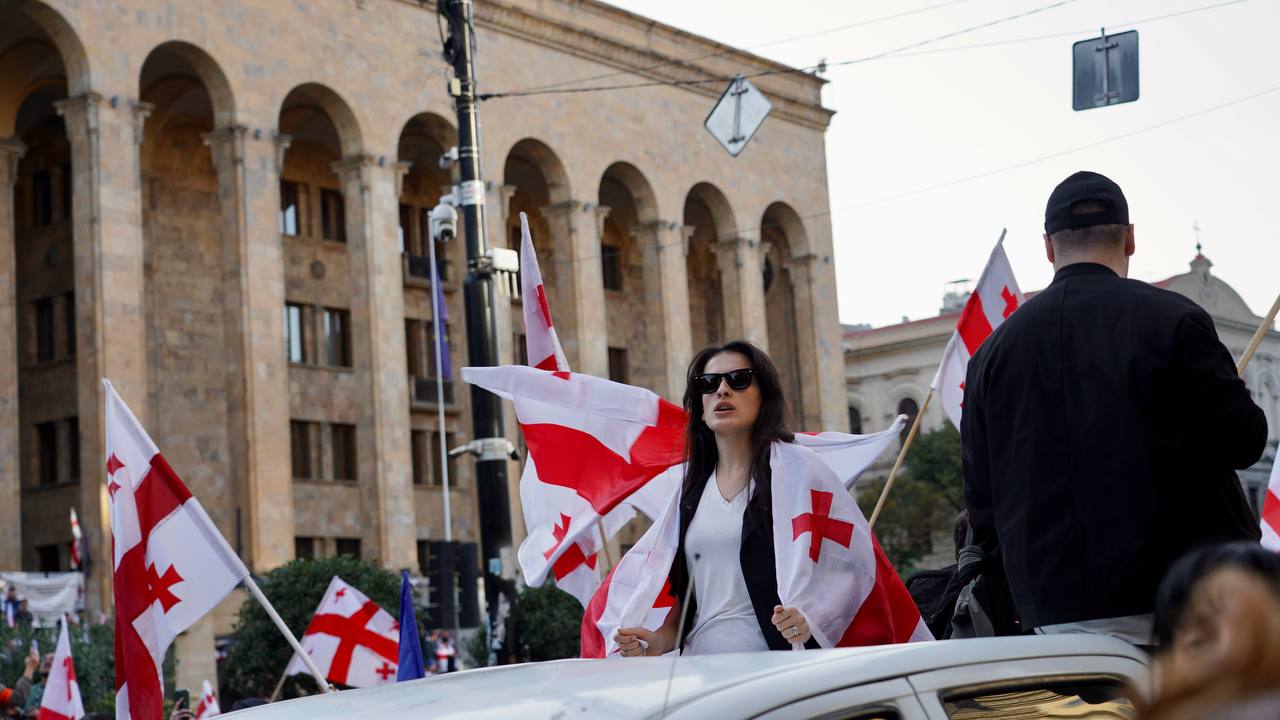
Around 70 people, including protest organisers and political leaders, were detained in connection with the case. Prosecutors subsequently opened a criminal investigation against them.
In total, authorities launched criminal proceedings against 64 individuals. Investigators later divided the case into several separate episodes.
Twenty-two defendants who admitted guilt reached plea agreements with prosecutors.
Courts have already sentenced 10 people to prison terms, including political leaders and opera singer Paata Burchuladze, one of the protest’s main organisers.
Most received prison sentences ranging from five to seven years.
One of the defendants, Irakli Shaishmelashvili, a former senior official in the Interior Ministry’s Special Tasks Department, is currently in the United States. The court sentenced him in absentia to two years in prison.
New prison sentences in Georgia’s ‘4 October case’
Georgia’s real gross domestic product (GDP) grew by 9% in the first quarter of 2026 compared to the same period last year, reaching GEL 24.77 billion (USD 9.178 billion), according to preliminary data released by the National Statistics Office (Geostat) on June 19. The GDP deflator rose by 2.3% in the reporting period.
Geostat said the highest growth rate was recorded in the information and communication sector, which expanded by 36%, followed by transportation and storage (18%), arts, entertainment, and recreation (14.5%), financial and insurance activities (11.7%), and wholesale and retail trade, including the repair of motor vehicles and motorcycles (5.5%). The agency attributed the growth across these sectors to an increase in value-added.
Several sectors recorded declines, however, including agriculture, forestry and fishing, which decreased by 3.3% year-on-year, and construction, which fell by 2%.
Wholesale and retail trade, including repair of motor vehicles and motorcycles, was the largest contributor to Georgia’s economy, accounting for 13.2% of GDP in the first quarter, followed by information and communication (10.4%), real estate activities (10%), manufacturing (8.2%), and public administration, defence and compulsory social security (7.2%). Education accounted for 6.5% of GDP, followed by construction (6.4%), transportation and storage (6.1%), and financial and insurance activities (5.9%).
Georgia’s GDP increased by 6.2% in April. According to the International Monetary Fund’s (IMF) latest estimates, Georgia’s economic growth is expected to remain “strong, though moderating” at 6.5% in 2026.
Also Read:
- 19/06/2026 – EU and U.S. Remain Top Sources of Money Transfers to Georgia as Inflows Rise 7% in May
- 17/06/2026 – NBG Keeps Refinancing Rate Unchanged at 8.25%
- 11/06/2026 – IMF Praises Georgia’s Economy as ‘Resilient,’ Projects 6.5% Growth in 2026
- 12/03/2026 – GD Authorities Replace Six-Year-Older Car Import Ban with Up to Fivefold Excise Tax
Georgia’s external merchandise trade, excluding non-declared trade, totaled USD 10.439 billion in January-May 2026, up 3.7% year-on-year,according to preliminary data published by the National Statistics Office of Georgia (Geostat) on June 19. Kyrgyzstan remained Georgia’s largest export destination, while Turkey was its top import partner, with motor cars continuing to dominate both exports and imports.
Exports increased by 19.8% year-on-year to USD 3.107 billion, while imports fell by 1.9% to USD 7.331 billion. The trade deficit stood at USD 4.224 billion, accounting for 40.5% of total external trade turnover.
Kyrgyzstan remained Georgia’s leading export market, receiving USD 355.2 million worth of goods, followed by China (USD 327.5 million) and Azerbaijan (USD 269.3 million). The top ten export destinations accounted for 70.3% of Georgia’s total exports.
Motor cars remained the country’s top export commodity, totaling USD 734.6 million and making up 23.6% of all exports. Petroleum and petroleum oils followed at USD 366.6 million (11.8%), while precious metal ores and concentrates ranked third with USD 255.6 million (8.2%).
Turkey was Georgia’s largest source of imports, totaling USD 1.162 billion, followed by Russia (USD 983.4 million) and China (USD 849.7 million). The top ten import partners represented 70.9 % of total imports.
Motor cars also topped the list of imported goods, reaching USD 1.251 billion and accounting for 17.1% of total imports. Petroleum and petroleum oils followed with USD 635.5 million (8.7%), while “medicaments put up in measured doses” ranked third with USD 295.9 million, representing 4% of imports.
Also Read:
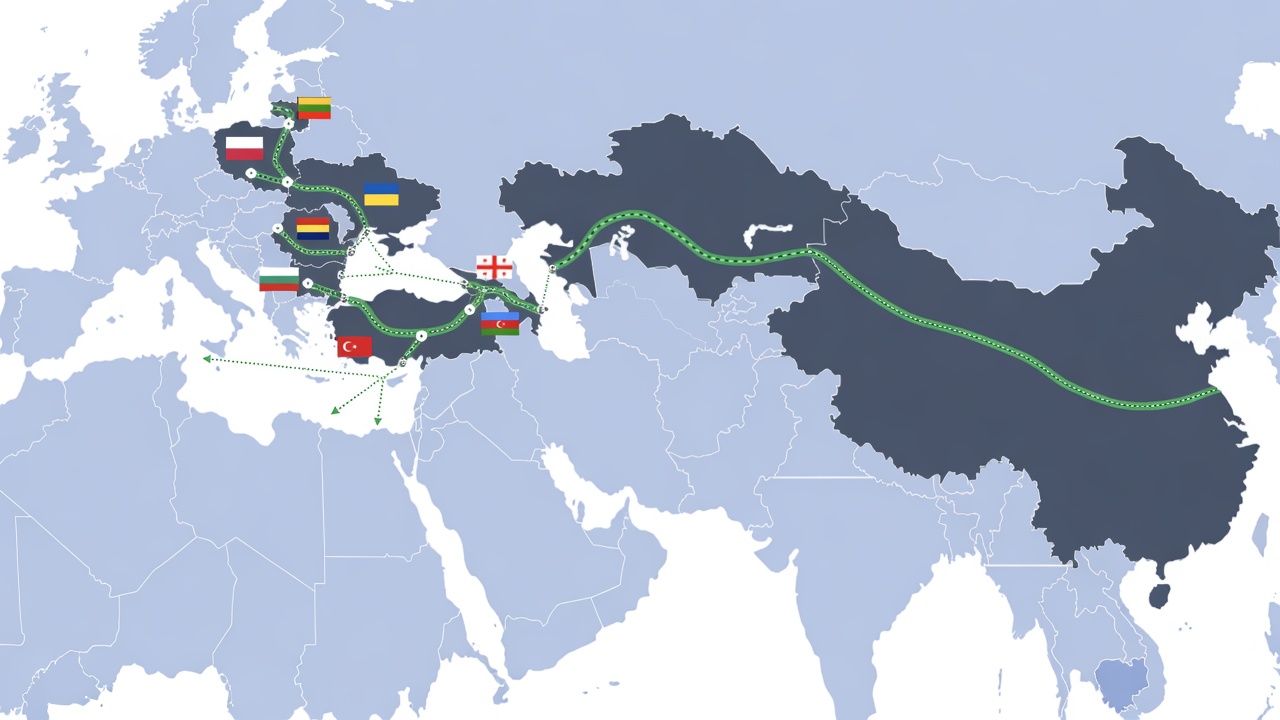
Azerbaijan in the Middle Corridor
In recent years, the Middle Corridor, also known as the Trans-Caspian International Transport Route (TITR), has emerged as one of the fastest-growing trade routes across Eurasia.
After 2022, as countries sought alternatives to the Northern Corridor that passes through Russia, cargo volumes along the route began to rise rapidly. While annual freight volumes stood at around 0.6–0.8 million tonnes between 2019 and 2021, they exceeded 4.5 million tonnes in 2024.
Elevate Crossroads, an analytical and consulting platform focused on the South Caucasus and the Black Sea region, has published recommendations outlining a concrete roadmap for tripling those volumes.
According to the report, the proposals represent not merely a technical list of measures but an important element of the region’s broader geoeconomic transformation.
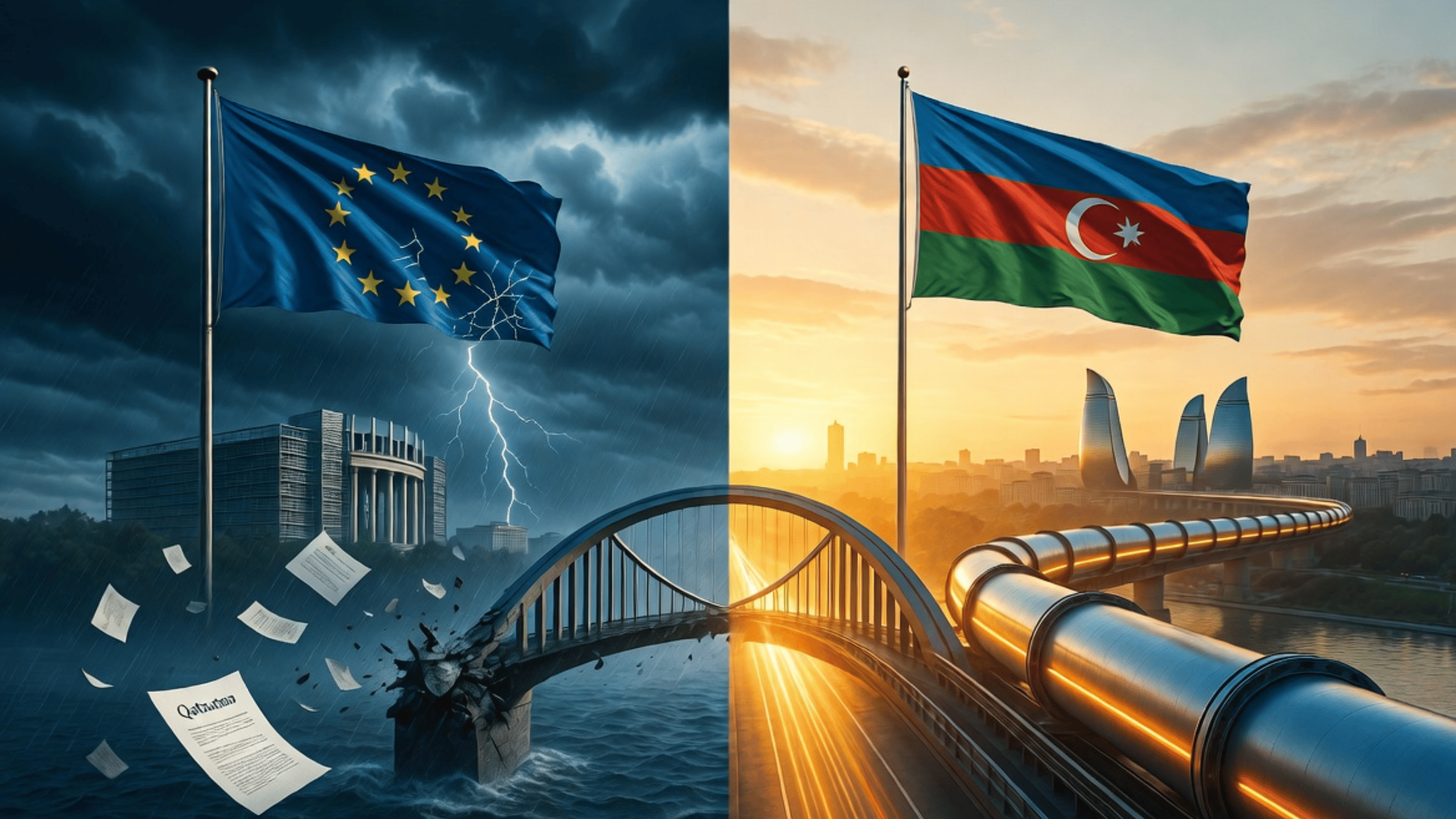
10 priority projects: a strategy to remove bottlenecks
According to the analysis, tripling cargo volumes will require ten key infrastructure and logistics upgrades. The projects mainly cover Central Asia, the Caucasus and the Black Sea basin.
Central Asian segment: construction of a railway bypass around Almaty, a new direct railway link between Uzbekistan and Kazakhstan, and the modernisation of ferry and port infrastructure at Kazakhstan’s Aktau port. The report stresses that addressing challenges linked to the falling level of the Caspian Sea is of particular importance.
Caucasus and Turkey segment: renewal of Georgia’s locomotive and rolling-stock fleet, expansion of the Port of Poti and the railway network, and modernisation of the Akhalkalaki–Turkey border and Sivas–Kars–Georgia border railway sections, which the report identifies as some of the corridor’s most critical bottlenecks.
European segment: a high-capacity rail connection across the Bosphorus via the Third Bridge, as well as major investments in port and railway infrastructure in Romania and Bulgaria.
“Soft” infrastructure: simplifying border procedures along the entire corridor, improving service quality and accelerating the digitalisation of logistics processes.
The list does not include projects directly linked to Azerbaijan. The report suggests this is no coincidence. Azerbaijan has already demonstrated a certain level of preparedness, while Elevate Crossroads primarily targets weaker links in the corridor. However, the route’s central section — Kazakhstan–Caspian Sea–Azerbaijan–Georgia — runs through Azerbaijani territory, and the efficiency of this segment remains crucial to the success of the entire corridor.
Azerbaijan: from transit country to regional hub
Over the past 15 years, Azerbaijan has made strategic investments in the development of the Middle Corridor. One of the key steps was the expansion of the Baku International Sea Trade Port in Alat.
After the first phase entered operation in 2018, a new development plan approved by President Ilham Aliyev in December 2024 set a target of increasing the port’s annual capacity to 25 million tonnes of cargo and 500,000 TEU containers. The expansion aims to support not only transit operations but also value-added logistics and industrial activities, particularly through integration with the Alat Free Economic Zone.
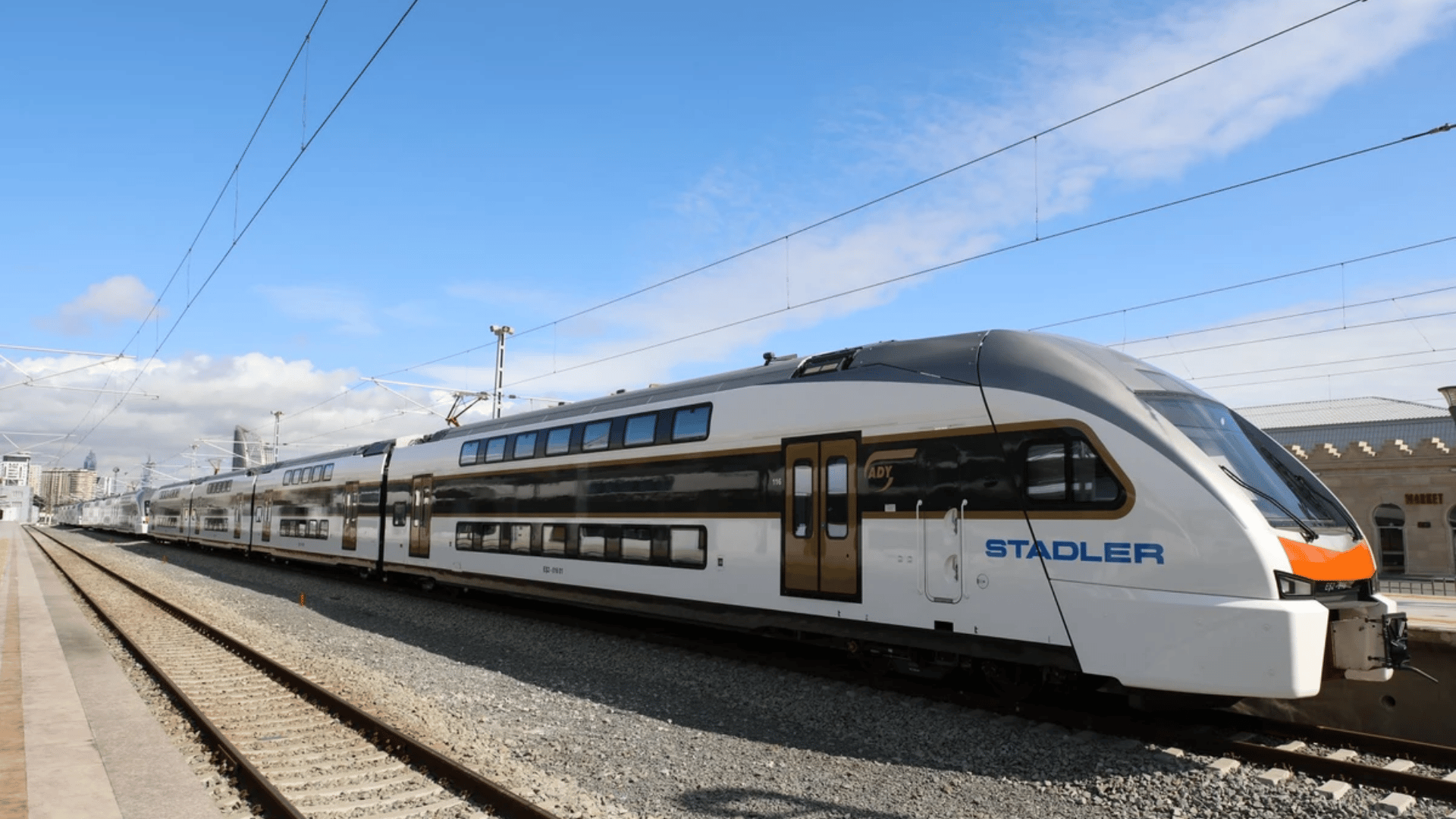
The Baku–Tbilisi–Kars railway has been operating since 2017. Following the reconstruction of its Georgian section in 2024, annual cargo capacity increased to 5 million tonnes. Authorities plan to raise that figure further in the future.
In 2023, Azerbaijan, Kazakhstan and Georgia established the joint venture Middle Corridor Multimodal Ltd. China joined the initiative in 2025.
Statistics for 2025 also highlight Azerbaijan’s growing role. During the first 11 months of the year, Azerbaijan Railways handled more than 350 block trains from China, a 34% increase compared with the same period a year earlier. Container throughput at the Port of Alat rose by 40.8%.
These figures suggest that Azerbaijan is strengthening its position as a key gateway in the Eurasian trade network.
Expert assessments: optimism and cautious warnings
Nino Lezhava, Executive Director of Elevate Crossroads, describes the development of the corridor as a gradual process focused on removing bottlenecks.
She notes that the Middle Corridor has already become an important component of China’s Belt and Road Initiative. According to Lezhava, current infrastructure upgrades aim to address problem areas in the Caspian region, Central Asia and the South Caucasus.
Lezhava particularly highlights the rapid growth of container traffic. During the first half of 2025, 9,849 TEU passed through Georgia, an increase of 173% compared with the same period a year earlier. She says the route represents the fastest overland alternative to the northern corridor that runs through Russia.
Independent analyst Fuad Shahbazov views Azerbaijan’s role in a broader strategic context. In his assessment, Baku is not only investing in transit infrastructure but also taking an active role in regional coordination, strengthening the country’s influence across Eurasia.
Shahbazov argues that Azerbaijan’s cooperation with Kazakhstan and other partners extends beyond the Middle Corridor and includes new transport initiatives.
International organisations and research centres have also weighed in on the issue. In an analysis published in April, the Carnegie Endowment for International Peace argued that the Middle Corridor represents not a “permanent route” but a “window of opportunity” for Central Asian states. The report identifies infrastructure gaps, governance challenges, climate change — including the declining level of the Caspian Sea — and geopolitical risks as the main obstacles.
At the same time, forecasts by the OECD and the EBRD suggest that cargo volumes could reach 10–11 million tonnes by 2030 if key bottlenecks are removed.
Some experts remain more cautious. They argue that the corridor is still expensive and complex to operate. Multiple transshipment points, differences in customs regimes and uncertainty over cargo volumes continue to create additional risks. A shortage of vessels on the Caspian Sea and slow transport links between ports are also considered major challenges.
Nevertheless, a broad consensus has emerged that, with sufficient political will, sustained investment and institutional cooperation, the Middle Corridor could become a catalyst for regional development.
For Azerbaijan: a window of opportunity and cautious optimism
Elevate Crossroads’ ten priority projects aim to transform the Middle Corridor from an “alternative route” into a sustainable Eurasian transport artery. In this process, Azerbaijan is no longer a passive participant. Through infrastructure investments, institutional cooperation and political commitment, it has become an active player.
However, ports and railways alone will not guarantee success. Deepening regional cooperation, adapting to climate-related risks and accelerating digital transformation are equally important.
According to experts, if these conditions are met, the period from 2027 to 2030 could bring not only higher transit revenues for Azerbaijan but also a significant strengthening of its strategic position in the region. Otherwise, the corridor may remain merely a “window of opportunity” and fall short of its full potential.

Azerbaijan in the Middle Corridor