
Armenian Election Results Hold Contradictory Implications for Iran The Jamestown Foundation
Day: June 17, 2026
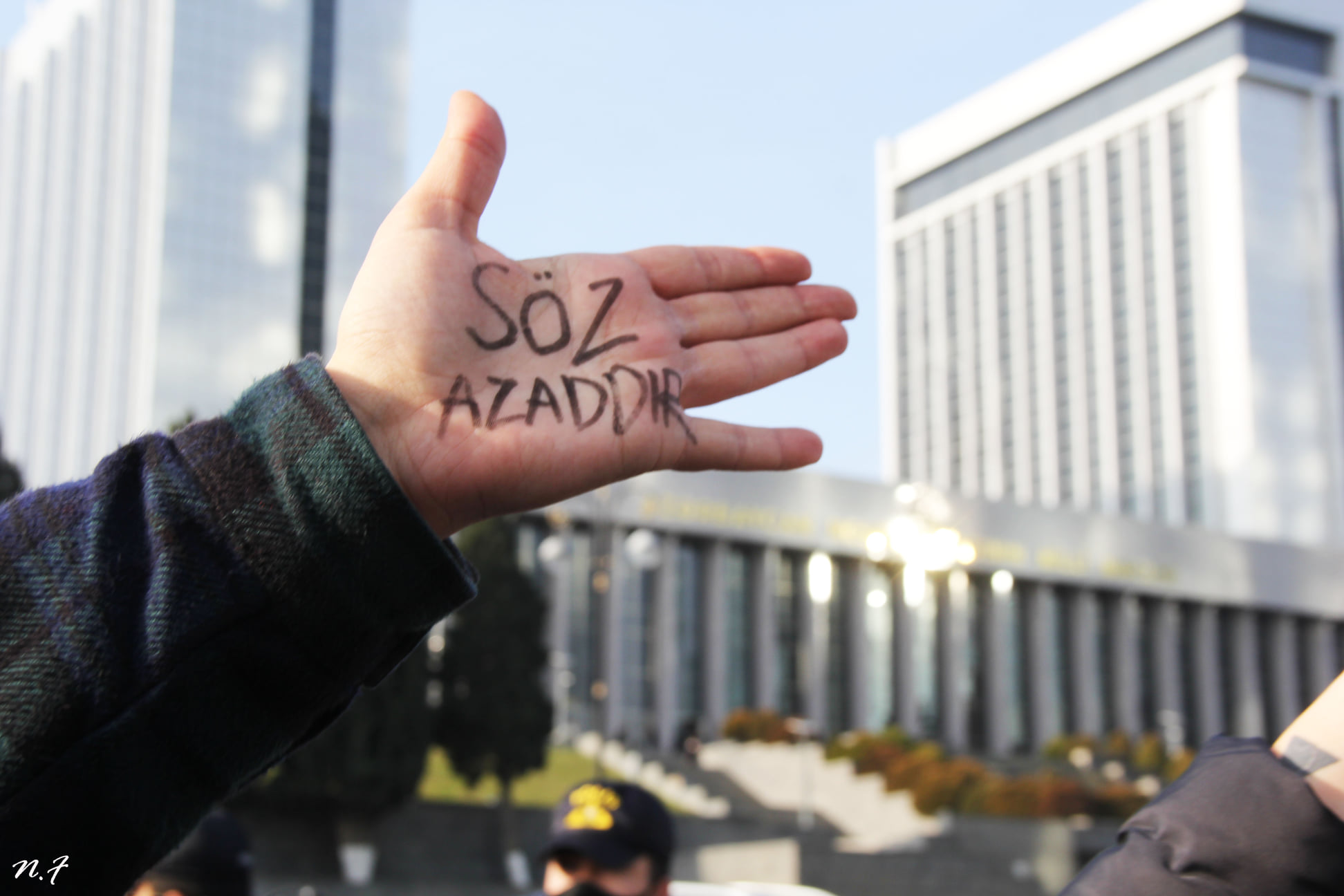
Azerbaijan’s Media and Broadcasting Council
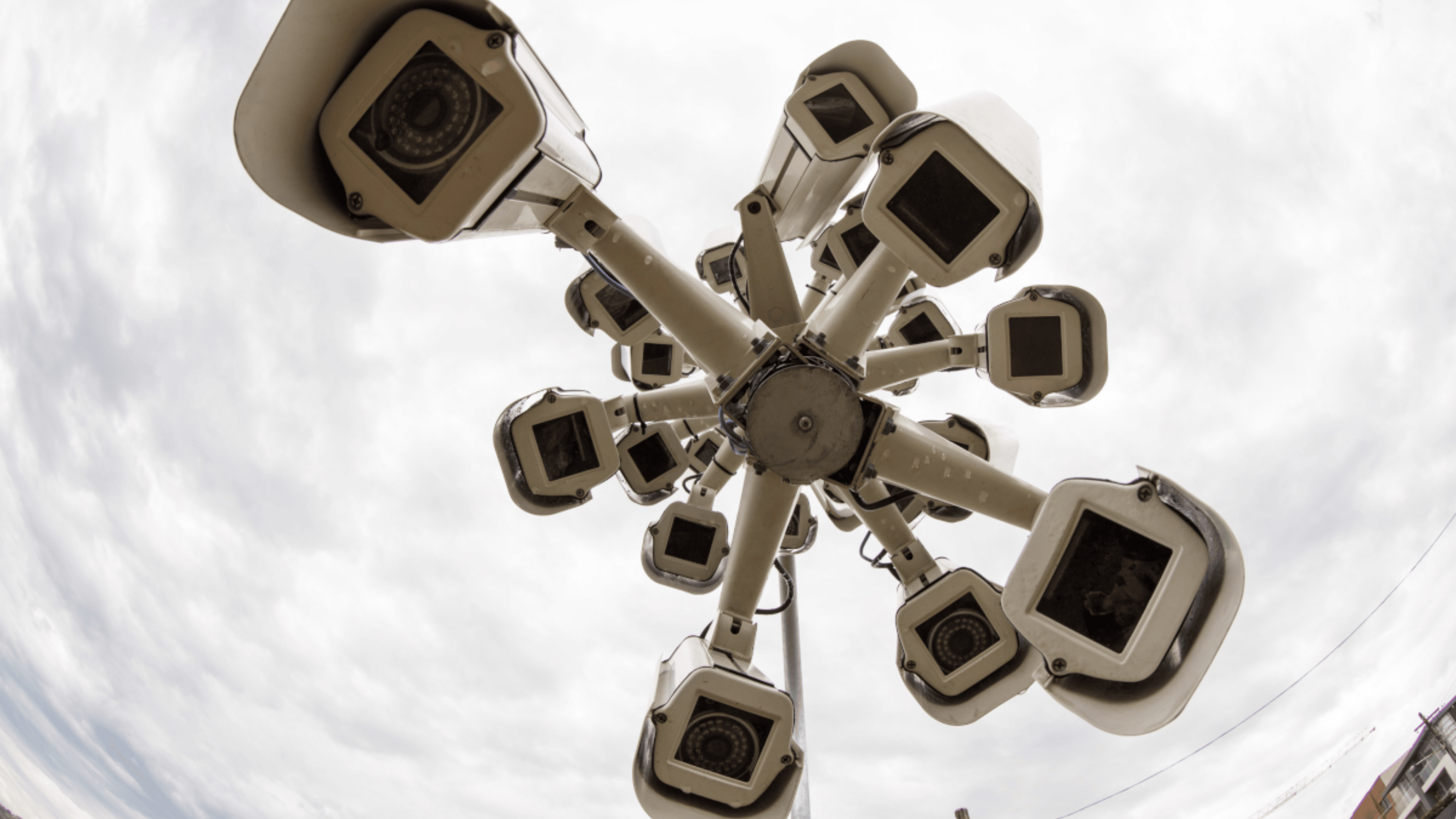
The package of amendments under discussion in the Human Rights Committee of Azerbaijan’s parliament affects the laws on media and the civil service. The most notable proposal would create a new Media and Broadcasting Council by merging the Media Development Agency and the Audiovisual Council.
According to information released during the committee discussion, the new body would become the state’s authorised regulator for the media and broadcasting sectors. It would assume the powers of the two existing institutions while also taking on additional responsibilities.
The initiative goes beyond a simple merger of two agencies. It would concentrate a wide range of functions within a single state body, including media development, maintenance of the media register, licensing, regulatory oversight, countering disinformation and analysing digital content across print, online and audiovisual media.
However, an important question remains: will this step simplify governance, or will it further centralise what is already a strong system of state control?
Publicly available information remains largely limited to news reports about the committee meeting, the current legal framework and materials published on the official websites of state institutions. As the full text of the draft law has not yet been made public, the analysis below is based on details disclosed during the committee discussion and the existing legal framework.
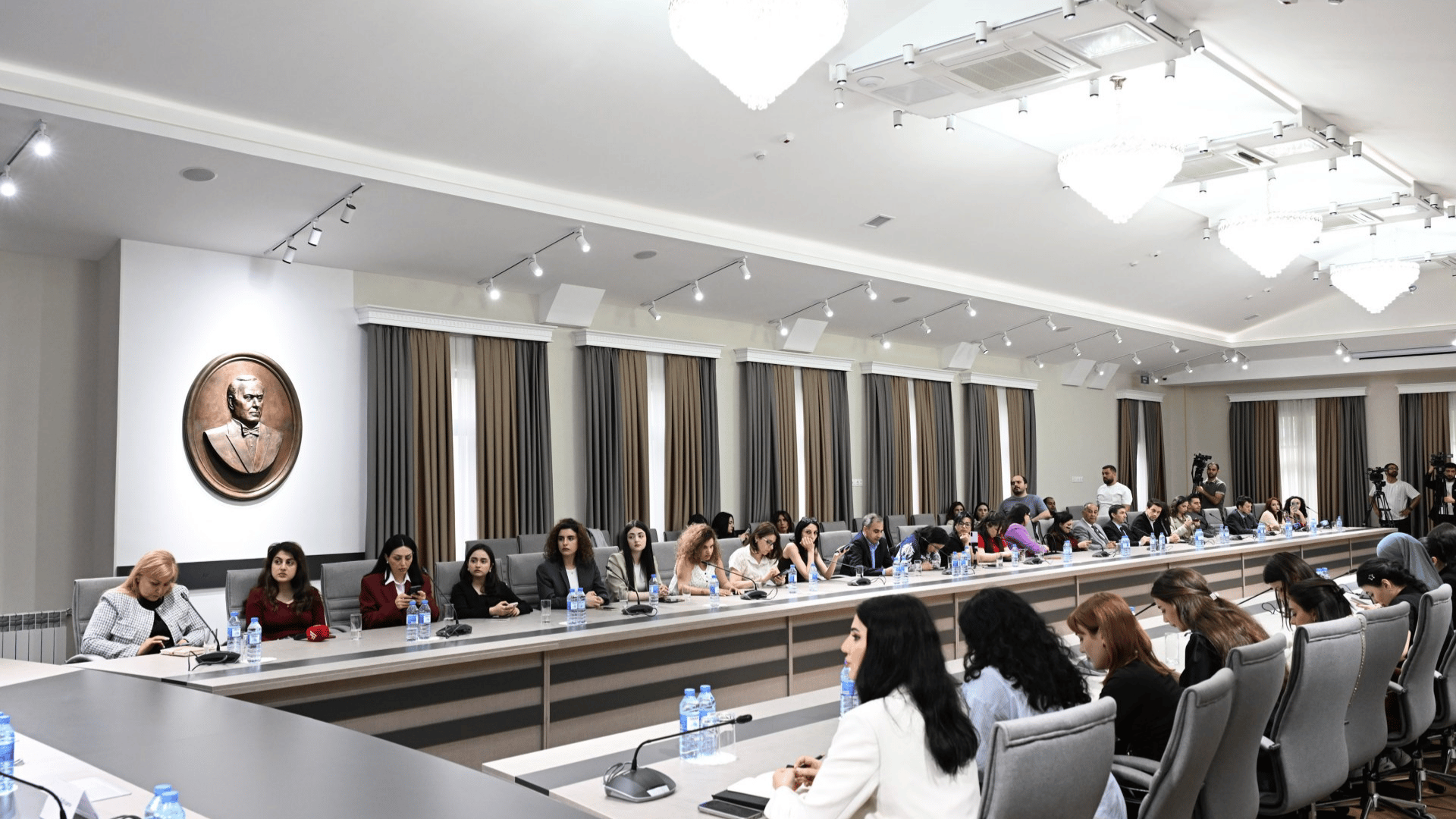
How does the current system work and what will change?
The current model dates back to 2021. On 12 January 2021, President Ilham Aliyev established the Media Development Agency (MEDIA) by presidential decree. The document justified the move as a way to support media development, continue institutional reforms and encourage the adoption of new information and communication technologies.
The decree placed overall oversight of the agency in the hands of a Supervisory Board consisting of a chairperson and six members appointed by the president. An executive director, also appointed by the president, oversees the agency’s day-to-day operations. During the same period, the 2021 Media Law brought Azerbaijan’s media sector under a single legal framework. The law separately defines audiovisual media, print media, online media and news agencies. In other words, the legal system has treated different types of media under a unified law since 2021.
This suggests that the current initiative reflects less a new concept than an administrative merger within an already unified legal framework. At the same time, audiovisual media remained subject to a separate regulatory structure. According to information published by the Audiovisual Council, the Media Law designates the council as the regulator of the audiovisual media sector.
The council operates with organisational and functional independence. It consists of seven members, including a chairperson. The relevant executive authority appoints its members. The council participates in drafting audiovisual media regulations, issues licences, conducts inspections and adopts legally binding decisions.
According to information on the MEDIA agency’s official website, the agency currently supports media development, organises professional training and continuing education programmes, assists journalists and media workers, promotes the introduction of new technologies, maintains the Media Register and places programmes and public service videos commissioned by the state. As a result, MEDIA has primarily handled development and support functions, while the Audiovisual Council has overseen licensing and broadcasting regulation.
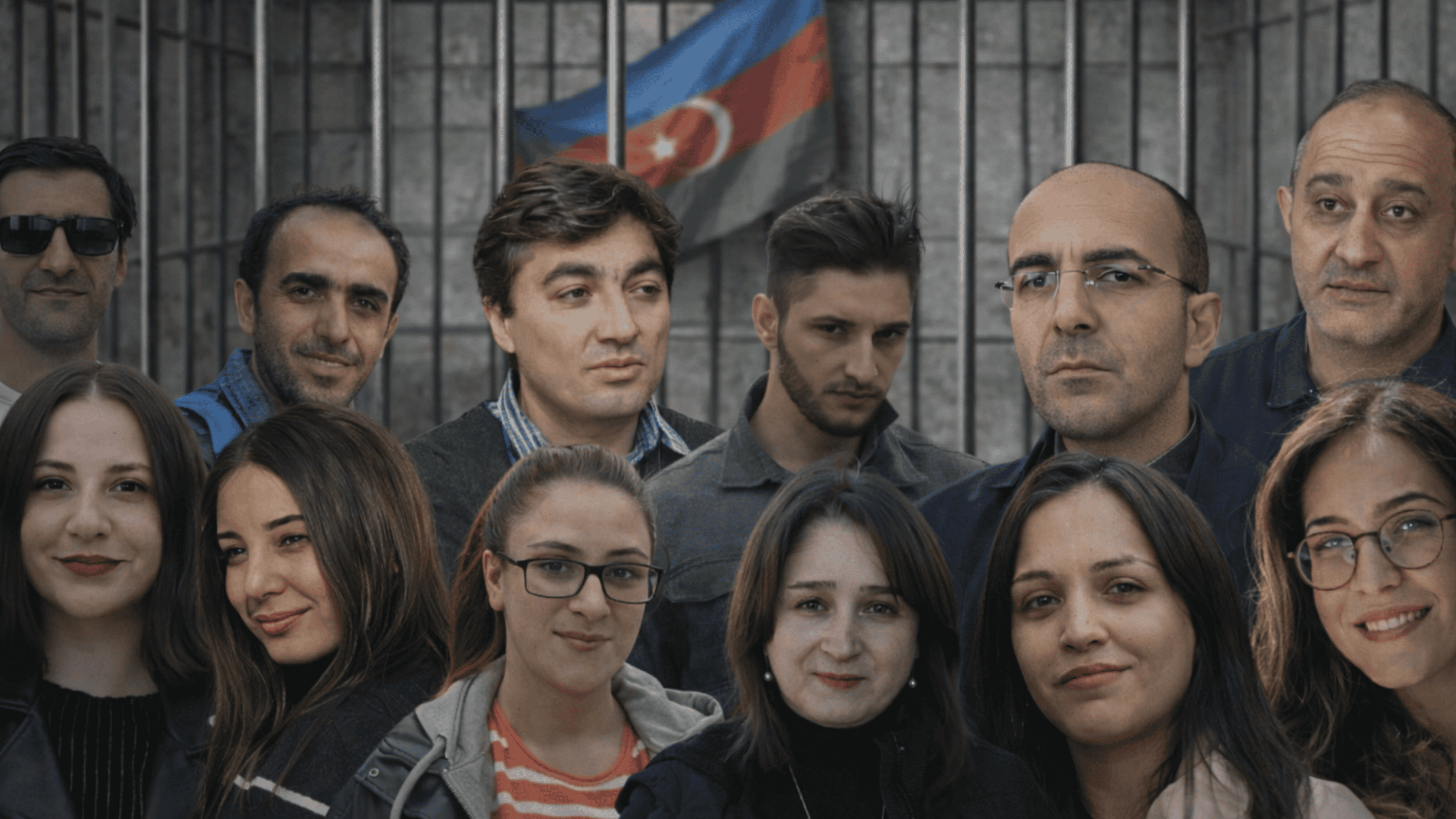
What powers will the new council have?
According to details released after the committee discussion, the Media and Broadcasting Council will become Azerbaijan’s authorised state body for the media and broadcasting sectors. The new institution will assume the powers of both the MEDIA agency and the Audiovisual Council.
The executive branch will appoint the chairperson and council members. The members will then elect two deputy chairpersons from among themselves by a simple majority vote.
The key issue concerns the scope of the council’s powers. According to summaries published after the committee meeting, the new body will be able to take measures to strengthen the economic independence of media organisations, expand cooperation between the state and the media, organise training sessions and seminars for journalists, commission educational programmes and content, act as a state customer for audiovisual productions, take measures to prevent the spread of disinformation, analyse public opinion and the information environment, maintain the Media Register and issue journalist accreditation cards.
The council will also gain powers to analyse digital content in both media outlets and social networks. It will be able to refer suspected legal violations to relevant state authorities.
These powers extend well beyond the traditional role of an audiovisual regulator. Under the proposed model, a single institution would simultaneously function as a support body, an operator of financial instruments and state contracts, a body shaping expectations regarding ethics and balance, and a mechanism for oversight and intervention.
The legal text does not explicitly identify this as a problem. However, from an institutional perspective, the arrangement creates an obvious risk: for media organisations, the same body would become a source of support, a centre of official recognition and a potential source of sanctions.
Under the current law, journalist accreditation cards and the Media Register already function as state-controlled instruments. Article 70 of the Media Law states that authorities issue journalist accreditation cards only to journalists included in the Media Register.
Article 73 defines the register as a state electronic information resource that systematises information about media organisations and journalists. Article 74 sets out detailed and relatively strict criteria for inclusion. The new council would not only retain these instruments but also combine them with broader regulatory and analytical powers within a single institution.

Official rationale and potential advantages
The core argument put forward by officials and pro-government commentators is that digital transformation has blurred the boundaries between different types of media, making the previous system of separate regulation outdated.
The 2021 presidential decree also emphasised the need for “qualitative changes” in the media sector. It highlighted the importance of the global information environment, the widespread use of advanced technologies and modernisation. From this perspective, the 2026 initiative appears to represent the next institutional stage in the state’s media policy, which has been taking shape since 2021.
The new council would create a unified platform, effectively removing distinctions between television, radio, online media and the broader digital environment. It draws on consolidated international models such as OFCOM and ARCOM, strengthens the principle of a “single window” and could establish a mechanism for “unified crisis management” in the field of national information security.
This forms the core of the official narrative and the interpretation promoted by supportive media outlets.
These arguments have a certain practical logic. The MEDIA agency already oversees the media register, innovation initiatives, professional training and state-commissioned programmes, while the Audiovisual Council handles licensing and broadcasting oversight.
As a result, placing registry data, platform status, licensing functions and content-response mechanisms under one roof could speed up decision-making, reduce bureaucratic duplication and lower the risk of different state institutions responding inconsistently to the same issue across different media platforms.
However, these benefits can materialise only under one condition: the system must include clear procedures, transparent decision-making criteria, effective complaint and appeals mechanisms, public accountability and transparency.
Otherwise, a “unified approach” could easily evolve into “unified control”. Ultimately, that distinction will depend not only on the structure itself but also on how the institution operates in practice.
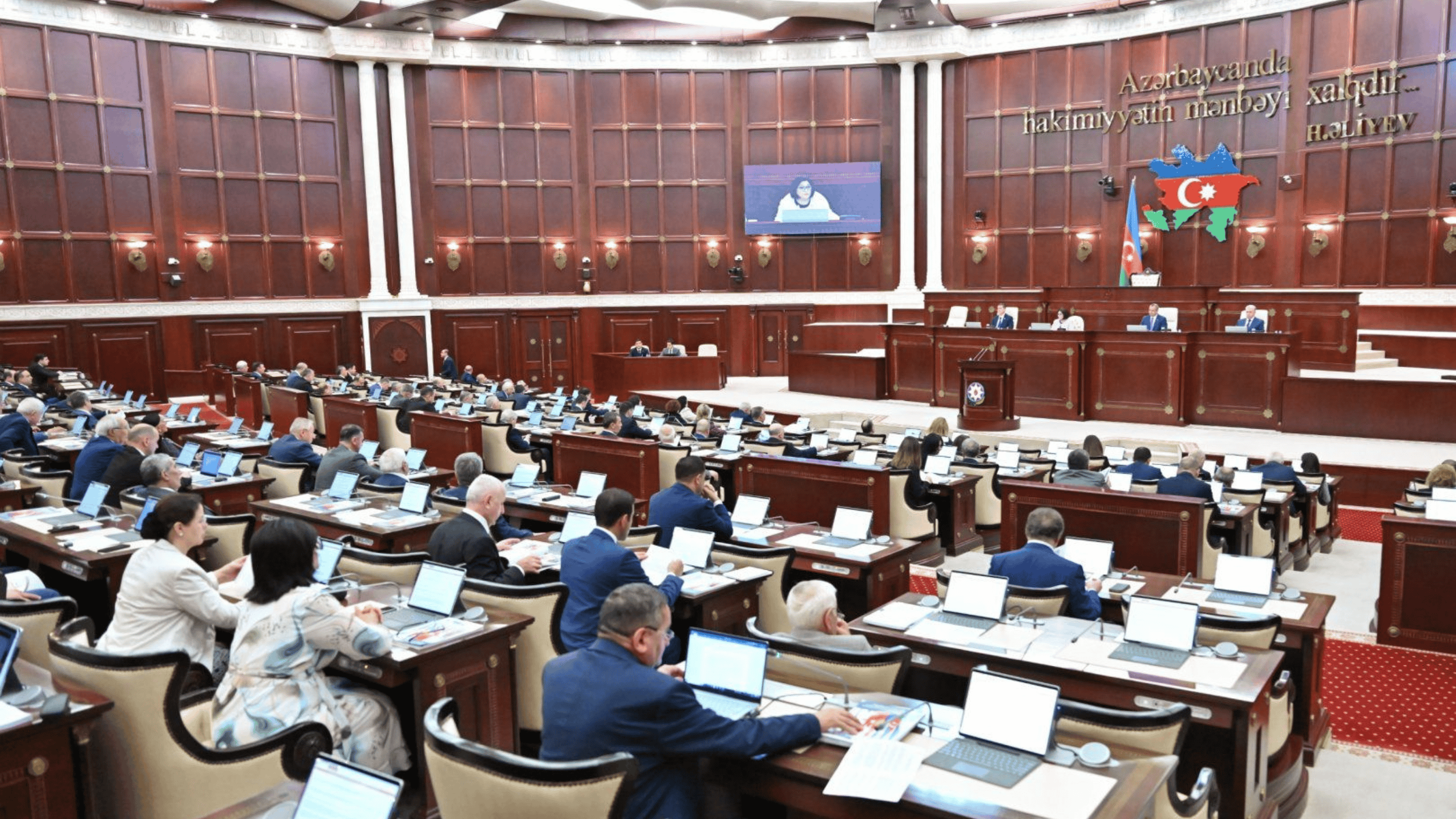
Key risks and criticism
A number of independent experts have expressed scepticism about whether the proposed changes will contribute to societal development. In their view, the initiative weakens mechanisms of public oversight and self-regulation, while many of its provisions represent a step backwards.
Critics focus particular attention on two broad new powers: the authority to analyse digital content across social media and media platforms, and the power to refer alleged legal violations to state bodies for possible sanctions.
These functions have heightened concerns among critics because they extend state oversight beyond the traditional broadcasting sector and apply it more systematically to the digital public sphere.
A second major concern centres on the operation of the Media Register. Media law expert Khalid Aghaliyev argued during the adoption of the Media Law that authorities apply the register selectively. He also said the requirement for “continuous activity” functions as a restrictive condition that limits media freedom.
Article 74.2 of the current law requires journalists seeking inclusion in the Media Register to hold a university degree, have at least three years of professional experience, possess no criminal record, work for a media organisation that is itself registered in the register and comply with ethical standards.
Critics therefore argue that the issue extends beyond the creation of a new council. In their view, the new institution would enforce an already controversial mechanism within a broader and more powerful institutional framework.
International legal standards also play an important role in the debate. In a 2022 legal opinion, the OSCE Representative on Freedom of the Media stated that several provisions of Azerbaijan’s Media Law impose serious restrictions on freedom of expression and media freedom.
The opinion also argued that safeguards for the independence of the audiovisual regulator remain insufficient and that state authorities hold excessively broad powers to restrict, suspend or terminate media services.
The Council of Europe, for its part, has emphasised that independent audiovisual regulators help create an environment conducive to freedom of expression. Recommendation Rec(2000)23 stresses that legislation should clearly define the powers of regulatory bodies, their accountability, appointment procedures and funding mechanisms.
The OSCE has likewise advocated the development of independent self-regulatory mechanisms.
For critics, the central question is therefore not simply whether a new institution will emerge. Rather, it is how independent that institution will be and where the boundary between state regulation and media freedom will ultimately lie.
Azerbaijan’s Media and Broadcasting Council
Robert Kocharyan stripped of parliamentary immunity
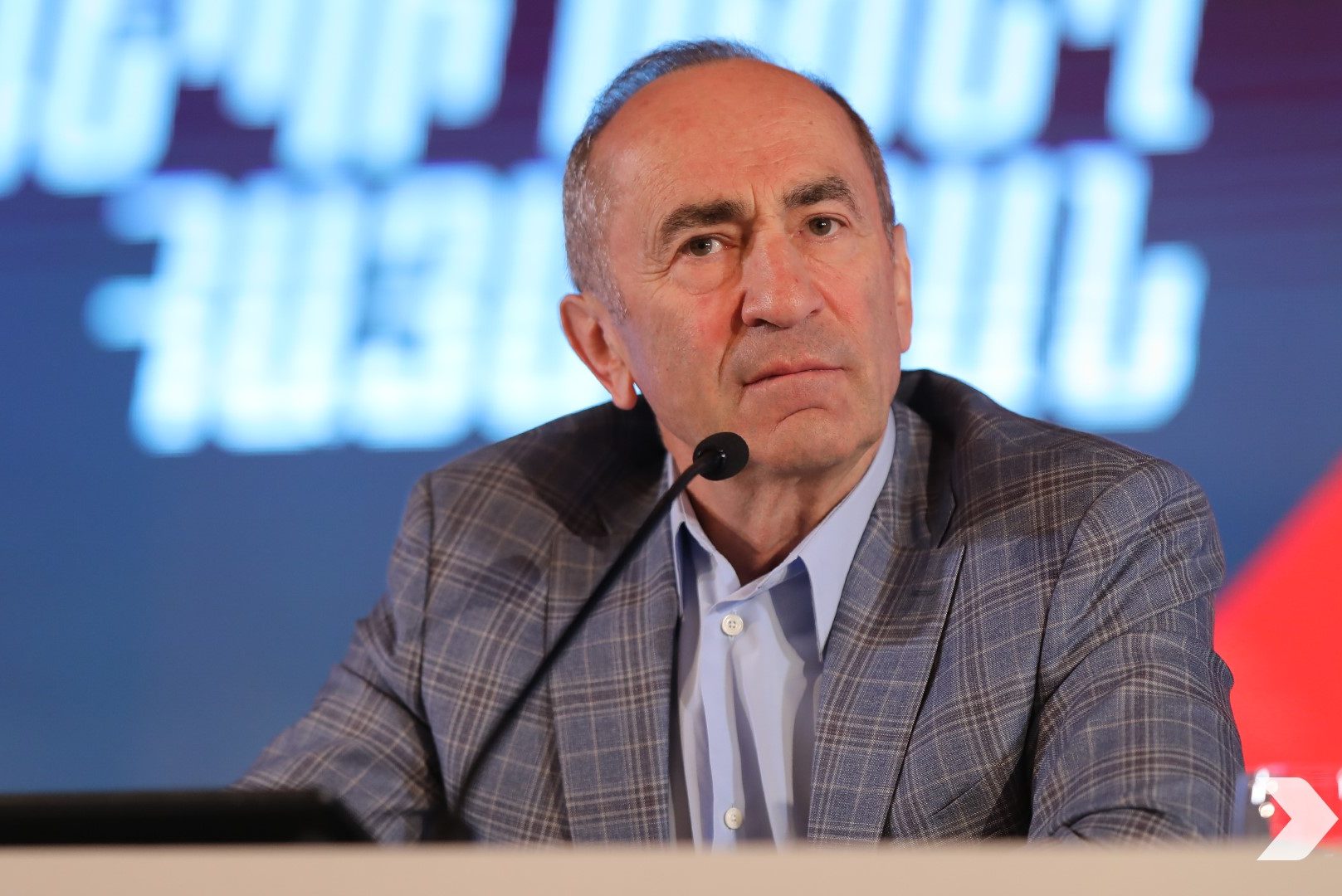
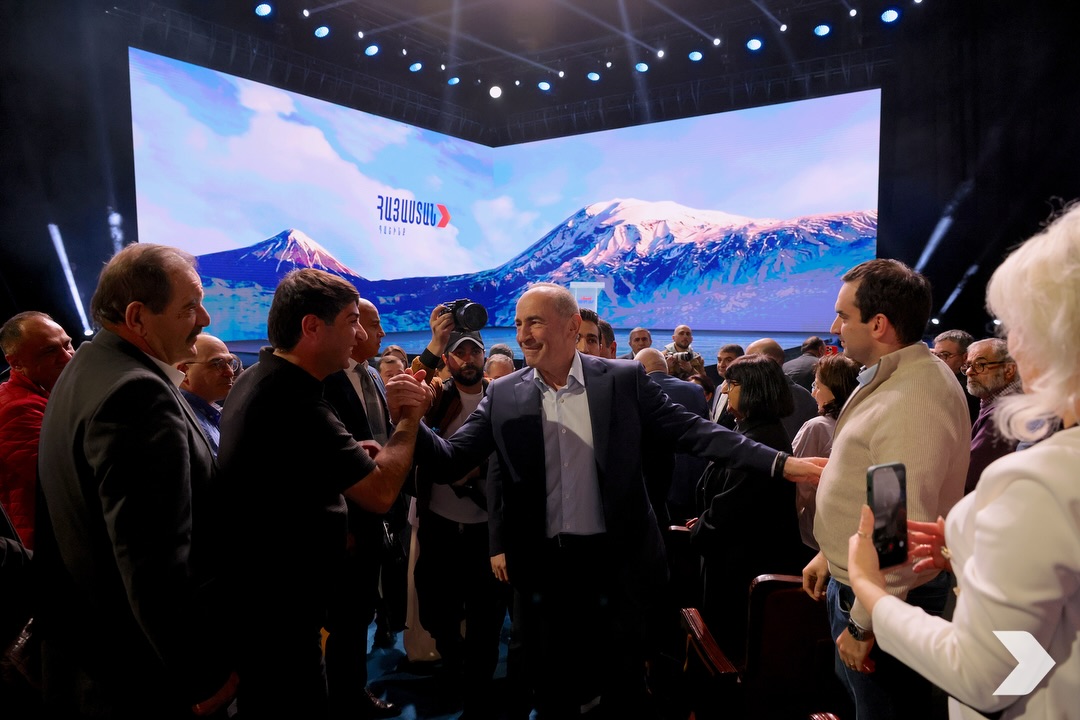
Armenia’s Central Election Commission has stripped former president Robert Kocharyan of parliamentary immunity. Kocharyan leads the opposition Armenia alliance, which won seats in parliament in the 7 June parliamentary election.
As a result, the Prosecutor General’s Office can now initiate criminal proceedings against him. The commission held the session behind closed doors and did not allow journalists to attend the discussion.
The Prosecutor General’s Office has not yet disclosed the charges it intends to bring against Kocharyan. According to his lawyer, Aram Orbelyan, prosecutors accuse the former president of abuse of office and money laundering.
Before the CEC announced its decision, Orbelyan left the building and explained the substance of the allegations to journalists. According to documents submitted by prosecutors, the case concerns an agreement signed by the Armenian government in 2004.
However, the lawyer said neither the former president nor any members of his family had any connection to the deal.
When asked why the authorities had returned to the agreement 22 years later, Orbelyan replied:
“I associate this with political processes. I do not see any other motive. I would also like to note that, in any case, the statute of limitations expired long ago.”
Former Armenian president Robert Kocharyan heads the electoral list of the Armenia alliance. According to the election results, the bloc will hold 12 seats in the new parliament.
- Armenia debates new mechanisms to tackle vote-buying
- Final election results in Armenia: Pashinyan’s party wins majority
- Opinion: Why Putin hasn’t rushed to congratulate Pashinyan on his election victory
What is known about the deal behind the prosecution’s case?
The former president’s lawyer shared details of the case with journalists waiting outside the court building for the CEC’s decision. According to Aram Orbelyan, the case concerns a deal concluded during Robert Kocharyan’s presidency and approved by the Armenian government.
“The government decision was never challenged in any way, and Mr Kocharyan has absolutely no connection to this transaction, nor do any members of his family,” he said.
Orbelyan also argued that the facts presented in the case “do not indicate the commission of any crime”.
However, prosecutors have linked the case to the former president because, several years later, in 2008, after Kocharyan had left office, his son Sedrak Kocharyan acquired a stake in the company involved in the deal.
“And now they are trying to somehow connect him to the 2004 transaction. The case concerns the territory of the Master Class tennis court,” the lawyer said.
According to Orbelyan, the company leased the land and began construction using its own funds. In 2008, however, it encountered financial difficulties and offered Sedrak Kocharyan a stake in the project while seeking investors.
“There is nothing criminal in this process. There are no circumstances that indicate the commission of a crime,” Orbelyan said.
“The prosecution stitched together some kind of case and went to the CEC”
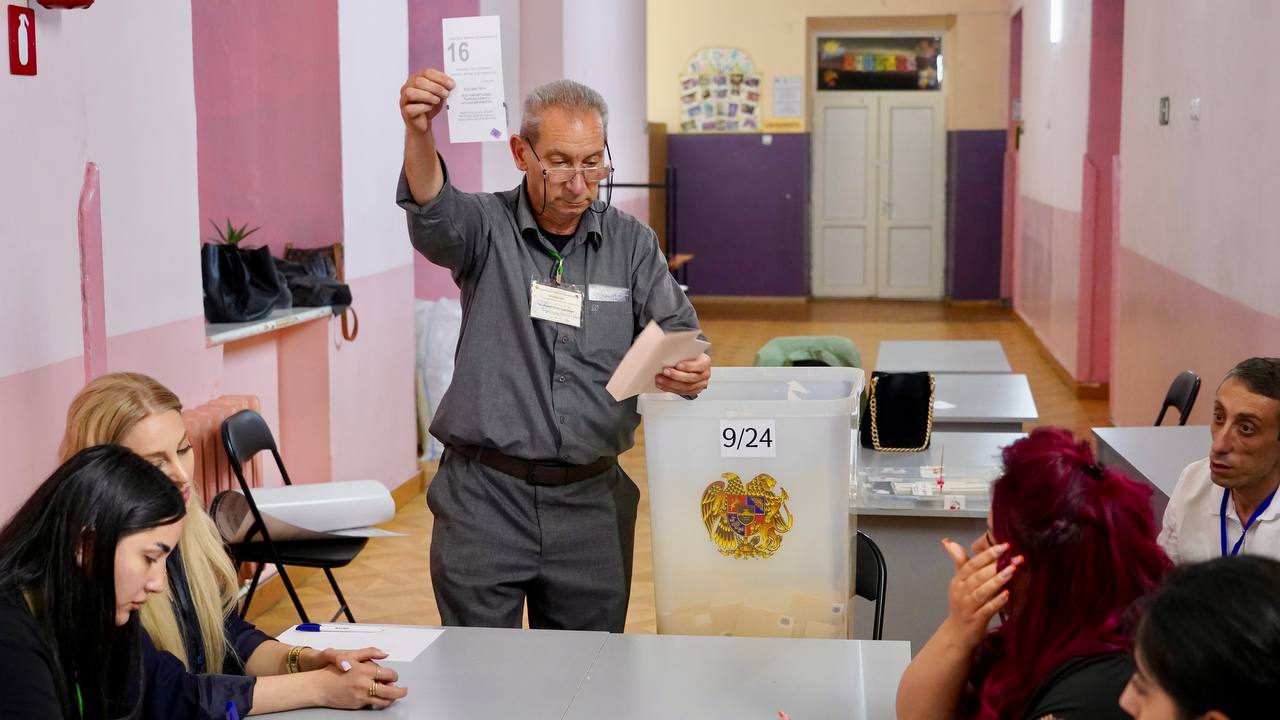
Amid public debate over the decision to strip Kocharyan of parliamentary immunity, the head of the former president’s office issued a statement. Bagrat Mikoyan described the process as “a continuation of the unlawful actions that took place at the airport”.
On 14 June, authorities prevented Kocharyan from leaving the country, even though his office had announced his planned three-day trip in advance. The former president’s office said it was a private visit that had “been planned long ago but postponed because of the intensive election campaign”.
Officials did not explain the legal grounds for preventing Kocharyan from leaving Armenia. Both the Anti-Corruption Committee and the Investigative Committee stated that no investigation under their jurisdiction had imposed any travel restrictions on him.
Kocharyan is also a defendant in the March 1 case. The case concerns the dispersal of demonstrators who rejected the results of the 2008 presidential election. Clashes broke out between protesters and security forces. Ten people, including two police officers, died and hundreds suffered injuries. In that case, prosecutors accuse the former president of abuse of office.
However, in response to media inquiries, the court said the proceedings do not include a ban on leaving the country.
“The Investigative Committee and the Anti-Corruption Committee effectively confirmed that no criminal case existed. Consequently, someone prevented the former president from leaving the country by committing a direct criminal offence. Then today the prosecution, acting under the government, stitched together some kind of case and went to the CEC. But why did they go to the Central Election Commission? They do not care about the law,” Mikoyan said in the statement.
According to him, Prime Minister Nikol Pashinyan’s decisions have once again turned law enforcement officers into “accomplices to a crime”.
At that point, Mikoyan insisted that no information existed about any “new” criminal case.
Robert Kocharyan stripped of parliamentary immunity
Categories
BBC to cut around 550 jobs
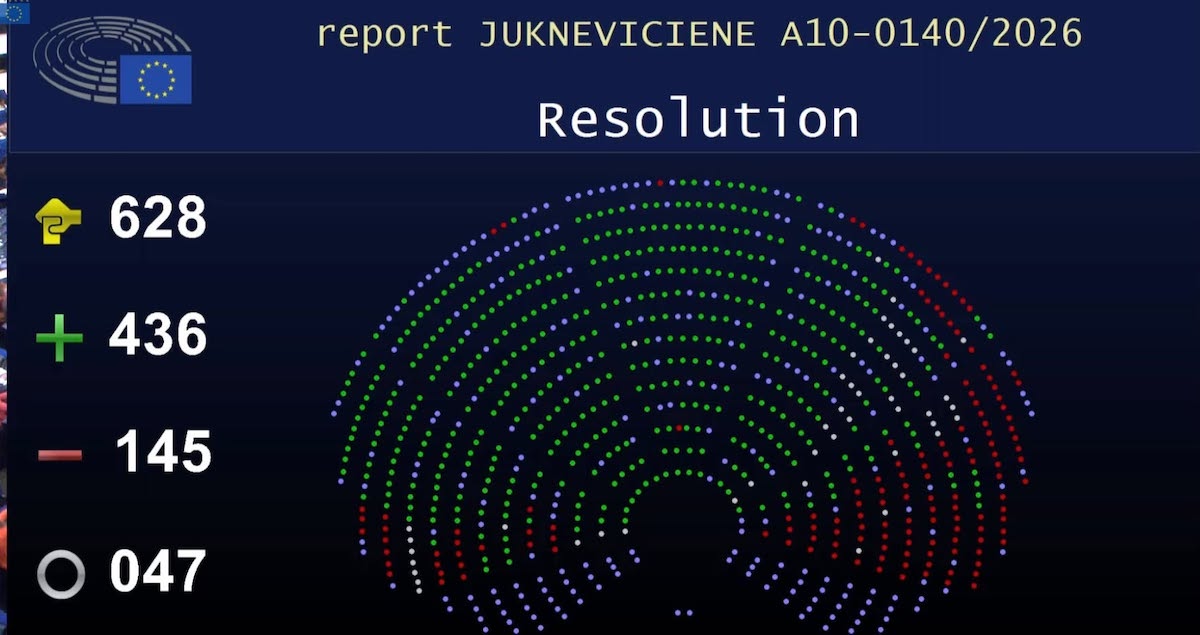
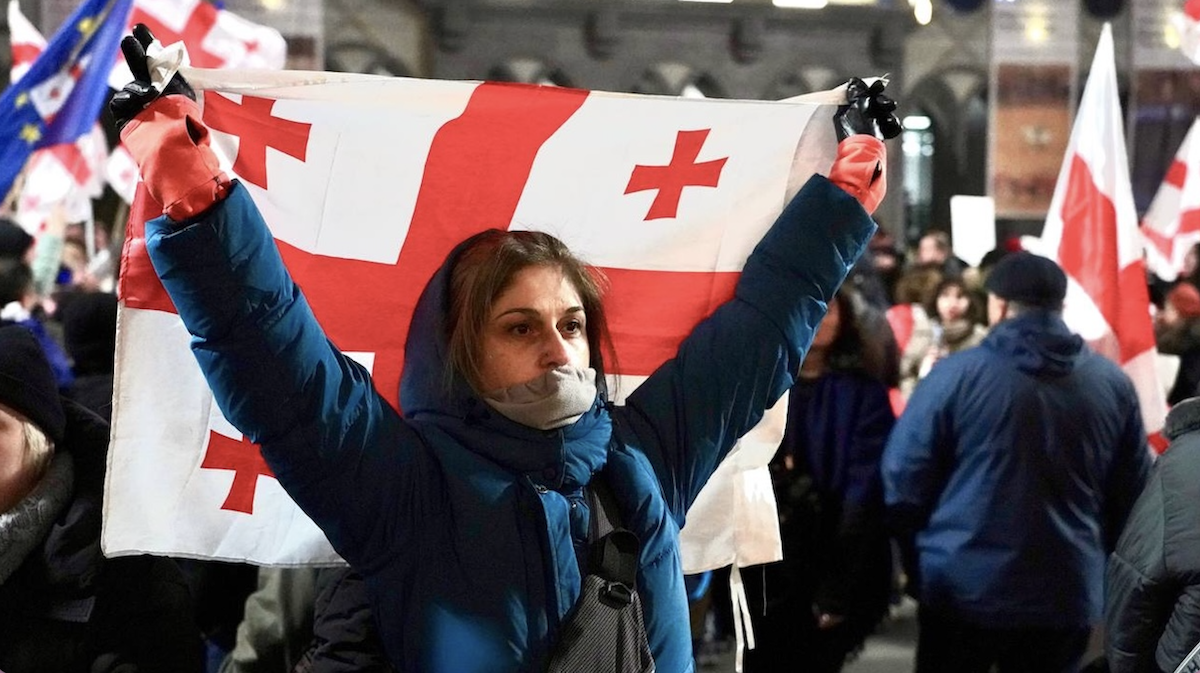
European Parliament criticizes Georgia
The European Parliament has adopted a resolution stating that Georgia’s EU accession process has effectively been suspended and that the ruling Georgian Dream party bears full responsibility.
According to the resolution, Georgia has backtracked on the nine priorities set by the EU as preconditions for candidate status. As a result, the resolution says, Georgia is now an EU candidate country “only on paper.”
The resolution was authored by Rasa Juknevičienė.
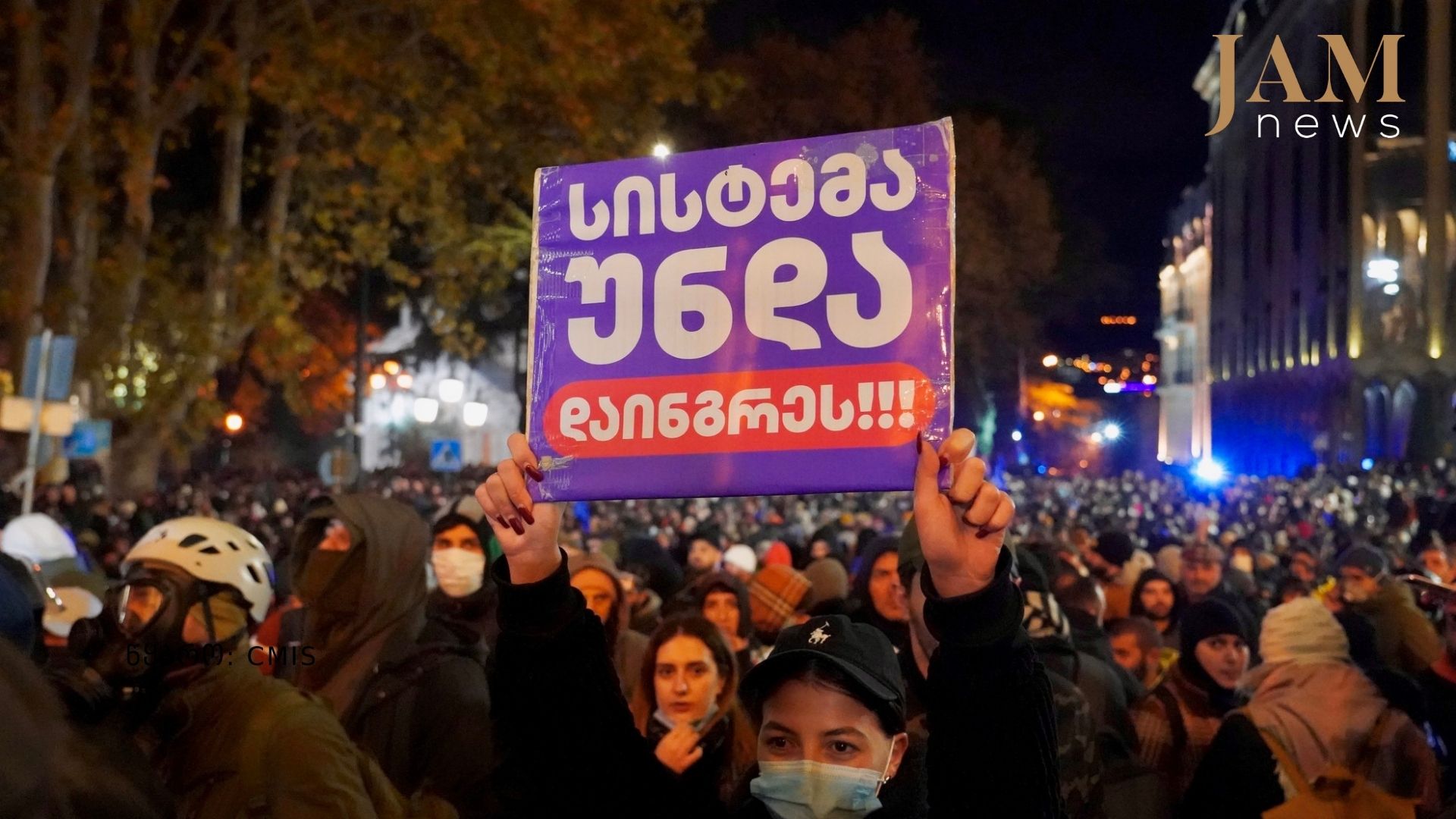
EU assessment of Georgia’s democratic backsliding
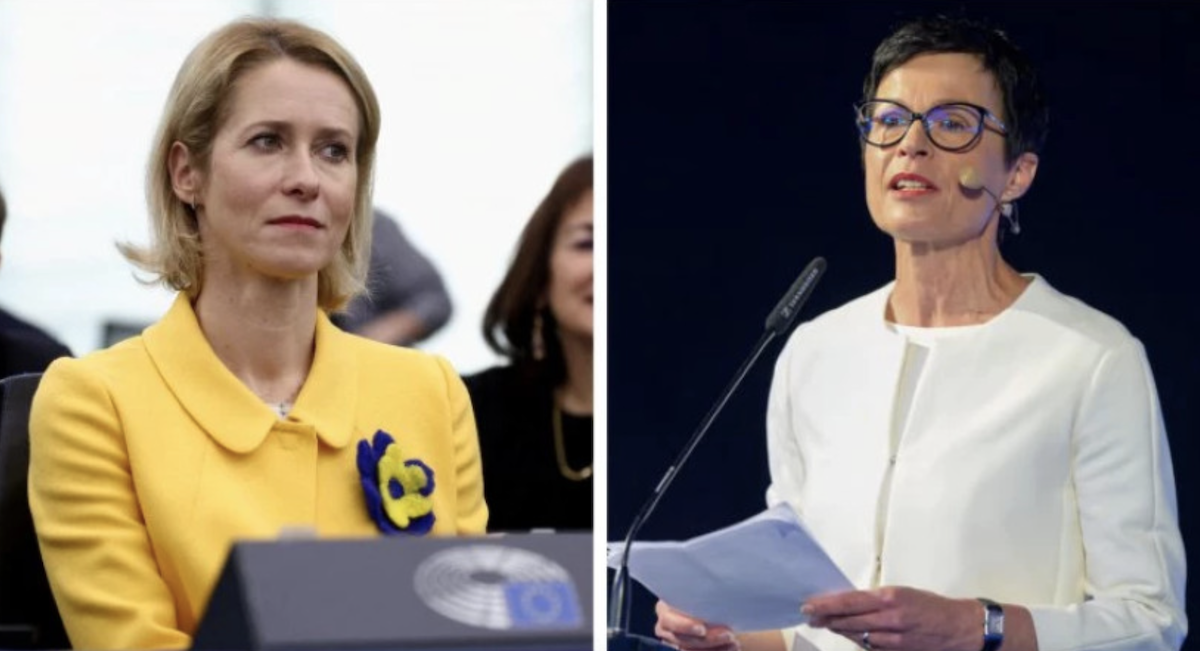
The resolution also cites EU Commissioner for Enlargement Marta Kos, who said the European Commission’s 2025 report on Georgia is “the worst report ever prepared for a candidate country.”
According to the resolution, democratic backsliding in Georgia has affected virtually every key area.
It says the Central Election Commission of Georgia, the Constitutional Court, the Prosecutor’s Office, the National Bank and the High Council of Justice have lost their independence and impartiality.
The report also states that the Anti-Corruption Bureau, established at the EU’s request, was later dismantled.
Elections and democratic institutions
The resolution describes Georgia’s 2024 parliamentary elections as “rigged” and notes that most opposition parties are boycotting the 2025 local elections.
It also criticizes amendments to the electoral law that have made it more difficult for Georgian citizens living abroad to participate in elections.
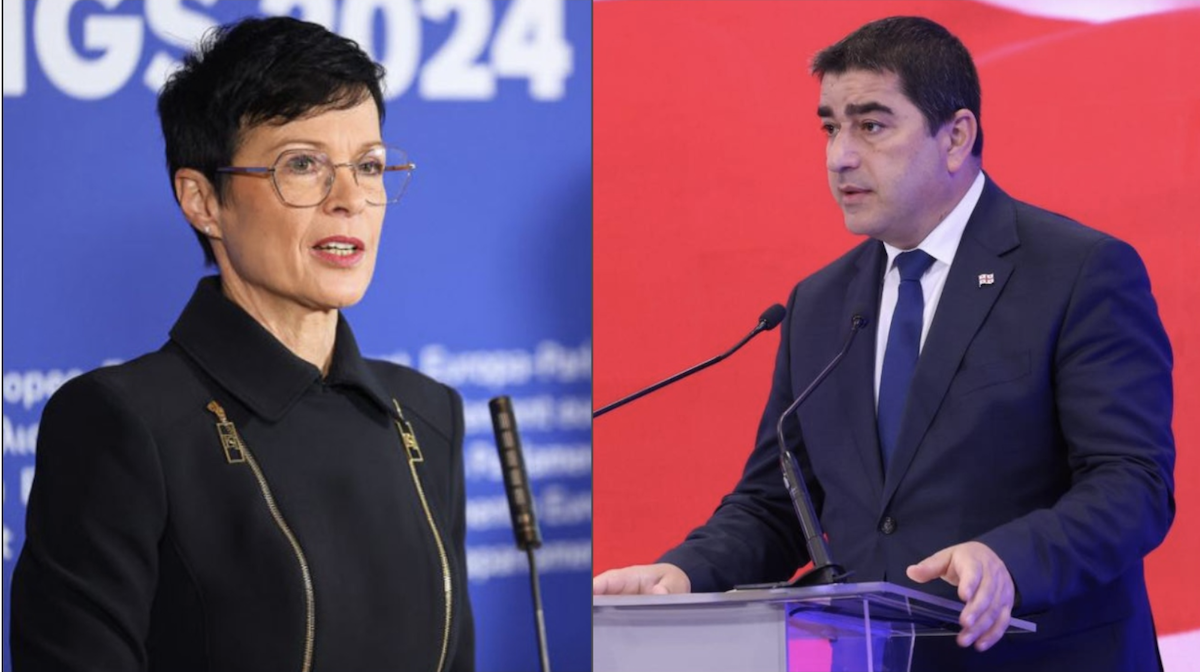
Political prisoners and cases against opposition figures
A significant part of the resolution is devoted to political repression and the issue of political prisoners.
According to the document, Georgia has 48 political prisoners and another 68 people in pretrial detention who were arrested on charges related to protest activities.
The resolution also calls for the release of former President Mikheil Saakashvili on humanitarian grounds and for him to be allowed to receive medical treatment abroad.
The case of journalist Mzia Amaghlobeli is highlighted separately.
The resolution also criticizes the arrests of opposition politicians, legislation targeting civil society, and attempts to criminalize criticism of the authorities.
A separate section is devoted to the detention of opposition leader Elene Khoshtaria. The European Parliament condemns what it describes as inhuman and degrading treatment during her detention and calls for her immediate release.
The case of Irakli Garibashvili
The resolution also refers to the case of former Prime Minister Irakli Garibashvili. According to the document, Garibashvili was taken into custody after being convicted and pleading guilty in a corruption-related case.
At the same time, the authors of the resolution express serious doubts as to whether his trial met fair trial standards.
They argue that the case reflects broader problems, including politically influenced justice, informal power structures, and internal rivalries within Georgian Dream, with particular attention drawn to the role of the party’s founder and honorary chairman, oligarch Bidzina Ivanishvili.
Sanctions against Bidzina Ivanishvili
The resolution calls on the European Union to impose targeted sanctions on Bidzina Ivanishvili, members of his family, and his close associates.
The document describes Ivanishvili as the central figure in Georgia’s political system and the person responsible for the country’s shift away from its pro-European course.
On pro-government TV channels
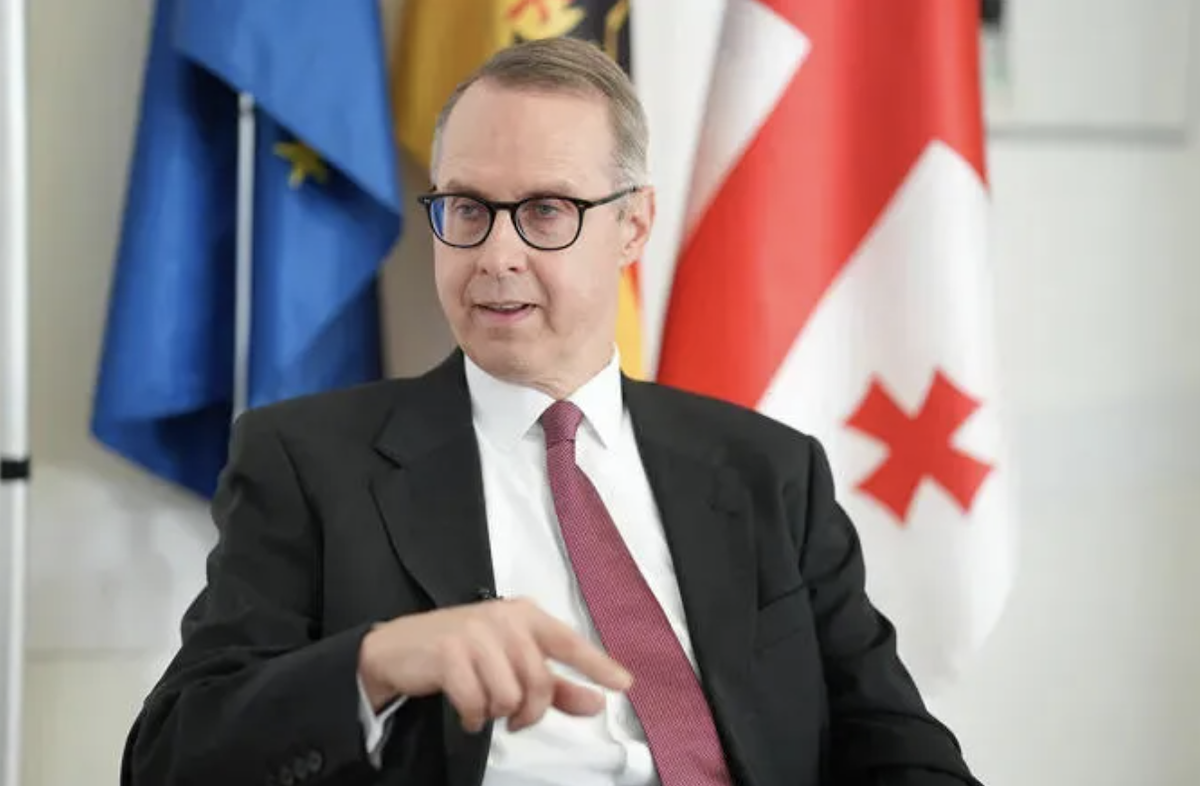
The resolution strongly condemns the role of media outlets, including Imedi TV, POSTV and Rustavi 2, accusing them of “spreading systematic disinformation, smear campaigns and hostile propaganda against the European Union, its institutions and representatives, including the head of the EU Delegation to Georgia and diplomats from EU member states.|
The resolution also notes the UK’s recent decision to impose sanctions on Imedi TV and POSTV.
The European Parliament calls on EU institutions to review the accreditation of such media outlets within EU institutions and urges member states to follow the UK’s example by adopting appropriate and proportionate restrictive measures against individuals and entities responsible for organizing and financing these disinformation campaigns, including under the EU Global Human Rights Sanctions Regime.
Russia, China and Iran
The resolution also addresses Russia’s occupation of Georgian territories, possible sanctions-evasion schemes benefiting Moscow, the growing influence of China and Iran in Georgia, and the suspension of the strategic partnership between the United States and Georgia.
Regarding China, the European Parliament expresses concern over the involvement of a Chinese state-owned company in the Anaklia deep-water port project.
On Iran, the resolution highlights the risks posed by economic and financial networks that, according to MEPs, could be used to circumvent sanctions and facilitate money laundering.
News in Georgia
BMW AG shares on the Frankfurt Stock Exchange fell sharply on Wednesday, dropping around 7% after the German automaker issued a profit warning, citing weakening demand in China and broader economic uncertainty linked to escalating tensions in the Middle East, including the Iran conflict, AzerNEWS reports, citing foreign media.
Summary
Recent developments highlight deepening geopolitical realignments in West Africa, alongside a surge in OSINT-driven counter-trafficking efforts and historical spycraft resurfacing as modern intelligence tactics. Mauritania’s engagement with the Alliance of Sahel States signals a potential shift in regional security dynamics, while child trafficking data in Kosovo underscores persistent vulnerabilities. Meanwhile, historical spy anecdotes and real-time flight tracking reflect evolving OSINT applications in both analysis and operational contexts.
Key Stories
Mauritania strengthens ties with Sahel alliance amid regional realignment — Mauritania’s Defense Minister completed a tour of AES member states, meeting Burkina Faso’s leader in a move that may indicate broader coordination against instability or external influence in the Sahel. This follows patterns of post-colonial security blocs consolidating to address shared threats.
Kosovo child trafficking crisis spurs specialized OSINT training for police — A partnership with anti-trafficking groups revealed 59% of identified victims in Kosovo are children, prompting targeted OSINT training for local investigators. The initiative focuses on digital footprint analysis to combat online-facilitated exploitation, suggesting a growing reliance on open-source tools to address transnational crime.
Historical spycraft tactics resurface as modern OSINT themes — A series of anecdotes about Cold War and 18th-century spies highlights enduring tactics like misdirection (e.g., Benjamin Franklin’s coonskin cap) and persona reinvention (e.g., Maria Butina’s Western pivot). The emphasis on hats as symbolic or operational tools may reflect contemporary OSINT’s focus on visual and behavioral cues in digital surveillance.
Real-time OSINT tracks high-profile U.S. government flights — Air Force Two’s detection over Europe via open-source flight tracking demonstrates OSINT’s expanding role in monitoring diplomatic and military movements. The incident underscores how publicly available data can expose operational patterns, raising questions about counterintelligence vulnerabilities.
Disputed MOU leak suggests undisclosed diplomatic concessions — Allegations of a suppressed memorandum of understanding being accurate point to potential backchannel agreements or policy reversals. The claim of a total surrender hints at internal divisions over strategic direction, though details remain unverified.