
The Swedish government has decided to abandon its previous proposal to lower the age of criminal responsibility from 15 to 13 years, citing insufficient support in Parliament, AzerNEWS reports.
Day: June 11, 2026
Opinion on Georgia and China
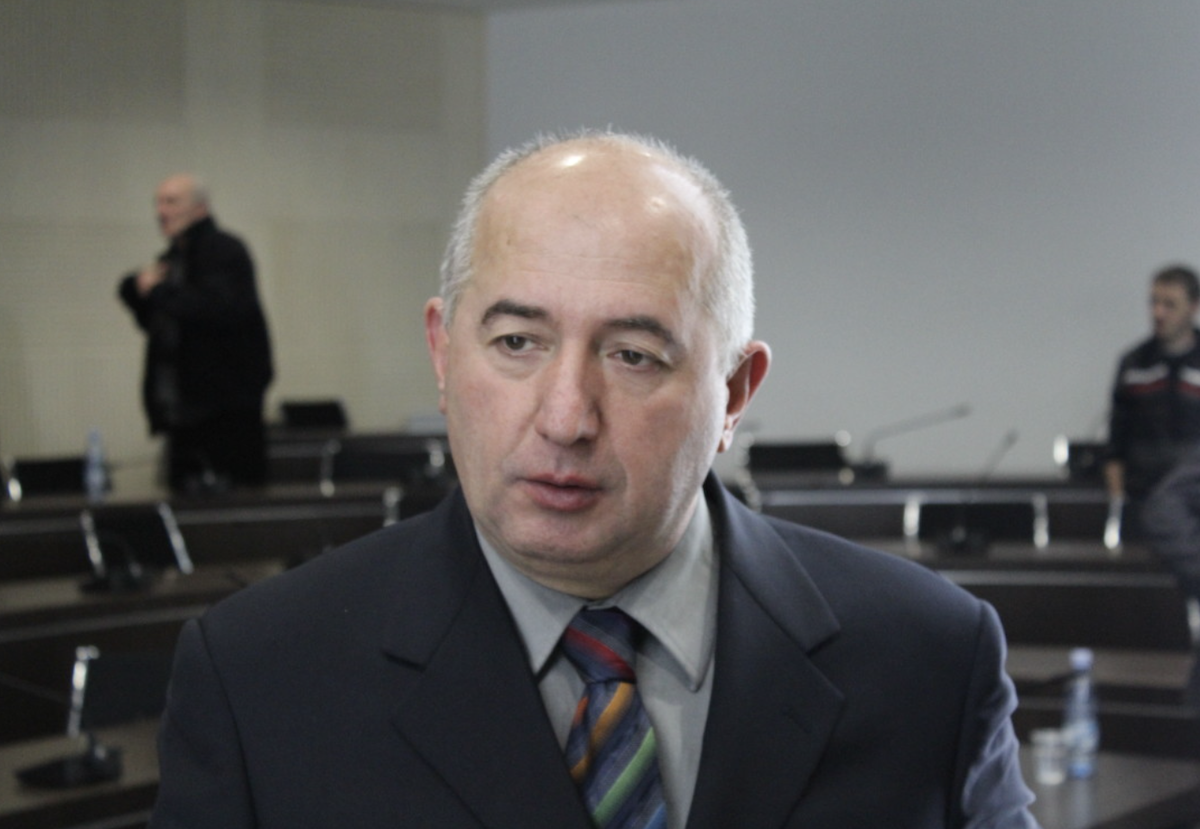
According to Paata Zakareishvili, Georgian Dream is hypocritical, and its supporters allow the ruling party to mislead them. However, the political analyst argues that Georgian Dream will not be able to deceive the United States or the European Union.
Commenting on China’s decision not to support the UN General Assembly resolution on internally displaced people from Abkhazia and Tskhinvali, Zakareishvili said this demonstrates that China’s true strategic partner is not Georgia, but Russia.
Zakareishvili also commented on the upcoming EU–Georgia visa dialogue meeting scheduled to take place in Brussels.
According to the political analyst, the European Union will revoke visa liberalisation for Georgia because, in his view, Georgian Dream has done everything possible to bring about that outcome.
Paata Zakareishvili: “Georgian Dream’s ideas about America — that some kind of reset has taken place and that Georgia and the United States are equal partners — do not reflect reality. The United States has its own views. It believes that Georgia has changed course and abandoned its commitments to NATO and the European Union.
Georgian Dream is under the illusion that everyone in the US simply follows Trump. That is not the case. America is a country with strong institutions. Trump will leave, someone else will come, but the institutions will remain. In the United States, officials often even correct Trump’s statements. Georgian Dream seems to believe that because someone is president, that person decides everything. That is simply not true.
The latest US resolution also clearly showed that Georgia’s ties with Russia and China are unacceptable to Washington. For some reason, Iran was not included in the resolution, but Iran continues to be mentioned in this context everywhere and all the time.
We have undertaken obligations requiring our foreign policy to align with that of the European Union, yet Irakli Kobakhidze is violating those commitments. No one is saying that Georgia cannot have relations with China or Iran. But it must coordinate its relations with China with its relations with the European Union.
Yesterday, the leading states of the European Union announced that they would tighten accession conditions to avoid ‘surprises like Orban’ in the future. Countries joining the EU today will not have veto rights for several years, among other restrictions.
Where does our constitution mention China?
The main problem with Georgian Dream is hypocrisy. It claims to be moving towards the European Union while constantly attacking it. It does not openly say it is moving towards China, yet it praises China. Voters know they are being misled. Pushkin had a famous line: ‘I am glad to be deceived myself.’ Georgian Dream voters seem similarly content because they allow the government to deceive them. But the United States and the European Union cannot be deceived. They see these double standards.”
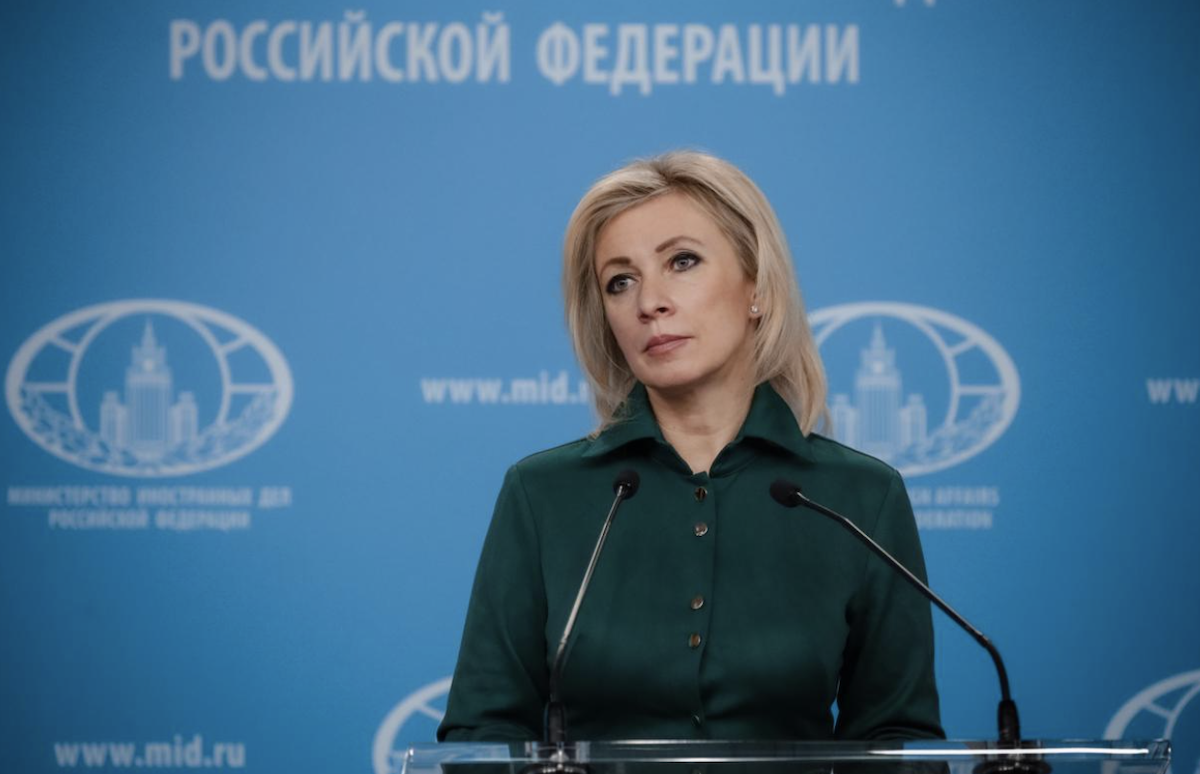
“China does not place much value on its strategic relationship with Georgia. I would like to remind experts that when several UN Security Council member states issued a letter in support of Georgia, China did not join it. There was no obstacle preventing China from doing so. Five or six countries backed Georgia, but China did not.
I can confidently say that China has never voted in support of Georgia — not now, and not in the past. Our so-called strategic partner always stays on the sidelines, even though one of the defining features of a strategic partnership is a willingness to defend the interests of that partner.
China’s real strategic partner is not Georgia, but Russia. Some may argue that Georgia is trying to distance itself from Russia. But let me remind you that around 70% of Belarus’s economy is linked to China, and that has not stopped Belarus from remaining a satellite state of Russia.
Do you know what Lukashenko and Ivanishvili need? They need powerful and influential countries to recognise their rule. Russia and China do not care what kind of regime you have in place.”
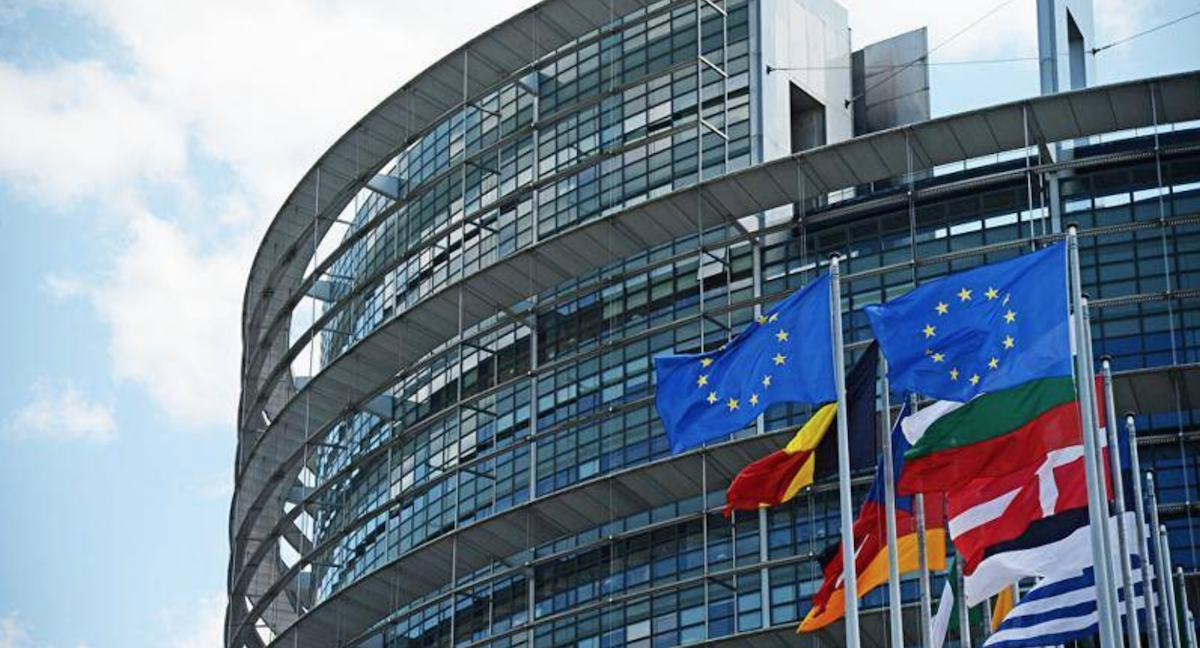
“The European Union is holding another technical meeting, but this is more than just a routine discussion. Such meetings assess whether a country continues to meet the conditions attached to specific arrangements. In this case, the issue is visa liberalisation.
The outcome of this meeting could show that Georgia no longer meets the requirements it fulfilled when it obtained visa-free travel. Last year, I said that Georgia faced no real risk of losing visa liberalisation. This year, I am no longer certain, because the authorities have escalated their attacks on the European Union to such an extent.
If I were a member of the European Parliament, I would certainly say that we do not need a state like this. People are dying in Iran, yet Iran does not have visa liberalisation. Why should we grant it to Georgians if they do not vote and allow their government to wield so much power against us?
Georgian Dream is deliberately acting in a way that could lead to the loss of visa liberalisation and then shift all the blame onto the European Union.”
Opinion on Georgia and China
Opinion on Georgia-China-US relations
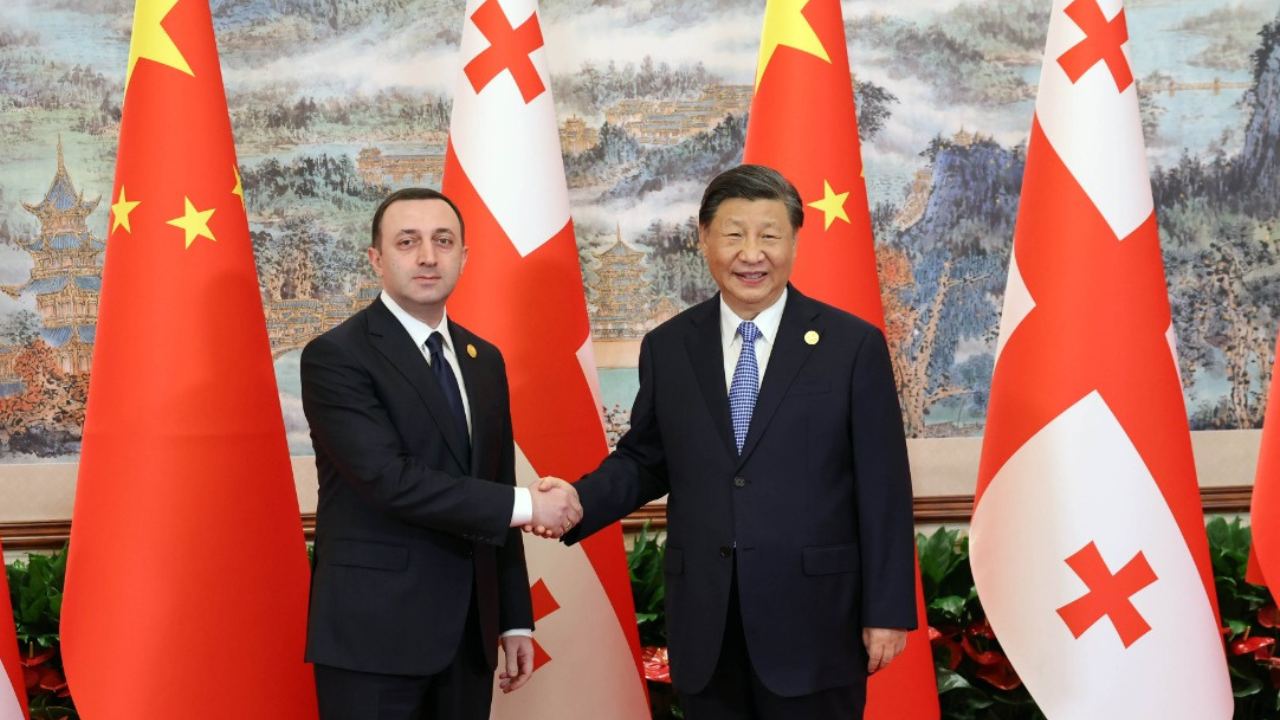
According to historian Teimuraz Papaskiri, Georgia‘s decision to sign a comprehensive strategic partnership agreement with China raises important questions. In the expert’s view, closer ties with one of Russia’s key strategic partners effectively amount to closer alignment with Russia itself. Papaskiri also argued that relations with China cannot replace Georgia’s partnerships with the European Union and the United States.
At a briefing on relations with China, Prime Minister Irakli Kobakhidze said that the strategic partnership agreement signed by Georgia and China on 9 June 2026 would take bilateral relations to a new level and bring significant political and economic benefits to the country.
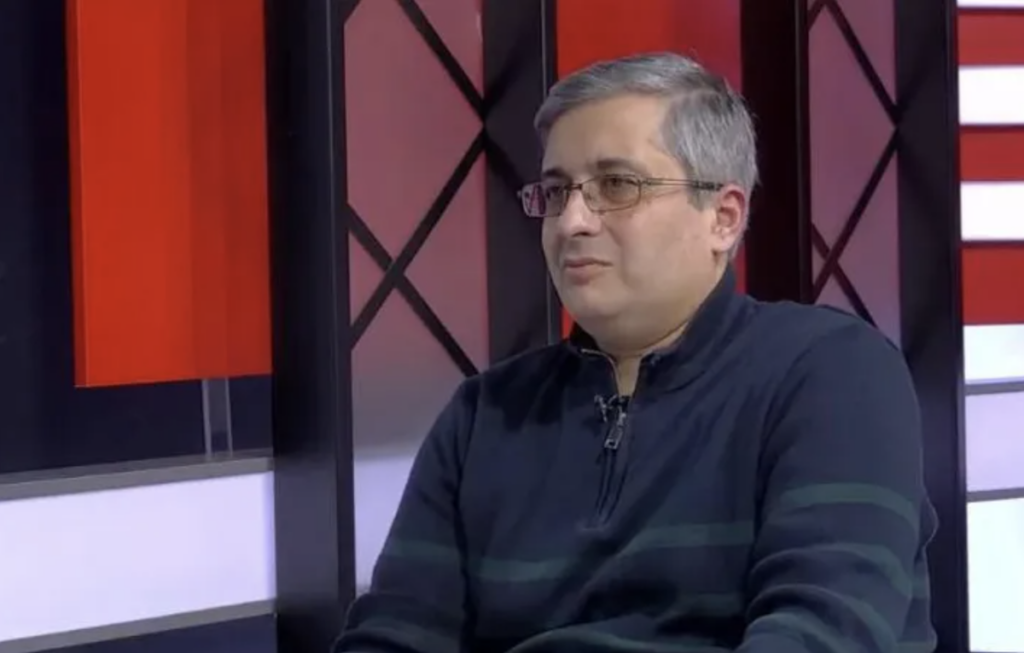
Teimuraz Papaskiri: “Normally, there is nothing wrong with signing a strategic agreement, because the more strategic partners you have, the stronger your position in international politics. But we now find ourselves in a different situation. The strategic partnership agreement with the United States has effectively been suspended. We also face a very difficult situation in our relations with the European Union.
Against that backdrop, Georgia is signing an agreement with China, which raises questions because China does not support our country’s territorial integrity in the way that the United States and the EU do.
China has consistently refrained from supporting the UN resolution on the return of refugees to Abkhazia. That is why the real question is how beneficial this cooperation actually is for us.
Who is China’s strategic partner today? It is a strategic partner of Russia and Iran. Joining that camp is highly undesirable. Russia is our enemy. It occupies part of Georgia’s territory. Entering into a strategic alliance with Russia’s strategic partner effectively means entering into an alliance with Russia.”
“It is difficult to say exactly what China’s interests in Georgia may be. We know that China pursues certain financial projects in different regions. These arrangements have often created serious difficulties for countries that entered into such agreements with Beijing. African countries, in particular, have faced problems linked to China’s financial policies.
Relations with China cannot in any way replace Georgia’s relationship with the European Union. The EU and Europe are the partners that are closest to our population in terms of lifestyle and mentality.
The United States is also close to us in that sense, although it is geographically much farther away. The key issue is that the US views China as its main strategic rival. Forming an alliance with China is therefore short-sighted, especially at a time of undeclared conflict between the United States and Iran, another of China’s partners. China cannot replace the United States and Europe for Georgia.
Georgian Dream is effectively telling the United States: ‘We do not intend to maintain relations with you. We prefer China.’
The problem with Georgian Dream is that it wants to behave like a dictatorship, even though it cannot afford to do so. It also wants others to treat it as they treat authoritarian regimes, but that is not going to happen.”
Opinion on Georgia-China-US relations
Political prisoners currently in detention have issued a statement announcing the establishment of Political Prisoners’ Day in Azerbaijan.
The statement says: “On May 28, Azerbaijan celebrated Republic Day – Independence Day. However, unfortunately, in a country that is now 108 years old, no concrete reforms have been carried out regarding human rights and freedoms. In particular, during the Aliyev family’s last 30 years in power, civil rights and freedoms have deteriorated to a level even worse than during the 70 years of Soviet authoritarian rule. The current authoritarian government has comprehensively restricted all political, economic, and cultural freedoms, suppressed political competition, and completely dismantled the media and civil society institutions. The country’s politically active citizens, opposition leaders, representatives of civil society, and members of the media have been subjected to repression and imprisonment. Overall, political arrests and pressure have become a routine form of punishment during the 30 years of authoritarian rule. At present, there are more than 300 political prisoners in Azerbaijan, including 9 women journalists.
Taking all of this into account, and considering that the problem of political prisoners has remained a pressing issue in the country for 30 years, we consider it necessary to establish and annually observe Political Prisoners’ Day in Azerbaijan. Therefore, we designate November 18, the memorial day of Azerbaijan’s first female political prisoner, political activist Faina Kungurova, who was imprisoned, tortured under the Aliyev government, and died in prison while on a hunger strike, as Political Prisoners’ Day in Azerbaijan.”
Azerbaijani citizen Faina Kungurova was born on October 18, 1974, and died on November 18, 2007, in prison while on a hunger strike.
The political prisoners appealed to the Azerbaijani people and the international community to treat this issue with sensitivity, to observe Political Prisoners’ Day every year beginning on November 18, 2026, and to commemorate Faina Kungurova, who lost her life in the struggle for democracy, at her grave.
The statement was signed by the following detainees who are recognized as political prisoners: Shamshad Agha, Aynur Elgunesh, Akif Gurbanov, Natig Javadli, Ruslan Izzatli, Rufat Safarov, Sevinj Vagifgizi Aytaj Tapdig, Khayala Aghayeva, Aysel Umudova, Ulviyye Ali, Fatima Movlamli, Ramin Deko, Nurlan Gahramanli, Ahmad Mukhtar, Nargiz Absalamova, Ulvi Hasanli, Elnara Gasimova, Mushfig Jabbar, Afiyaddin Mammadov, Farid Ismayilov, Ramil Babayev, Ilkin Amrahov, Mammad Mammadzada, Bahruz Samadov, Hafiz Babalı, Imran Aliyev, and Ali Zeynal.
The post Political Prisoners’ Day established in Azerbaijan appeared first on MEYDAN.TV.
The post Political Prisoners’ Day established in Azerbaijan appeared first on azeritimes.com.
MERCEDES BENZ VEHICLE PAINT CODES Mercedes Benz Vehicle Paint Codes ( * = metallic) 019 designo red* (crimson metallic*) 040 black (schwarz) 050 white (weiss) 122 pearl grey (perlmattgrau)* 124 arabian grey (arabergrau) 125 pearl grey (perlgrau) 131 pastellweiss 140 silver grey (silbergrau) 143 fern white 147 arctic white (arcticweiss) 149 polar white (polarweiss) 153 snow white (schneeweiss …
Copy the code into a file. It’s usually best to create a new file, so existing code won’t interfere with the example code. Once the file has been created, open it for editing and copy-paste the code. Run the file: Once you have the code in a script (.ahk) file, running it is usually just a case of double-clicking the file; but there are other …
Categories
China launches test satellite
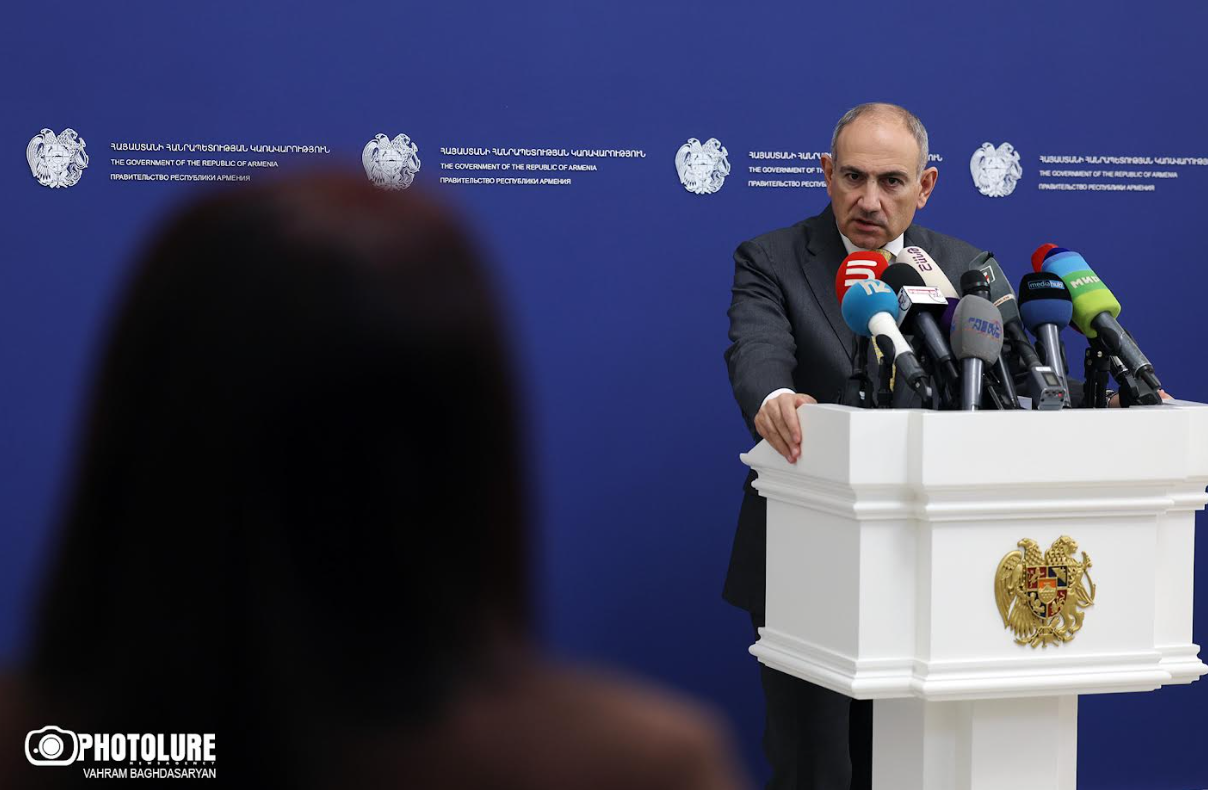
Pashinyan unconcerned about possible CSTO expulsion
“I know that the CSTO charter contains a mechanism for expulsion, and that mechanism exists. If the member states decide to expel Armenia, we will have to take note of that decision,” Prime Minister Nikol Pashinyan said at a briefing.
A day earlier, Russian Foreign Minister Sergei Lavrov announced that member states of the Russian-led military alliance had agreed to consider applying a relevant provision of the organisation’s charter to Armenia because it has not paid its membership fees for two years.
Although media outlets and social media users have discussed the possibility of Armenia’s expulsion from the organisation, Lavrov did not explicitly raise that prospect. Instead, he noted that under the CSTO charter, if a member state fails to pay its contributions, the CSTO Council may suspend the right of that country’s citizens to hold quota-based positions within the organisation and strip them of voting rights in CSTO bodies until the debt is fully repaid.
Pashinyan said Armenia will not pay the membership fees.
“We are not going to change anything,” he said.
He also stated that the possibility of Armenia being expelled from the CSTO does not concern him.
Under Article 20 of the CSTO Charter, if a member state fails to fulfil its obligations, the organisation may suspend that country’s participation in CSTO bodies. If the situation persists, member states may ultimately decide to expel the country from the alliance. Should the process reach that stage, Armenia would not be able to take part in the vote on its own membership.
Armenia froze its participation in the bloc after its allies failed to fulfil what Yerevan considers their treaty obligations to protect Armenia’s sovereign territory following incursions by Azerbaijani forces. Moreover, when Armenian authorities requested assistance from the CSTO, the organisation responded by arguing that the border had not been formally demarcated.
In response, Prime Minister Pashinyan said:
“To claim that there is no border between Armenia and Azerbaijan is effectively to say that the Collective Security Treaty Organisation has no area of responsibility. And if there is no area of responsibility, then the organisation itself does not exist.”
- ‘Russia’s Plan B has been activated’: analysis of Armenia’s preliminary election results
- ‘Russia has lost in Armenia too’ – Georgia reacts to Pashinyan’s victory
- ‘We avoided disaster and overcame information interference’: views on Armenia’s election
What if Russia does not recognise Armenia’s election results? Pashinyan responds
One journalist congratulated Pashinyan on his election victory and added that he was doing so on behalf of Russian President Vladimir Putin.
“Well, yes, he hasn’t congratulated me. Let’s hope he will,” the prime minister replied.
Pashinyan also commented on Moscow’s negative assessments of the election, including allegations of violations. He stressed:
“The President of Russia is a rational person who relies on facts and arguments. If concerns arise on their side, we will patiently try to address them and continue our work. There are no problems.”
Another journalist asked whether relations between Armenia and Russia could deteriorate if Putin chose not to “recognise” the election results.
“What does it mean not to recognise the election? First of all, there is the CIS election observation mission at the institutional level. That is the institutional mechanism through which Russia can have a connection to our elections. The mission has already issued its assessment. Russian observers were part of it. Everything else is a matter of rhetoric, and we will discuss that,” Pashinyan replied.
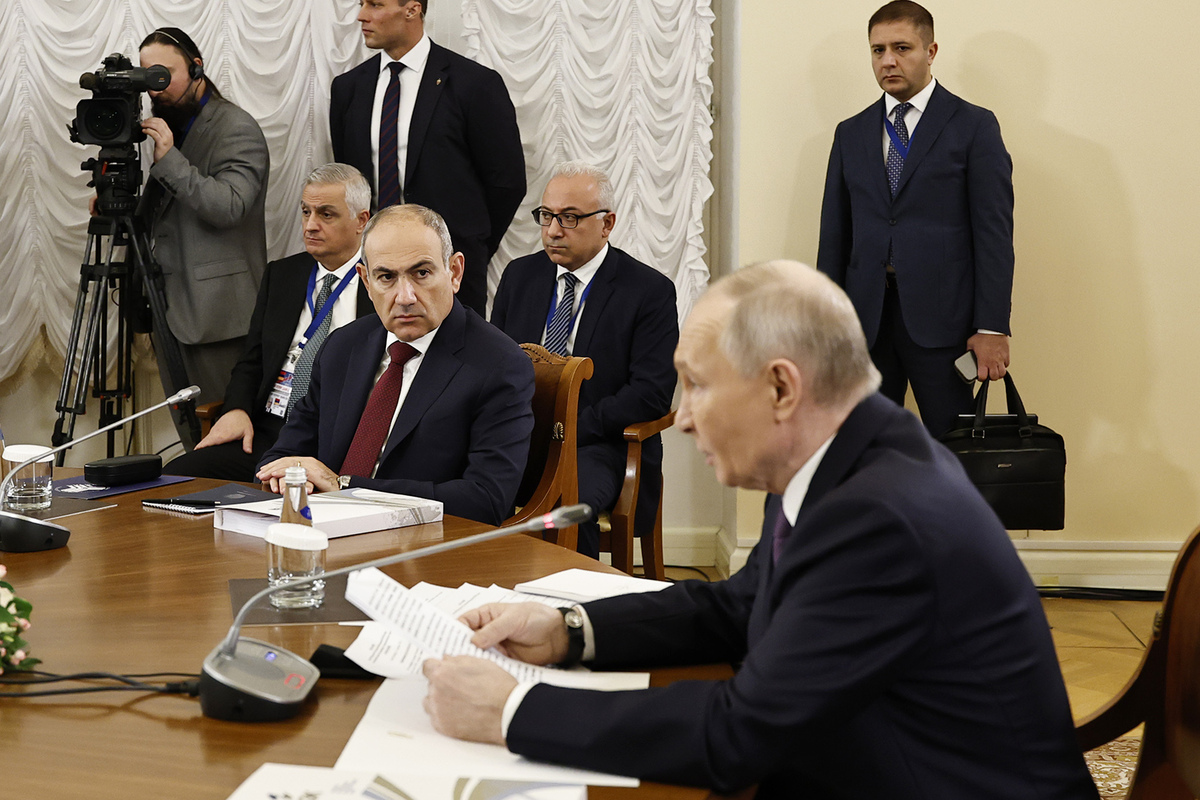
‘If I receive an invitation, I will go’ — on a possible visit to Moscow
“There was an understanding regarding a visit to Russia, but I need an invitation in order to go. If I receive an invitation, I will go,” Pashinyan said.
The prime minister had previously stated that he would visit Russia in the second half of June, in line with an understanding reached during his meeting with the Russian president in April.
However, Putin’s spokesman said a day earlier that no specific agreement on a meeting had been reached. He also noted that Moscow was waiting for the final election results.
“Depending on how this election process concludes, we will make decisions about a meeting at the bilateral level,” Dmitry Peskov said.
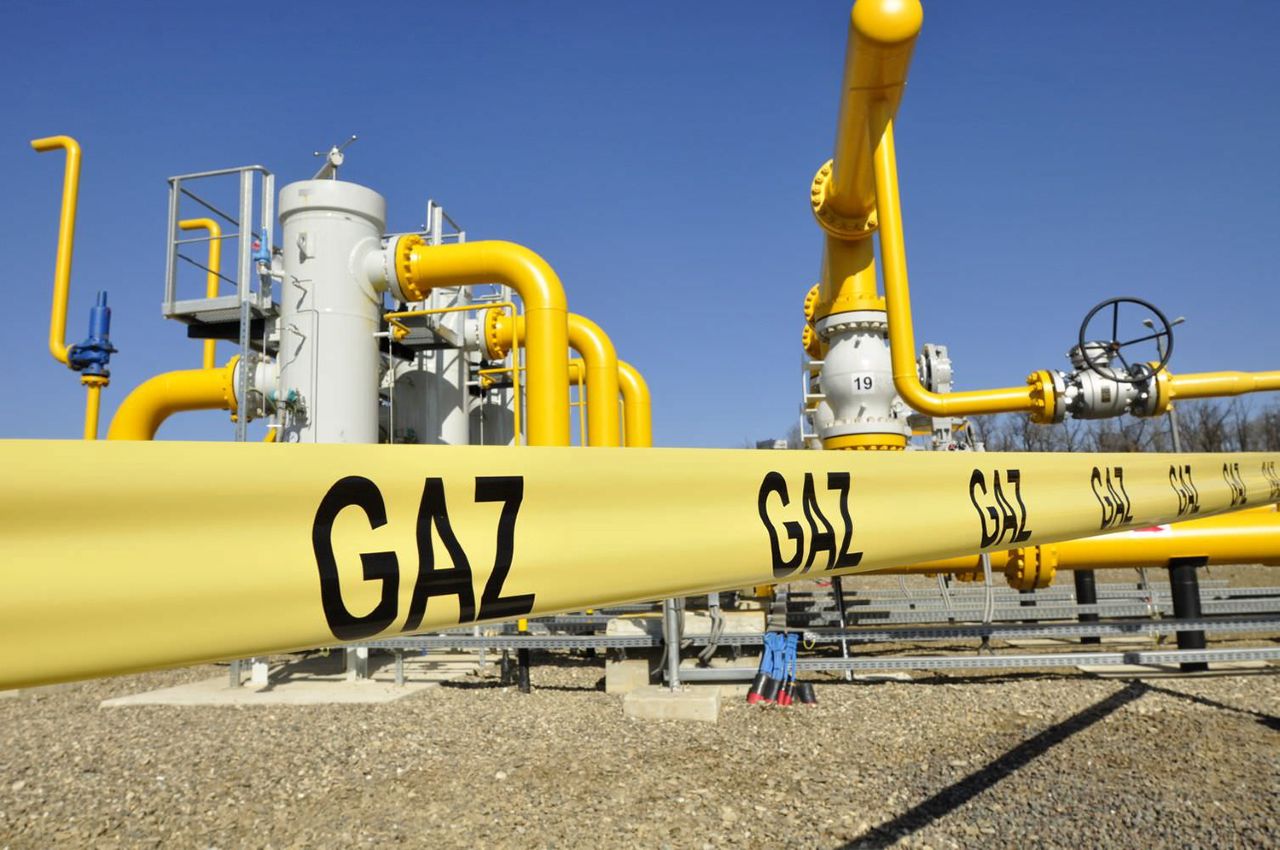
Gas price increases would contradict existing agreements
Asked about the possibility of higher prices for Russian gas, the prime minister again referred to long-term agreements and contracts signed by the two countries.
“I find it difficult to imagine how one party to an agreement could refuse to fulfil its obligations.”
He noted that concerns and discussions about possible gas price increases are not new and tend to emerge periodically. According to Pashinyan, he has found himself at the centre of such debates “twice a year” throughout his eight years as prime minister.
Pashinyan said his government was prepared for all possible scenarios.
‘There will be no war, there will be peace’ — on relations with Azerbaijan
During the election campaign, Pashinyan said that war could break out in September if his Civil Contract party failed to secure a constitutional majority in parliament.
According to the preliminary results, Civil Contract won 727,827 votes, or 49.825%. The result gives the party a parliamentary majority, but not a constitutional one.
The ruling party needs a constitutional majority to initiate a referendum on amending the constitution. A simple majority is not enough. Meanwhile, Azerbaijan has refused to sign a peace agreement while Armenia’s constitution continues to reference the Declaration of Independence, which includes language on the reunification of the Armenian SSR and Nagorno-Karabakh.
“Because we will consistently pursue the peace agenda and support it by every possible means, there will be no war, there will be peace,” Pashinyan said.
He argued that bilateral trade could provide an important foundation for peace between the two countries.
“We must now focus on implementing the TRIPP project [a transit route through Armenia that would connect Azerbaijan with its exclave of Nakhchivan]. We must also continue work on signing and ratifying the peace agreement.”
Pashinyan stressed that the Armenian authorities had not forgotten Armenian nationals being held in prisons in Baku. He added that Armenia also intends to cooperate with Azerbaijan on the issue of missing persons from both sides.трудничать с Азербайджаном по вопросу о пропавших без вести лицах с обеих сторон.
‘They would not have entered parliament without vote-buying’ — on the opposition
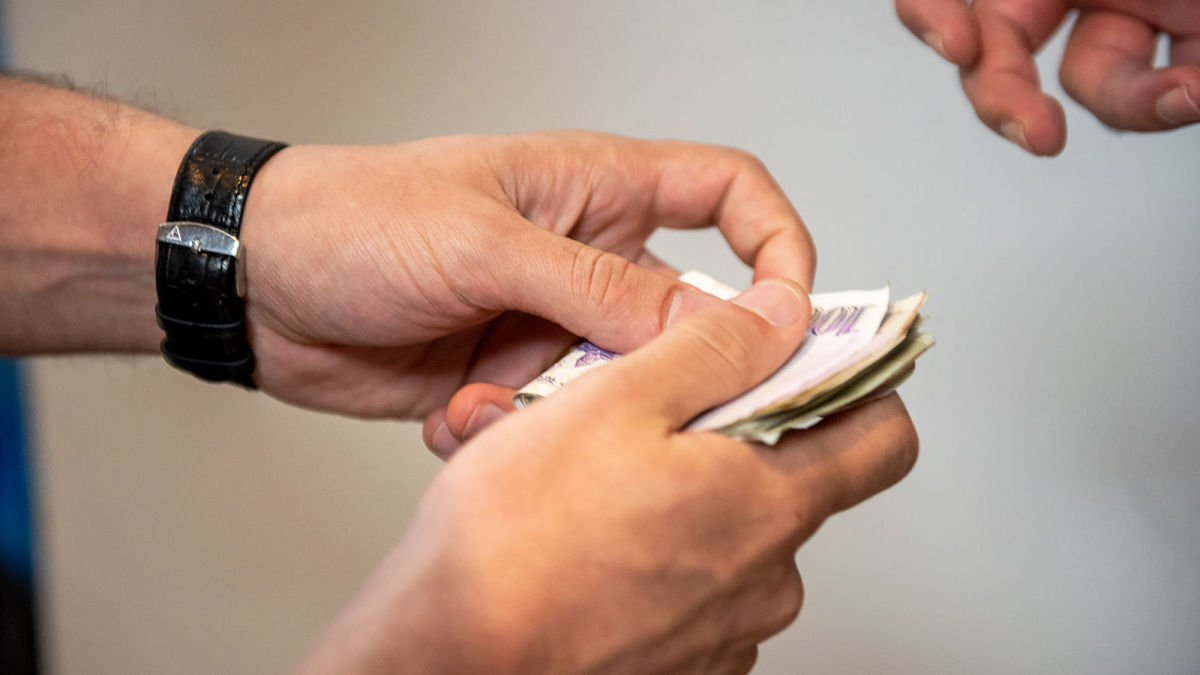
According to the prime minister, Civil Contract secured all of its votes through what he described as genuine public support. By contrast, he alleged that three opposition forces — the Strong Armenia and Armenia alliances, as well as the Prosperous Armenia party — won votes by bribing voters.
“No one voted for them without money. If the opposition does not receive mandates, we will have a 100% legitimate parliament,” he said.
Otherwise, he argued, the public would see “stacks of cash” at the parliamentary podium rather than politicians with genuine political value.
Pashinyan claimed that the opposition crossed not the parliamentary threshold but a “financial threshold”. He also argued that the judicial system must respond.
“Anyone caught buying votes in this election should remain in prison until the next election results are announced. If that does not happen, it means the judicial system is acting against the state. And the state should respond.”
Pashinyan described such a response as part of an effort to “eradicate the mafia”.
The prime minister also accused judges of corruption.
“All judges who take bribes will be identified one by one and brought to trial. Their names will be made public when criminal cases are opened against them,” he said.
‘If they are talking about a deal, they should say who offered what to whom’
According to the preliminary results, businessman Gagik Tsarukyan’s Prosperous Armenia party failed to clear the 4% threshold required to enter parliament. It fell short by just 0.004 percentage points. The party has submitted a request to the Central Election Commission for a recount at several polling stations.
Media reports have circulated claims that the party initially passed the threshold but that the government allegedly offered it a deal: entry into parliament in exchange for acting as Pashinyan’s “pocket opposition” and, if necessary, helping secure a three-fifths majority. The opposition newspaper Hraparak made the allegation, citing unnamed sources.
Pashinyan denied any such arrangement and said:
“If they are talking about a deal, they should say who offered what to whom.”
The prime minister went on to claim that if he had offered Tsarukyan a deal, the businessman would have accepted it immediately.
“No one offered him a deal in Armenia. That is why he wandered around the world looking for a favourable deal. He eventually found one, only to discover that someone had merely recruited him without his even realising it,” Pashinyan said.
Pashinyan unconcerned about possible CSTO expulsion