
Pakistan has intensified its efforts to broker a breakthrough between Iran and the United States, dispatching Interior Minister Mohsin Naqvi to Tehran for high-level discussions with senior Iranian officials amid continuing deadlock in negotiations between the two sides.
Day: June 7, 2026
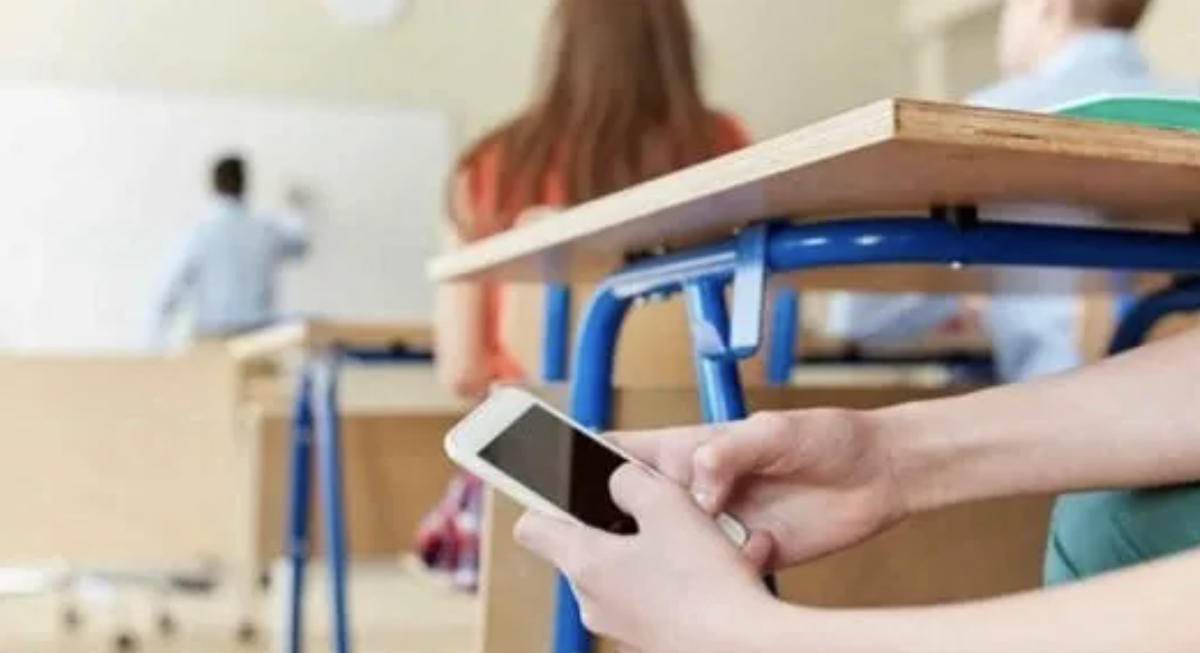
Georgia to restrict mobile phones in schools
Georgia‘s Ministry of Education, Science and Youth has approved nationwide rules governing the use of electronic communication devices in schools. The new regulations set out the conditions under which pupils may use electronic devices during the school day, rules for communication with parents, as well as the rights and responsibilities of schools and students.
Under the ministry’s decree, both public and private schools must implement the necessary organisational and technical measures by 1 September 2026. These include the purchase and installation of dedicated storage lockers for mobile phones, smartphones and smartwatches.
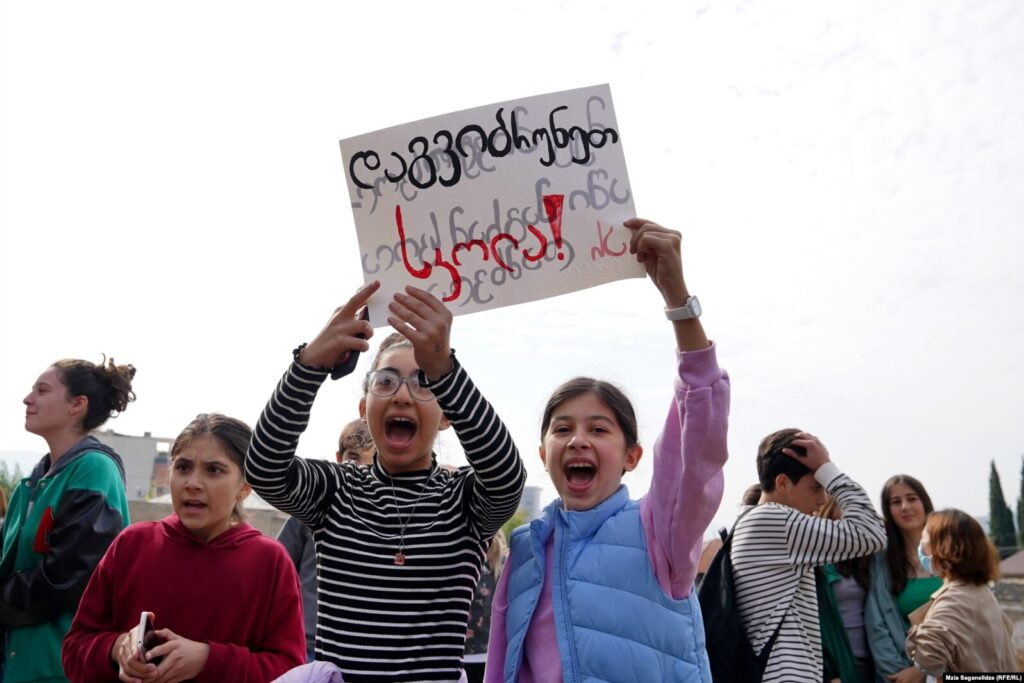
Under the new rules, non-essential use of electronic communication devices during the school day will be prohibited, except in cases specified by a school’s internal regulations.
Non-essential use is defined as keeping or using an electronic device in an active state during the school day without prior permission from an authorised member of staff.
The regulations allow the use of electronic communication devices in the following circumstances:
- with prior approval from an authorised staff member for educational purposes;
- for health monitoring or other medical needs, provided a parent or legal guardian has submitted the relevant documentation to the school in advance;
- during emergencies and exceptional situations;
- for pupils with special educational needs or disabilities, based on a joint decision by the relevant specialist, class teacher and parent;
- where required to support a pupil’s learning or daily functioning, subject to an assessment by an appropriate specialist;
- in other cases provided for under the school’s internal regulations.

Communication between pupils and their parents or legal guardians will take place through official channels designated by the school.
The ministry said the new rules are intended to improve the effectiveness of the learning process and help ensure a safe and well-organised school environment.
Georgia to restrict mobile phones in schools
Categories
Amazon.com: Oreo
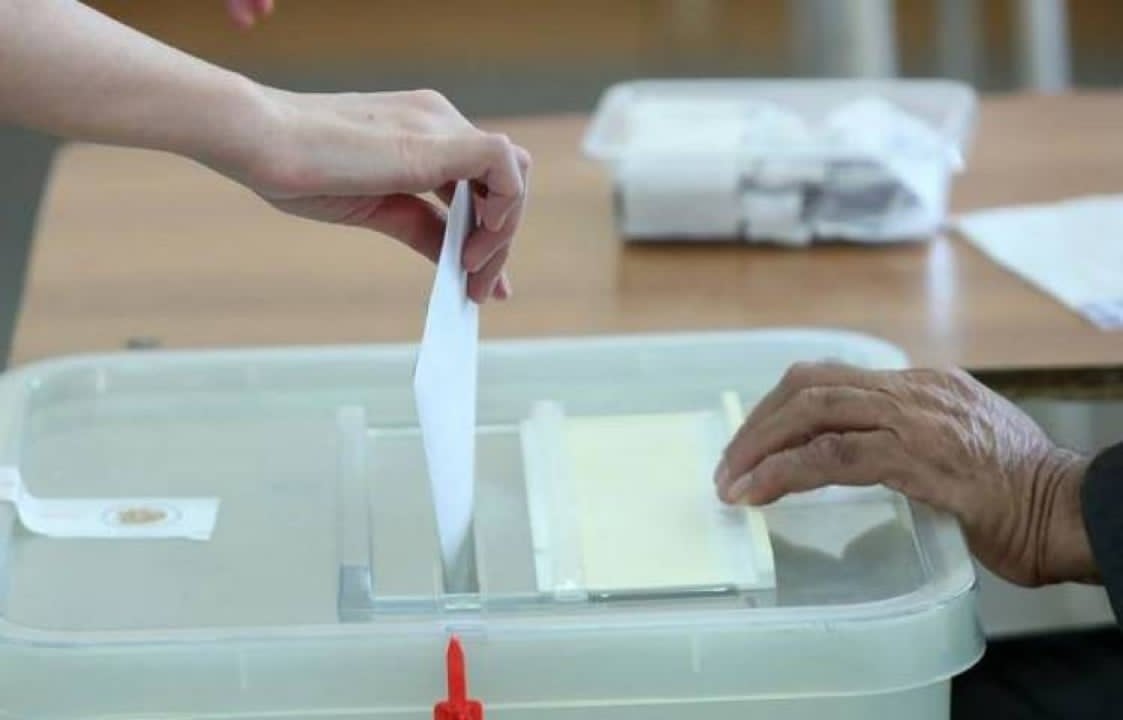
Armenia’s 2026 parliamentary elections
Polling stations across Armenia opened at 08:00 local time and will close at 20:00.
Given the unprecedented political tensions and deep social polarization that preceded the vote, as well as the extensive election campaigns conducted by the 18 political forces competing in the elections, voter turnout is expected to be high.
At the same time, opinion polls conducted during the final stage of the campaign suggested a high level of public disillusionment with the political class:
- 40% of respondents said they did not trust any politician;
- 23% remained undecided.
As a result, many analysts have described the election outcome as highly unpredictable.
As of June 6, the day before voting, the total number of registered voters stood at 2.489.031.
Armenia’s Interior Ministry said it would deploy 5,239 police officers to polling stations across the country to maintain public order.
Voters can find their designated polling station through a register available on the website of the Central Electoral Commission.
These elections have stood out from previous campaigns because of the scale of alleged vote-buying by some political forces. Authorities linked this to attempts by a foreign state to influence the outcome of the elections.
Law enforcement agencies have closely monitored the situation throughout the campaign. Armenia’s Anti-Corruption Committee regularly reported cases of alleged vote-buying and other election-related violations.
According to the committee’s latest statement, released on the official day of election silence:
- 103 criminal cases have been launched;
- 194 people have been detained;
- criminal proceedings have been initiated against 209 individuals;
- 10 people have been placed on a wanted list;
- 84 individuals have been subjected to arrest or house arrest;
- alternative preventive measures have been applied to 85 individuals;
- 12 criminal cases involving 45 defendants have been referred to court with indictments;
- 300 people have been questioned.
Before the elections, the Central Electoral Commission reminded everyone involved in the electoral process that election campaigning is prohibited on election day.
The voting process will be monitored by 13 local and 8 international observation missions, as well as representatives from 71 media outlets.
JAMnews is following developments throughout the day and will provide live updates on the most important election-related news as events unfold.
Who is running in election?
These are the parties and alliances contesting the election, along with the candidates heading their electoral lists:
- Civil Contract (Nikol Pashinyan)
- Strong Armenia (Narek Karapetyan)
- Prosperous Armenia (Gagik Tsarukyan)
- Wings of Unity (Arman Tatoyan)
- Armenia Alliance (Robert Kocharyan)
- New Force (Hayk Marutyan)
- Republic Party (Aram Sargsyan)
- For the Republic – Defenders of Democracy (Arman Babajanyan)
- Bright Armenia (Edmon Marukyan)
- Armenian National Congress (Levon Zurabyan)
- Democracy. Law. Discipline (Levon Baghdasaryan)
- Meritocratic Party of Armenia (Gurgen Simonyan)
- Democratic Consolidation (Suren Petrosyan)
- Christian Democratic Party (Levon Shirinyan)
- Kochari National Revival and National Awakening Party (Artak Sargsyan)
- National Democratic Pole Pan-Armenian Party (Gevorg Karapetyan)
- Against All (Spartak Kyureghyan)
- Reformists Party (Vagharshak Harutyunyan).
As part of the ongoing Days of Azerbaijani Culture in Turkmenistan, a joint scientific conference was held in the city of Arkadag to celebrate the enduring legacies of two iconic literary figures: Azerbaijani poet and educator Seyid Azim Shirvani (1835–1888) and renowned Turkmen poet Dovletmammet Azadi (1695–1760), AzerNEWS reports.