
Azerbaijan Becomes Israel’s Gas Safety Net The Media Line
Day: June 4, 2026
Parents of children diagnosed with Duchenne muscular dystrophy (DMD) are marking “victory” and announcing the end of rallies after reaching an agreement with officials to form a working group on ensuring access to “specific medications,” following months of protests and campaigns demanding modern treatments for a rare genetic disorder.
Georgian Dream Prime Minister Irakli Kobakhidze announced during a press briefing on June 4, after another meeting with parents, that the sides “reached an agreement on a number of specific medications,” noting that efforts will now begin to secure their provision. He added that the medications are not being publicly named “for particular reasons,” though parents will be informed about the details.
According to Kobakhidze, “final decision of the procurement of these medications will be made after considering various factors, including the terms and conditions offered by pharmaceutical companies.”
The announcement follows a second day of meetings between Georgian Dream government officials and parents, who have been protesting outside the Government Administration building in Tbilisi for more than a month, demanding state funding for DMD medications and direct talks with Kobakhidze.
“We can say for certain that this is a victory, the decision has already been made,” Tako Gogaladze, one of the parents, told journalists after the announcement, expecting medications to be “in Georgia” in a matter of two months. She said that initially, two medications will be introduced, refusing to name them in order not to harm the process. “This is a miracle … The children have won,” she said, announcing the end of the rallies.
The GD Health Minister Mikheil Sarjveladze described the working group as “critically important and necessary” to ensure the best interests of children and patients are protected. He said parents and patients would be the first to receive updates on developments, while the public would also be kept informed.
Around 100 children in Georgia are reported to live with DMD, a rare genetic muscle-wasting disease. Primarily affecting boys, symptoms usually appear between ages 2 and 5, leading to loss of mobility by age 10, and early mortality, typically between ages 25 and 30.
For over a year, parents have been calling on authorities to fund newer medications such as givinostat (Duvyzat) and vamorolone, which they say are approved or conditionally approved by leading drug agencies and used in Western countries, and can help slow disease progression. On April 20, they started non-stop round-the-clock rallies in front of the government administration building in Tbilisi, also organizing regular, larger protest marches in the capital every Sunday.
Georgian Dream government officials have voiced scepticism about the newer treatments, arguing that there is insufficient evidence of their effectiveness and that they may only delay disease progression and complications by a limited number of years. Authorities have also cited high costs associated with introducing newer medications.
On May 19, after repeated requests from parents, newly enthroned Patriarch Shio III also agreed to meet with them, with the Church expressing readiness to get involved in finding a solution.
Later in May, students of Ilia State University launched a fundraising campaign to help cover the urgent needs of the DMD patients, attracting widespread engagement and raising over GEL 1.5 million in a matter of a few days.
Also Read:
- 23/05/2026 – Students Raise 1 Mln in GEL for Children with Duchenne Dystrophy as Parents Fight for Modern Treatments
- 30/03/2026 – Families of Children with Duchenne Muscular Dystrophy Demand Access to New Treatments, Meeting with Kobakhidze
- 25/08/2025 – Teen With Disability in Critical Condition After Rejections from Hospitals, Delayed Care
- 15/11/2023 – Parents Rejoice as Long-expected Achondroplasia Medication Reaches Georgia
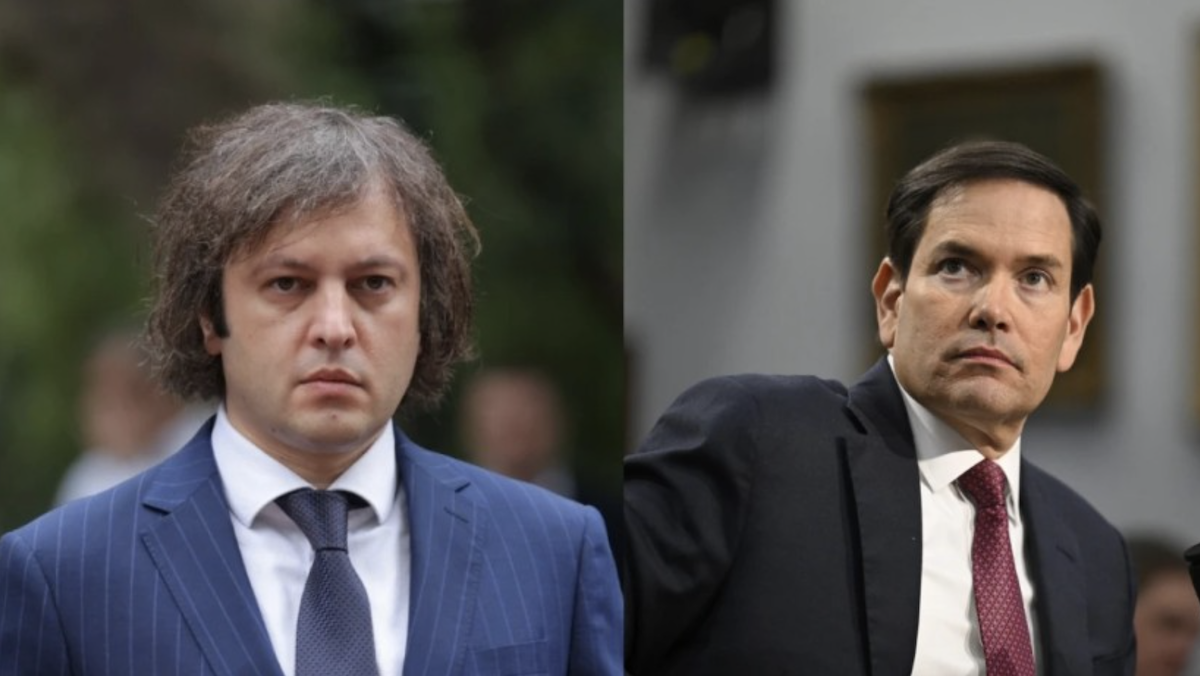
Georgian Prime Minister Irakli Kobakhidze has categorically rejected US Secretary of State Marco Rubio’s claim that Tbilisi had asked Washington how to restore relations between the two countries.
During a hearing in the US House of Representatives, Rubio publicly stated that the Georgian side had asked the United States what steps it needed to take to improve bilateral relations. “We answered that question, and I hope that, on that basis, we will be able not only to improve US-Georgian relations but also to correct their behaviour,” the secretary of state said.
According to Kobakhidze, official Tbilisi “never asked such a question”.
When a journalist asked whether that meant Rubio was lying, the Georgian prime minister replied:
“No, this is not about lying. When people speak, they can express things through their own interpretation. I can state with full responsibility that neither I nor any of my colleagues asked such a question. We said that we are ready to discuss any details related to restoring the strategic partnership.
Georgia is not a schoolchild whom someone can force to repeat a year and demand better behaviour from. Georgia is a dignified sovereign state, and we have made that position clear everywhere. You will not find any violations of democracy or the rule of law in Georgia. As for what the United States wants, you will learn that later,” Kobakhidze said.
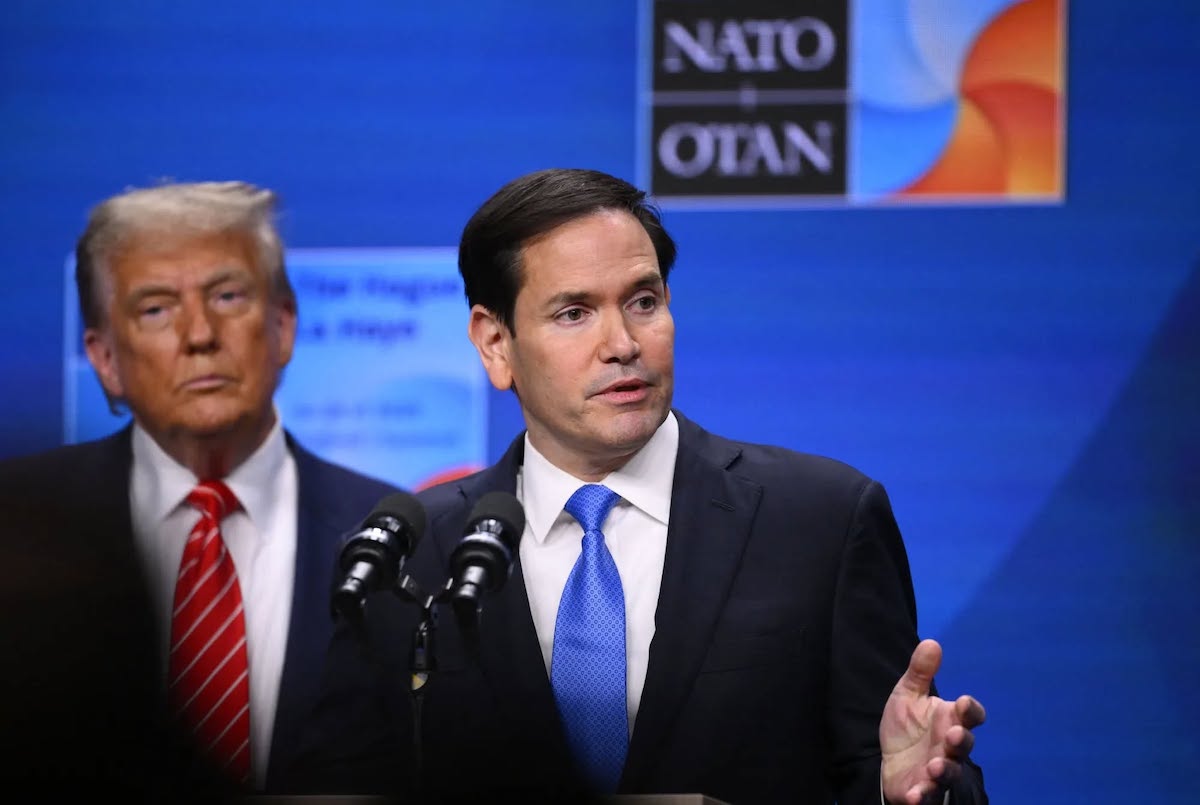
Georgian PM on relations with the United States
The Baku-Tbilisi-Kars line officially entered full operation on Tuesday, its freight capacity rising fivefold to five million tonnes per year. Georgia’s prime minister used the ceremony to signal Armenia could join. Whether Yerevan can, and whether it will, depends on an election, a Russian lease contract, and 41 kilometres of track through territory nobody can quite agree on.