
Google has reportedly requested permission from U.S. authorities to release 32 million male mosquitoes in California and Florida that are infected with a bacterium which prevents females from laying viable eggs. The initiative is aimed at reducing the spread of mosquito-borne diseases, AzerNEWS reports.
Day: June 3, 2026
Categories
Home – South Shore Bank
For three decades, the phrase “internally displaced person” remained one of the defining social realities of Azerbaijan. Following the conflicts of the early 1990s, the country carried one of the world’s highest per-capita displacement burdens, forcing the state to build an extensive humanitarian and social protection system for hundreds of thousands of citizens uprooted from their homes.
United States Secretary of State Marco Rubio expressed hope to “perhaps change the trajectory not just of [U.S.] relationship with Georgia, but of their behavior” as he responded to the question of Rep. Joe Wilson during a hearing at the House Foreign Affairs Committee on June 3.
Rep. Wilson, a fierce critic of Georgian Dream rule, asked Rubio what “should be done to address the rapidly expanding radicalization promoted by the Georgian Dream government in the Republic of Georgia.” Apparently referring to the GD government, Wilson said: “The pro-Iranian regime — and the Chinese Communist Party supported Georgian Dream government, which is illegitimate — threatened American access. There was a rigged election in Georgia. With that in mind, they’re facilitating the Islamic Revolutionary Guard in evading sanctions to Tehran.”
Responding to Rep. Wilson, Secretary Rubio said: “You’re right. Everything you just outlined is our preexisting concerns, since that time they’ve made some steps indicating to us they want to improve relations with the United States, we’ve outlined to them what that would take, what that would require, we have seen some positive responses, and so our hope is that we can see a change in trajectory in the case of Georgia from where it is today.”
Rubio called Rep. Wilson’s points “preexisting problems for us,” noting that “they [Tbilisi] have asked us what will it take to have a better relationship with the United States, we’ve responded, and hopefully we can build on that basis and perhaps change the trajectory not just of our relationship with Georgia, but of their behavior.”
The remarks come amid continued uncertainty, but also intensifying contacts, in Tbilisi–Washington relations. After a prolonged period of strain in bilateral ties, recent months have seen increased engagement between officials from the two countries, including a phone call between Secretary Rubio and Georgian Dream Prime Minister Irakli Kobakhidze, as well as repeated visits to Tbilisi by U.S. State Department representatives.
In a statement that followed the latest such visit late in May, the U.S. delegation said that during the meeting with GD officials, the sides discussed “a path forward for improving bilateral relations,” stressing the need for “a stable domestic political climate that facilitates opposition engagement,” among others, for a sustainable strategic partnership between the two countries.
The United States, under the Joe Biden administration, suspended its strategic partnership with Georgia, a traditional ally, in November 2024 during the Tbilisi protests and later in the same year imposed sanctions on the ruling party’s billionaire founder, Bidzina Ivanishvili. The Donald Trump administration has yet to reverse those decisions.
Also Read:
- 19/04/2026 – Trump Tower to Be Built in Tbilisi
- 30/03/2026 – Rubio, Kobakhidze Discuss ‘Areas of Mutual Interest’ in Phone Call
After gaining independence in the early 1990s and being recognized by all countries of the world, Azerbaijan sought to ensure the proper management and transparent distribution of the natural resources belonging to the Azerbaijani people, while safeguarding state interests and accommodating the interests of all stakeholders.
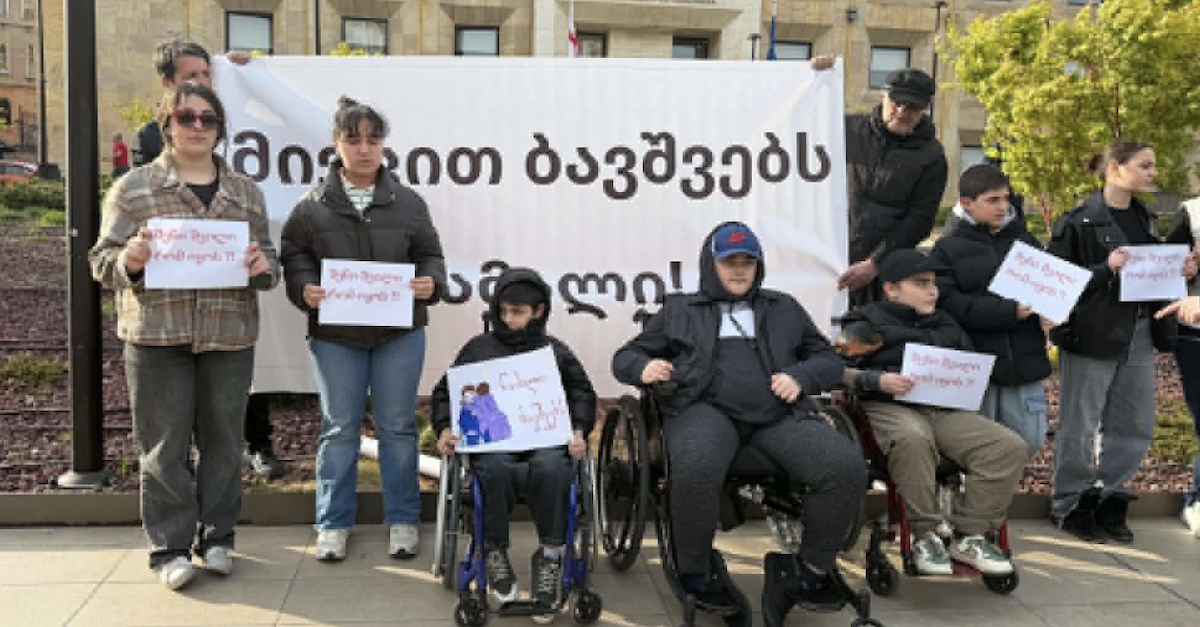
Duchenne syndrome parents meet prime minister
Parents of children with Duchenne muscular dystrophy in Georgia and Prime Minister Irakli Kobakhidze have agreed to establish a working group. Following a two-hour meeting, both sides said the dialogue would continue, with another meeting expected in the coming days to discuss in greater detail access to medicines and possible solutions.
Health Minister Mikheil Sarjveladze also attended the meeting. According to the parents, most of the discussion at the government administration focused on exchanging information, with particular attention paid to the medicines whose funding and importation they have been demanding for several months.
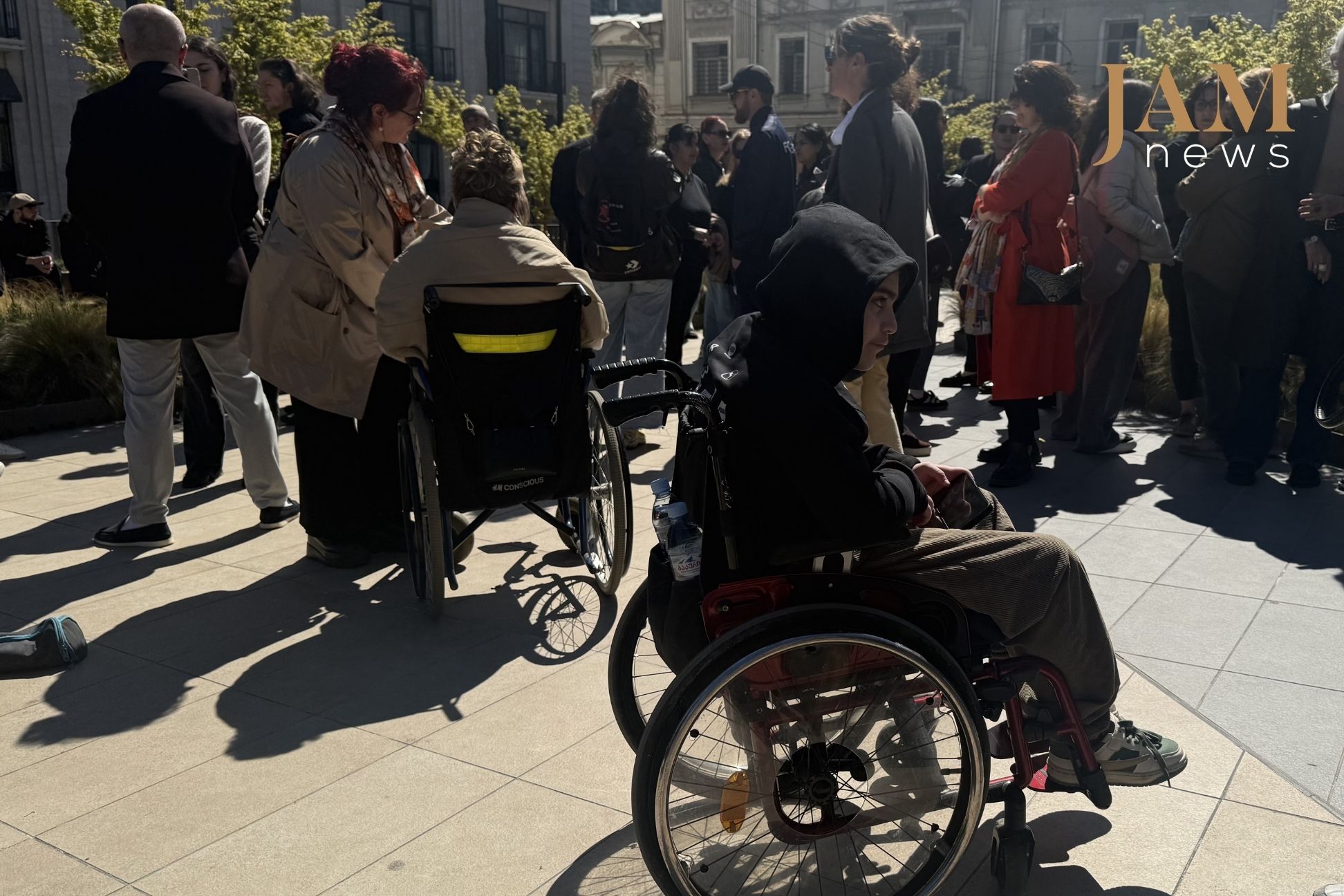
According to Zakaria Gvishiani, head of the organisation Together Against Duchenne Muscular Dystrophy, the prime minister was given a detailed overview of both the medicines in question and the reasons why parents have been holding continuous protests. During the meeting, concerns about the safety of the drugs were no longer on the agenda, with discussions focusing mainly on their effectiveness and availability.
Gvishiani said the prime minister’s questions centred on what steps could be taken to speed up the process. He noted that the meeting did not result in any specific promises, but that parents viewed it as encouraging and expected future meetings to focus on more concrete issues.
Tako Gogaladze, the mother of a child with Duchenne muscular dystrophy, gave a similar assessment. She said one outcome of the meeting was the rejection of accusations previously levelled at parents, including claims that the protest movement was being directed from outside or that demands for access to the medicines were driven by ulterior motives.
According to Gogaladze, parents now expect the authorities to begin engaging with pharmaceutical companies and take concrete steps towards importing the medicines. However, she stressed that protests would not be suspended at this stage, and that any decision on their future would depend on the outcome of the next meeting.

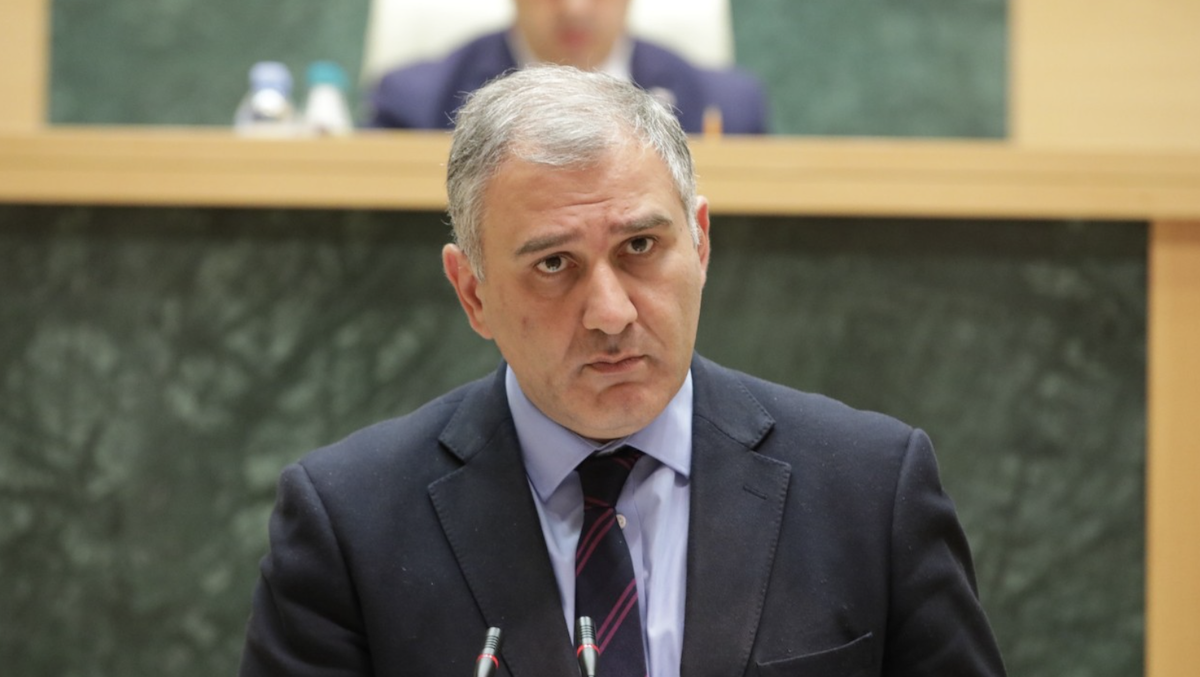
For his part, the health minister described the meeting as “useful” and said further work was needed before any decisions could be made. According to him, the discussion concerns four different medicines, which vary significantly in terms of regulation, availability and readiness for approval.
Sarjveladze said that some of the drugs raise fewer concerns than others, meaning each requires detailed assessment. He maintained that the authorities are committed to reaching swift and effective decisions, but that further discussions will be necessary before doing so.
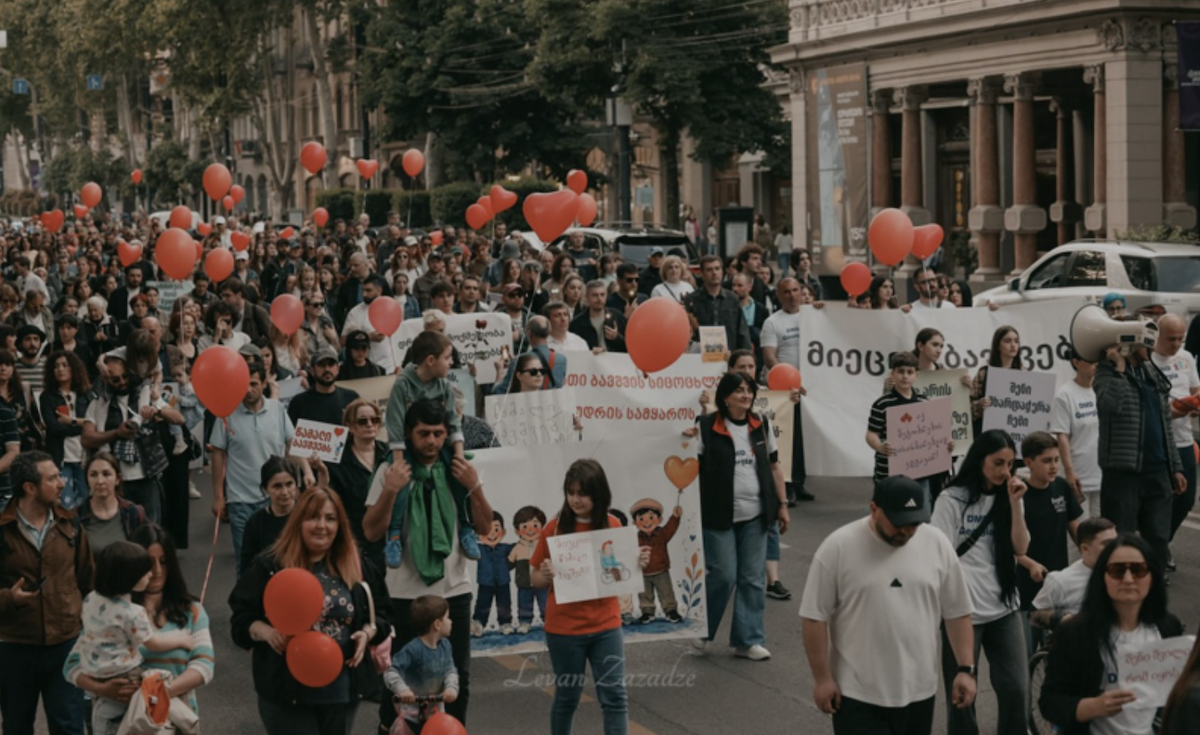
Parents of children with Duchenne muscular dystrophy have been protesting outside the government administration building for 44 days, demanding state funding for the medicines their children need.
Duchenne muscular dystrophy is a rare genetic disorder characterised by progressive muscle weakness and wasting. According to parents, around 100 children in Georgia have been diagnosed with the condition.
Meanwhile, a student-led initiative launched in support of the children has grown into a large public fundraising campaign, raising more than 1.6 million lari (around $600,000) in just a few days. However, even this substantial sum is insufficient to cover the cost of the medicines.
As a result, campaign organisers decided that the funds would instead be used to support the children’s day-to-day needs. These include respiratory support equipment, generators needed to ensure its uninterrupted operation, medicines, adapted beds, wheelchairs and spinal surgery.
Duchenne syndrome parents meet prime minister
Agriculture sits at the epicenter of climate risk and climate solutions. It is acutely vulnerable to heat, droughts, floods, and storms, while the food system itself contributes a substantial share of global greenhouse gas emissions across land use change, enteric fermentation, fertilizer production, energy use, and waste.