
Month: March 2026

OSCE/ODIHR concerned by Georgia’s new laws
The OSCE Office for Democratic Institutions and Human Rights (ODIHR) has issued a statement regarding new laws and amendments adopted in Georgia. It says the changes could seriously restrict fundamental human rights, including political participation, civic activism and freedom of expression.
The statement refers to laws and amendments approved by the Georgian parliament on 4 March. According to ODIHR, against the backdrop of ongoing protests in the country and a deteriorating democratic environment, they could have a significant impact on the activities of civil society.

ODIHR notes that the new rules introduce restrictions for civil society organisations and individuals receiving foreign funding. In particular, they prohibit them from joining political parties or running for public office, and further tighten access to international financial assistance. In addition, the changes introduce criminal liability for actions that could be interpreted as “delegitimising” the authorities.
According to the organisation, the broad scope of the new legislation could affect not only NGOs and human rights defenders, but also individual experts, consultants and service providers. ODIHR says this raises concerns both for freedom of expression and for citizens’ participation in public and political life.
ODIHR also draws attention to vague wording used in the legislation. Terms such as “mass disobedience” or “extremism”, it says, are defined too broadly and could serve as grounds for criminal prosecution. The bureau believes such wording fails to meet rule-of-law requirements regarding legal clarity and predictability, increasing the risk of arbitrary enforcement.
“Criminalising any foreign funding without prior government authorisation, with penalties of up to six years’ imprisonment, is a disproportionate measure that would undermine the work of civil society organisations critical to the government,” the statement said.
In conclusion, ODIHR notes that OSCE participating States have repeatedly reaffirmed the importance of civil society for a strong and successful democracy. Relevant commitments oblige states to respect the right to establish political parties and to ensure conditions that allow them to compete on an equal footing.
The organisation says it remains ready to continue supporting Georgia so that its legislation complies with international democratic standards and the rights of all citizens are properly protected.

This is not the first time ODIHR has expressed concern over Georgia’s legislation. The organisation has previously noted that new rules regulating the activities of non-governmental organisations could significantly restrict their functioning.
A year ago, in March 2025, ODIHR also criticised changes to the regulation of demonstrations and other forms of assembly, saying the sanctions envisaged were excessively harsh and incompatible with international human rights standards.

On 4 March 2026, the ruling Georgian Dream party adopted in its third reading the so-called “grants law”, which, among other things, criminalises the rejection of the government’s legitimacy. A new article was added to the Criminal Code — “Extremism against the constitutional order”, which предусматривает a fine, 400 to 600 hours of community service, or up to three years in prison.
In addition, amendments were introduced to the organic law “On Political Associations of Citizens”. Under the changes, a person employed under a labour contract by an organisation receiving more than 20% of its annual income from a “foreign power” is banned from membership in a political party for eight years.
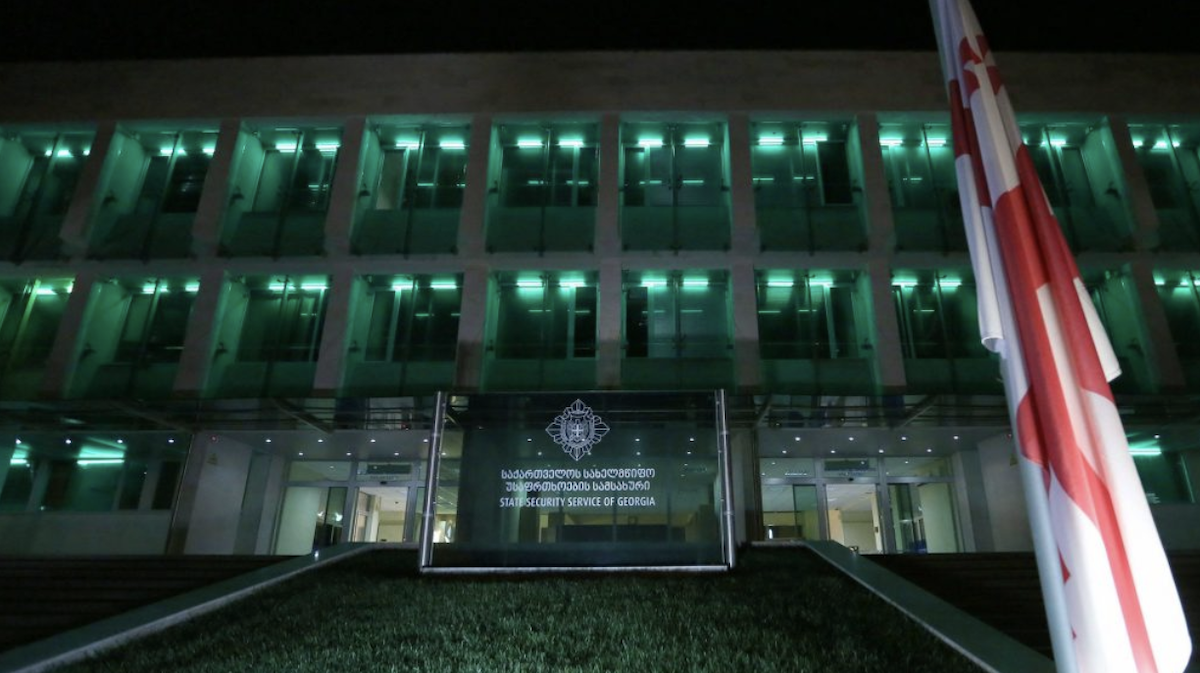
Interrogations in Georgia over Iran-related claims
Georgia’s State Security Service has launched an investigation into public statements by experts and politicians about a possible rise in Iran’s political influence in the country, the alleged recruitment of local residents by foreign intelligence services, and potential terrorism risks.
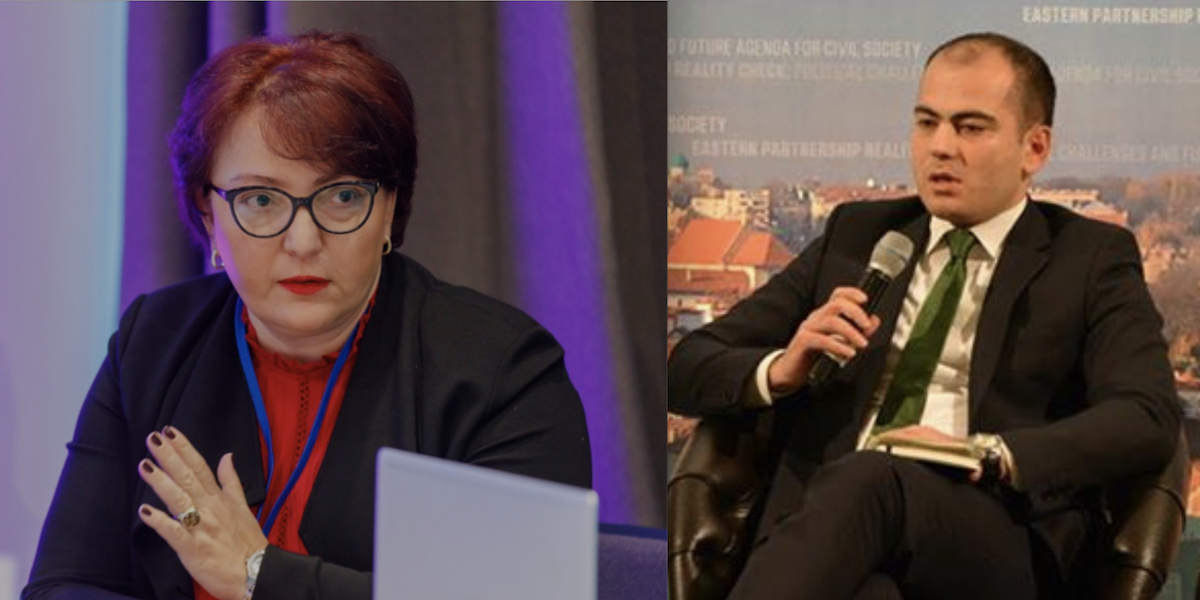
As part of the probe, several politicians and experts have been questioned or summoned for questioning, including Major General Vakhtang Kapanadze, opposition politician Gubaz Sanikidze, former defence minister (2015–2016) Tina Khidasheli, head of the Soviet Past Research Laboratory Giorgi Kandelaki, and former MP Givi Targamadze.
Vakhtang Kapanadze was summoned to Tbilisi City Court as a witness. After the questioning, he told journalists that he had answered all the questions, including those about his political affiliation.
“I was summoned as a witness regarding the overall situation. I have never been a member of the United National Movement and I am not a member of any party,” Kapanadze stressed.
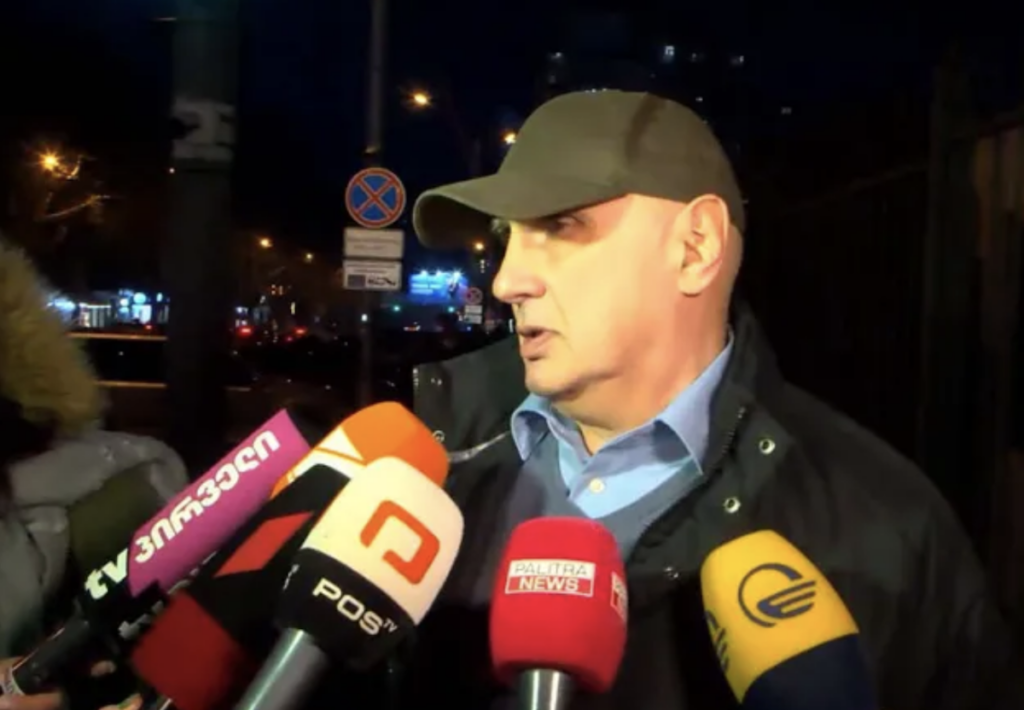
The security services’ interest in Kapanadze is reportedly linked to remarks he made on 5 March during a broadcast on the Palitra TV channel.
Kapanadze did not rule out the possibility that Iran could strike Georgia amid rising regional tensions.
According to him, potential targets in such a scenario could include the US embassy in Tbilisi as well as strategically important infrastructure, such as the Baku–Tbilisi–Ceyhan oil pipeline.
The most vulnerable section of the pipeline runs through Georgia, making it a relatively easy target, Vakhtang Kapanadze said.
Tina Khidasheli said the questions addressed to her concerned remarks she made during a broadcast on TV Pirveli. In particular, she said that an unaccredited Iran-linked educational institution was operating in Georgia, which, according to her information, is in fact a “school for terrorists.”
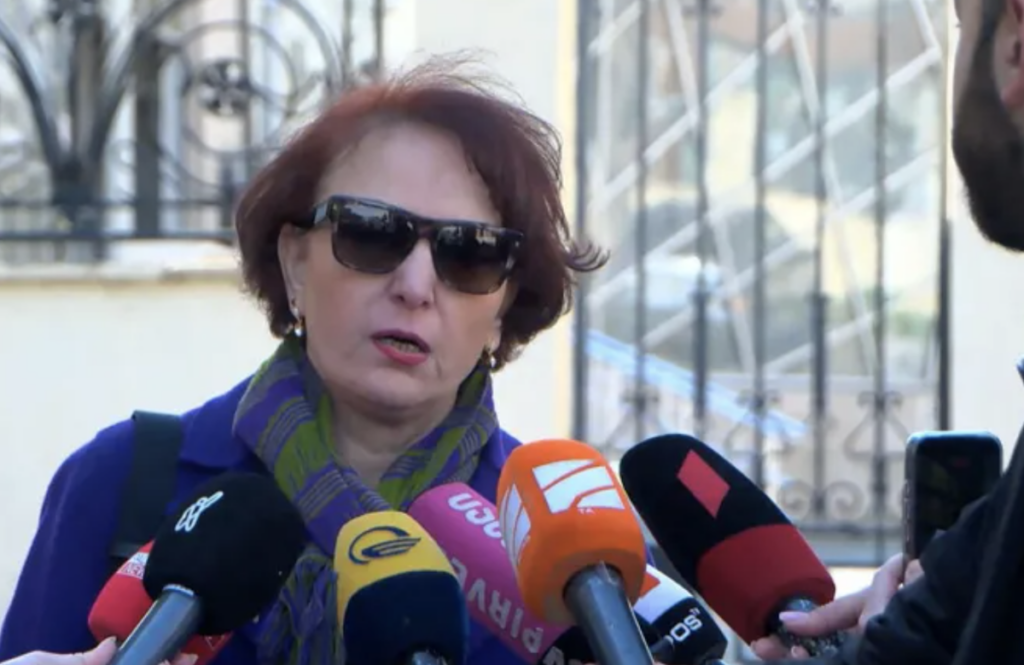
Khidasheli expressed hope that if the country faces any danger, the relevant agencies will clarify the situation.
Asked whether her questioning was an attempt at intimidation, the former defence minister replied that “no one can intimidate” her.
Khidasheli stressed that she had never said that terrorists were being trained in Georgia.
“This concerns a branch of the Al-Mustafa International University. Fortunately, it has not received accreditation, but nonetheless some kind of branch of it operates in Georgia and needs to be monitored. This university is under sanctions from at least three countries: Canada, Germany and the United States,” Khidasheli said.
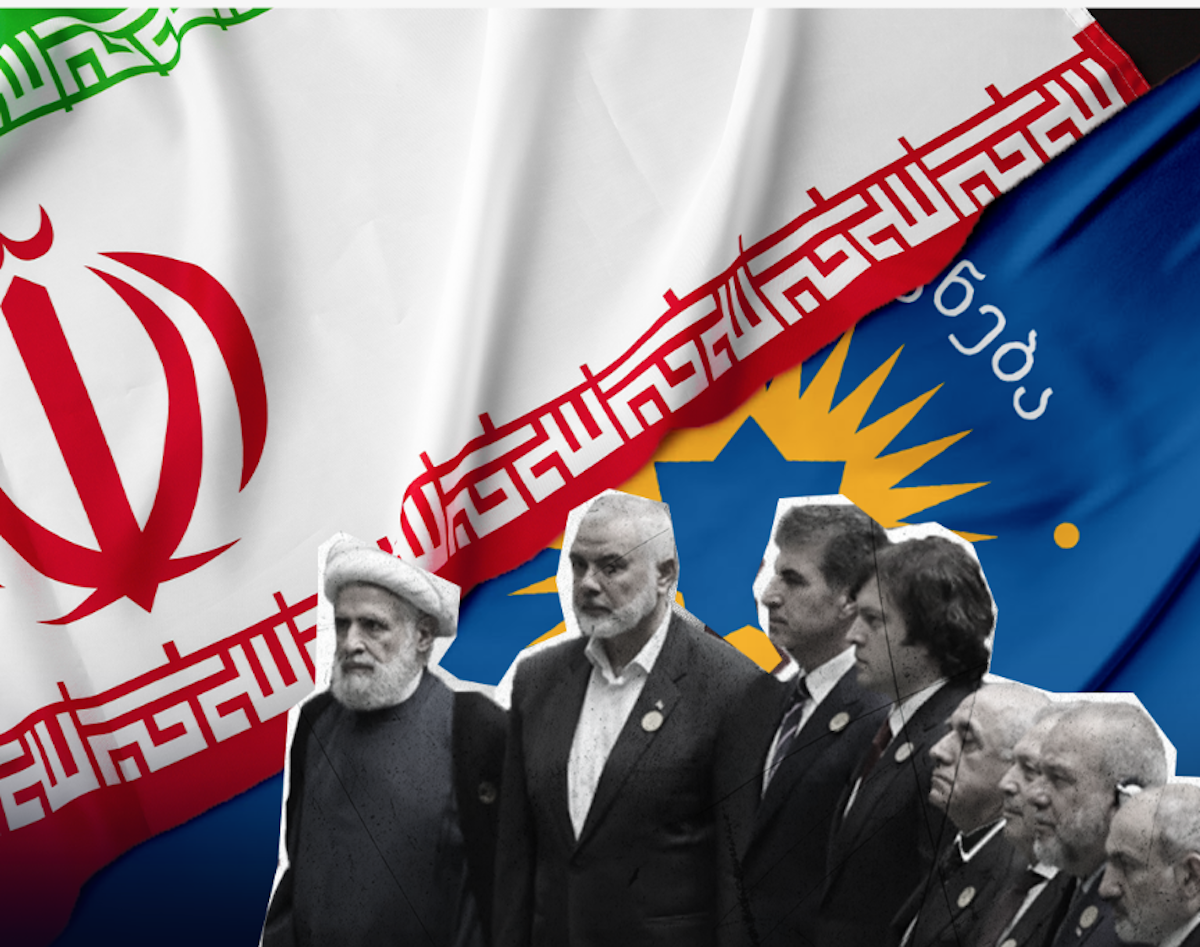
Giorgi Kandelaki said that in his case investigators had questions about a study he co-authored.
The report was published by the Hudson Institute on 3 March under the title “Georgia’s Turn Toward Iran: Tehran’s Rapidly Expanding Influence in a Country Once a Key US Ally.”
The authors of the study, Kandelaki and Hudson Institute senior fellow Luke Coffey, argue that Iran’s political, economic and cultural influence in Georgia has increased significantly in recent years. According to the authors, the trend forms part of a broader geopolitical shift that is also affecting the country’s relations with its Western partners.
Gubaz Sanikidze, who was also questioned, said only that he had been asked about his remarks made on television.
The State Security Service said it had been unable to contact Givi Targamadze because his phone was switched off. Targamadze later posted a photo of himself on social media, saying he was currently abroad but would certainly return to the country.

What State Security Service says
According to the State Security Service (SSS), an investigation is currently under way under Article 319 of the Criminal Code, which concerns assisting a foreign state or foreign organisation in hostile activities. The article предусматривает punishment of seven to 15 years in prison.
The SSS does not rule out that the charge may be reclassified during the investigation if other circumstances are uncovered.
The agency also said it is examining both the content of the statements that have been circulated and the sources and motives of their authors.
Particular attention is being paid to the fact that the authors of such serious allegations have so far not approached law-enforcement bodies or provided them with the information they claim to possess.
Entry and exit across the state border between the Republic of Azerbaijan and the Islamic Republic of Iran for the transportation of cargo by all types of vehicles (including entry and exit for transit purposes) will be resumed starting from 10:00 on March 9, 2026, AzerNEWS reports, citing the Cabinet of Ministers.
Categories