
Month: March 2026
Vote-buying by the “Strong Armenia” party
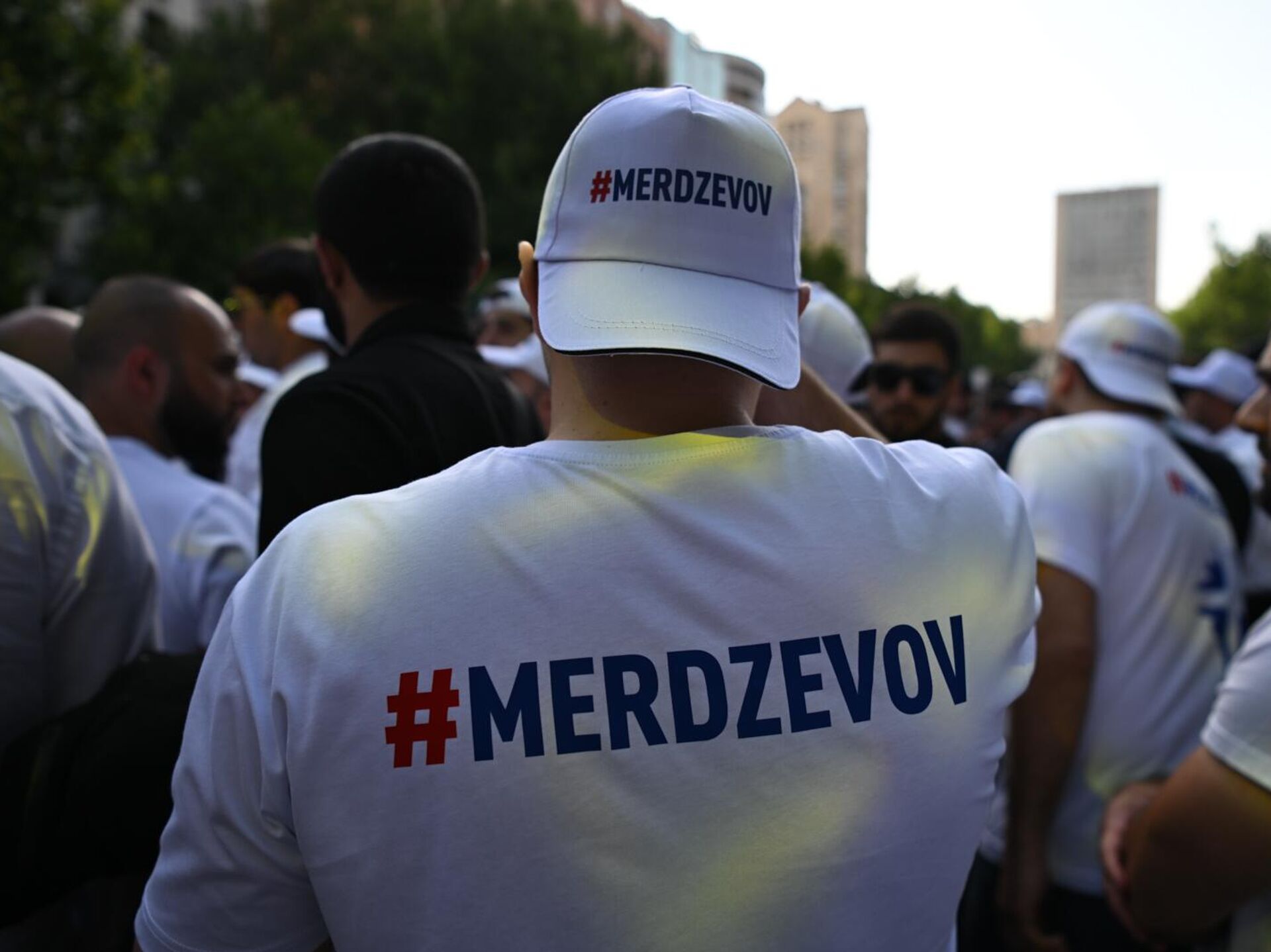
A vote-buying scheme has been uncovered in Armenia’s Armavir region. Authorities say the “Strong Armenia” party, led by Russian businessman Samvel Karapetyan, set it up. Investigators have opened a criminal case and detained five people.
According to the Anti-Corruption Committee, the organisers disguised payments to voters as salaries or charitable aid. In return, they asked people to vote for “Strong Armenia”.
The Committee released audio recordings that it says confirm these claims. Representatives of “Strong Armenia” deny the accusations.
Armenian law treats offering, receiving, or facilitating election bribes as criminal offences. Courts can hand down prison sentences depending on the circumstances. The maximum penalty is eight years in prison.
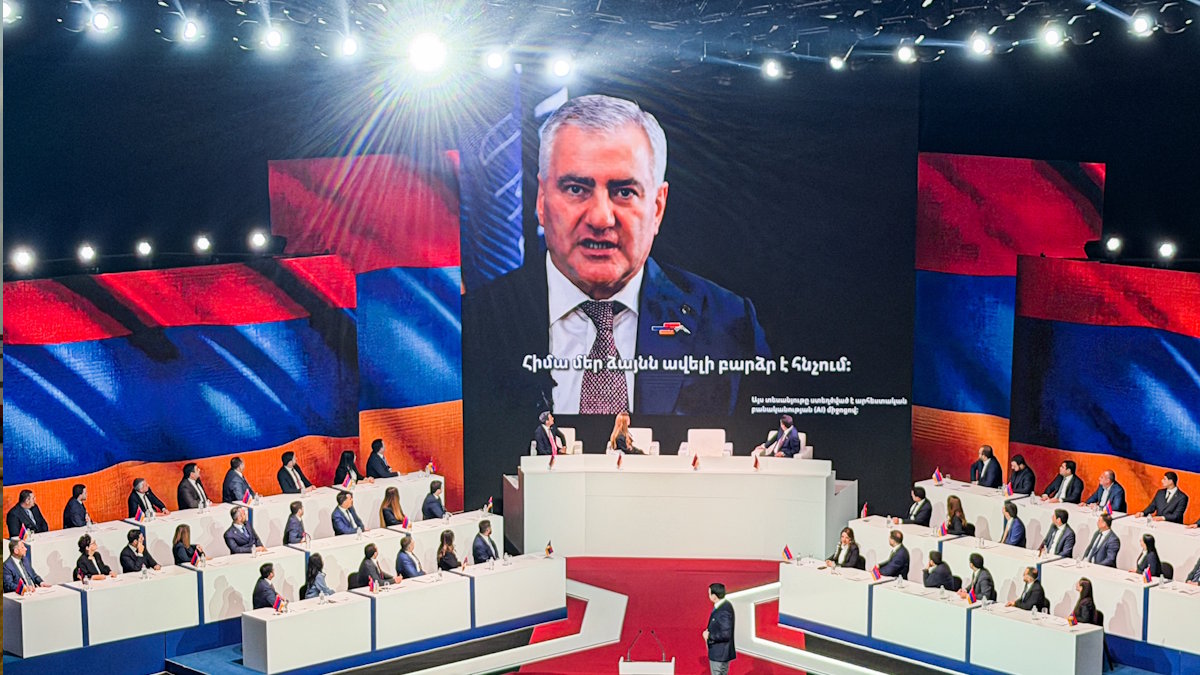
The “Strong Armenia” party has nominated dollar billionaire Samvel Karapetyan as its candidate for prime minister. He is currently under house arrest on charges of calling for the seizure of power. He cannot take up the post, as he holds citizenship of Armenia, Russia and Cyprus. Armenia’s constitution bars individuals with dual citizenship from serving as prime minister.
- ‘Opposition forces are parties of war,’ says Armenia’s parliament speaker
- Robert Kocharyan named prime minister candidate: will he become represent opposition in Armenia’s upcoming elections?
- Poll: Will Armenia’s ruling party win June election?
Recruiting people with “large families and wide social networks”
According to the Anti-Corruption Committee, a group of individuals, acting by prior agreement, distributed bribes to residents of the Armavir region. Their goal was clear: “to ensure their participation in the 7 June 2026 elections and their vote for the specified party”.
The group also opened an office of the NGO “In our own way” in the Metsamor community. In 2025–2026, they formally registered local residents as employees of the organisation. They then tasked them with recruiting voters who would support the “Strong Armenia” party.
“It emerged that the vote-buying took place in stages, with payments disguised as salaries. In this way, they sought to conceal the distribution of electoral bribes and reduce the risk of the crimes being uncovered.”
The name of the NGO—“In our own way”—mirrors the name of a movement launched by Samvel Karapetyan’s supporters after his arrest in June 2025. Karapetyan himself used the phrase when speaking about tensions between the authorities and the church. He said: “If Armenia’s political forces fail to handle this situation, we will have to intervene in the campaign against the church in our own way.” Authorities arrested Karapetyan over this statement, interpreting it as a call to seize power.
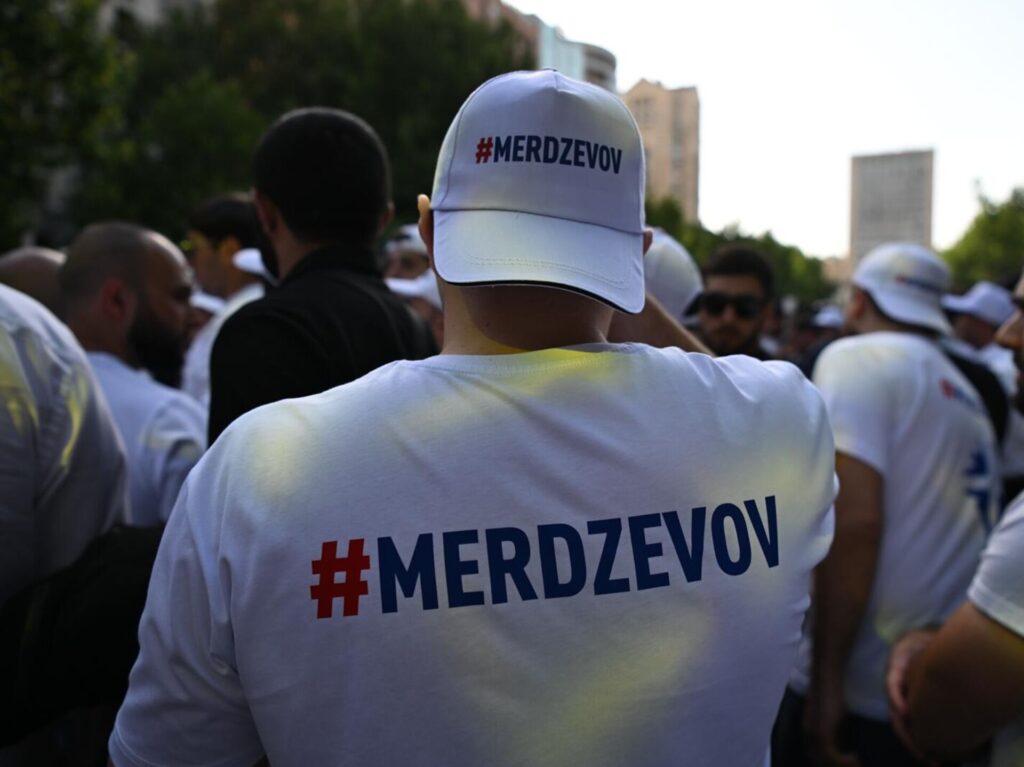
They hired people with large families and wide social networks to work for the NGO.
In addition, in February–March 2026, members of the group gave residents of the region various sums of money for medical expenses on behalf of the “Strong Armenia” party. They presented these payments as “charity”.
However, Armenian law bans the provision of charitable assistance during the pre-election period.
The Anti-Corruption Committee has urged citizens to remain vigilant to avoid becoming involved in such crimes.
Strong Armenia’s response: “This is political persecution”
The “Strong Armenia” party denies the vote-buying allegations. “This is political persecution,” its representatives say.
“The ‘Strong Armenia’ party is the leading opposition force in Armenia. It mobilises a significant part of society and enjoys its full support, which is what worries the authorities,” the statement says.
Party members argue that “the only blatant illegal act in the election process is the disgraceful and unlawful arrest” of their leader, Samvel Karapetyan.
They insist that “Strong Armenia” operates within the framework of the country’s constitution and laws:
“A poorly made film by law enforcement officers and an edited recording—this is a well-known pattern.”
The party also says that “the current government persecutes people even for a single statement”, and that the presumption of innocence has become “a forgotten value”.
From restrictions on freedom to imprisonment
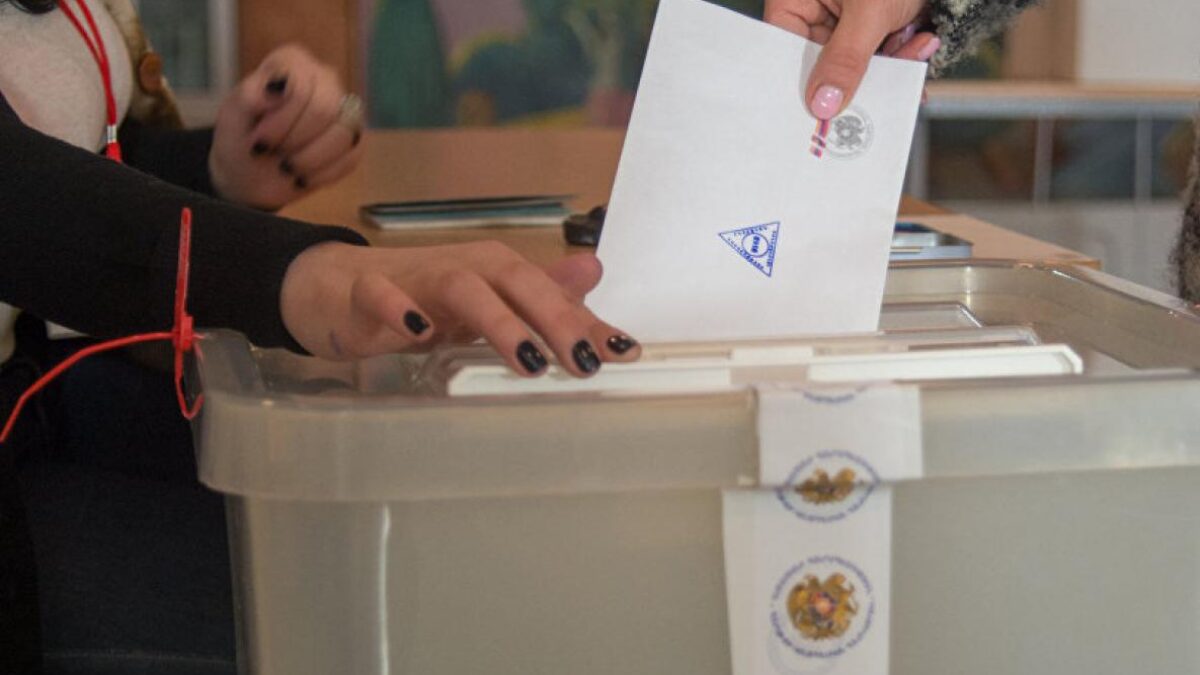
Under Armenian law, vote-buying includes offering, promising or providing money, property, services or any other benefit to a voter or referendum participant in order to influence their choice.
Article 219 of the Criminal Code sets out the penalties. Anyone who promises or gives a bribe to a voter, either directly or through an intermediary, faces a prison sentence of three to six years:
“The same act, committed by a group of persons by prior agreement, is punishable by four to eight years’ imprisonment.”
Those who accept such offers or promises face:
- restriction of liberty for one to three years
- short-term detention for one to two months
- imprisonment for one to three years
- imprisonment for three to seven years if the act is committed by a group acting in prior agreement
The law also sets penalties for mediating vote-buying:
- a fine equal to ten to thirty months of the offender’s income
- restriction of liberty for one to three years
- short-term detention for one to two months
- imprisonment for one to three years
If a person uses an official position or influence to facilitate vote-buying, the law предусматривает a prison sentence of two to five years.
Commentary
Daniel Ioannisyan, coordinator of the “Independent Observer” mission, says his team had information about vote-buying even before the Anti-Corruption Committee published its findings. The mission knew that “some parties formally register people as employees in organisations linked to them in order to conceal vote-buying”.
Ioannisyan addressed Armenian citizens with a warning about possible consequences:
“A bribe you accept will come back to haunt you. If you do not understand this, let me say it clearly: you can receive a prison sentence of up to seven years for accepting an election bribe.”
He stressed that formal registration in an organisation to receive money “will not protect you”. He also said that, to uncover vote-buying, law enforcement agencies can carry out phone tapping and searches of apartments based on a secret court decision.
Vote-buying by the “Strong Armenia” party
Ilia Darchiashvili, Georgia’s former minister of foreign affairs, has been appointed ambassador to the United Kingdom, the Foreign Ministry announced on March 31.
The ministry said Darchiashvili has also been appointed Georgia’s permanent representative to the International Maritime Organization.
Darchiashvili served as foreign minister from 2022 to 2024 under the Georgian Dream government. He was replaced by Maka Botchorishvili, who has held the post since November 2024. His departure came amid Georgian Dream’s controversial decision to halt the country’s EU integration process, a move that sparked widespread protests.
From 2017 to 2021, Darchiashvili was Georgia’s ambassador to Poland.
From 2021 to 2022, he served as head of the government administration. In 2015 and 2016, he was first deputy minister of regional development and infrastructure, and in 2015, he also served as executive director of the Municipal Development Fund of Georgia.
Darchiashvili’s appointment as Georgia’s ambassador to the United Kingdom comes amid strained relations between Tbilisi and London. The UK has sanctioned several senior Georgian officials, some of whom no longer hold official posts. Most recently, it sanctioned Georgia’s two major pro-government channels, Imedi TV and POSTV, over “Russian disinformation.” Georgian Dream condemned the sanctions as an “attack against free media” and expressed support for the sanctioned channels.
Also Read:
- 28/03/2026 – GD Economy Minister Meets British Ambassador
- 19/12/2025 – UK Calls on Georgia to Curb Russian Oil Imports Amid Wider Sanctions
- 19/09/2025 – UK Sanctions Ex-Prosecutor Otar Partskhaladze, Ultra-Conservative Figure Levan Vasadze
- 10/04/2025 – UK Sanctions Georgia’s Prosecutor General, Three Security Officials for Human Rights Abuses
- 19/12/2024 – UK Sanctions Senior Georgian Authorities, Including Minister of Interior
Ilia Darchiashvili, Georgia’s former minister of foreign affairs, has been appointed ambassador to the United Kingdom, the Foreign Ministry announced on March 31.
The ministry said Darchiashvili has also been appointed Georgia’s permanent representative to the International Maritime Organization.
Darchiashvili served as foreign minister from 2022 to 2024 under the Georgian Dream government. He was replaced by Maka Botchorishvili, who has held the post since November 2024. His departure came amid Georgian Dream’s controversial decision to halt the country’s EU integration process, a move that sparked widespread protests.
From 2017 to 2021, Darchiashvili was Georgia’s ambassador to Poland.
From 2021 to 2022, he served as head of the government administration. In 2015 and 2016, he was first deputy minister of regional development and infrastructure, and in 2015, he also served as executive director of the Municipal Development Fund of Georgia.
Darchiashvili’s appointment as Georgia’s ambassador to the United Kingdom comes amid strained relations between Tbilisi and London. The UK has sanctioned several senior Georgian officials, some of whom no longer hold official posts. Most recently, it sanctioned Georgia’s two major pro-government channels, Imedi TV and POSTV, over “Russian disinformation.” Georgian Dream condemned the sanctions as an “attack against free media” and expressed support for the sanctioned channels.
Also Read:
- 28/03/2026 – GD Economy Minister Meets British Ambassador
- 19/12/2025 – UK Calls on Georgia to Curb Russian Oil Imports Amid Wider Sanctions
- 19/09/2025 – UK Sanctions Ex-Prosecutor Otar Partskhaladze, Ultra-Conservative Figure Levan Vasadze
- 10/04/2025 – UK Sanctions Georgia’s Prosecutor General, Three Security Officials for Human Rights Abuses
- 19/12/2024 – UK Sanctions Senior Georgian Authorities, Including Minister of Interior