
Day: March 23, 2026

The deficit has exceeded 15 trillion rubles from 2022 to 2025, with an additional 3.5 trillion rubles accumulated in just the first two months of 2026, News.Az reports, citing Russian media.
In January, the Central Bank sold 300,000 ounces of physical gold, followed by another 200,000 ounces in February, according to official statistics. These transactions reduced Russia’s gold reserves to 74.3 million ounces, marking a four-year low.
***
The sale of 14 tonnes of gold bars over two months represents the largest disposal of Central Bank gold since the second quarter of 2002, when reserves fell by 58 tonnes. In the years since, gold from the reserves had only been sold in small amounts, primarily for coin minting.
The Central Bank announced plans last November to begin actual sales of gold from its gold and foreign exchange reserves. This initiative was part of a strategy to “mirror” transactions involving assets of the National Welfare Fund, which also form part of the country’s reserves.
Since 2022, the Russian Ministry of Finance has been actively selling foreign currency and gold from the fund to replenish the budget, especially as military spending reached levels not seen since the Soviet era. Previously, these gold transactions were virtual: the government sold gold to the Central Bank itself, keeping the bars within the country’s reserves, which currently exceed 2,000 tons—the fifth largest globally.
The situation has now changed, as the Central Bank has begun executing real market transactions selling physical gold, similar to its operations with Chinese yuan from the National Welfare Fund.
Economists Alexandra Prokopenko and Alexander Kolyandr suggest that this shift may be due to the Central Bank’s reluctance to deplete its remaining yuan reserves. These yuan assets are essential for market operations and managing the ruble exchange rate. The exact size of these reserves is unknown, as the Central Bank has classified statistics following sanctions and $300 billion of Western assets were frozen.
Investment strategist Alexander Bakhtin notes that the Central Bank may have also aimed to secure profits from rising gold prices. In January, gold exceeded $5,600 per ounce, rising 65% over the past year and 140% since early 2022. This price increase temporarily pushed the share of gold in reserves near 50%, prompting risk reduction measures.
Investment banker Ilya Sushkov estimates that January’s gold sales may have generated around 120 billion rubles. In total, the Central Bank sold about 0.4% of its reserves in one month, covering only about 3% of the annual budget deficit.
Sushkov believes the Central Bank may resume gold purchases when prices drop. Historically, the regulator has increased gold reserves nearly sixfold since the mid-2000s, from roughly 400 tons to 2,300 tons, but halted acquisitions after the outbreak of war.
As of March 1, gold in Russia’s reserves was valued at $384 billion, accounting for 47% of the country’s gold and foreign exchange reserves. The total value of reserves is estimated at $809 billion, though $300 billion of that is frozen in Western accounts and no longer accessible.
The post Russia starts selling gold reserves for first time since 2002 appeared first on azeritimes.com.

ICRC President Mirjana Spoljaric called for an immediate cessation of attacks on critical infrastructure, News.Az reports, citing Al Jazeera.
She expressed particular concern over the “potential harm to nuclear facilities,” describing it as “most alarming” and capable of causing “irreversible consequences.”
***
The statement highlights growing international concern over escalating conflicts in the Middle East and the risk to civilian life and essential services.
The post Red Cross warns Middle East reaching ‘point of no return’ appeared first on azeritimes.com.
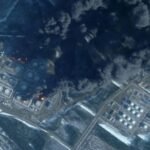
Satellite imagery showed flames and thick black smoke rising from the oil terminal in Primorsk, a town on the Gulf of Finland approximately 50 kilometres (30 miles) from the EU and NATO territory, News.Az reports, citing foreign media.
Russia has been conducting near-daily air strikes against Ukraine, repeatedly targeting energy infrastructure and causing widespread blackouts that left millions in cold and darkness during the winter months.
***
In retaliation, Ukraine has launched drone attacks against Russian energy and military sites, including in Moscow.
Alexander Drozdenko, governor of Russia’s western Leningrad region, confirmed that a fuel tank at Primorsk had been damaged, causing the fire. He also stated that Russian air defenses had destroyed over 70 drones in the area, which is not considered a major frontline in Russia’s war with Ukraine.
The General Staff of the Armed Forces of Ukraine informed that it had struck key fuel and energy infrastructure across Russia, including the Primorsk port.
Preliminary information indicated that both the tank farm and the oil-loading infrastructure had been hit.
Satellite images appeared to show fires and smoke rising from multiple cylindrical fuel tanks at the site.
Primorsk handles around 60 million tonnes of oil annually. Ukraine emphasized that revenue from these oil sales is used by Russia to continue its military operations against Ukraine.
In addition, Ukraine claimed a drone strike on an oil refinery in the central Russian city of Ufa, roughly 1,400 kilometres (870 miles) from the frontline, causing a fire on the facility’s grounds.
Ukraine’s air force reported that Moscow fired 251 drones overnight against Ukraine, of which 234 were intercepted and shot down.
The post Ukraine strikes key Russian oil port near Finland border – VIDEO appeared first on azeritimes.com.