
Day: March 12, 2026
Azərbaycan Prezidenti: Sülhdən daha yaxşı heç nə yoxdur, onun üstünlüklərini görürük
#Azerbaijan #PresidentAliyev #Peace #SouthCaucasus #AzerbaijanArmenia #PeaceProcess #RegionalPeace #Caucasus #Diplomacy #Stability #PeaceAgreement #Geopolitics pic.x.com/Fzm51sQHJc
— APA İnformasiya Agentliyi (@APA_agentliyi) Mar 12, 2026
Presidential Communications Director Burhanettin Duran met with Ankara media representatives and presidential correspondents at an iftar program. Duran emphasized that the world is going through an increasingly fragile period, noting that the importance of accurate and verified information grows during times of crisis. He underlined that combating disinformation is critical for democracy and social peace, and stated that new efforts are being made regarding journalists’ working conditions and advertising.
@France24_en @mperelman No more gray zones. No more illegal regimes. Beglaryan’s rhetoric belongs in the past. Azerbaijan is busy restoring its territories and ensuring the rule of law within its recognized borders. The status quo is dead. #SouthCaucasus #PeaceThroughStrength
— Emil Axundov (@EmilAxundo90819) Mar 12, 2026
@DailyTurkic Azerbaijan supports the normalization of ties in our region. Restoring air travel is a precursor to opening all land routes, including the Zangezur Corridor. Connectivity is the key to turning the South Caucasus from a zone of conflict into a zone of prosperity. ✈️ #SouthCaucasus
— Emil Axundov (@hidayet_ilyas) Mar 12, 2026
The OSCE Office for Democratic Institutions and Human Rights (ODIHR) has published a report under the Moscow Mechanism that points to a deterioration in human rights and fundamental freedoms in Georgia.
The report, which runs to nearly 217 pages, describes developments in Georgia from early 2024 to the present. It details democratic backsliding, the worsening state of human rights and media freedom, the prosecution of protest participants and opposition figures, repression of dissent, the existence of political prisoners and the adoption of restrictive legislation.
The document also includes recommendations for the Georgian authorities, OSCE participating states and the wider international community.

Report details
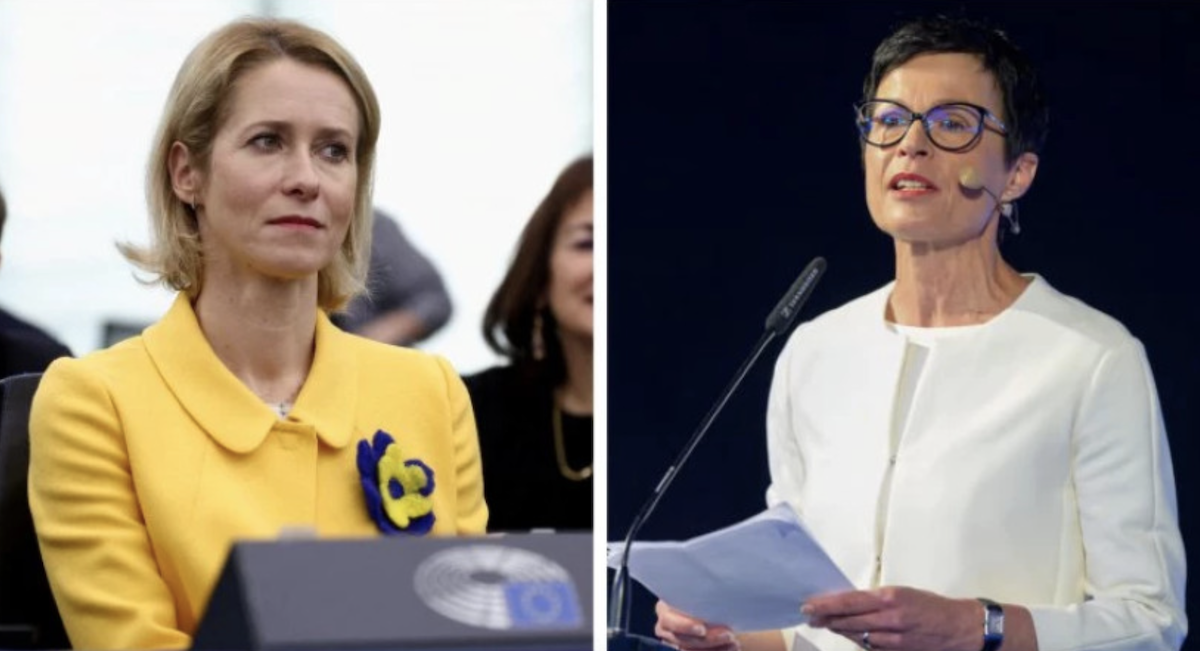
The report was published on 10 March. Human rights expert Professor Patricia Grzebyk authored the document. She prepared it under the OSCE’s Moscow Mechanism, which allows participating states to appoint an independent expert when they suspect serious human rights violations in a member country.
Twenty-four states triggered the mechanism in relation to Georgia at the end of January, including Germany and the United Kingdom. During a 14-day mission to Georgia, the expert examined developments since the spring of 2024 and prepared an assessment of the state of human rights and democratic processes.
The OSCE has activated the Moscow Mechanism 16 times before. For example, it examined attacks on civilians in Croatia and Bosnia, and investigated the situation in Turkmenistan, Belarus and Chechnya. The case concerning Georgia became the seventeenth instance.
Насилие и безнаказанность
Violence and impunity
The report notes that violence against protesters, opposition figures and journalists remains a problem in Georgia. According to the document, in some cases the violence “reached the level of torture,” while those responsible often face no punishment.
The report also describes attacks on government critics. These attacks often take place in public spaces and in broad daylight. According to the OSCE report, harsh and stigmatising rhetoric from figures affiliated with the government fuels this atmosphere.
The document also raises concerns about the right to a fair trial for people who “face the threat of criminalisation for expressing opposing views.”
At the same time, the report refers to attacks carried out by “unidentified groups.” This situation further reinforces a climate of impunity.
On the prohibition of torture and other cruel, inhuman or degrading treatment or punishment
- The report calls for an immediate end to the disproportionate use of physical force, especially torture and other forms of ill-treatment against peaceful protesters, journalists and political opponents.
- Authorities should ensure that law enforcement uses force proportionately even when dealing with protesters who engage in violence.
- The report also calls for prompt, independent and impartial investigations into all allegations of torture and ill-treatment.
- Authorities should ensure that the detention and transport of individuals respect human dignity. They should also guarantee appropriate conditions of detention.
- Where possible, authorities should protect children from the impact of police raids. Police operations should also follow child-sensitive practices.
Restrictions on freedoms
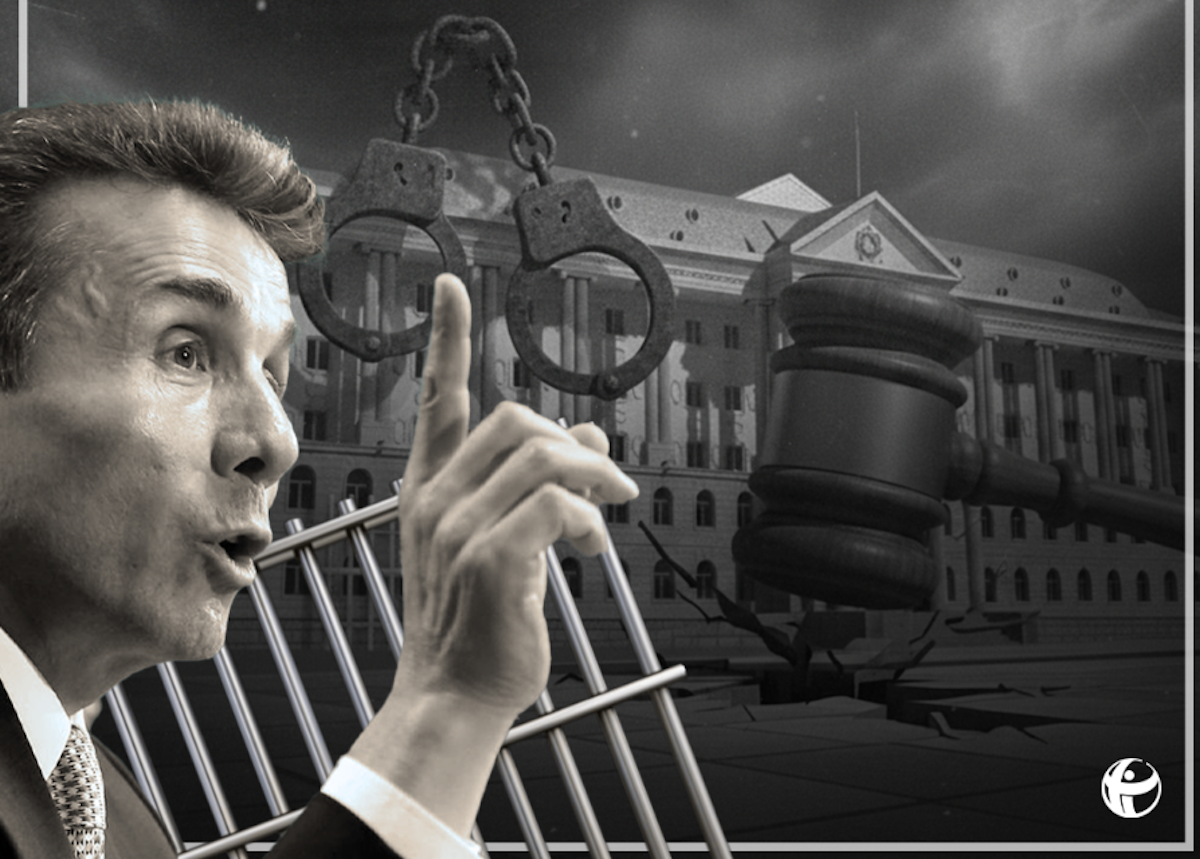
One of the main sections of the report focuses on legislative changes and administrative measures that, according to the document, restrict freedom of expression and freedom of assembly.
The expert says that recently adopted laws often target civil society, independent media, the political opposition and the LGBT+ community.
According to the report, authorities implement this policy through administrative detentions, heavy fines and criminal cases against government critics.
The report also raises concerns about the right to a fair trial, especially for people who may face criminal prosecution because they criticised the authorities.

Recommendations for the Georgian authorities
The OSCE/ODIHR report sets out dozens of recommendations for the Georgian authorities:
- Ensure free and fair parliamentary elections. Authorities should also conduct an independent investigation into allegations linked to previous elections.
- Suspend the process of banning opposition parties. Authorities should also halt ongoing criminal cases against opposition leaders.
- Repeal or revise legislative changes such as the law “On transparency of foreign influence”, the “Foreign Agents Registration Act” and regulations related to foreign grants. The report says these measures do not comply with Georgia’s international obligations.
- Repeal the law “On family values”. According to the report, the law restricts the rights of the LGBT+ community and bans procedures related to the legal recognition of gender identity.
- Stop the disproportionate use of force against journalists and demonstrators. Authorities should also ensure independent investigations into such incidents.
- The report also places special emphasis on judicial independence and stresses the need to reform the High Council of Justice.
Recommendations for OSCE participating states and the international community
The report also urges OSCE participating states to systematically monitor the implementation of the findings made under the Moscow Mechanism.
The document says targeted sanctions against individuals responsible for the most serious violations described in the report could be considered.
The OSCE Office for Democratic Institutions and Human Rights also advises participating states to deploy a strong international observation mission for the upcoming elections in Georgia. It also suggests considering the opening of a permanent OSCE office in the country.
The report recommends that the international community support efforts to document human rights violations in Georgia and disseminate relevant information.
Among the recommendations is the immediate and unconditional release of all prisoners detained for political reasons.
The document also notes that international legal mechanisms could be used in certain cases, including the principle of universal jurisdiction, to investigate torture and other serious violations.
These mechanisms include:
- referring the issue to the International Criminal Court (ICC) in The Hague for the opening of an investigation
- bringing an interstate case before the European Court of Human Rights (ECHR)
- pursuing an interstate dispute at the UN Committee against Torture or at the International Court of Justice (ICJ).
Background
The OSCE Moscow Mechanism is considered one of the organisation’s strongest tools. Participating states use it when they suspect serious problems with human rights and democratic institutions in a member country.
Its activation in Georgia coincided with a deepening political crisis and increasingly tense relations between the authorities and Western partners. Several legislative initiatives have triggered particular controversy. These include the law “On the regulation of foreign influence” and other changes that critics say restrict the space for civil society.
The report appeared against this backdrop. It offers one of the most detailed international assessments of the state of democratic institutions and human rights in Georgia in recent years.
OSCE Moscow Mechanism report on Georgia