
Day: March 11, 2026
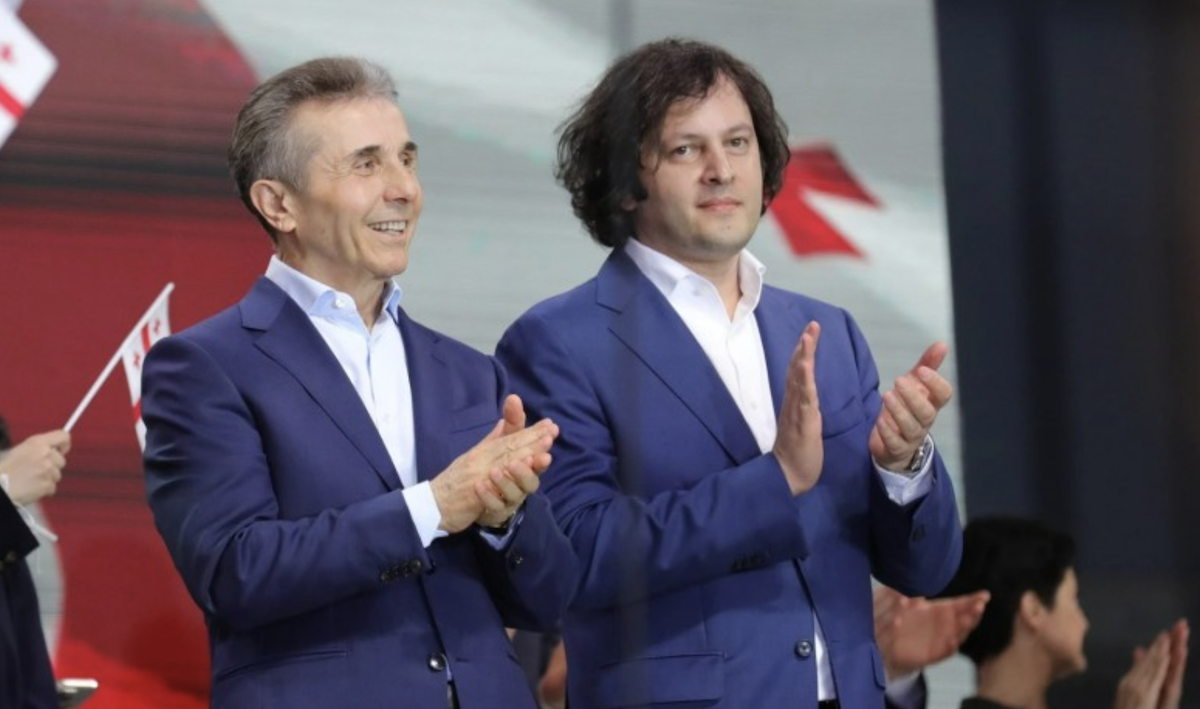
Georgian Dream Prime Minister Irakli Kobakhidze met with Israel’s Ambassador Walid Abu Haya on March 11 amid the ongoing war in the Middle East.
Kobakhidze “expressed concern over the developments in the Middle East and extended condolences to Israel over the loss of lives,” the government administration said in a press release. He also “expressed hope that peace will soon be restored in the region and emphasized the importance of stability for the well-being of countries and their peoples.” According to the press release, the meeting also touched upon the “centuries-long friendly relations between Georgia and Israel.”
Israel’s embassy has not yet reported on the meeting.
The meeting took place a day after Irakli Kobakhidze congratulated Ayatollah Mojtaba Khamenei on his “election” as the new Supreme Leader of Iran, succeeding his father, Ali Khamenei, who was killed in U.S.-Israeli strikes at the outset of the war.
Hours after Kobakhidze’s congratulatory message was published, Israel’s Embassy in Georgia posted on Facebook about Mojtaba Khamenei, describing who he is and pointedly commenting on the context, even though the post did not directly mention Kobakhidze’s letter.
In the post, the embassy stressed that, while the name of Iran’s leader has changed, “the reality has not,” saying the man now leading Iran is both a “product” and an “architect” of the “same machinery of repression and destabilization that defined the era” of his father, Ali Khamenei.
Amid the ongoing war in the Middle East, the Georgian Dream government on March 2 extended condolences to both Iran and Israel. On March 7, Georgia’s Foreign Ministry confirmed that a deputy foreign minister made an entry in the book of condolences at the Iranian Embassy that was “analogous” to the government’s earlier statement.
Meanwhile, the State Security Service of Georgia said it launched a probe into public statements by experts, critics, and opposition figures regarding alleged Iranian recruitment activities in Georgia. The agency said it is examining the “contents” and “motives” of those allegations, and several commentators have been summoned for questioning as part of the investigation.
Also Read:
Since I started taking TonicGreens, I’ve noticed a significant improvement in my overall well-being. I feel more energized, focused, and ready to take on the day. It’s truly incredible how these simple greens can have such a profound impact on my health. I can confidently say that I’m in love with TonicGreens!

The OSCE Parliamentary Assembly delegation says the lack of political dialogue poses a serious obstacle to stability and the resolution of Georgia’s challenges.

On 4 March, a delegation from the OSCE Parliamentary Assembly concluded a multi-day visit to Georgia. The visit aimed to encourage political dialogue, strengthen democratic institutions and promote broad participation from across the country’s political spectrum.
During the visit, the delegation met the chair of the ruling Georgian Dream party, the speaker of parliament, the prime minister, and the foreign and interior ministers. The delegation also met the ombudsman, representatives of opposition parties both inside and outside parliament, as well as members of civil society and the diplomatic corps.
According to OSCE Parliamentary Assembly President Pere Joan Pons Sampietro, the visit once again left him with the impression that Georgia’s political landscape includes many strong and impressive figures. However, political dialogue within the country is effectively absent.
“I once again realised that there are many very impressive politicians in Georgia — both inside parliament and outside it. They seem to communicate constantly with international partners, but I was shocked to discover that they do not communicate with each other,” he said.
Pons Sampietro called on all sides to engage in direct communication and constructive interaction in order to restore political dialogue in the country. He said the authorities bear particular responsibility in this process.
The delegation also welcomed the broad consensus across Georgia’s political spectrum on the goal of European integration. It noted that the next parliamentary elections, whenever they take place, must comply with OSCE commitments and standards. However, according to the delegation, sharp political polarisation remains a serious obstacle.
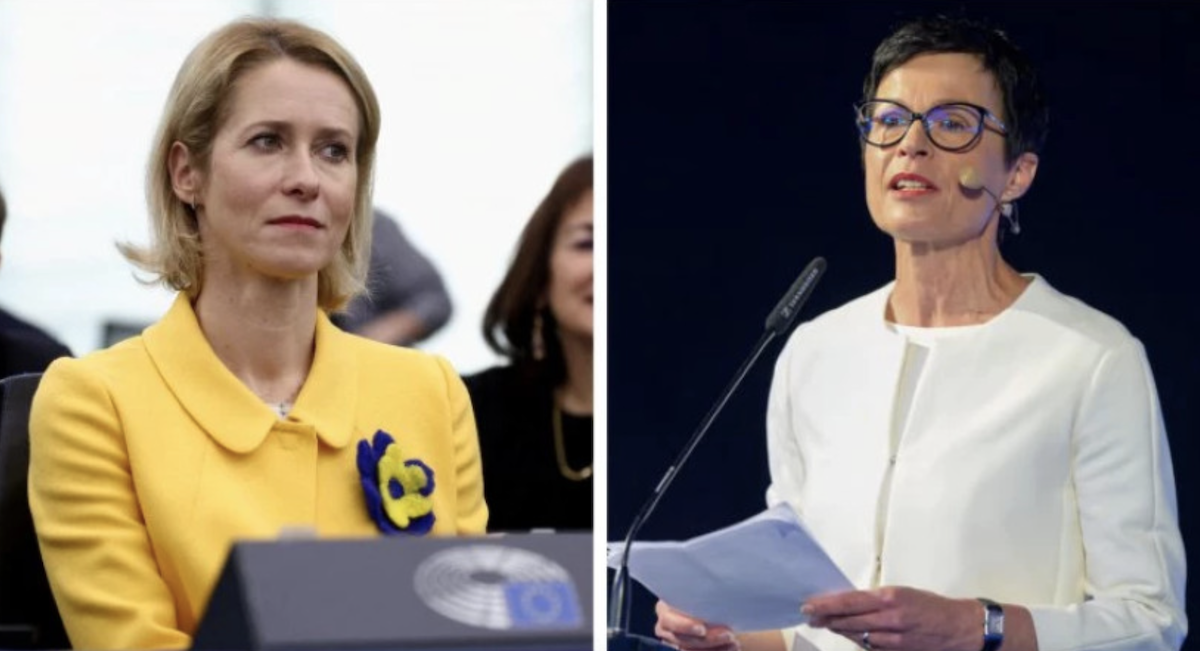
Special Representative for the South Caucasus Luis Graça said political and social polarisation in Georgia prevents the country from fully using its potential.
He said the delegation itself includes members with different political views. They often disagree on many issues but still find ways to cooperate. He added that they expect the same approach from Georgia’s political leaders.
Graça also warned that violence against state institutions is unacceptable.
Delegation member Christine Blower said Georgian society and its leaders ultimately bear responsibility for resolving the country’s political problems.
She said international organisations can only facilitate the process, not resolve a country’s internal political crises.
“We at the OSCE or other international organisations cannot solve these problems. The Georgian people and their leaders must do that. I hope we will see responsible steps to reduce political escalation and return to real dialogue,” she said.
The delegation also expressed concern about possible attempts by members of the ruling party to ban some opposition parties. According to the delegation, such steps could further escalate political confrontation and deepen the country’s international isolation.
Delegation member Evrosima Pejović said Georgia especially needs stability and unity in the current difficult geopolitical environment.
She said banning political parties or civic activity does not solve problems. Pejović also referred to recent assessments of Georgia’s legislation published by the OSCE Office for Democratic Institutions and Human Rights (ODIHR). She urged the authorities to address the identified shortcomings.
At the same time, she said the political process should take place within appropriate institutions. She added that an opposition boycott cannot replace dialogue and political engagement.
The delegation also asked the authorities to arrange a meeting with individuals whom opposition forces consider political prisoners. The authorities did not grant the request.

According to a statement from the OSCE Parliamentary Assembly, the visit forms part of its ongoing engagement with Georgia. This engagement includes election observation and parliamentary cooperation.
The assembly will review the results of the visit at a meeting of its Bureau and at the organisation’s annual session in The Hague.
Political dialogue in Georgia
Categories