
A baby Japanese macaque named Punch has captured hearts around the world after his story went viral from the Ichikawa City Zoo in Chiba Prefecture, Japan, AzerNEWS reports citing foreign media.
Day: February 20, 2026
Violence against journalists in Azerbaijan
About ten staff members from the Baku pre-trial detention centre, led by deputy head Javid Gulaliyev, reportedly entered the cell where Meydan TV journalists are being held.
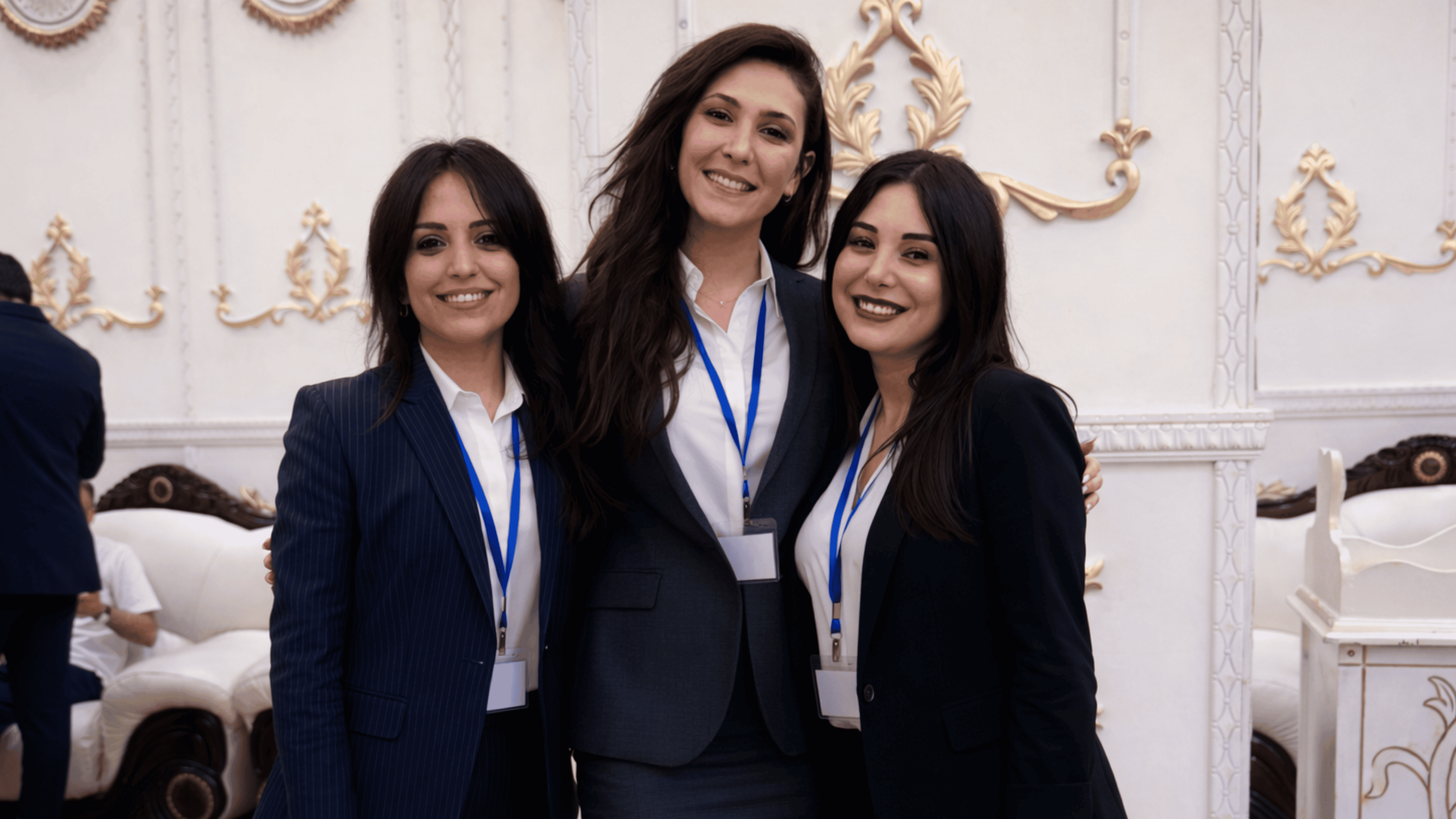
In a letter sent to our editorial team, journalists Aysel Umudova, Khayala Aghayeva and Aytaj Tapdig said they had been subjected to rough treatment, as well as physical and psychological violence.
According to them, a report was drawn up against the journalists on 16 February after they protested during a court hearing by knocking on the glass of the defendants’ enclosure.
They refused to provide explanations and said they would continue their protests if their right to defence was violated again.
The detained journalists believe that the search carried out after a long break was linked to their recent statements in court and aimed at putting pressure on them. They also said they had been told that searches could take place every week.
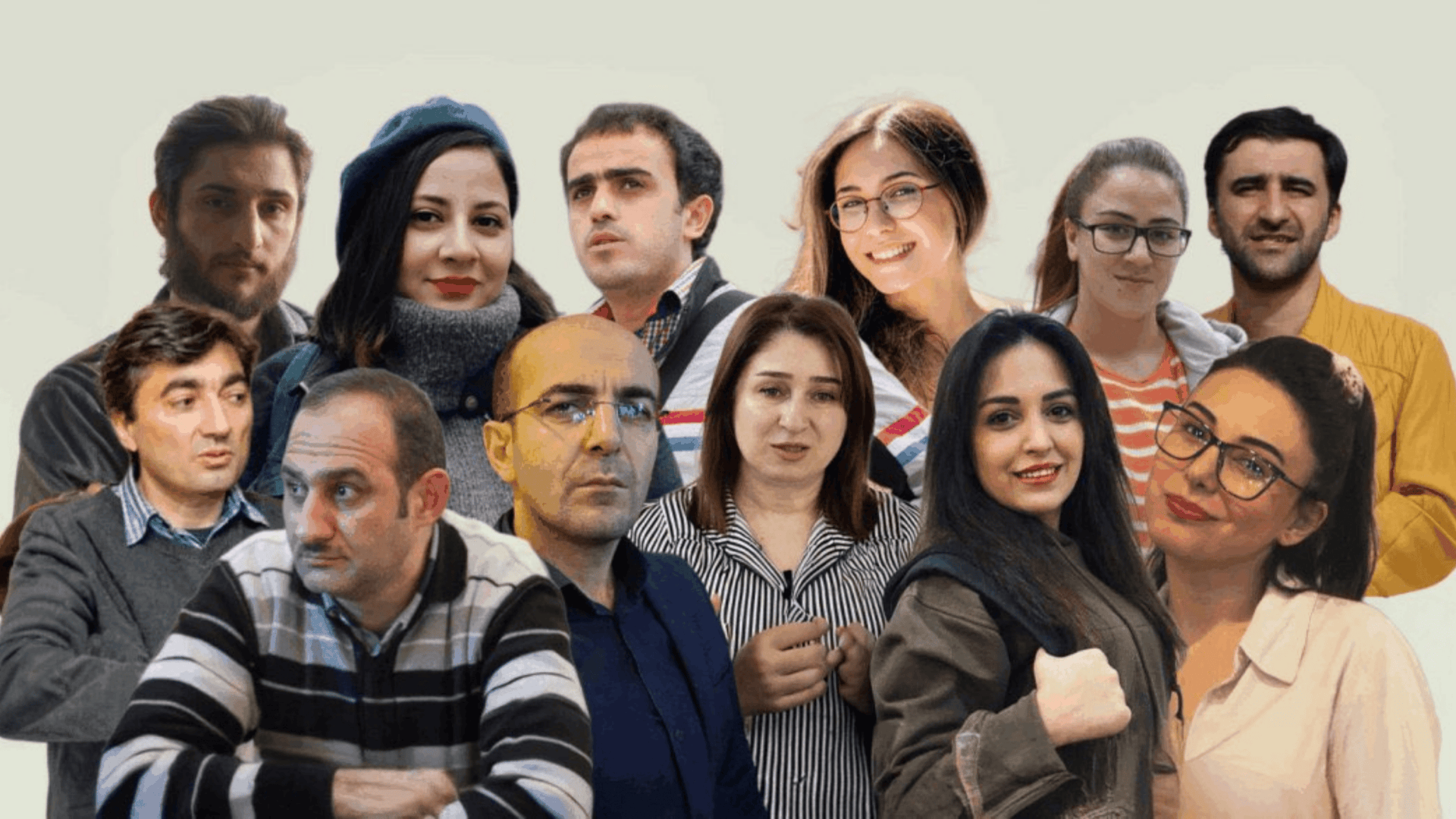
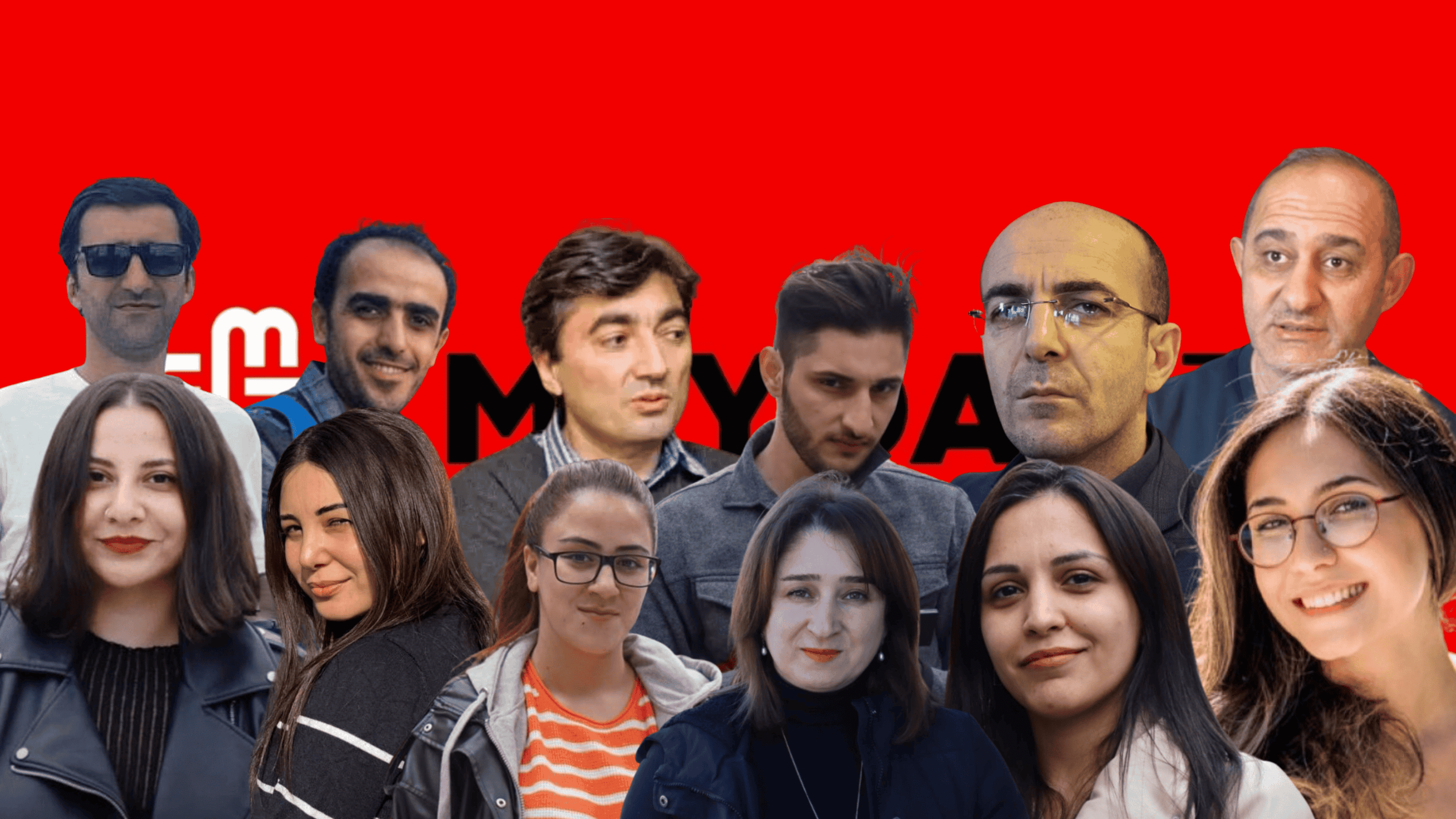
On 6 December 2024, Meydan TV staff members Ramin Deko (Jabrailzade), Aynur Ganbarova (Elgunesh), Aysel Umudova, Aytaj Ahmedova (Tapdig), Khayala Aghayeva and Natig Javadli were detained.
They were charged under Article 206.3.2 of the Criminal Code (smuggling committed by a group of persons acting in prior collusion), and the criminal case opened against them became known as the “Meydan TV case”. Journalists Shamshad Agha, Nurlan Libre, Fatima Movlamli, Ulviya Ali and Ahmed Mukhtar were later arrested as part of the same investigation.
In August 2025, authorities tightened the charges against the journalists and added new articles to the case.
Meydan TV says the arrests are linked to the journalists’ critical reporting.
Although Javid Gulaliyev said the search would take place under video surveillance and exclusively with the participation of female staff, male officers were reportedly present during the search of the cell where the women were being held.
Under existing regulations, male staff are not allowed to take part in searches or inspections in areas designated for female detainees.
According to available information, Aytaj Tapdig and Khayala Aghayeva were screened using a special device. Reports say tensions escalated after they protested against a manual search of their personal belongings. Javid Gulaliyev allegedly approached Aytaj Tapdig and instructed detention centre staff to remove her and Khayala Aghayeva from the cell by force.
Reports also say that the head of the search and inspection department, identified as Alibala, attempted to force open the sanitary unit door. Despite Aysel Umudova’s request for a minute to come out, staff broke the door open and entered. Officers then immediately removed her from the cell and carried out a search.
The journalists say Aytaj Tapdig and Khayala Aghayeva were insulted, had their arms twisted and their heads forced down before officers took them out of the cell. According to the account, more than 20 staff members held them in the corridor, where violence was used against them. The incident reportedly unfolded in front of surveillance cameras, access to which is available in the personal office of detention centre head Elnur Ismailov.
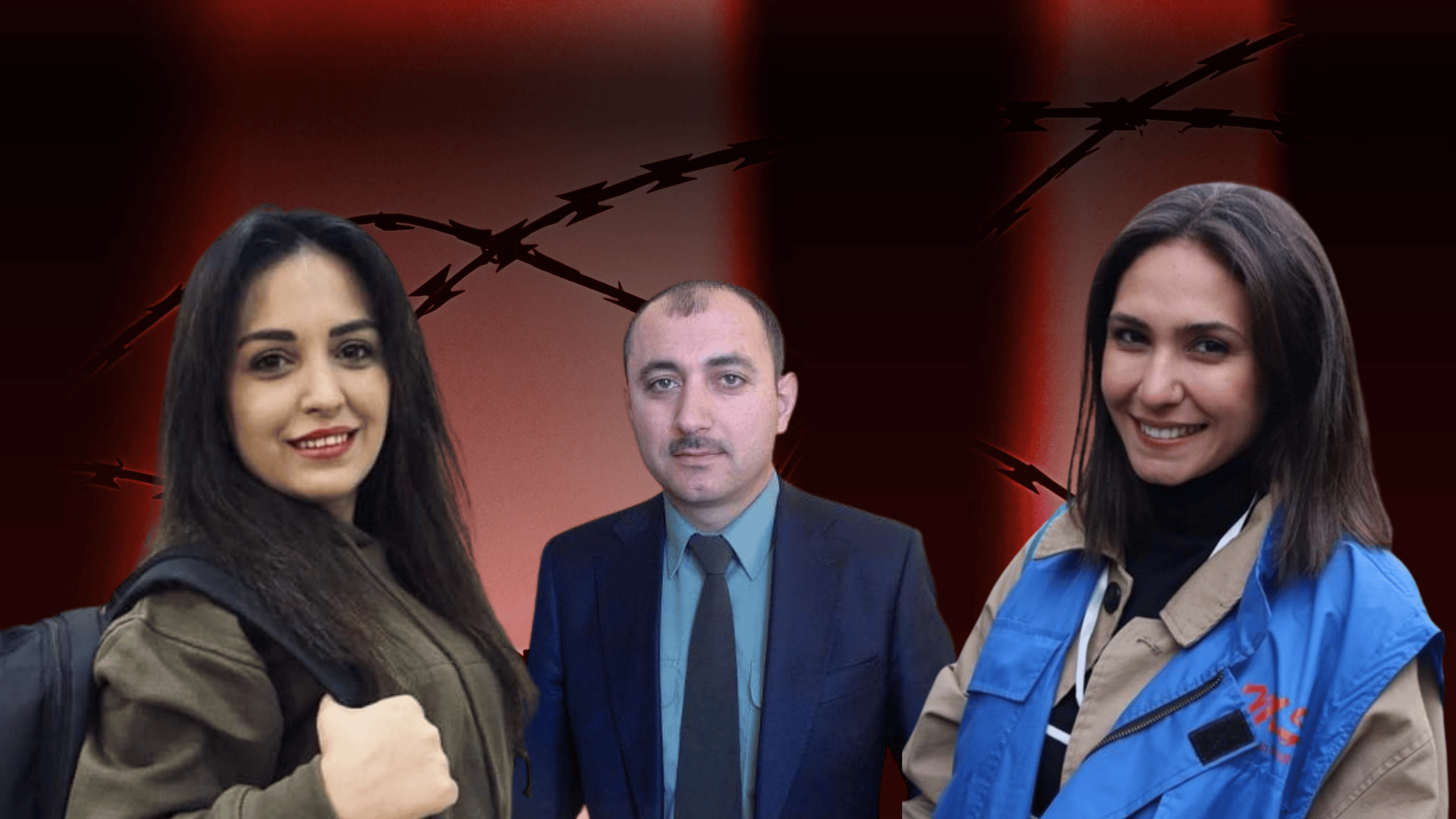
Reports say that when the journalists protested against the violence, Javid Gulaliyev used insulting and threatening language in response. They say he subjected them to physical, psychological and verbal pressure.
According to the information provided, officers took Aytaj Tapdig, with her arms twisted behind her back, to the lower floor and into the exercise yard, where they held her for some time. Staff transferred Khayala Aghayeva to the telephone room. Reports say she sustained injuries to her right hand and left wrist during the confrontation.
Following the incident, ventilation openings in the cells were reportedly closed for several hours and reopened only after continuous protests.
Saying they no longer feel safe, the journalists put forward the following demands:
- – that Javid Gulaliyev face criminal responsibility for abuse of office and acts of violence, and that authorities suspend him from his position;
- – that officials review surveillance camera recordings from the detention centre, which operate around the clock;
- – that Ombudsperson Sabina Aliyeva immediately visit the Baku pre-trial detention centre, meet with journalists Aysel Umudova, Khayala Aghayeva and Aytaj Tapdig, and investigate the alleged violence.
Violence against journalists in Azerbaijan
EV battery safety debated in Armenia
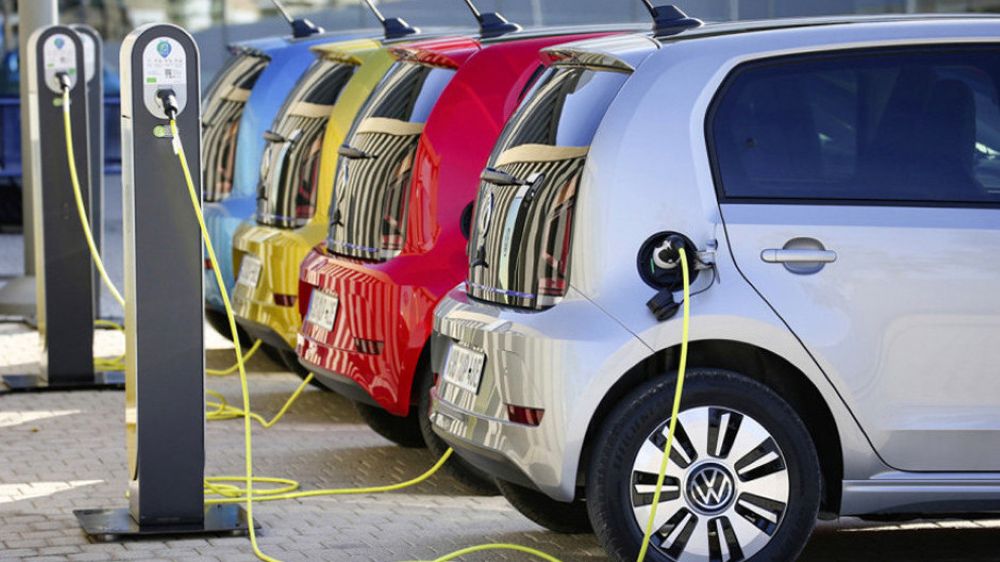
Electric vehicles have become extremely popular in Armenia. People often describe them as “green cars” because electric motors produce almost no emissions. However, the trend also has a downside. Electric vehicle batteries have a limited lifespan and typically last between eight and 12 years. As a result, the country will soon face the challenge of disposing of thousands of tonnes of toxic and highly flammable batteries.
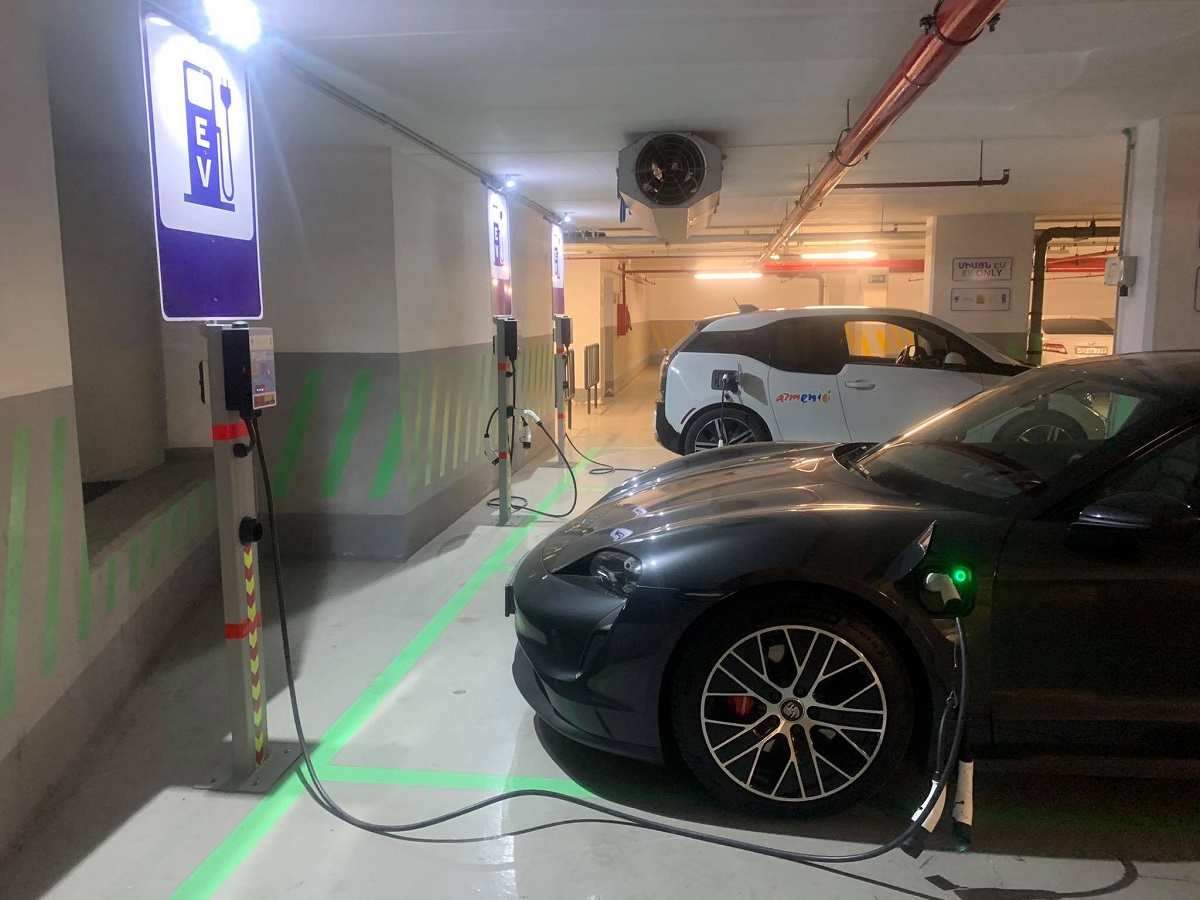
The Ministry of Internal Affairs reported that Armenia had more than 22,650 electric vehicles in August 2025. Various estimates suggest that the figure had reached nearly 30,000 by early 2026.
The government still maintains a quota that allows duty-free imports of environmentally friendly transport. Authorities also exempt these vehicles from value-added tax during import and sales transactions. Because of these incentives, buyers pay about 30% less for electric vehicles. The number of EVs in the country will therefore continue to grow. This trend has already raised questions about how Armenia will dispose of and recycle their batteries in the future.
- Armenian pensioners face growing financial strain as pensions fail to keep pace with rising prices
- Foreign interest in Armenia’s real estate market declines: Analysis
- Armenia debates ‘pre-election proposal’ for ministry of sex
An electric vehicle seller on the risks
Businessman Azat Enokyan imports electric vehicles. He says he explains both the advantages and the long-term risks to potential buyers.
“Environmental issues concern me deeply. I am a biologist by profession. I have long studied the composition of electric vehicle batteries and their impact on the environment.”
In his view, “environmentally friendly cars” could create problems in the future if countries fail to dispose of them properly.
“Electric vehicle batteries are quite large. But we should remember that they are not single-use waste. I think we need to inform people that in the future they can serve as solar energy storage units and household batteries,” Azat explains.
He says batteries will eventually require final recycling after their second life ends. Researchers and innovators in many countries now focus closely on this issue.
“Electric vehicles mainly use lithium-ion batteries. They contain heavy metals. These metals can harm ecosystems, especially water and soil. The liquid inside the battery is no less dangerous. It is a toxic substance that damages the lungs and affects breathing,” Azat warns.
He says most buyers do not worry much about the issue. However, he still prefers to explain the risks. Many customers respond that solutions will exist by the time the problem becomes urgent.
“Waste recycling may indeed develop further. However, serious consequences could emerge in countries such as Armenia, where waste management and recycling systems remain underdeveloped. These batteries can even become explosive. A damaged lithium-ion battery can explode and start a fire. Imagine the problems if they end up in landfills without proper control,” the electric vehicle seller says.
According to Azat, the state must first assess the “current and expected scale of this environmental burden” before it can design an effective risk-management programme.
“I believe that if the state encourages the use of environmentally friendly vehicles, it has also considered answers to these questions.”
Waste recycling to come under state control
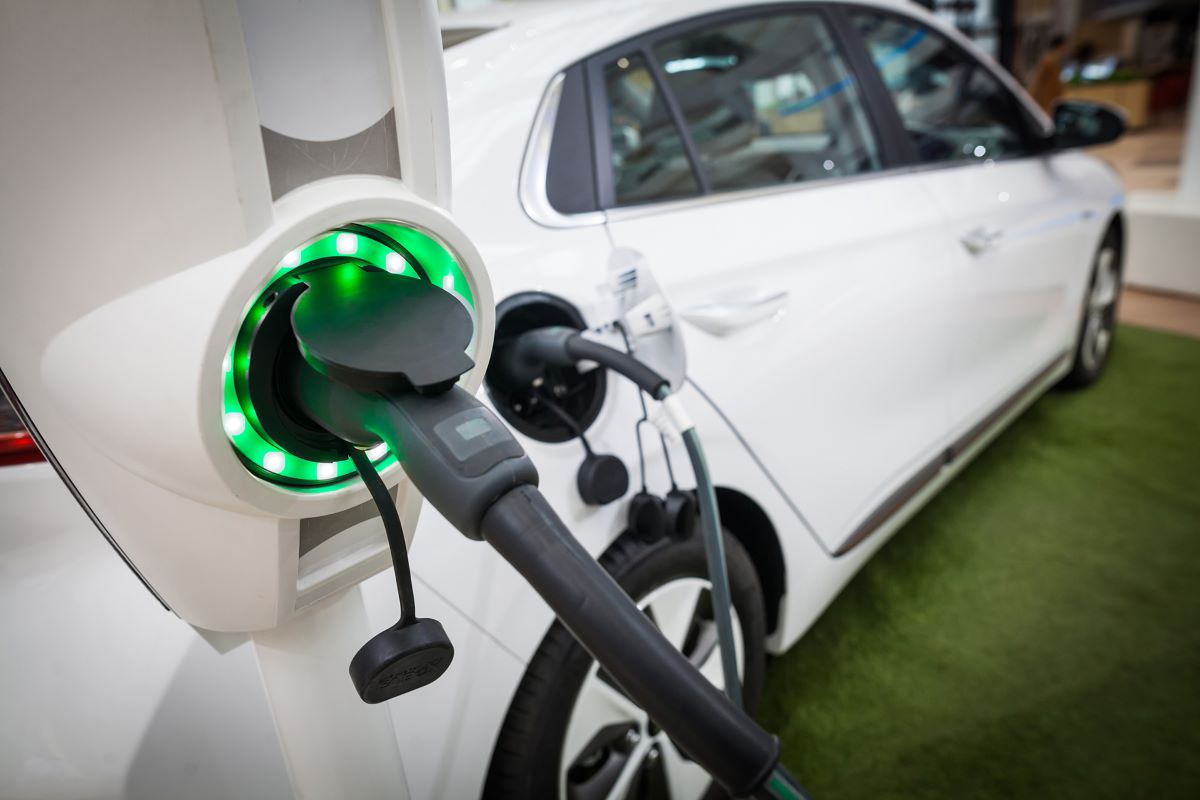
The Ministry of Environment told JAMnews in a written response that work in this area has already begun. Officials say they are finalising a draft initiative proposed by the ministry. The document will introduce specific rules and requirements for handling used lithium-ion batteries from electric vehicles.
“The ministry is also studying and collecting data on technological solutions for recycling and deactivation used in international practice,” officials said.
Experts at the ministry believe that the growth of electronic waste in the energy and transport sectors requires parallel efforts to promote its use as a secondary resource. They say such an approach could significantly support the development of a circular economy.
The Ministry of Environment therefore says it recognises future risks and has already taken steps to address them.
Officials have also reviewed and assessed the potential harm caused by lithium-ion batteries that have reached the end of their service life.
The ministry shared one of its ongoing projects with the editorial team. The initiative aims to create a comprehensive management system for electronic waste generated by solar power plants and electric vehicle batteries.
The system will collect data on this electronic waste. Authorities plan to use the information to assess environmental and socio-economic risks linked to e-waste. The data will also help lawmakers close gaps in waste-management legislation and generate revenue through reuse and recycling.
Ministry officials say these and other initiatives aim to create favourable conditions for electronic waste recycling in the country. They also seek to involve stakeholders from both the public and private sectors. Authorities describe the current stage as a period of capacity building, and say its success will largely depend on the level of investment.
EV battery safety debated in Armenia
Georgia will begin an active review of families registered as socially vulnerable to ensure state aid reaches only those who qualify, Georgian Dream Health Minister Mikheil Sarjveladze said on February 20, citing, among others, a steady growth in beneficiaries no longer compatible “with the economic success.”
The announcement follows longstanding concerns that a large share of the country’s population – 710,000 persons – relies on state assistance. Per the preliminary results of the latest 2024 census, the country’s population is estimated at 3.9 million, including up to 257,000 foreigners. The decision to review the data also comes amid repeated remarks by Georgian Dream officials that the database no longer reflects reality, citing what they describe as the country’s improved economy.
“It is a fact that the Unified Database of Socially Vulnerable Families could not be brought into conformity with the recognized economic success the country has had in recent years,” Sarjveladze said during a briefing, noting that this created a ground “for manipulation with the said figures and for creating false impressions.”
Sarjveladze clarified that more than 185,000 families, or about 710,000 people, currently receive financial assistance. In total, he said that nearly 400,000 families, around 1.3 million individuals, are registered in the database, and while more than half of them do not receive financial assistance, they still benefit from various state-provided privileges.
“Our objective is that only those families and individuals who, under current legislation, genuinely qualify for state financial support remain in the database,” Sarjveladze said.
The Health Ministry’s Social Service Agency will launch an “active process” of verifying households listed in the database in the coming months, the GD minister said. The checks will prioritize households deemed most likely to no longer meet eligibility criteria. As one filtering indicator, he noted, authorities will consider families that have received a monthly income of at least GEL 2,000 [about USD 746] over the past three months.
The Ministry also plans to refine evaluation methods and introduce mechanisms to remove financially secure families from the registry.
Authorities Cite ‘Anomalous Cases’
Sarjveladze said that eligibility criteria had been expanded twice since 2012 by raising the threshold score determining qualification, allowing more people to receive support. Without those changes, he argued, the number of beneficiary families would be “no more than 120,000, instead of 185,000.”
Sarjveladze also attributed the growth to a moratorium introduced after the COVID-19 pandemic, when family verifications were largely suspended. “As a result, the database still includes individuals and families who, fortunately, no longer require social assistance from the state,” Sarjveladze said.
He further cited what he described as “completely anomalous cases” of households continuing to receive the state assistance, and the number of which, Sarjveladze said, “is not small.” The GD minister offered individual examples, including a household that earned “tens of thousands of lari” over the past three months; a family that purchased several cars “worth tens of thousands of lari” within a year; a family who bought a 2024 model car; and a family that “has taken out a bank loan amounting to several hundred thousand lari.”
The issue of revising the social assistance database has been raised repeatedly by Georgian officials in recent months.
Addressing the parliament in November 2025, GD Prime Minister Irakli Kobakhidze said the number of social assistance recipients should be reassessed, citing economic growth and a decline in poverty rates. He argued that more citizens currently receive benefits than fall below the poverty line and also attributed the increase in beneficiaries to a pandemic-era moratorium on eligibility reviews.
The issue resurfaced on February 17, when Kobakhidze once again called for revising the database during an interpellation session.
“It is not possible for the number of social assistance recipients to increase under conditions where poverty has been halved,” he said, citing preliminary analysis suggesting about 8 percent of social assistance recipients are “well-off.”
Economic Progress and Persisting Challenges
Georgia operates a wide range of social protection programs, including the Targeted Social Assistance (TSA) scheme, which provides monthly cash support to the poorest households based on a welfare score. The Unified Database of Socially Vulnerable Families, set to be revised in the coming months, falls under the TSA scheme.
Additional programs offer social packages for vulnerable groups such as people with disabilities, veterans, and orphans, covering essential needs such as utilities, transportation, medication, and housing.
It also recently became known that starting in 2026, Georgia is discontinuing the public employment program launched in 2022, which tied continued social assistance eligibility to beneficiaries’ willingness to take up publicly offered “300 lari” jobs.
While Georgian officials have consistently highlighted economic progress, including steady GDP growth, authorities in recent months have also acknowledged persisting economic challenges such as high grocery prices. The Georgian Dream government has since established several mechanisms to address the issue, including a parliamentary commission, a government commission, and a separate investigation by the State Security Service of Georgia.
Author: Nino Baindurashvili
Also Read: