
Azerbaijan’s search for its representative at the Eurovision Song Contest 2026 is progressing according to plan, with strong interest from performers and songwriters, Azernews reports.
Day: February 6, 2026
Geopolitical events around the world, particularly the potential for conflict between the United States and Iran, have once again brought oil prices and their future trajectory into focus. While oil prices are fundamentally driven by supply and demand, they are equally sensitive to geopolitical developments. Any confrontation involving Iran would almost certainly push prices higher, though it is impossible to predict exactly how high they could go. Meanwhile, developments in the global economy continue to generate conflicting forecasts about oil’s path.
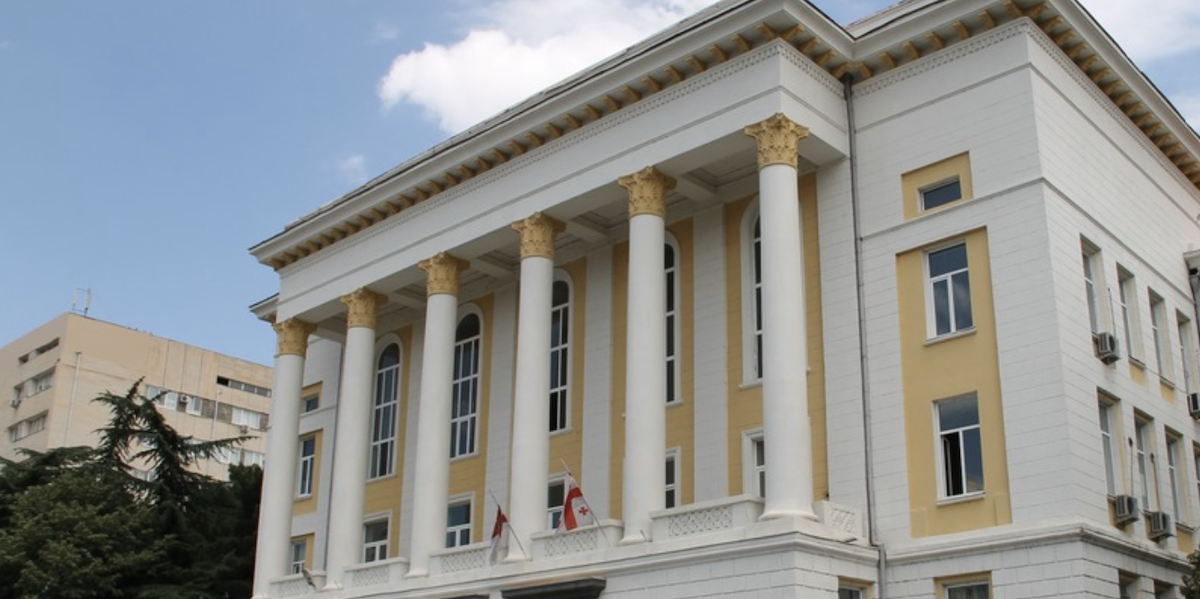
University merger in Georgia
The Georgian Technical University says a possible merger with Tbilisi State University, as part of a government-initiated higher education reform, threatens its autonomy if carried out without the involvement of the university’s governing bodies.
The academic council has called on the government to suspend the reorganisation process until a thorough review takes place and real discussions are held with the university community.
The Georgian government is launching a large-scale higher education reform under which Tbilisi State University and the Georgian Technical University will be reorganised through a merger.
According to the government, the aim is to align programmes at state universities with labour market demands, focus on the quality of education, and offer graduates competitive, well-paid careers.
The academic council of the Georgian Technical University said it supports the development and reform of the higher education system, but strongly opposes decisions made without taking the university’s will into account. The council says any restriction of the university’s autonomy contradicts the principles guaranteed by Article 27 of Georgia’s constitution.
The statement stresses that a reorganisation carried out without the involvement of the academic council, the senate, student self-government bodies, faculties and research institutes is not just an administrative reshuffle, but a direct interference in academic freedom.
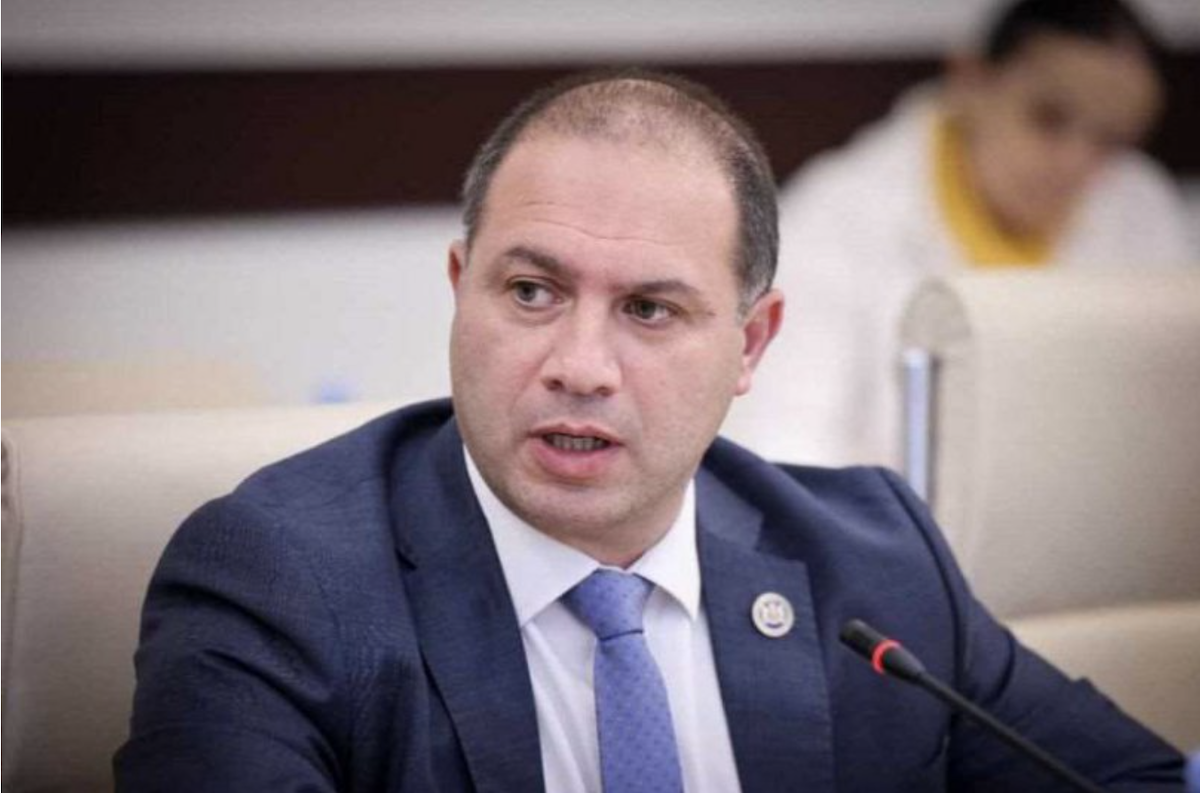
The university has appealed to the government and the Ministry of Education and Science to temporarily suspend decisions related to the reorganisation of universities until a needs assessment is completed and a common position is formed within the academic community.
At the same time, the Technical University said it is ready for dialogue with the government in any format. According to the academic council, the goal is not confrontation, but strengthening Georgia’s already strong engineering faculty within a national higher education concept.
The university, which has a 104-year history, says it hopes the government will take into account the position of thousands of staff and students, and that the reform will be carried out not by top-down orders, but on the basis of partnership.
The academic council’s decision was supported by 36 members, with no objections. The document can be appealed within one month at Tbilisi City Court.
University merger in Georgia

Georgia’s relations with the West
In Georgia, where relations with the West have grown more tense and ambiguous in recent years, the ruling Georgian Dream party is increasingly trying to show that the doors of Washington are not completely closed to it.
Public statements at meetings, talk of “shared values” and the idea of a “reset” in the strategic partnership are turning into a kind of information campaign, as the ruling team seeks legitimacy in the West both diplomatically and symbolically.
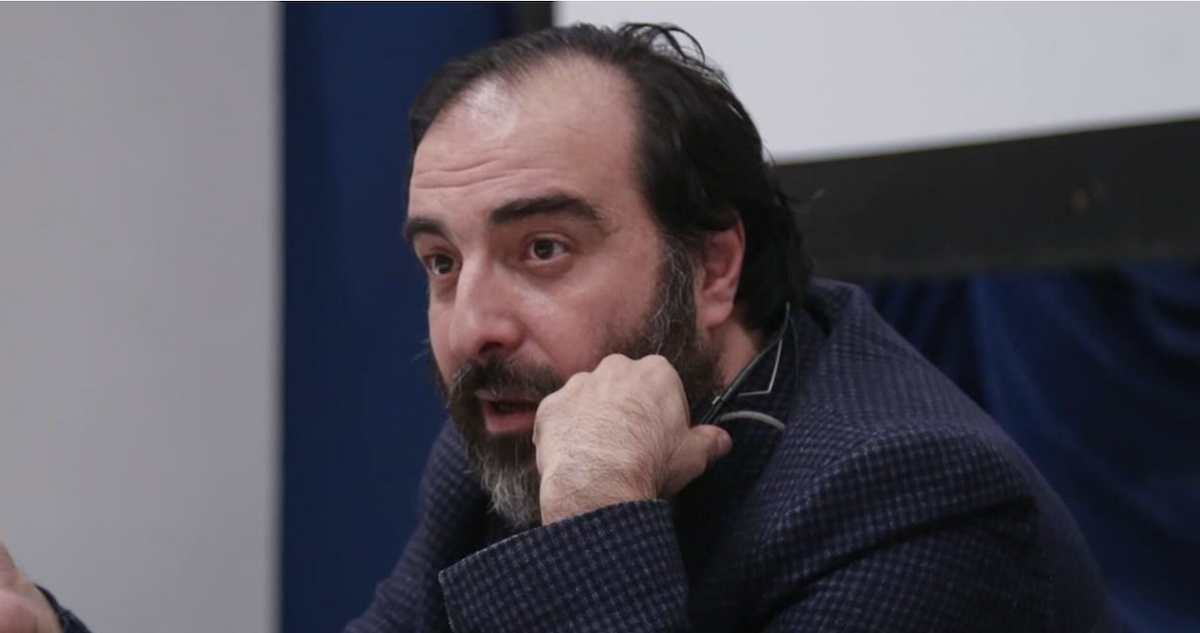
The latest example is a statement released by Georgian Dream party president Mikheil Kavelashvili. He said that, during a reception hosted by International Olympic Committee president Kirsty Coventry, Foreign Minister Maka Bochorishvili met US Vice-President JD Vance and Secretary of State Marco Rubio. According to Kavelashvili, the conversation “paid special attention to the shared values of Georgia and the United States.”
Formally, this was a gesture of diplomatic courtesy. However, in Tbilisi such wording is aimed more at a domestic audience, to show that relations with the West are still “alive.”

A similar logic can be seen in a statement from Georgia’s embassy in the United States. Ambassador Tamar Taliashvili hosted State Department officials at the embassy: senior adviser Jonathan Askonas and his special assistant Charles Yockey.
The statement stressed that the Georgian side had “once again expressed its readiness to reset relations with the United States” and spoke about reviving the strategic partnership. The official text also highlighted Georgia’s role as a “regional connector” and the transport potential of the Middle Corridor linking East Asia with Europe via Central Asia, the Caucasus and Turkey. These are the themes through which Tbilisi is trying to remind Washington of its importance.
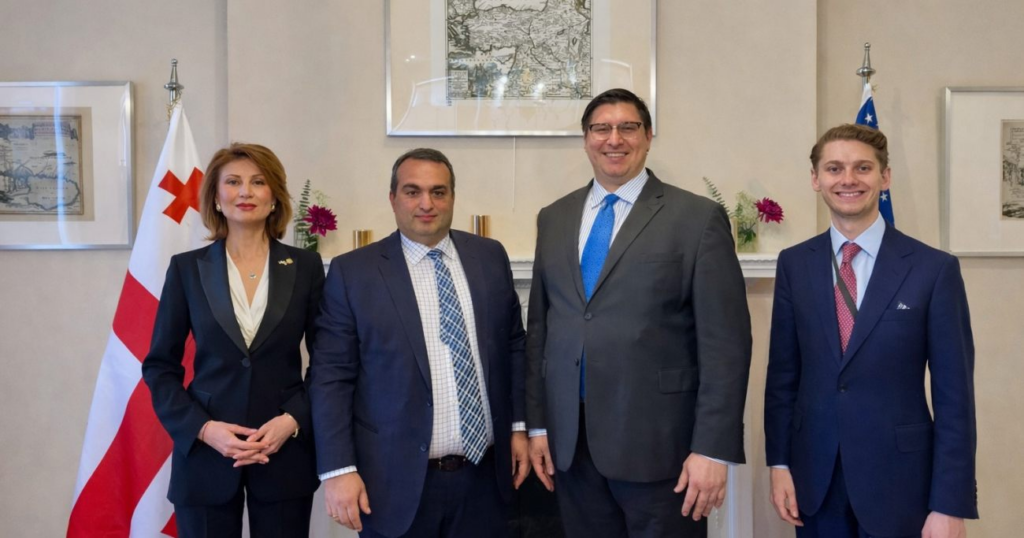
The main message at a meeting between Georgian Deputy Foreign Minister Lasha Darsalia and US Assistant Secretary of State Brendan Hanrahan during a working visit to Washington was similar. Tbilisi said it was ready for a “reset,” even though relations have deteriorated in recent years amid democratic backsliding, pressure on the media and civil society, and the harsh suppression of pro-European protests.
This is where the central contradiction emerges. On the one hand, Georgian Dream speaks in the West about shared values, stability and regional cooperation. On the other, the government at home is increasingly adopting an authoritarian style of rule, putting pressure on opponents, targeting NGOs and criminalising pro-European protests. For Western partners, the problem lies precisely in the dissonance between these two realities.
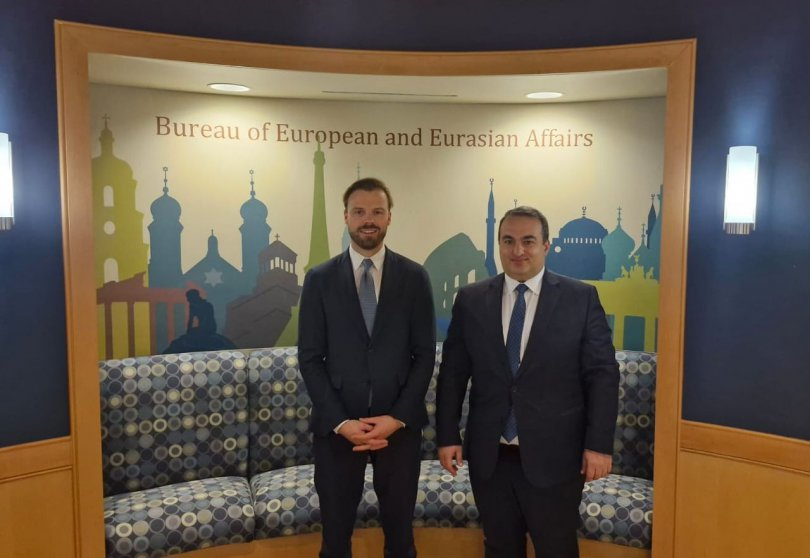
According to experts, the government’s strategy today is less about carrying out real reforms and more about demonstrating a formal dialogue with the West.
Meetings at receptions and behind the scenes of diplomacy do not change the fact that Washington and Brussels expect more than words from Georgia. They want action: an independent judiciary, free media, fair elections and the restoration of political accountability.
At this stage, Georgian Dream’s effort to gain legitimacy in the West looks more like an information campaign than a reset in foreign policy. The government is trying to show it is not in complete isolation and that dialogue with the United States remains possible. However, experts say that as long as this dialogue is limited to photographs taken at receptions and references to “shared values” in official statements, scepticism in the West will remain unchanged.
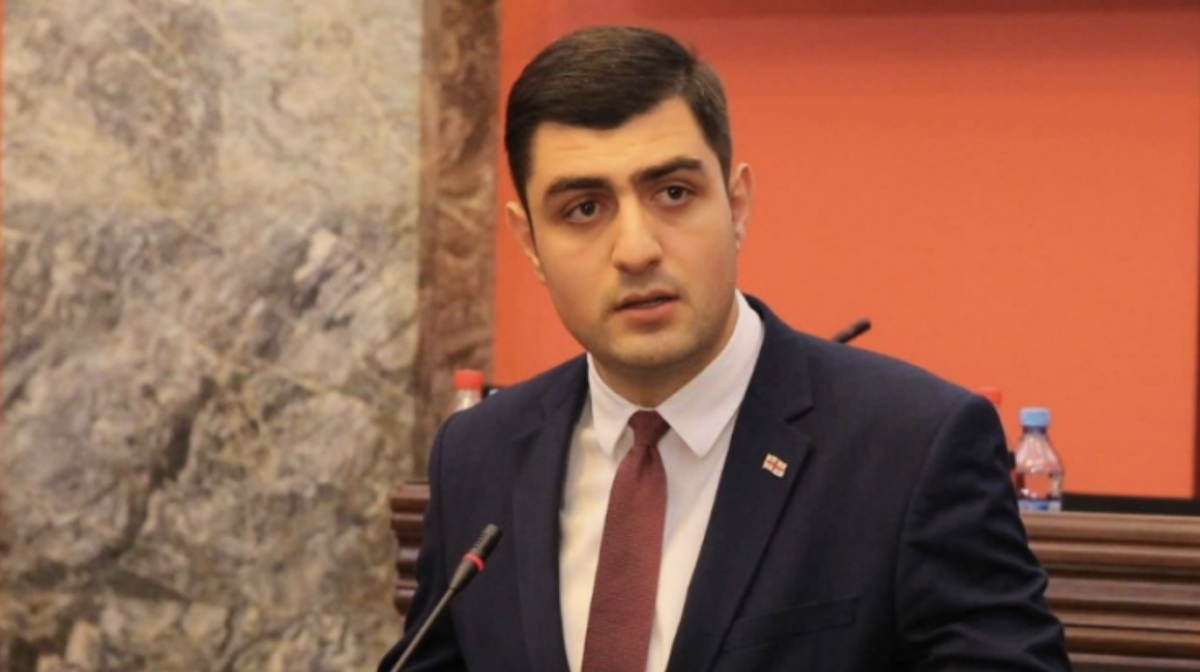
Laura Thornton, director of global democracy programmes at the McCain Institute, recently said US leaders have no reason to meet a government that insults Western diplomats, accuses them of trying to open a “second front,” and maintains ties with forces chanting “Death to America.”
Thornton believes the Georgian government’s international isolation is a logical result of the policies Georgian Dream has pursued for years. She says the ruling party should not be surprised by this isolation, as it has done little beyond discrediting the United States and its allies while moving closer to the West’s opponents.
However, Thornton stresses that the isolation does not extend to the Georgian people. She says many in the West continue to support Georgian democracy, even though they no longer see the current government as a reliable partner.
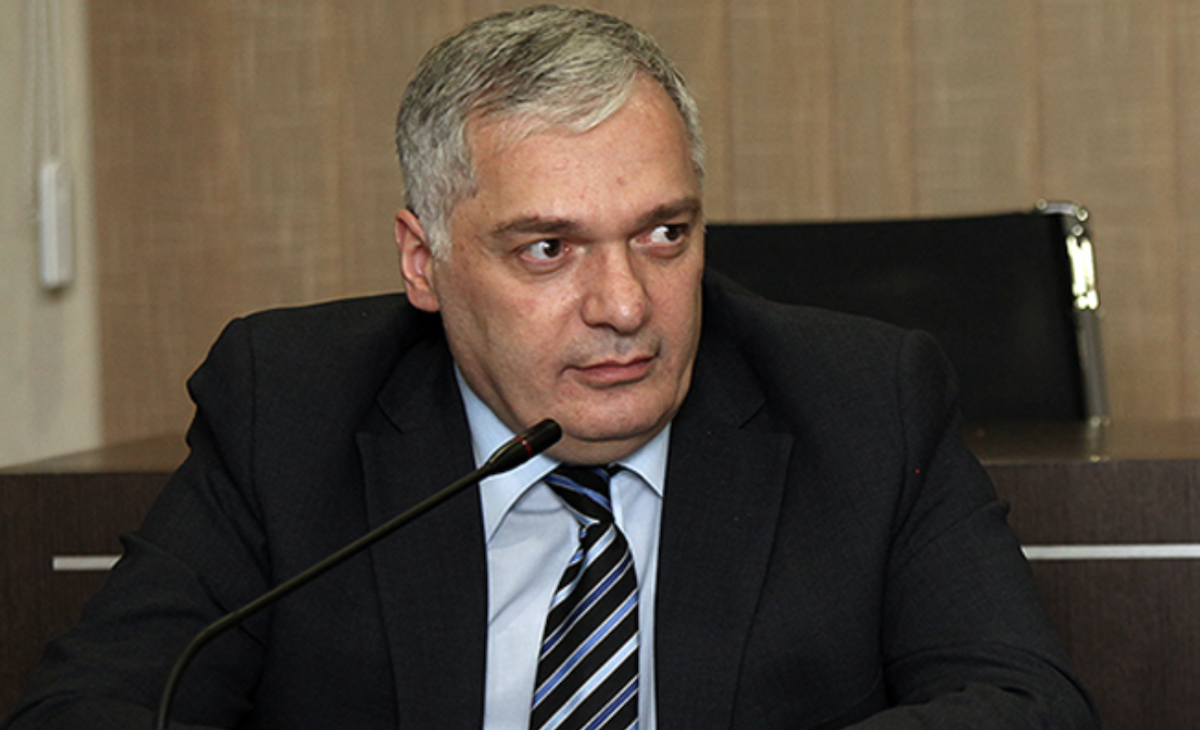
Security expert Giorgi Shaishmelashvili says the non-recognition of the Georgian Dream government persists even in a transactional world, where partners are chosen less for their human rights records and more for their geopolitical value.
Shaishmelashvili warns that, in a collapsing and shifting international order, Georgia may struggle to survive as an independent state unless rapid changes take place.
“We are seen as an extension of the Russian Federation — a puppet. We are not even invited to events where all kinds of authoritarian regimes are welcomed.”
Georgia’s relations with the West