
The completion of the test phase of the Baku–Tbilisi–Kars (BTK) railway in 2025, alongside improvements in customs procedures, is expected to significantly expand Azerbaijan’s ability to fully utilize rail transportation through Georgia, according to an assessment by international rating agency S&P Global Ratings, Azernews reports.
Day: December 19, 2025

US imposes sanctions on two ICC judges
The US has imposed sanctions on two judges of the International Criminal Court (ICC) – Georgia’s Gochi Lortkipanidze and his Mongolian colleague Erdenebalsuren Damdin.
US Secretary of State Marco Rubio said the judges “directly participated in unlawful ICC actions targeting Israel,” including investigations, attempts to arrest, detain, or prosecute Israeli citizens without Israel’s consent. In particular, they voted on the ICC decision of 15 December, which rejected Israel’s appeal.
The sanctions were imposed under a US presidential order “on imposing sanctions against the International Criminal Court.”
In November 2024, the International Criminal Court (ICC) issued arrest warrants for Israeli Prime Minister Benjamin Netanyahu and former Defence Minister Yoav Galant, accusing them of war crimes and crimes against humanity.
On Monday, 15 December, the Hague court rejected Israel’s request to halt the ongoing investigation into alleged Israeli crimes in Gaza.
The United States said neither it nor Israel are parties to the Rome Statute and therefore do not recognize the ICC’s jurisdiction.
“We will not tolerate abuse of power by the International Criminal Court infringing on the sovereignty of the United States and Israel,” US Secretary of State Marco Rubio said in a statement published on 18 December.
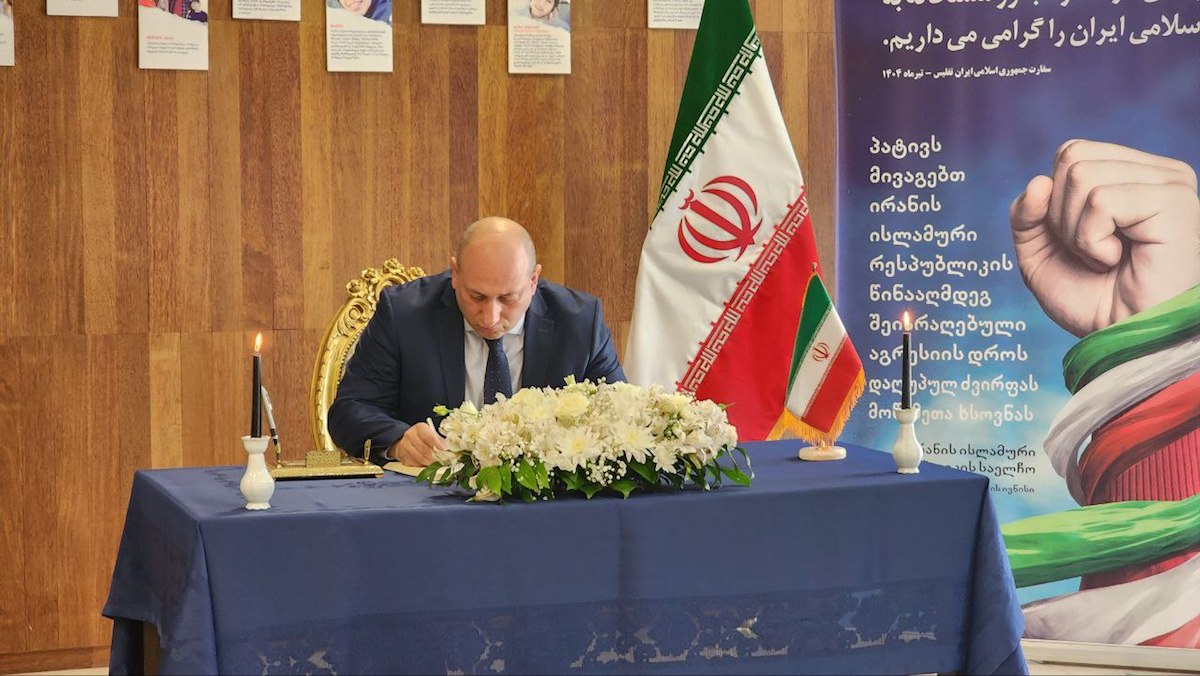
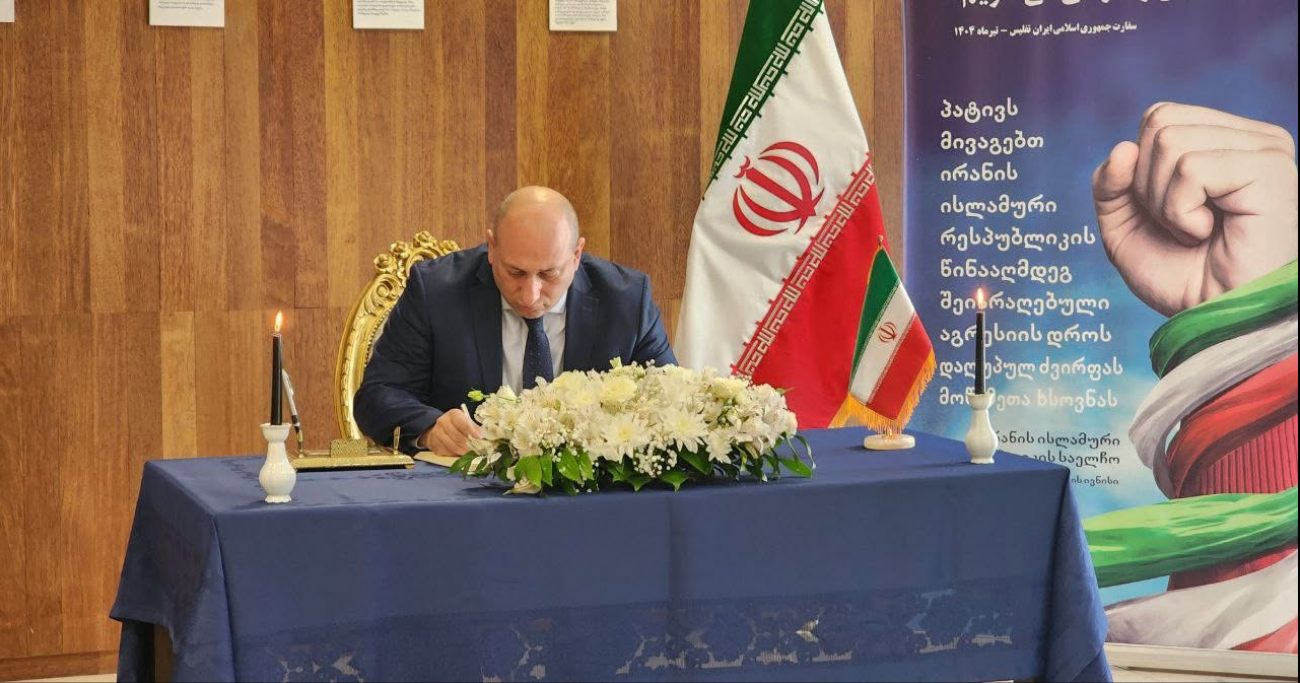
Gochа Lortkipanidze, the ICC judge now under US sanctions, served as Georgia’s Deputy Minister of Justice from 2013 to 2020. He was appointed Minister of Justice in 2020–2021 and elected as an ICC judge in The Hague in December 2020. In 2024, Lortkipanidze became the President of the Appeals Chamber, the court’s highest structural body.
US imposes sanctions on two ICC judges
Categories
Трамп не дурак! – Лукашенко
The healthcare system in our country has entered a new stage of development,” President of the Republic of Azerbaijan Ilham Aliyev said in his address to the participants of the international scientific-practical congress dedicated to the 90th anniversary of the Azerbaijan State Advanced Training Institute for Doctors named after Aziz Aliyev, Azernews reports.
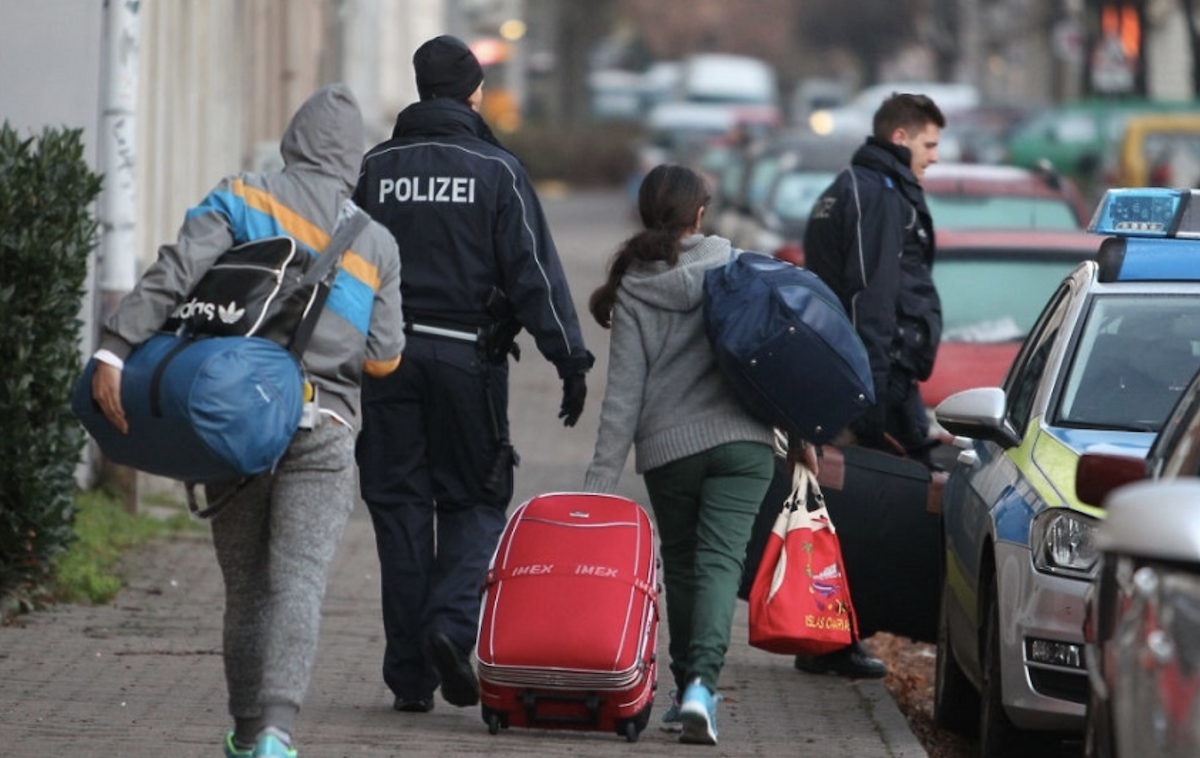
Georgia deemed a “safe country of origin”
The European Union has approved its first unified list of “safe countries of origin”, which includes Georgia — a move that has sparked sharp criticism in the European Parliament.
A “safe country of origin” is a legal term in migration law referring to a country where political persecution is deemed absent, human rights are considered to be respected, and people are not seen as facing a real risk.
Inclusion on the list will significantly complicate the granting of asylum to citizens of these countries, including Georgia.
Although Georgia is a candidate for EU membership, some members of the European Parliament argue that its domestic political situation is increasingly drifting away from democratic standards.
The agreement is intended to speed up asylum procedures and reduce pressure on the EU’s asylum system. Applications from citizens of countries deemed safe will be processed under an accelerated procedure, requiring applicants to demonstrate why their country is not safe for them in their specific case.
The unified list includes seven countries: Bangladesh, Colombia, Egypt, Kosovo, India, Morocco and Tunisia. Under the agreement, EU candidate countries are also automatically considered safe, except in exceptional circumstances such as an armed conflict or a high rate of asylum recognition in the EU.
Official statistics show that the overall asylum recognition rate for Georgian citizens in 2024 stood at just 4%. A rate above 20% was recorded only in Spain, at 21%. On this basis, Georgia was automatically included in the list of safe countries of origin.
However, a number of members of the European Parliament say the decision is unjustified.
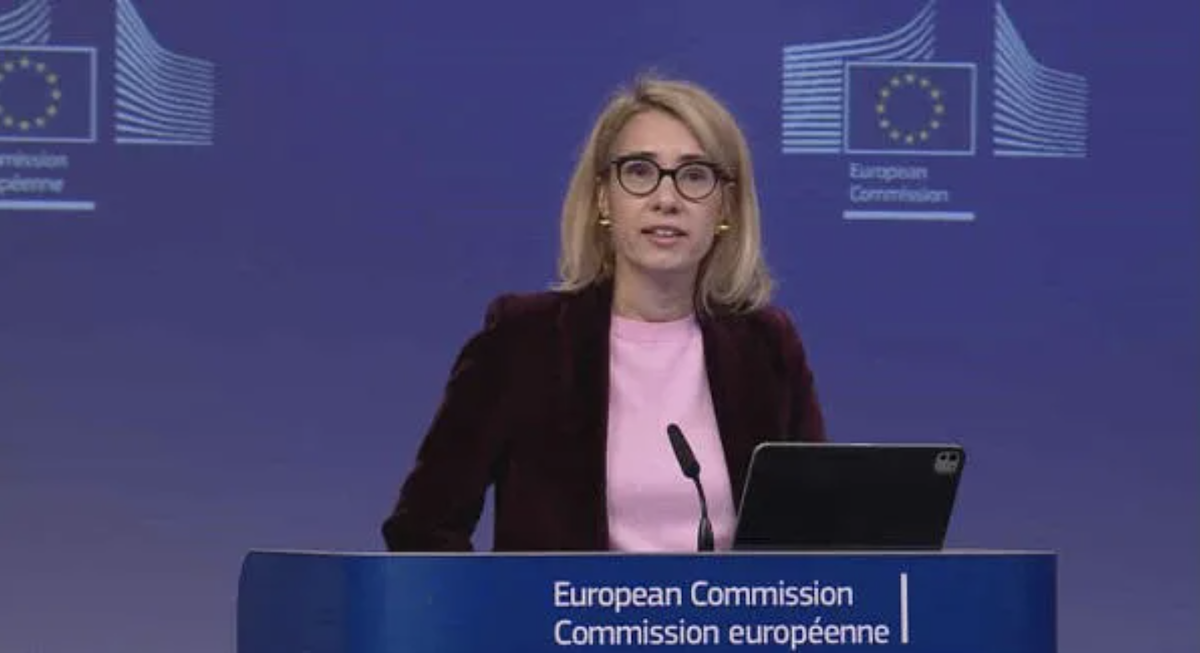
“We are debating Georgia’s anti-democratic turn, while the EU at the same time declares Georgia a safe country of origin,” said Social Democrat MEP Cecilia Strada during a debate on 17 December.
She noted that in 2025 Georgia faced large-scale repression of dissent, including violence against peaceful protesters and restrictions on media freedom, which she said casts doubt on claims that the country is safe for opposition figures and independent journalists.
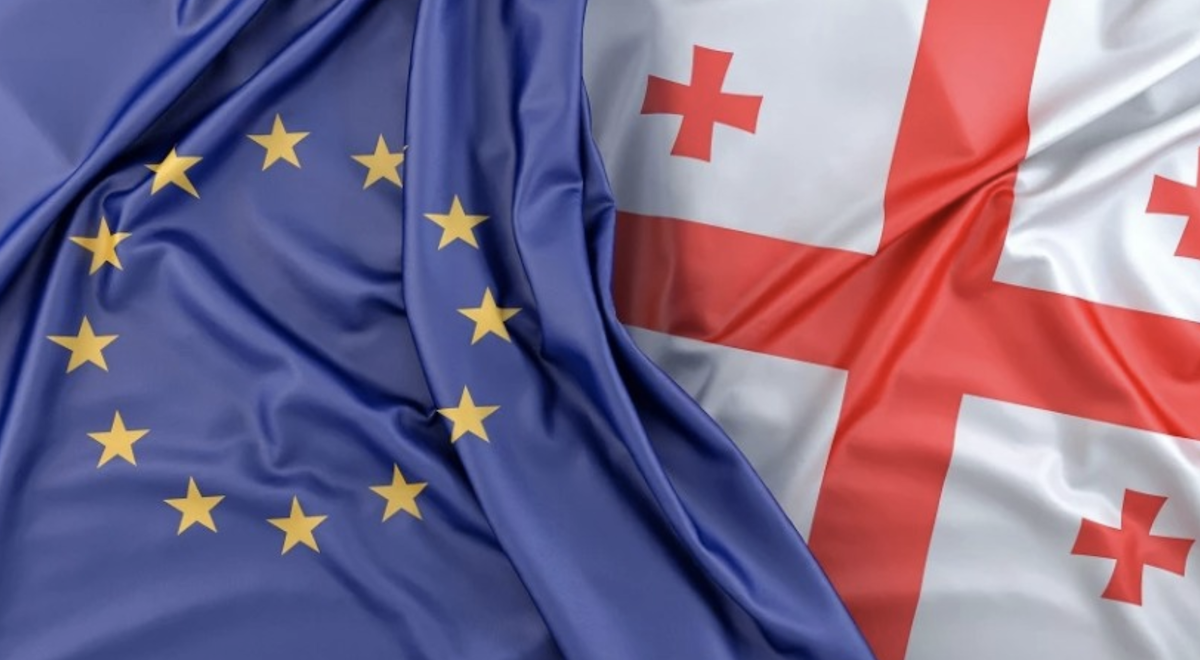
Under the agreement, the European Commission will be responsible for the ongoing monitoring of countries classified as safe, including EU candidate states. If the situation in a country deteriorates, the Commission may temporarily remove it from the list, informing the European Parliament of the decision.
The document also stresses that the European Court of Justice has the authority to assess the legality of designating a country as safe.
The decision is particularly significant for Georgia in the context of its visa-free regime with the EU. While Georgia had previously been included in national safe country lists of individual member states, this is the first time it has been added to a single, EU-wide register.
In 2025, a Berlin court questioned Georgia’s safe country status in a specific case involving a Georgian couple who had taken part in protests against the “foreign agents” law in Tbilisi and later applied for political asylum in Germany.

The agreement also allows EU member states to designate additional safe countries at the national level and to apply accelerated border procedures to applicants from countries with asylum recognition rates below 20%. The new rules will fully enter into force on 12 June 2026.
“This is a turning point in EU migration policy,” said rapporteur Alessandro Ciriani. According to him, the common list is a practical tool for better allocation of resources and for reducing abuse of the asylum system.
The agreement will take effect after its formal approval by the European Parliament and the Council of the EU. However, debates have already begun over whether the list reflects political realities in some countries.
Georgia deemed a “safe country of origin”