
Day: October 14, 2025
Georgia has the best airport in the country. But it might not be the one you thought Savannah Morning News
Google Cloud CEO Thomas Kurian announced on Tuesday that Google plans to invest $15 billion over the next five years to build data center capacity for a new artificial intelligence hub in the eastern Indian state of Andhra Pradesh, Azernews reports, citing foreign media.
“We’re excited to announce a gigawatt-scale AI hub in Visakhapatnam. This will be the largest AI hub we are investing in anywhere outside of the United States. The project represents a $15 billion capital investment over the next five years and will eventually scale to multiple gigawatts of power capacity. It will be part of a global network of AI centers across 12 countries,” Kurian said during an event in New Delhi. He also emphasized that the company aims to transform Visakhapatnam into a “global connectivity hub.”
Nara Lokesh, the Minister for Human Resources Development of Andhra Pradesh, welcomed the announcement, calling it a “massive leap” for the state’s digital future. He noted that the deal came after “a year of intense discussions and relentless effort” between the state government and Google.
This investment underscores India’s growing importance in the global technology ecosystem and Google’s commitment to expanding its AI capabilities outside traditional tech hubs. The new facility is expected to not only boost local employment but also attract further tech investments to the region, positioning Andhra Pradesh as a key player in the AI and cloud computing revolution.
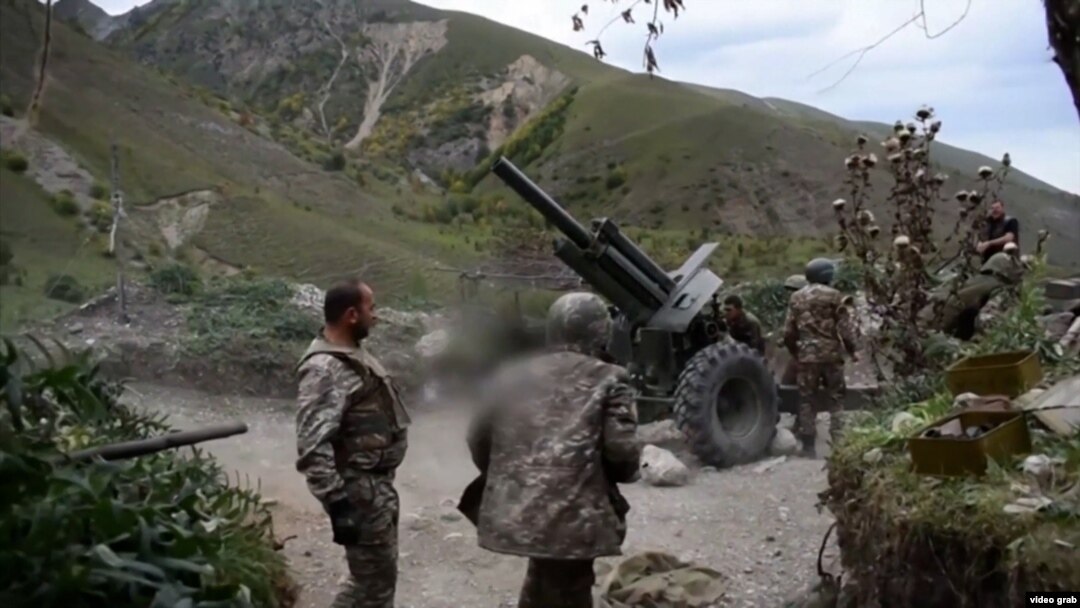
Armenia seals investigation results
The parliamentary commission in Armenia set up to investigate the 2020 Karabakh war has completed its work. Its 215-page report is ready, but the public will not learn its findings.
After receiving the document, the speaker of parliament, Alen Simonyan, citing a breach of the commission’s deadlines, referred it to a classified section. Only National Assembly members with security clearance can now access the report.
The ruling team’s decision not to release the commission’s findings to the public has drawn criticism from the opposition. Gegham Manukyan, a lawmaker from the Hayastan faction, has already reviewed the report in the classified section. He claims the authorities aimed to “shift the blame onto others and portray Pashinyan as flawless,” but were unable to achieve this.
Military expert Eduard Arakelyan writes that military defeats are often investigated not only to identify those responsible but also to uncover systemic failures. He argues that the effectiveness of such reports depends on their transparency. “The refusal to declassify the report may be driven by political calculations and a fear of losing authority,” he says.
- Pashinyan’s post on war anniversary sparks outrage
- OSCE Minsk Group disbanded: Armenia debates whether it is “progress or a loss”
- ‘I’ll crush you’: Pashinyan on debates with former Armenian presidents
Only MPs from the ruling faction took part in the commission investigating the 44-day war. The parliamentary opposition boycotted it, saying that “those responsible for the defeat in the war cannot conduct an objective investigation.”
The investigative commission questioned many senior officials, including Prime Minister Nikol Pashinyan, former Chief of General Staff Onik Gasparyan, ex-Defence Minister David Tonoyan, and former Foreign Minister Zohrab Mnatsakanyan.
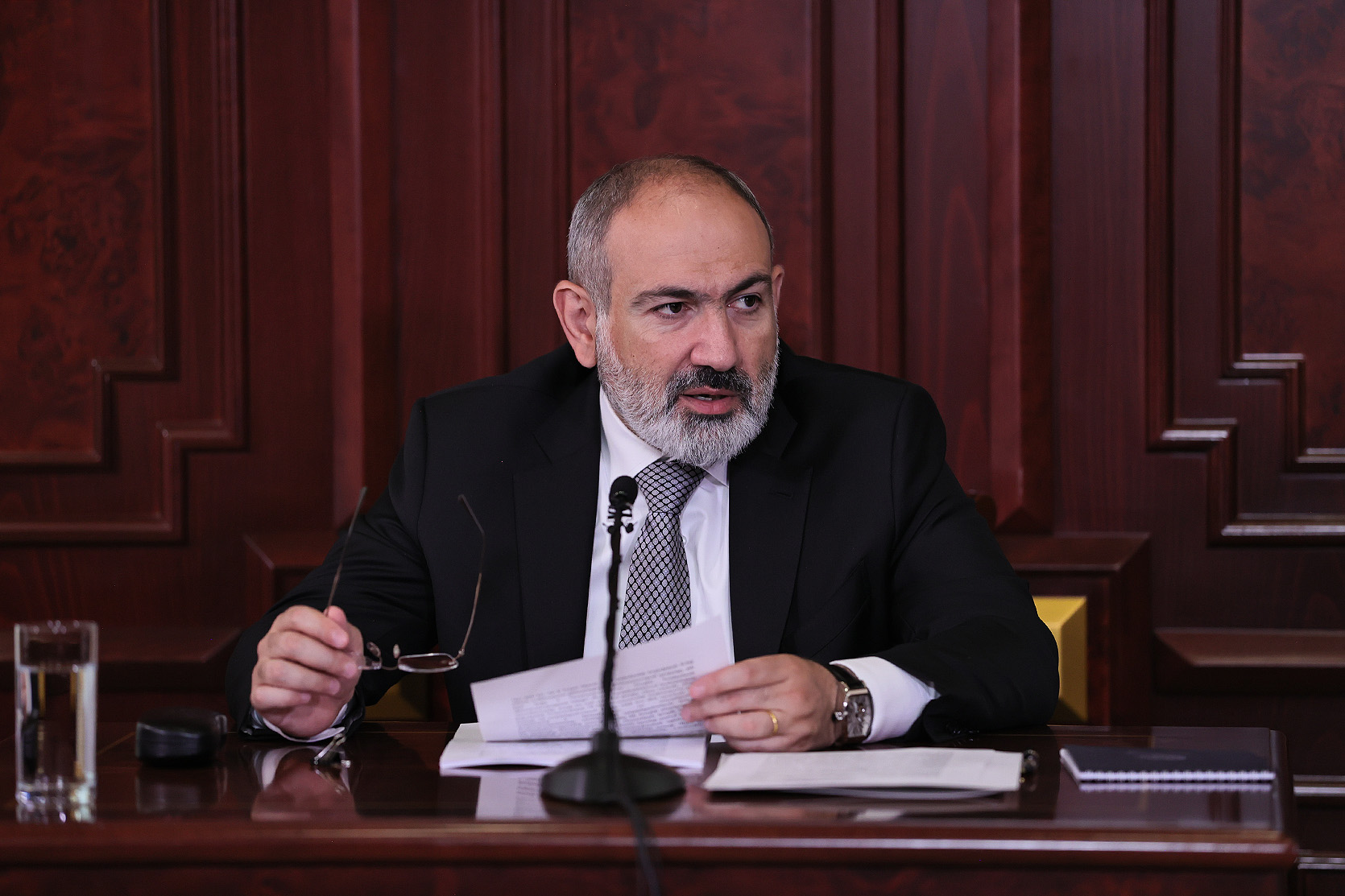
Debate over document within ruling party
Armenian parliament speaker Alen Simonyan explained why he sent the investigative commission’s report to a classified section. He said the parliament could not include the document on the session agenda because the commission submitted the report past the deadline.
“The investigation covered such an extensive scope that reviewing it took a lot of time. I do not blame [the commission chairman] Mr Kocharyan for this,” he added.
The commission investigating the circumstances of the second Karabakh war was established in February 2022. According to parliamentary rules, the mandate of an investigative commission lasts up to six months. However, it can be extended twice at the commission’s request, each time for up to six months. If the report is not ready after the additional time granted by parliament, the commission’s mandate expires.
However, commission chair Andranik Kocharyan, a member of the ruling party, insists he did not violate the deadline. He argues that the speaker should have submitted the report for discussion at the next parliamentary session within a month of receiving it.
Local media suggest that tensions between Simonyan and Kocharyan fuel the disagreement over the report’s publication.
The speaker, however, insists he has no personal issues with Kocharyan, saying they merely “interpret the legal norms differently.” Kocharyan responded: “If the report is not placed on the plenary agenda, suspicions of Simonyan’s personal interest will be confirmed.”
Simonyan believes the document should be discussed in closed hearings, while Kocharyan opposes this.
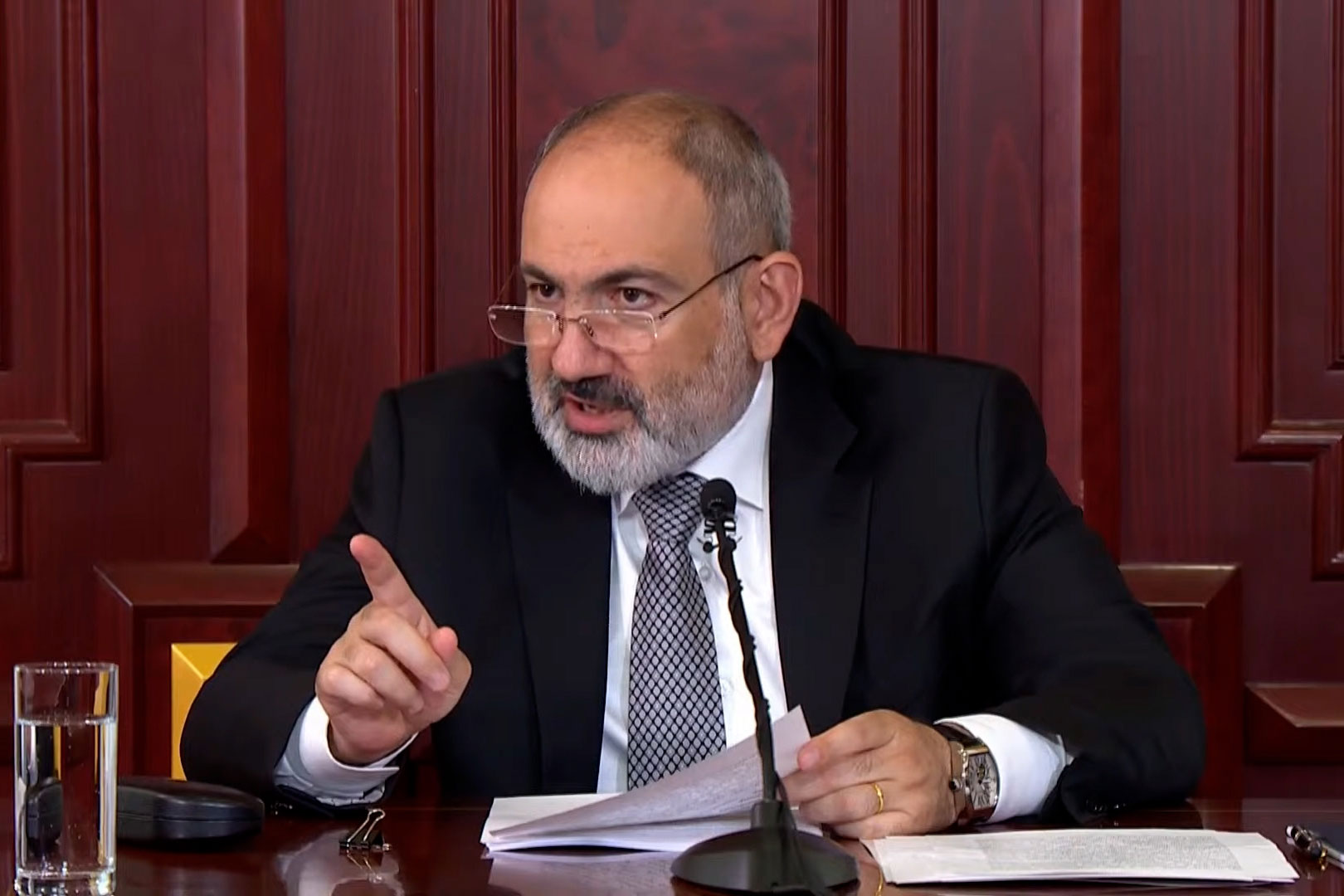
“Main goal — don’t expose yourself”: opposition perspective
Reaction from opposition MP Gegam Manukyan, who reviewed the report in the parliament’s secret section, was as follows:
“There is a saying: the main thing in an investigation is not to expose yourself.”
He noted that the document raises questions about Pashinyan’s strategic decisions and personnel appointments. Manukyan told journalists that he cannot disclose classified information, but after reviewing the report, he submitted requests to law enforcement:
“Yesterday I sent two requests to the Prosecutor General, two to the Investigative Committee. Today I will send two very important requests to the National Security Service to confirm what could hit Armenia like an atomic bomb.”
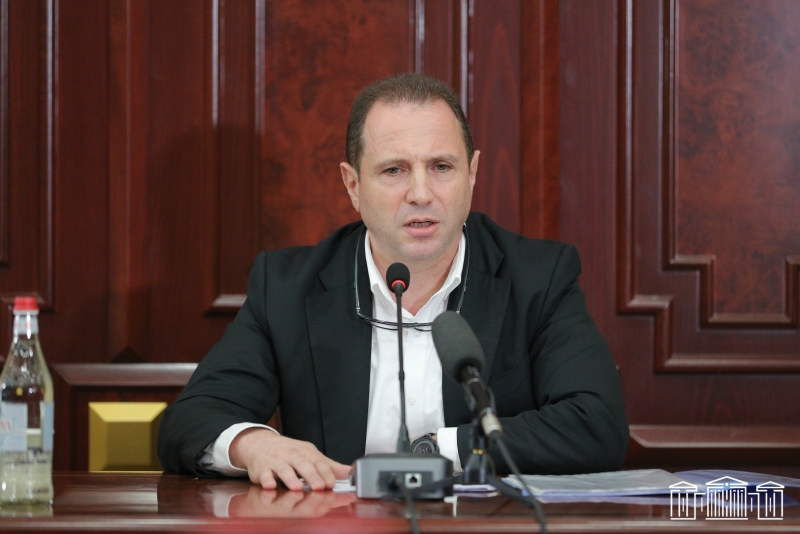
Military expert Eduard Arakelyan’s comment
Over the past five years since the Second Karabakh War, Armenian authorities repeatedly promised to identify the reasons for the defeat. They pledged to answer the public’s key questions — from mistakes by military leadership to political decisions that led to the catastrophe.
In 2022, parliament set up an investigative commission to study the war’s circumstances. However, the ruling majority formed the commission, casting doubt on its independence from the start — unlike similar commissions in Israel, which operated with high autonomy.
At the outset, the government ran an active PR campaign. The prime minister gave testimony, and officials displayed readiness for self-criticism and transparency. Yet the final report went the opposite way: authorities classified it, sending it to the parliamentary archive where only a limited circle with special clearance can access it.
The report may contain facts and assessments already public since 2020. It also likely includes decisions or episodes that, if published, could be seen as leadership errors, serious war-management deficiencies, or flawed strategic political choices.
Refusing to declassify the findings may protect the authorities in the short term, but in the long run, it risks being a strategic mistake.
An army and a state cannot reform without acknowledging their own errors. Experience from other countries shows that making such reports public does not weaken the state. On the contrary, it strengthens institutional stability, promotes leadership accountability, and ensures public oversight.
Hiding mistakes does not protect politicians or military officials from losing authority. The decision to classify the report likely stems from political calculations and fear of losing credibility.
For Armenia, publishing the parliamentary commission’s report — with rigorous, objective review — could be a key step toward restoring the defense system and overcoming the post-war trust deficit.
Archiving the report continues a tradition of secrecy, which ultimately may weaken the state.
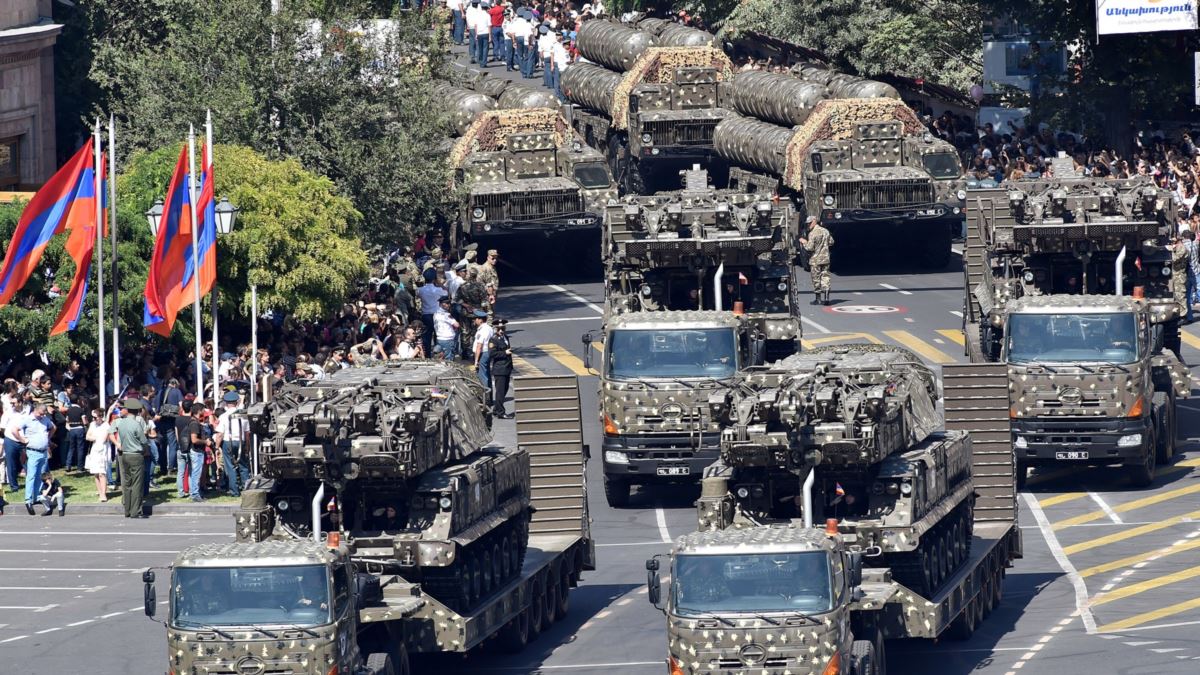
Armenia seals investigation results