Software, instructions that tell a computer what to do. Software comprises the entire set of programs, procedures, and routines associated with the operation of a computer system. The term was coined to differentiate these instructions from hardware—i.e., the physical components of a computer system.
Day: September 17, 2025
In pictures: Trump and Melania meet the royals at Windsor bbc.com/news/articles/c4gqd7…
— Michael Novakhov (@mikenov) Sep 17, 2025
South Korean tech giant LG Electronics Inc. announced on Wednesday that it has signed a supply agreement with U.S. homebuilder Century Communities Inc. to provide energy-efficient artificial intelligence (AI)-enabled home appliances for newly constructed houses, Azernews reports, citing Yonhap agency.
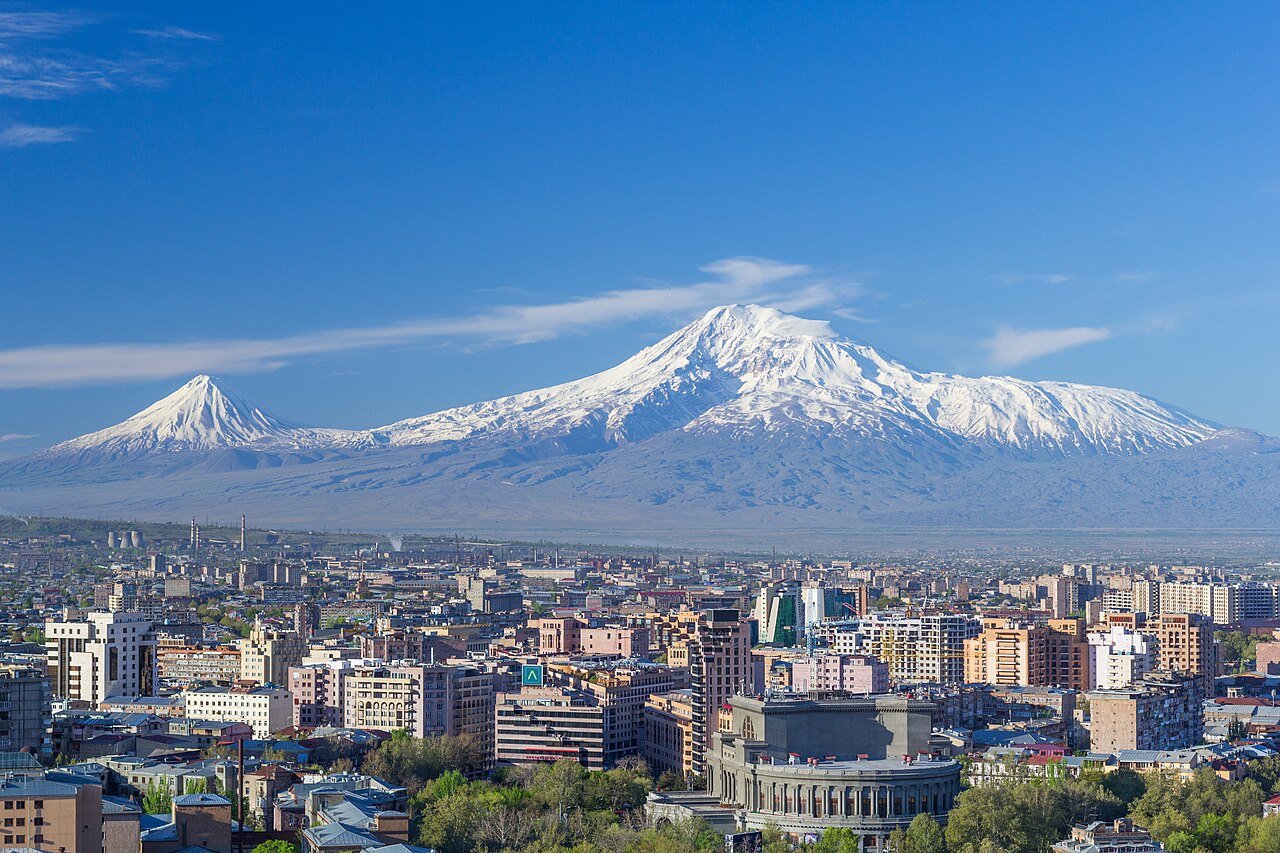
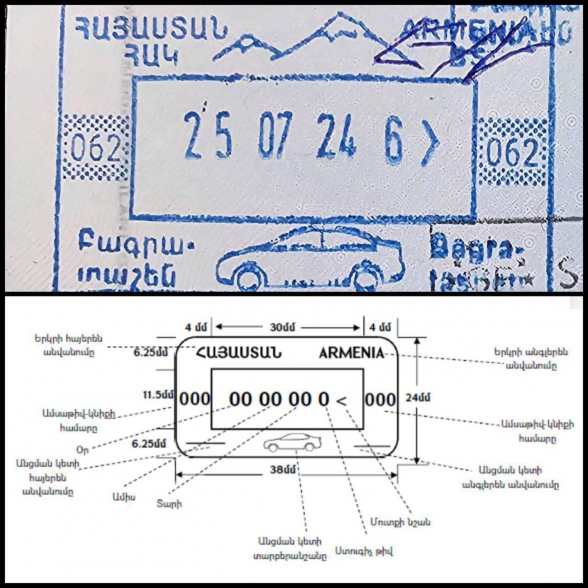
Ararat to be removed from Armenia’s border stamps
From 1 November, Armenia’s border stamp placed in passports will no longer feature Mount Ararat. The decision to remove the image of the mountain — seen by Armenians as a national symbol, though it lies in modern-day Turkey — has sparked a wave of criticism not only from the opposition but also from the wider public.
Armen Grigoryan, secretary of the security council, said the change was part of “revising national narratives and symbols, thereby easing the burden on the security system.”
Prime minister Nikol Pashinyan and his team argue that Armenia should not “irritate its neighbours with such symbols” or convey “threatening messages”. The opposition counters that the image of Ararat “has symbolic meaning for the Armenian people and is not a territorial claim.”
Opposition MPs believe the change to the border stamp was either forced by Ankara or reflects Pashinyan’s desire to please Turkey.
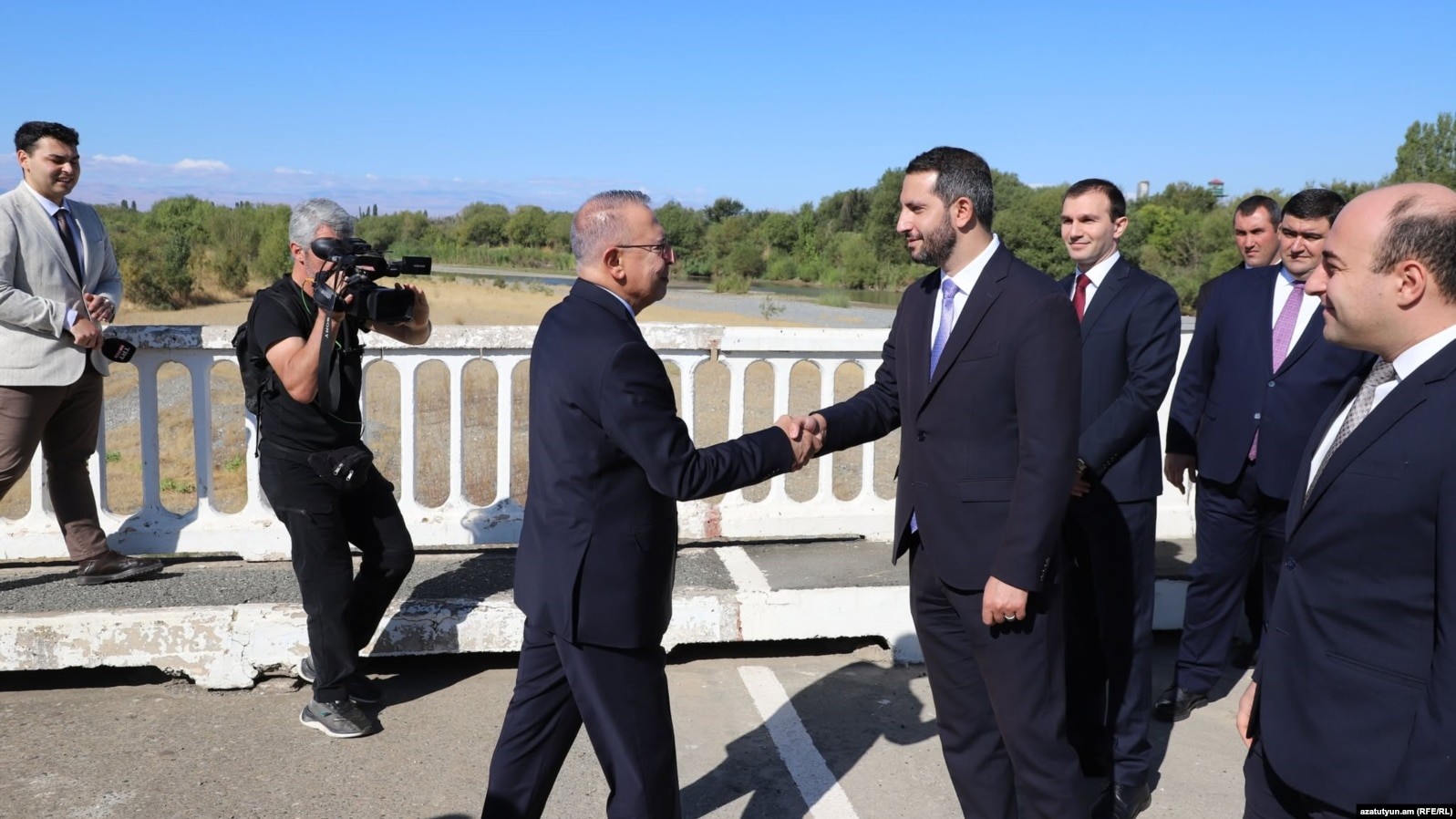
Ruben Rubinyan, Armenia’s special envoy for normalising relations with Turkey, rejected the claims, saying: “The process of [Armenia-Turkey] normalisation began in December 2021, and at no point has the question of Mount Ararat ever been raised or discussed.”
In recent days, the issue has dominated public debate, including on social media. Readers’ comments are at the end of this article.
- “South Caucasus is losing priority in Ankara’s foreign policy” – comment from Yerevan
- 110th anniversary of the Armenian Genocide: ‘International recognition is not among government’s priorities’
- Armenia–Turkey border opens for 10 days – what’s next?
- ‘Unprecedented case and format’: Pashinyan’s interview with Turkish journalists
“The government’s decision has nothing to do with Turkey”
Responding to opposition accusations, Armenia’s special envoy for normalising relations with Turkey insisted the decision was not made under pressure from Ankara. Ruben Rubinyan stressed it was also unrelated to the visit of Turkey’s special envoy, Serdar Kılıç, who arrived in Yerevan on 12 September.
“If the theory is that the decision was taken ahead of the Turkish envoy’s arrival, that’s easily disproved. The change only comes into force on 1 November,” he told a local outlet.
When asked by a journalist whether Kılıç had received a stamp in his passport when crossing into Armenia, Rubinyan said he did not know: “But if a stamp was issued, it would have featured Ararat. The change comes in from 1 November.”
He explained the decision as a technical one, saying the aim was to reduce the size of the stamp. The image of Ararat was dropped, he added, because Armenia should act “within the concept of the ‘real Armenia’, not the historical one.”
Rubinyan said most countries’ border stamps carry no symbols at all, and that he also saw no need for them. If symbols were ever used, he argued, they should be “official ones.”
Acknowledging the sensitivity of the issue for Armenians, Rubinyan said: “No one can take the image of Ararat from us.
If we look out of the window now, we see Ararat. It is part of the panorama before our eyes. It carries biblical symbolism. Many of our ancestors came here from the other side of Ararat [referring to those who moved to Armenia after the Armenian genocide in the early 20th century]. For those who see Ararat as a value, it can remain a value.”
He said the change was not about altering national identity but about “building a state identity.”
Opposition talks of “pressure from Turkey”
Seyran Ohanyan, head of the opposition Hayastan faction, said the authorities had acted under Turkish pressure:
“On the one hand, there is coercion. On the other, there is the desire to please the Turks.”
Hayk Mamijanyan, leader of the I Have Honour faction, suggested that prime minister Nikol Pashinyan may not have been forced at all, but acted on his own initiative.
“One can only marvel at Pashinyan’s eagerness to please Turkey or Azerbaijan. […] I don’t think anyone demanded this from the authorities. It’s just Pashinyan saying: ‘Look, I can even do this,’” he said.
Former foreign minister Vartan Oskanian also criticised the decision to remove Mount Ararat from Armenia’s border stamp: “This is a dangerous concession. A government that forces its people to abandon their most cherished symbols in the name of diplomacy is not a leader but a capitulator.”
Oskanian pointed to Ireland, Greece, India and other countries that use as national symbols territories lying beyond their borders.
Pashinyan’s response
“I’ll give a very simple example: you’ve built your house within your own property lines, but on the outside wall you’ve painted an image that symbolises your belief that your neighbour doesn’t deserve what they have. And every spring you repaint it, adding new elements. […]
In principle, what’s wrong with that? You’re still within your own boundaries. But it irritates, it will go on irritating, and it will grow into an argument, a conflict, a war,” prime minister Nikol Pashinyan said at an international conference held recently in Yerevan.
Public reaction
Overall, Armenian society has reacted critically to the government’s decision. Many took to social media to voice their anger:
“Stop acting like cowards and weaklings, stop pursuing a policy of appeasing Turkey supposedly to avoid war. And why should this irritate Turkey anyway? Ararat is an Armenian symbol. Should we erase our memory, our past, just so the Turks don’t take offence?”
“By that logic, I demand our neighbours remove the moon from their flag. I don’t like that their flag shows a moon. Will they take it down? Ararat is part of our identity. That can’t be forgotten.”
“So if Turkey demands that Armenia’s foreign minister Ararat Mirzoyan be dismissed or even change his name, are we supposed to obey that too?”