
New mandatory durability and repairability tests introduced by the European Union have revealed a surprising shortcoming in Apple’s latest flagship, the iPhone 17 Pro Max — its resistance to physical damage still lags behind major competitors, Azernews reports.
Day: September 15, 2025
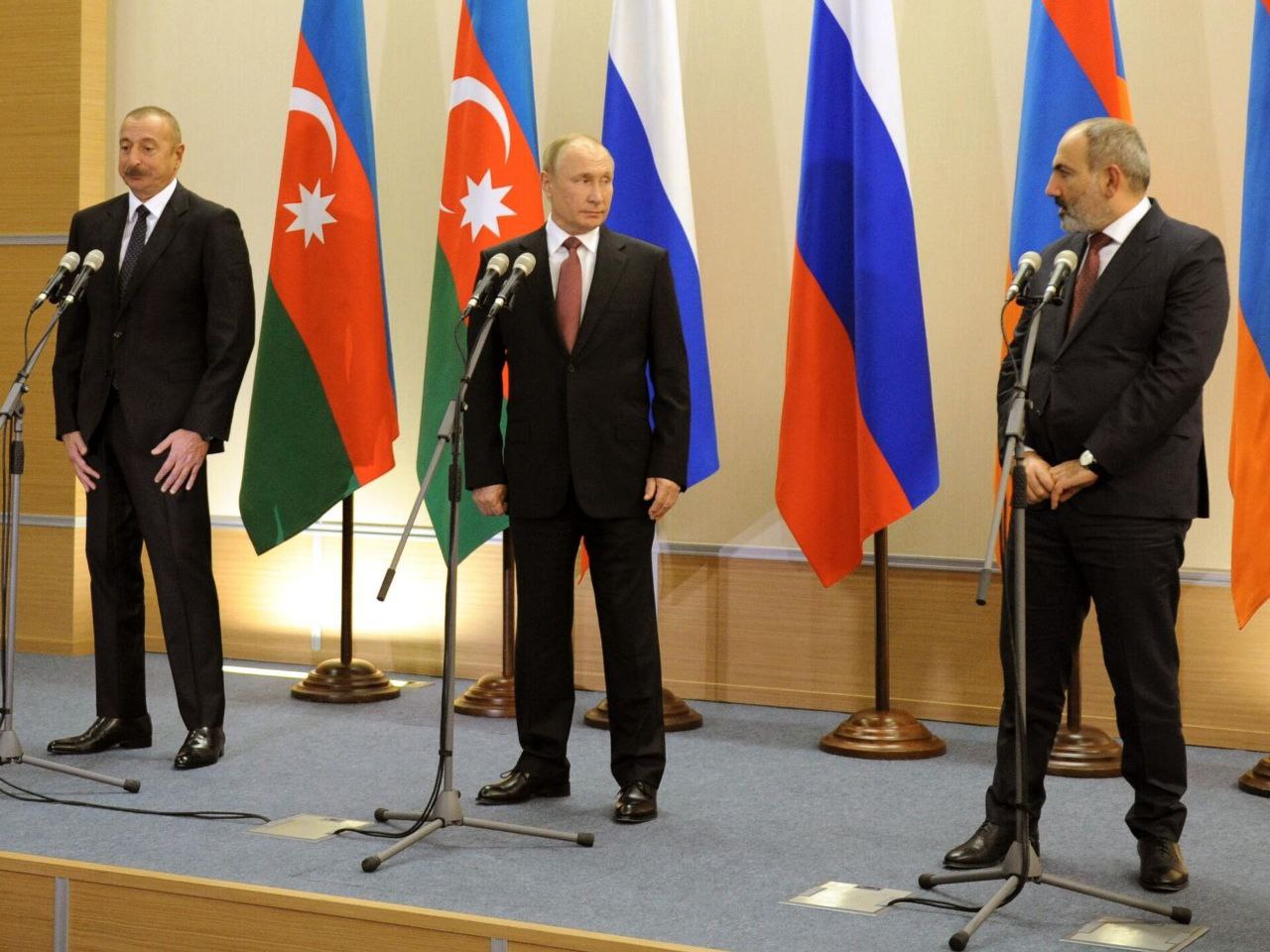
Pashinyan on Armenia’s security strategy
“Our idea of security was that the primary tools for reducing external threats were military-political alliances and the army. But history has proved that this formula did not work,” Armenian prime minister Nikol Pashinyan said at the international conference Comprehensive Security and Resilience – 2025.
He noted that the Russia-led CSTO military bloc had shown it regards Azerbaijan as just as much a brotherly state as Armenia — even though Armenia is a member of the organisation and Azerbaijan is not.
This, Pashinyan said, led Armenia to freeze its participation. He stressed that the CSTO’s stance had always been clear: “The question is whether we noticed it, ignored it, or thought it was not that important.”
Pashinyan also underlined that the Collective Security Treaty Organisation has consistently recognised Azerbaijan’s territorial integrity, including Nagorno-Karabakh.
“Russia’s president confirmed this. He said that NK, under international law, is part of Azerbaijan and has always been considered as such,” Pashinyan recalled of Vladimir Putin’s statement after the 44-day war in 2020.
The Armenian prime minister concluded that the CSTO, long seen as “a key tool for ensuring security,” had failed. Its shortcomings became evident in May 2021 and September 2022, when Azerbaijani forces crossed into Armenia’s sovereign territory.
According to Pashinyan, Armenia’s vision of security has “changed significantly” in recent years, leading to the adoption of a new strategy.
- “Armenia is now in its least vulnerable position” – key points from Pashinyan’s briefing
- Moscow attempting ‘Ivanishvili 2.0’ operation in Armenia, says analyst
- “CSTO poses a threat to Armenia’s security and future existence,” says Pashinyan
The security formula in place at the time did not work
That is how the prime minister explained the CSTO’s lack of response to the advance of Azerbaijani forces deep into Armenia’s sovereign territory:
“When Armenia turned to the CSTO over the violation of its territorial integrity, the reaction in both cases [in May 2021 and September 2022] was the same — ‘it seems the border is not delimited, so the question arises whether there was really an incursion into Armenian territory’.”
According to him, once this “formula failed,” the government faced the question of whether the CSTO and its member states actually recognised Armenia’s territorial integrity. He added that it was also important to clarify which territory Armenia itself claimed as its own:
“If you recognise your territorial integrity within certain boundaries, but your key security system recognises it within completely different ones, it means that between those two perceptions you lose your territorial integrity. That is essentially what happened after the Azerbaijani attacks.”
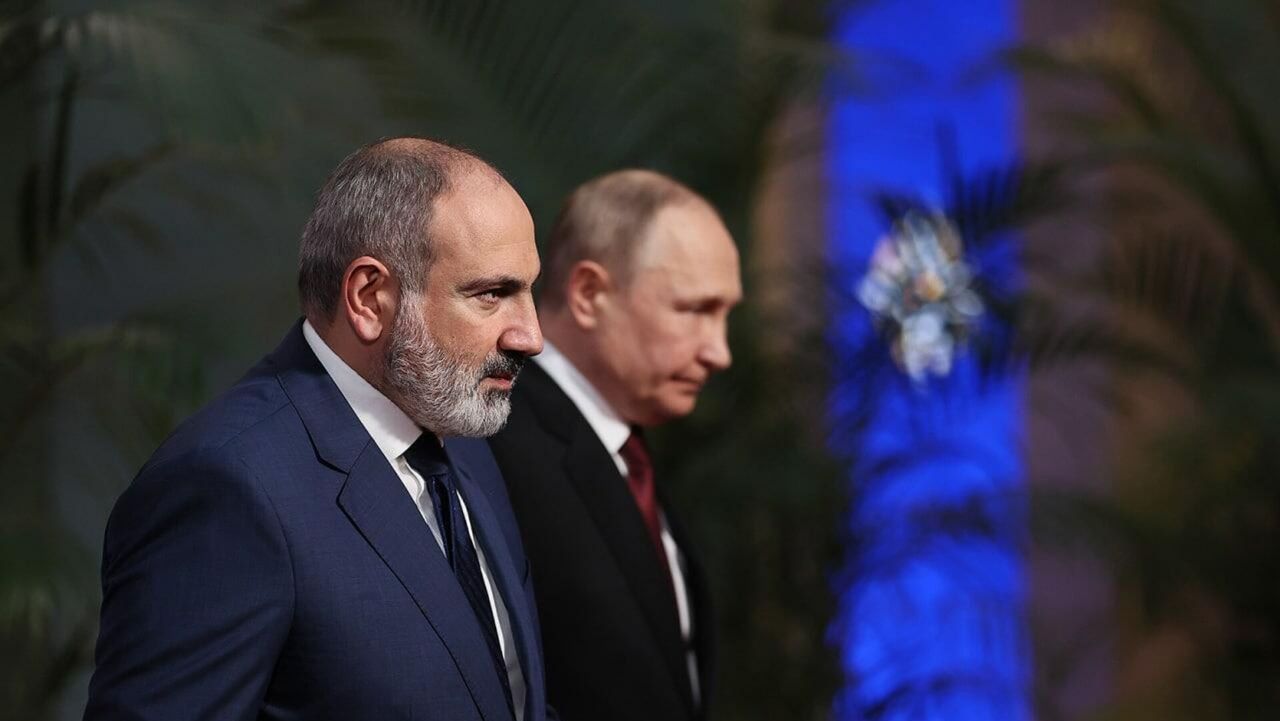
Legitimacy as a security tool
According to the prime minister, an “essential conversation” took place on 6 October 2022 during a four-way meeting in Prague with Azerbaijani president Ilham Aliyev, mediated by European Council president Charles Michel and French president Emmanuel Macron.
“First we had to define what our territorial integrity was. We decided to rely on undeniable legitimacy — the Alma-Ata Declaration. That was a turning point. In Prague, Armenia and Azerbaijan reached not a declarative but a political agreement that they were ready to recognise each other’s territorial integrity and sovereignty on the basis of the Alma-Ata Declaration,” he told conference participants.
This meant that Armenia and Azerbaijan acknowledged each other’s territorial integrity within the borders of the Soviet republics at the time of the USSR’s collapse. Pashinyan said the Prague agreement transformed Armenia’s entire strategy:
“Legitimacy has become the main tool for ensuring security — the inviolability of Armenia’s internationally recognised sovereign territory of 29,743 square kilometres and its borders, based on the 1991 Alma-Ata Declaration. This concept is now at the heart of our security.”
Pashinyan assured that the government is consistently implementing this strategy, stressing that without it a “lasting, institutional peace” would not be possible.
Moreover, he argued, the strategy adopted in autumn 2022 has already produced results. As an example, he cited the regulations of the border delimitation commissions — the first bilateral document signed and ratified by both Armenia and Azerbaijan.
“This strategy has been further strengthened by the declaration signed in Washington on 8 August and by the initialling of a peace agreement. These are not isolated, spontaneous steps. Everything we do externally is tied exclusively to the strategy of legitimacy,” he said.
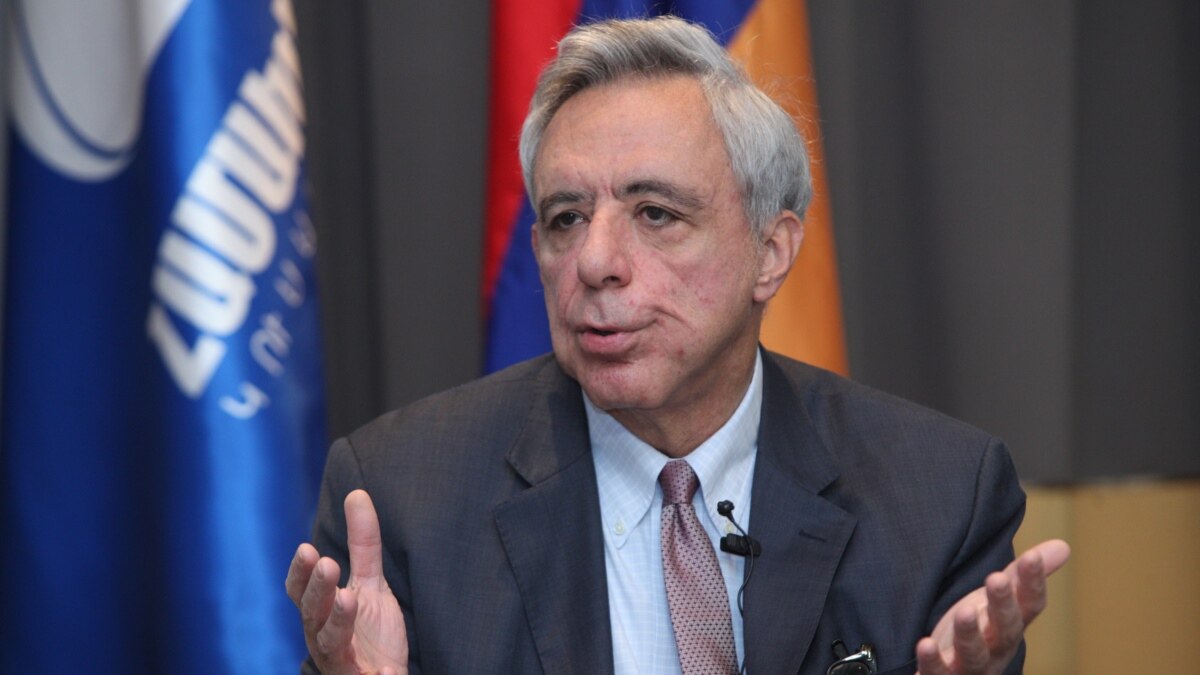
The army should be the last resort for security
Pashinyan said Yerevan’s earlier position was based on the idea of “needing a strong army.” But that formula raised questions: “Stronger than whom — one or two hypothetical adversaries? Strong with allies, or without them?” Now, he said, Armenia has set the army a “reframed” task:
“The army has no mission beyond Armenia’s internationally recognised territory. Its task is to defend Armenia’s internationally recognised territory. This is how the strategy of legitimacy applies to the army.”
According to the prime minister, this strategy has produced tangible, even “unimaginable” results over the past two to three years:
“The proof is the wider geography and greater accessibility of arms markets. Armenia now faces no restrictions. Any country discussing military-technical cooperation with us no longer fears that these weapons might be used for illegitimate purposes.”
At the same time, he noted, no one can dispute Armenia’s right to defend its sovereign territory. Disagreements, he said, may arise over issues such as “restoring historical justice, since it is unclear what historical justice means and where it begins or ends.”
In his assessment, if the army is seen as the main tool of national security, it means “security does not exist at all.”
“The army should be at the very end of the list of security tools. If we want the army to protect us, we must first protect the soldiers. Before the army, there must be a hundred layers of security to protect the soldiers and the country,” Pashinyan explained.
He argued that legitimacy has now become Armenia’s chief security tool:
“Our narratives, aspirations and goals are set within the borders of our internationally recognised territory of 29,743 square kilometres. Absolutely everything is built on the logic of our internationally recognised borders. The only response [from the opposition] is that supposedly we do this at the demand of Azerbaijan or Turkey. That reflects a failure to understand the layers of security I have outlined,” Pashinyan concluded.
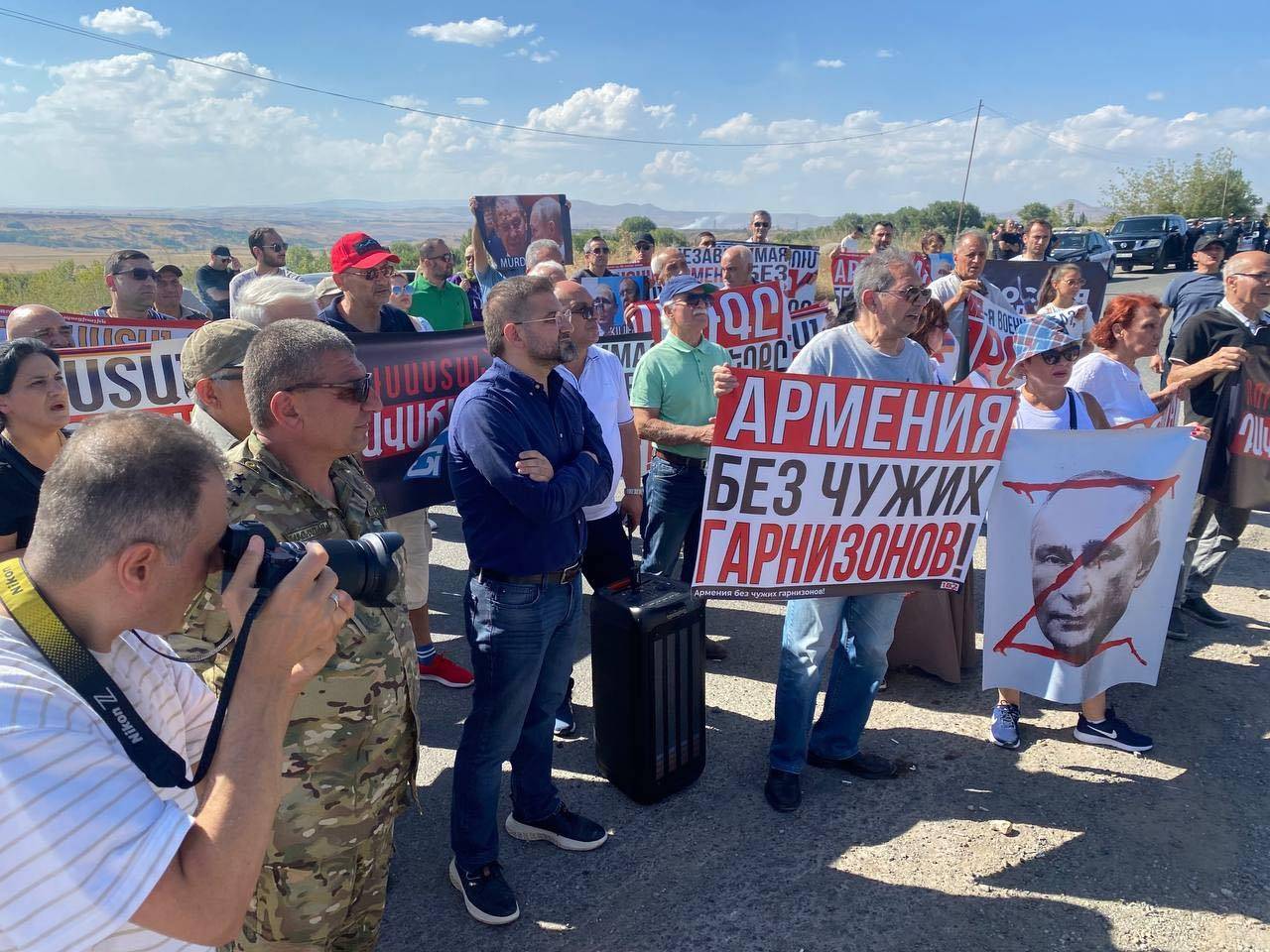
Pashinyan on Armenia’s security strategy
Tyler Robinson and his doppelganger – Google Search google.com/search?q=Tyler+Ro…
youtube.com/watch?v=_-m2mUve…— Michael Novakhov (@mikenov) Sep 15, 2025
#FBI
share.google/aimode/xkNJNwrD…
Killings and mental dissociation
it can be a risk factor for committing violence, and it is a common psychological response after a violent or traumatic act. This relationship is a significant topic in forensic psychiatry and can affect legal proceedings.Mental dissociation is linked to killings in two key ways:
Dissociation as a risk factor for homicide
Research shows that higher levels of dissociation are associated with increased violence across different populations. Long-term dissociative processes may make individuals more prone to violent behavior, including homicide.
Forensic experts have identified several “dissociative pathways” that may lead to homicide, including:
Dissociative Identity Disorder (DID): In some cases, the violence may be expressed through a specific, dissociated personality state (formerly known as “multiple personality disorder”).
Fantasy-driven violence: This involves violence connected to a fantasy world, often with some form of identity alteration.
Paroxysms of “dissociative rage”: This refers to sudden, violent outbursts in individuals who typically present as meek or polite. This is also called “overcontrolled hostility”.
Trauma-based emotional numbing: Dissociation can cause emotional numbing similar to that seen in some individuals with psychopathy, potentially lowering inhibitions against committing violence.
Dissociation as a response to killing
Dissociation can occur during or after a violent event as a psychological defense mechanism against severe trauma. This is especially true for violent crimes that are unplanned and committed in a heightened emotional state.
Common dissociative responses include:
Peritraumatic dissociation: The perpetrator may experience symptoms like depersonalization (feeling detached from one’s body) or derealization (feeling that the world is unreal) during the violent act.
Amnesia for the event: Offenders sometimes report partial or total amnesia for the crime. This is claimed in up to one-third of homicides. This “dissociative amnesia” can help a person mentally escape the horror of the event.
Guilt and moral injury: Among soldiers, killing in war is associated with mental health consequences such as post-traumatic stress disorder (PTSD), peritraumatic dissociation, guilt, and shame.
Legal and forensic implications
The presence of dissociation in an offender has significant legal and forensic implications:
Determining criminal responsibility: The legal system must grapple with how a dissociative state or a diagnosed disorder like DID affects an individual’s criminal responsibility.
Assessments are complex: The complexity lies in connecting the offender’s reported symptoms to specific clinical diagnoses and legal constructs, such as fitness to stand trial or diminished capacity.
System accountability: In cases of DID, while an “alter personality” may have committed the crime, the legal system generally holds the person accountable for the actions of their entire system.— Michael Novakhov (@mikenov) Sep 15, 2025