M, or m, is the thirteenth letter of the Latin alphabet, used in the modern English alphabet, the alphabets of several western European languages and others worldwide.
Categories
 The South Caucasus News - SouthCaucasusNews.com
Can a localized blunt trauma, like a hit by a rubber bullet cause the fracture of hyoid bone in the neck? – Google Search google.com/search?q=Can+a+lo…
High-energy impact: While strangulation and hanging are the most common causes of hyoid fractures, high-energy blunt trauma from sources like motor vehicle crashes, assaults, and sports injuries can also be responsible. Rubber bullets, classified as kinetic impact projectiles, can cause severe trauma and even death.
Mechanism of injury: A localized impact can cause direct compression of the hyoid bone, leading to a fracture. The nature and angle of the impact, combined with the head’s position, are critical factors.— Michael Novakhov (@mikenov) Sep 13, 2025
Kirk’s last questioner says he wishes he’d asked something different thehill.com/homenews/state-w…
Kozak, a 29-year-old studying mathematics and philosophy, asked Kirk about transgender mass shooters during the Wednesday college event in Orem, Utah. As Kirk responded, he was shot in the neck.“It sounded like a firecracker. I thought it was fired 2 feet away from me, it was so loud,” Kozak, who promptly dropped to the ground as the bullet rang out, told The Tribune.
Since the killing of Kirk, the co-founder of Turning Point USA, Kozak has spoken to police and has been questioned by the FBI.
— Michael Novakhov (@mikenov) Sep 13, 2025
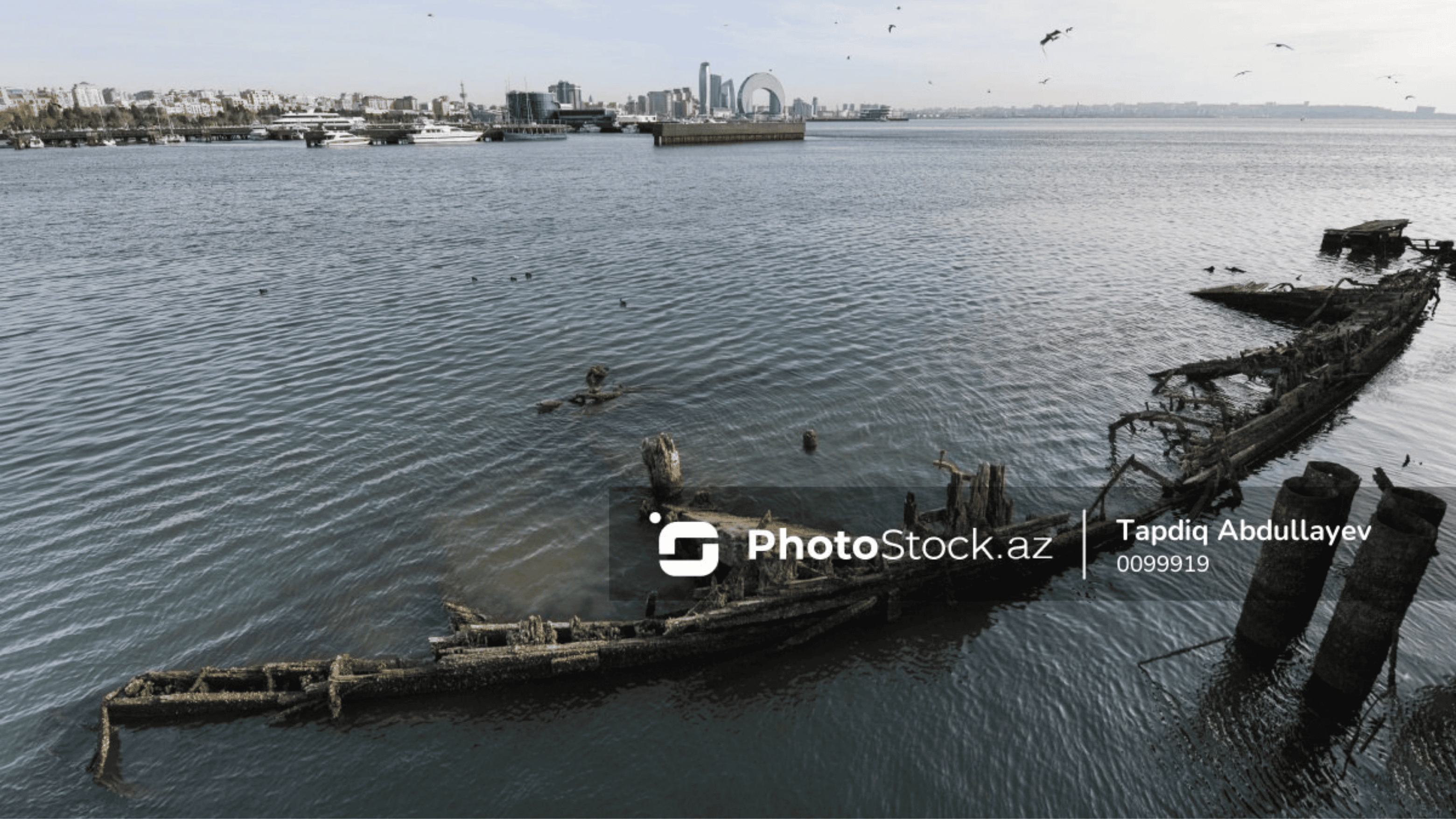
Sewage in the Caspian
At the second international water conference in Baku (Baku Water Week), SOCAR official Madina Hajiyeva warned that the falling level of the Caspian Sea, driven by climate change, is preventing proper dilution of wastewater in the basin.
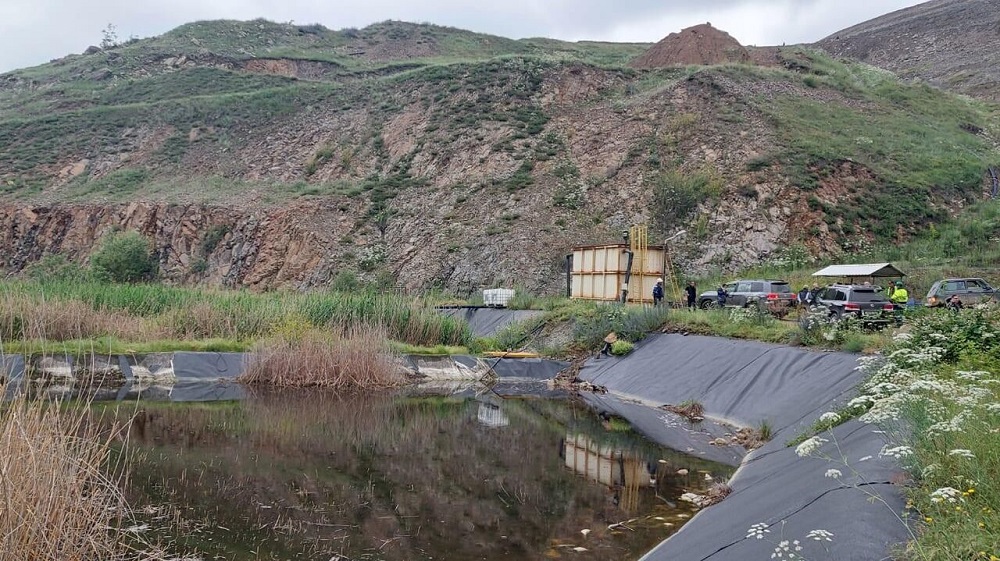
She said quality standards are not being met even for water classed as treated. Heavy rainfall in recent years, especially on the Absheron Peninsula, has made the problem worse: stormwater mixes with sewage and overwhelms treatment plants. Because of poor stormwater collection, large volumes of mixed runoff cannot be fully treated, and in some cases are discharged directly into the Caspian. This harms the marine ecosystem and adds greenhouse gas emissions, including methane, from treatment processes.
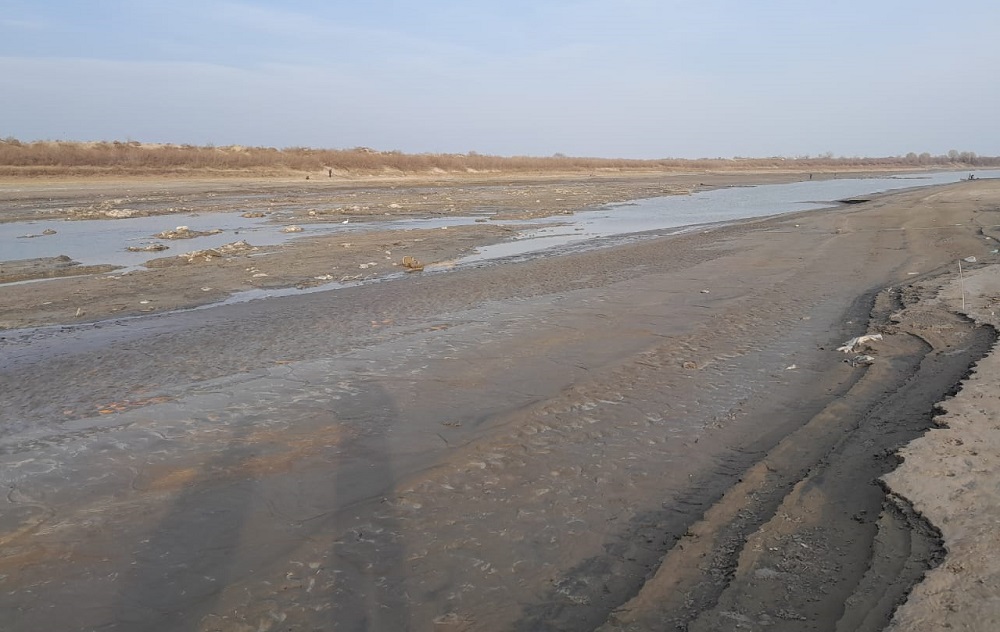
The Caspian has been shrinking rapidly since the mid-1990s. In 2021 the level fell by 35cm, and in 2022 by another 20–25cm. Exposed rocks and widening beaches show how far the sea has retreated.
Experts point to climate change as the main cause. Rising temperatures, reduced rainfall in the south and falling inflows from the Volga have upset the water balance. With less inflow and higher evaporation, the decline has become steady.
The presidents of Azerbaijan and Russia have warned of “catastrophic shallowing” and called for joint measures to prevent an ecological disaster. But the drop in levels has already hit wastewater systems. All of Azerbaijan’s treatment plants lie on the Caspian coast and discharge directly into the sea. Outfall pipes designed to reach deeper water now end in the shallows, leaving waste insufficiently mixed. The result is poorer water quality, damage to marine life, and odour and sanitation problems on the coast.
Hajiyeva and other specialists outlined measures, including:
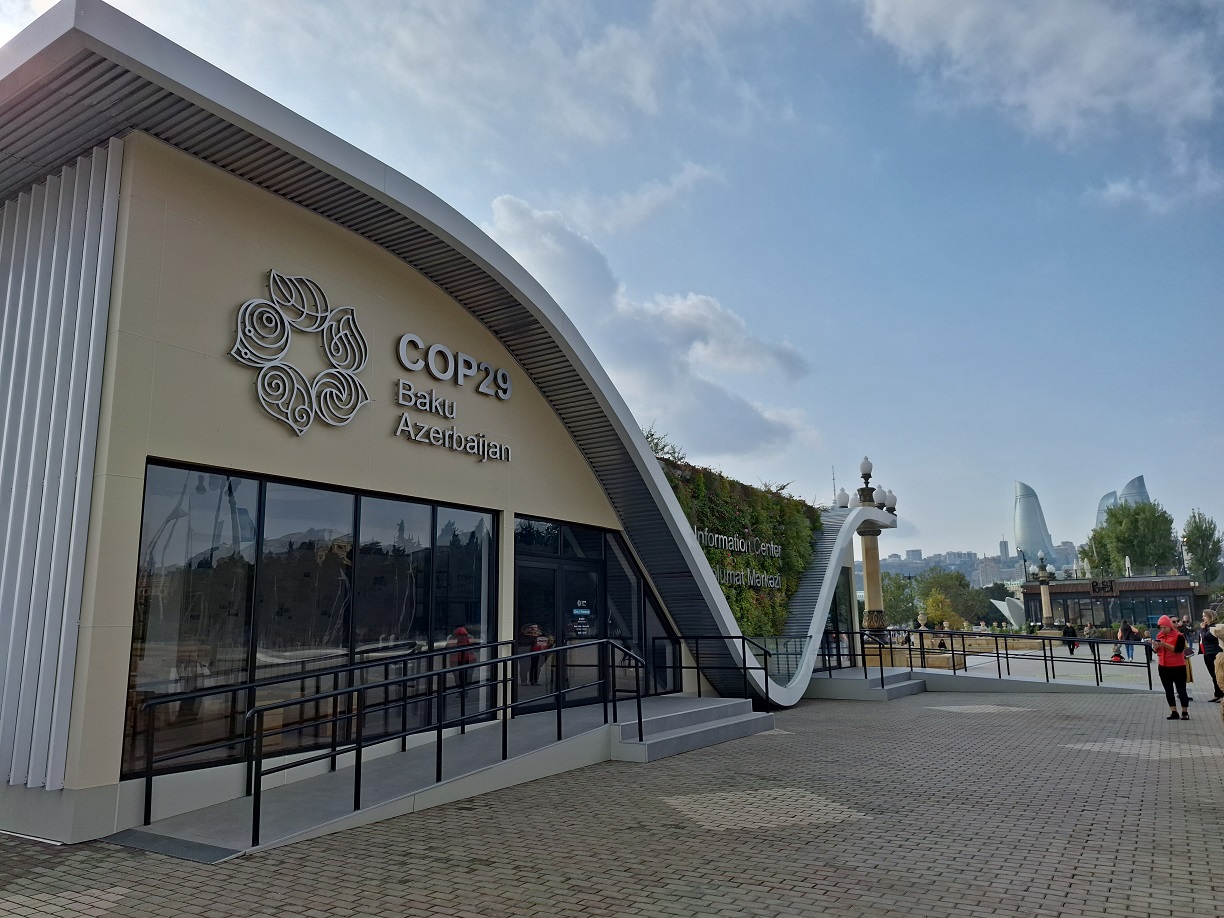
Some of these measures appear in official strategies, such as the 2030 water management plan, but progress on the ground has been slow. Even as Azerbaijan prepares to host the COP29 climate summit in 2025, untreated sewage continues to flow into the Caspian near Baku.
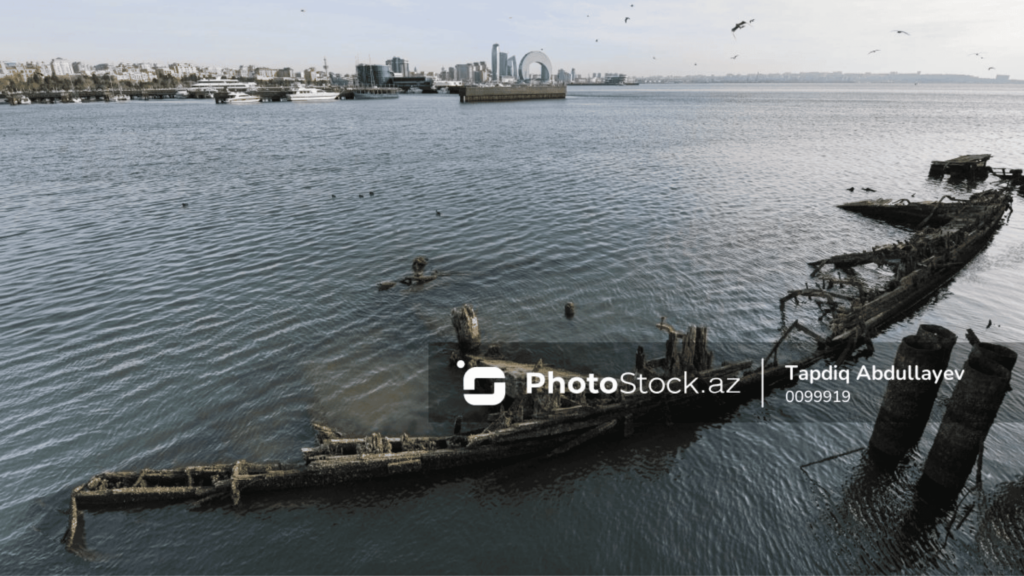
Officials highlight the impact of climate change on the Caspian at international forums. Yet recent reports show raw sewage and oil waste being discharged near the capital, blamed for fish and seal die-offs.
The footage underlined the gap between official pledges and local practice: despite years of discussion, the Caspian remains polluted, and even Baku struggles with basic wastewater treatment. Opposition figures argue that funds for sewer upgrades were redirected to Karabakh reconstruction, leaving environmental projects sidelined.
The risk, experts warn, is that climate change becomes a convenient explanation for long-standing failures in sewage and water management.
Sewage in the Caspian