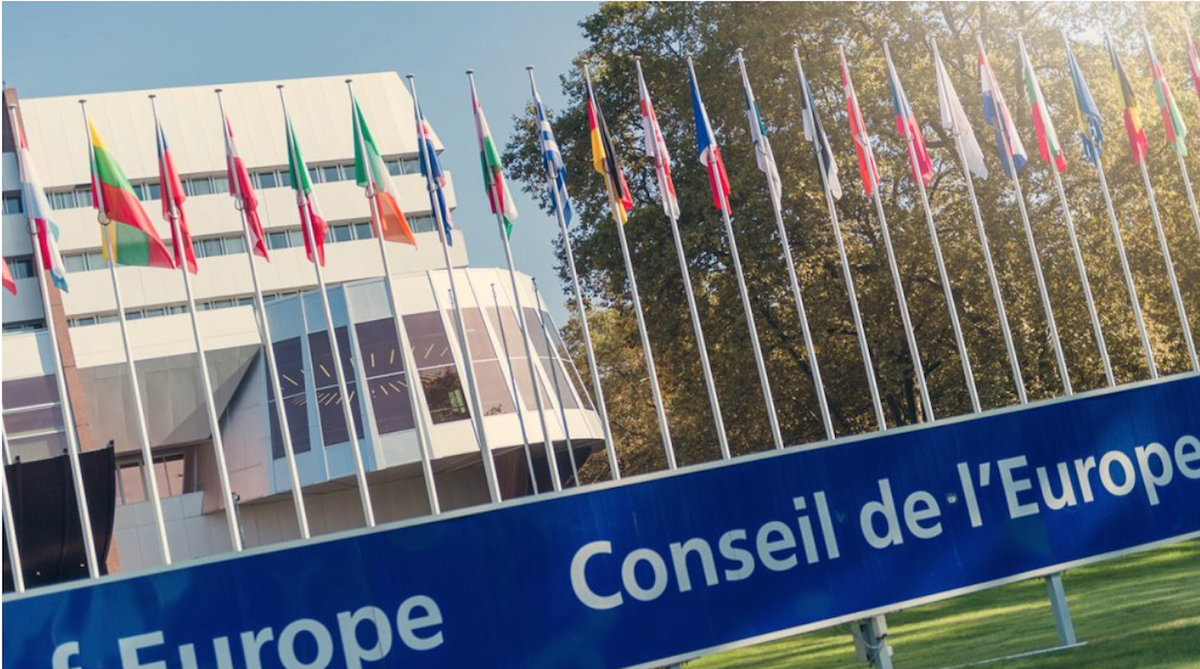
The Expert Council on NGO Law, a body of the Conference of INGOs of the Council of Europe, said in its August 25 opinion that the Georgian Dream–adopted Foreign Agents Registration Act (FARA) would cause “grave and unjustified” damage to civil society if implemented, calling for its repeal.
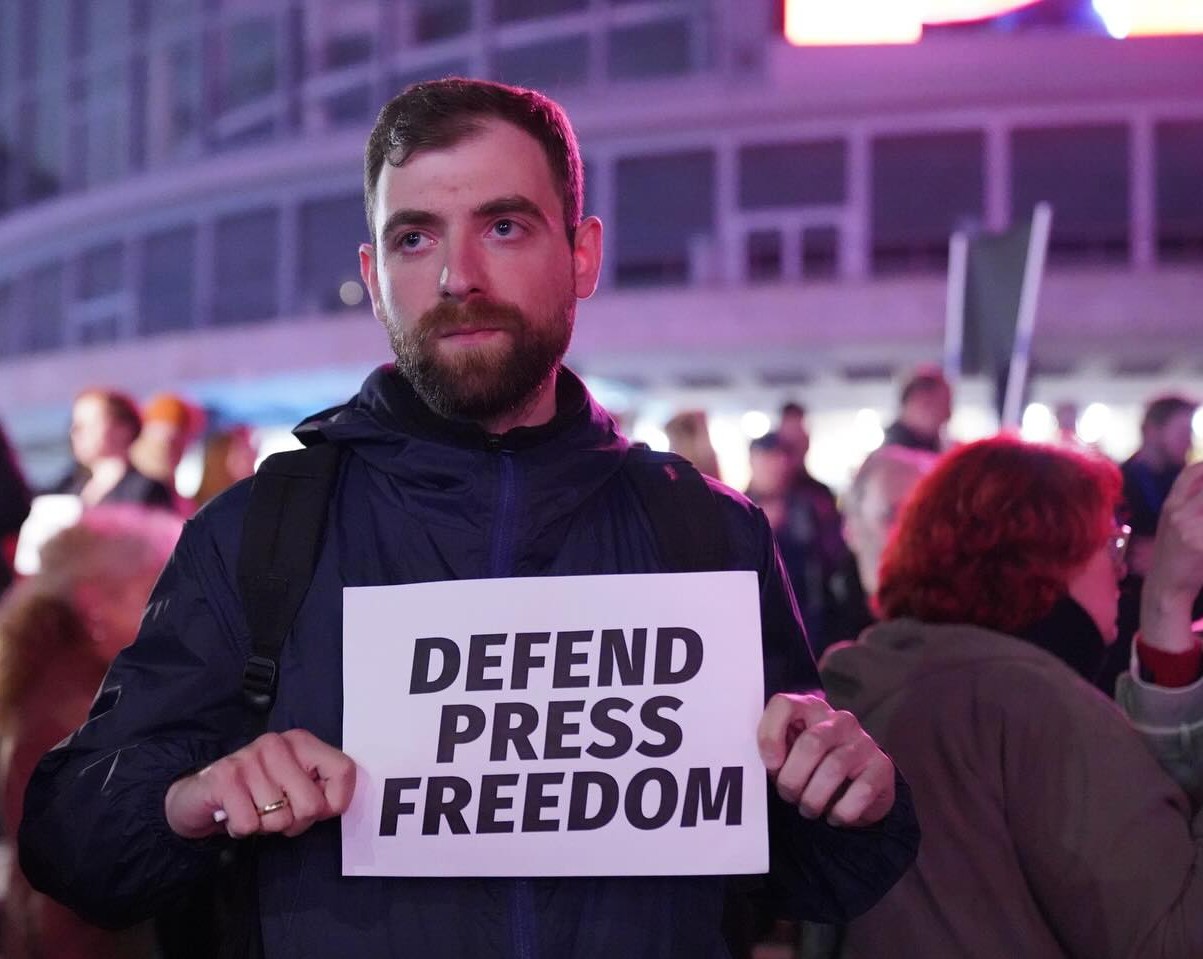
Georgian FARA, which the ruling party claims to have copy-pasted from the 1938 U.S. FARA, took effect in May, and Georgian authorities have already begun implementing FARA as the country’s Anti-Corruption Bureau targeted seven civil society groups with inspection notices. Suggesting their work could constitute “political activity,” the Bureau demanded explanations from NGOs for their failure to register under the law and warned of criminal liability. The organizations, in response, say FARA does not apply to them, refusing to register as “agents.”
“In the circumstances, the implementation of the Act will cause grave and unjustified damage to civil society in Georgia, will be inconsistent with a wide range of commitments that this member state of the Council of Europe has undertaken and will thus be entirely inappropriate,” the Expert Council opinion concludes, after finding that GD’s FARA fails to meet any necessary conditions to restrict basic rights protected under the European Convention.
According to the opinion, the law affects several fundamental rights, including freedom of association, freedom of expression, and respect for private life. It stresses that restrictions on these rights “can only imposed where they are prescribed by law, have a legitimate aim and are necessary in a democratic society.” The opinion concludes that Georgian Dream’s FARA meets none of these conditions.
The opinion finds that “the requirements imposed by it [the Act] cannot be regarded as sufficiently prescribed by law,” that “there are serious doubts as to whether the adoption of at least some of the provisions in the Act can be regarded as having a legitimate aim,” and that “the implementation of the Act cannot be regarded as necessary in a democratic society.”
“The fact that the Act is an analogue of the US FARA is not in itself a reason to regard its provisions as necessary in a democratic society, not least since it has not been evaluated for compliance with the rights guaranteed by the ECHR,” the opinion says.
The opinion says the fact that the legislation can apply to CSOs with “no more than a supposed rather than actual agency relationship with a foreign principal” goes far beyond what is needed to limit external interference.
It adds that receiving foreign funding or drawing on outside expertise “cannot by itself indicate that they are pursuing the interests of a foreign principal,” adding that many governments also receive such foreign assistance, which does not mean they pursue the interests of international sources.
The opinion also says that the broad definition of a foreign political party could inhibit national minorities from “establishing and maintaining free and peaceful contacts across frontiers” or participating in international NGOs.
In addition, the opinion says the law’s demand for CSOs to file detailed statements of “each activity (including political activity)” goes far beyond what is needed to control foreign influence and amounts to an “unjustified restriction” of freedom of expression and an “unjustified interference” with the right to respect for private life.
On the requirement to disclose extensive information about organizations, including personal data on their directors, managers, and employees, the opinion says it is “beyond what is necessary in a democratic society” and exceeds any need to determine whether and to what extent a CSO is acting as an agent.
The opinion also voices broader concerns that CSOs would be effectively designated as foreign agents, even though no such label is formally attached to them. Falling under the law, “still amounts to signalling that the NGOs concerned are ones which carry out certain work or tasks on the orders, requests, etc. of those principals,” the opinion says.
It also criticizes the obligation for a CSO to keep accounts for all its activities even three years after ceasing “to be an agent for a foreign principal,” and for its director to remain responsible for filing documentation under the Act even after the CSO is dissolved, calling it “unduly burdensome” and of little value in preventing foreign interference.
Finally, the opinion warns against excessive penalties for non-compliance with the requirements of the law.
“Having regard to the inevitable effect of the Act’s provisions in precluding NGOs from seeking access to foreign support for the pursuit of objectives entirely consistent with European standards, the excessive obligations to disclose personal data, the unrestricted scope of the demands for supplementary information that can be made, the burdensome record-keeping required and excessive nature of the penalties that can be imposed, the measures contained in the Act are not ones that can be considered necessary in a democratic society,” the opinion reads.
The opinion calls for the law’s repeal.
Also Read: