
The Azerbaijani judokas are set to compete at the 2025 World Judo Cadet Championships in Sofia, Bulgaria, Azernews reports.
Day: August 14, 2025
Categories
Moscow Calling – August 14
Scott Ritter: Russia will determine the terms of Ukraine’s demilitarization
Scott Ritter, former U.S. Marine Corps intelligence officer and ex-UN weapons inspector in Iraq, said in an interview with TASS that Russia will determine the parameters and conditions for the demilitarization of Ukraine, including possible compromises. He noted that although Kyiv’s unconditional surrender would allow Moscow to dictate all the terms, the Russian leadership, in his opinion, does not have such a goal and is ready to seek compromises. Ritter recalled that one of Moscow’s key demands is the demilitarization of Ukraine and cited rumors of a possible reduction of the Ukrainian army to 50,000 troops, but stressed that the exact parameters are not yet known. He also pointed to the lack of clarity on the issues of army reduction, the fate of weapons, and the withdrawal of NATO resources from Ukrainian territory (TASS).
Intended effect: The material conveys the idea that Russia has complete control over the process of resolving the conflict, emphasizes Ukraine’s dependence on Moscow’s decisions, and reinforces the importance of demilitarization as a key element of Russia’s position.
India expects U.S. to soften position on oil and tariffs after Trump-Putin meeting
A source in the Indian government told TASS that New Delhi does not rule out Washington softening its rhetoric on Russian oil purchases or reducing U.S. tariffs on Indian imports if Russia and the U.S. reconcile after the meeting between Vladimir Putin and Donald Trump. The source stressed that India is closely monitoring preparations for the summit and considers dialogue leading to peace and stability beneficial for the entire world. The two leaders are scheduled to meet on August 15 in Alaska to discuss options for a long-term settlement of the war in Ukraine. Earlier, the U.S. raised tariffs on Indian goods to 50% due to India’s purchase of Russian oil. The Indian Foreign Ministry called this move unfair (TASS).
Intended effect: The article demonstrates how the Russian-American dialogue could influence the easing of U.S. sanctions on countries that cooperate with Russia. It also emphasizes the importance of the upcoming meeting as a factor that could change economic conditions for third countries.
Russian MFA to review Armenia-Azerbaijan ‘Trump Route’ corridor
Alexey Fadeyev, Deputy Director of the Information and Press Department of the Russian Foreign Ministry, said that Moscow will review the details of the new transport corridor between Armenia and Azerbaijan, dubbed the Trump Route for International Peace and Prosperity (TRIPP). He noted that the project has not yet been made public and stressed that the involvement of non-regional powers in the South Caucasus should promote peace rather than create new dividing lines. Fadeyev mentioned Armenia’s membership in the EAEU and the presence of Russian border guards in the Syunik region as factors that must be considered when deciding how to unblock communications. The corridor was agreed upon on August 8, following a meeting in Washington between Donald Trump, Ilham Aliyev, and Nikol Pashinyan. Armenia granted the U.S. the right to manage the corridor for 99 years (TASS).
Indended effect: The article highlights Russia’s concern about the strengthening of U.S. influence in the South Caucasus, emphasizes the need to consider Russian interests in the region, and shapes the perception of the new project as a potential challenge to Moscow’s position.
Russian MFA: Baku’s possible lifting of arms embargo on Kyiv will lead to escalation
Alexey Fadeyev, Deputy Director of the Information and Press Department of the Russian Foreign Ministry, said that Azerbaijan’s possible decision to lift the embargo on arms supplies to Ukraine would not contribute to peace, but rather escalate the conflict. According to media reports, Russia’s continued strikes on Azerbaijani targets in Ukraine may prompt this decision (ria.ru).
Intended effect: The material portrays the potential supply of military equipment to Kyiv from Azerbaijan in a negative light, depicting it as a factor that exacerbates the situation and hinders a settlement. It also emphasizes Russia’s position as a supporter of de-escalation.
REC names most promising products for exports to Turkey
The Russian Export Center (REC) has summarized the results of the national pavilion in Antalya for the first half of 2025, identifying three product categories with high potential: snacks, sauces, and gluten-free products. According to REC data, high customs duties in Turkey are holding back interest in Russian confectionery, fish, and dairy products. However, contracts worth over 1.5 billion rubles have already been signed with a Turkish importer for promising products. The products are being registered and prepared for official import. The national pavilion continues to expand its range and sales channels. The REC’s network of demonstration and tasting pavilions operates in China, Vietnam, Egypt, the UAE, and Saudi Arabia (ria.ru).
Intended effect: The article demonstrates Russia’s success in expanding foreign economic ties with Turkey, highlighting the prospects for non-resource exports and creating a positive image of Russian products on international markets.
Nine entrepreneurial entities have been granted resident status at the Masalli Industrial Park, managed by the Agency for the Development of Economic Zones, with a total investment exceeding 14.7 million manats. Six of these enterprises have already commenced operations, Azernews reports, citing the Agency.
A membership gives you access to the records on Ancestry®. Different memberships give you access to different records. These records are useful for building your tree beyond what you already know. To upgrade or downgrade, see Upgrading Your Ancestry® Membership or Downgrading Your Ancestry® Membership. Start a membership or view pricing
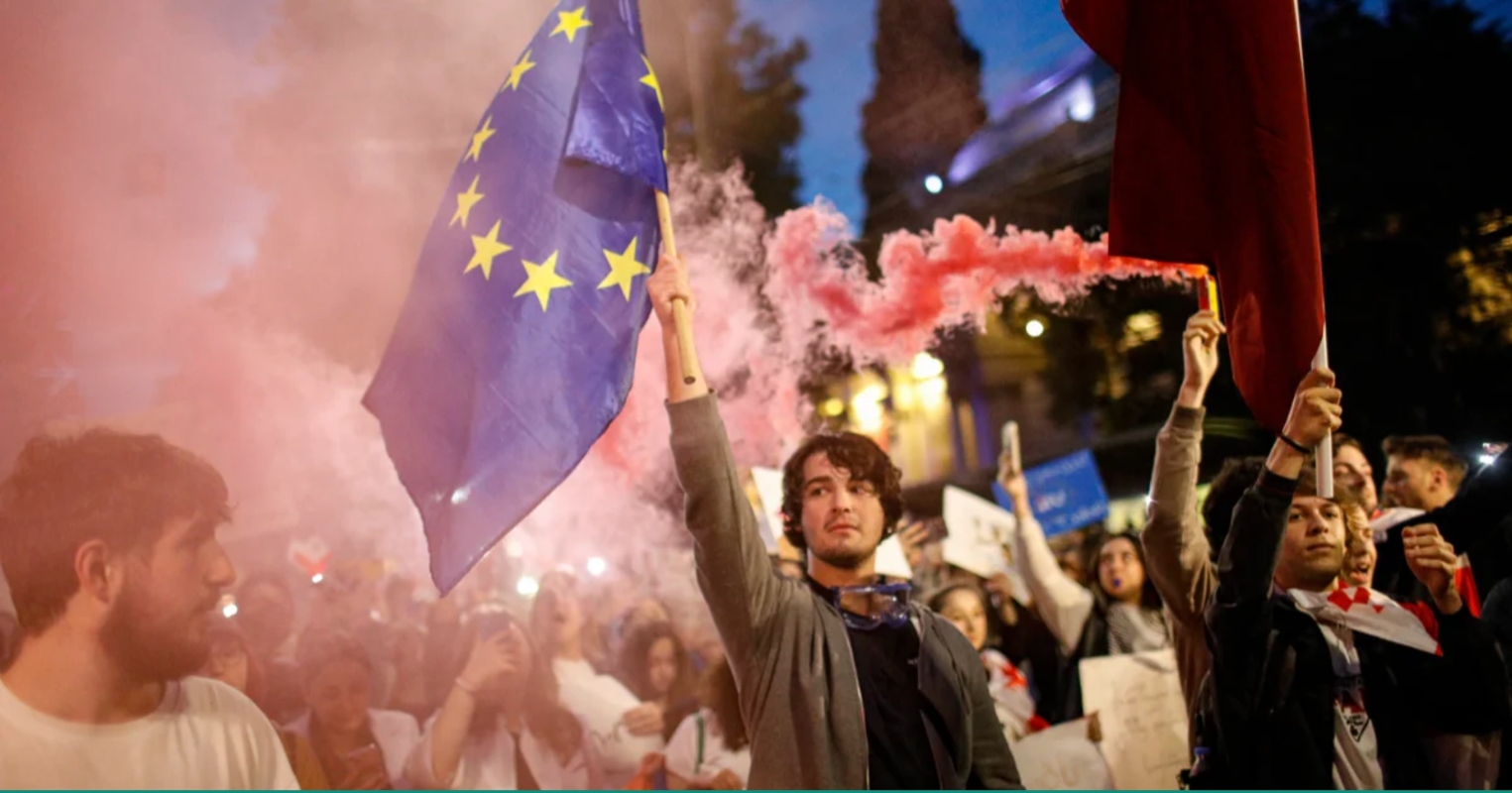
Georgia entry ban
Georgian authorities are taking a tough line against foreigners who dare join protest rallies, now fining and deporting not only activists from Russia.
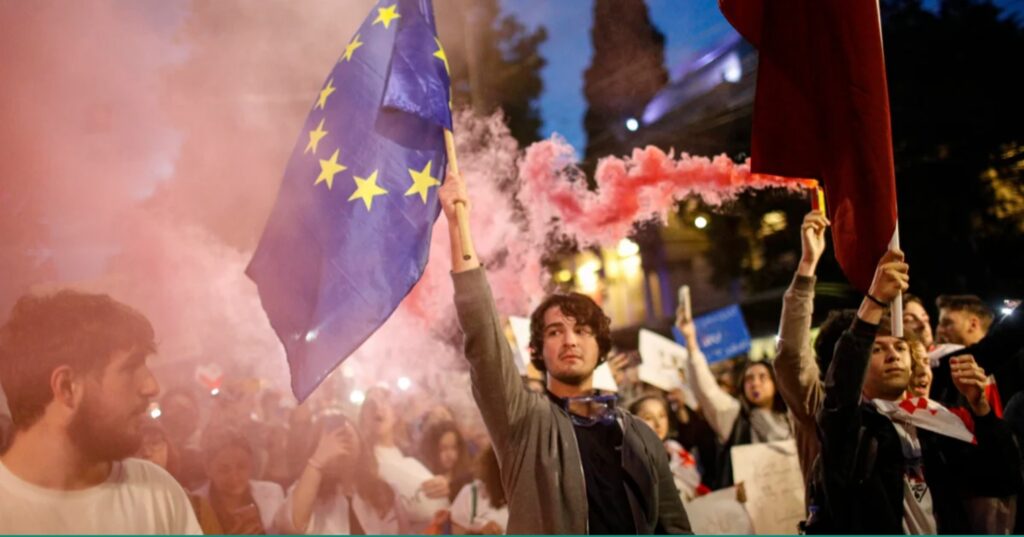
On 5 August, Georgia deported another 20 foreigners, including Russian citizens. A week later, on Tuesday 12 August, it emerged that another 34 people had been expelled. Russians are increasingly being deported or turned back at the border when trying to “reset” their stay in the country. This is how the Georgian authorities respond to those who “rock the boat” in a country that is not their own. Relocants who take part in protests face trials and fines, and some are now at risk of prison: in recent months, at least three Russian citizens have claimed that drugs were planted on them during arrest after joining street rallies.
As it turns out, being “thrown out with a single suitcase” from Georgia is not just a risk for Russians – other foreigners can also be expelled if they end up on a blacklist. Novaya Gazeta Europe looked into how the system works and who might find their next visa run to be their last.
‘We don’t need your opposition here’
Mass refusals of entry to Russian citizens are not a new trend in Georgia – they just used to be less visible. This was already happening in September 2022, when mobilisation began in Russia. According to the South Caucasus office of the Free Russia Foundation, Georgian border guards were issuing dozens of refusals a day. Most Russians, however, could still enter the country – or return after a short trip abroad. Free Russia’s Egor Kuroptev told Meduza that even then, Georgia had tightened border controls and was refusing entry without explanation.
“It doesn’t matter what your profession is, whether you live in Georgia or have a rental contract. If you don’t have a residence permit, no other documents guarantee entry to Georgia for Russian citizens,”
Kuroptev said.
At the time, Georgia’s stance struck many Russians fleeing war and repression as contradictory. On one hand, Tbilisi was covered in Ukrainian flags and anti-war slogans. On the other, the ruling Georgian Dream party clearly did not want to be seen by the Kremlin as a patron of “foreign agents”, “undesirables” or “extremists”. Even public profile offered no guarantee of re-entry – in fact, it could work against you. In September 2022, journalist Dmitry “Mitya” Aleshkovsky, founder of the website Takie Dela and labelled a “foreign agent” in Russia, was turned back at the Georgian border after a trip to Yerevan. Border guards gave no explanation, sending him back to Armenia. “The fact that his wife and daughter are in Tbilisi doesn’t matter at all,” his mother, historian Tamara Eidelman, wrote on social media.
Over time, it became clear to the wider public that the Georgian authorities were increasingly unwilling to host activists and journalists fleeing Russia. Being labelled a “foreign agent” or having a political profile became a red flag – even as some Georgian private institutions were demanding exactly the opposite from Russians.
For example, in March 2022, Bank of Georgia, the country’s largest bank, required anyone wanting to open an account to sign a written condemnation of Russia’s aggression against Ukraine and pledge “not to spread Russian government propaganda and to fight against it.”
Meanwhile, protest activity in Georgia was growing. Twice the country saw mass, sustained demonstrations against the “foreign agents” bill, and people also took to the streets after parliamentary elections. When Russian relocants began joining these protests in large numbers, the risks for them increased sharply. Attending a rally could lead to fines and deportation if detained – or a refusal of entry afterwards. “Our people say this: we don’t need your opposition here. If you don’t like your government, go protest against it back home,” the pro-Kremlin tabloid MK quoted an anonymous source familiar with the situation at the border.
For two years, Georgian officials have not commented on the situation. No one knows exactly how the “lottery” works. There are two main theories: one is that Georgian border guards cooperate with Russian security services and take instructions on who to let in; the other is that Georgia’s authorities see Russian political exiles as a threat to “stability and security” even without outside pressure.
“I’m almost certain there is a list that was handed to the Georgian side right after the war began – a list of people whose presence and activity in Georgia could harm the improving relations between Russia and Georgia,”
Paata Zakareishvili, former minister for reconciliation and civic equality, told Germany’s DW.
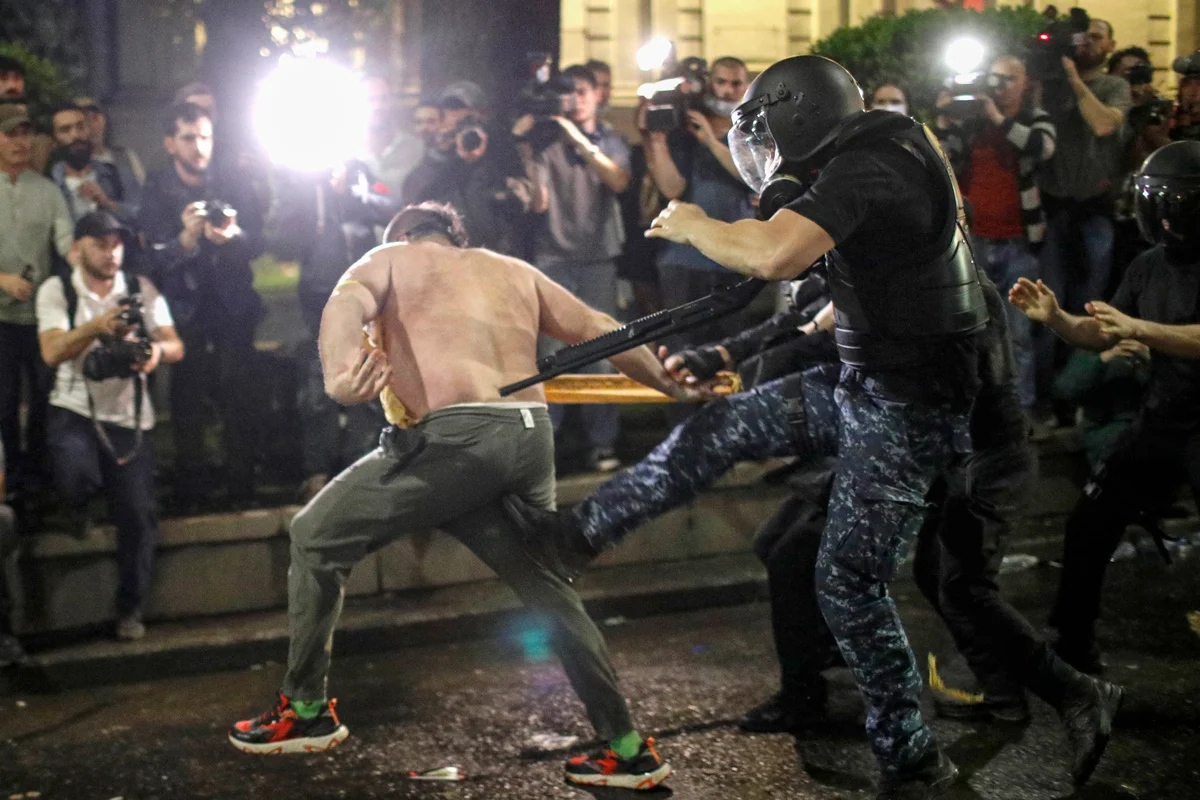
‘It’s the same as back home’
Several people who have faced problems at the border told Novaya Gazeta Europe they believe a “list” or “database” of undesirable foreigners does exist.
Marina* (name changed) said her legal stay in Georgia was about to expire, and she was “a nervous wreck” because she was sure she would be refused entry this time. She avoided leaving Georgia unless absolutely necessary. She had a rented flat and a steady job in Tbilisi but hadn’t managed to get a residence permit, so she needed to “reset” her stay.
“I was terrified. When I was leaving Georgia, they checked my passport for a long time – I knew straight away that something was wrong. It lasted about half an hour before they let me go. On the way back [from Yerevan], they told me to wait. After 40 minutes, a man came out and told me I was being refused entry. He gave me a piece of paper and said I could appeal. Then I got a car back to Yerevan,” Marina recalled.
According to her, a lawyer from her workplace in Georgia tried to “negotiate” with the border service. “I don’t know what they did there – I don’t want to speculate, but I suspect there was some string-pulling,” she said. After a series of talks, the lawyer told her she had been “removed from the database.” Marina didn’t ask what the database was or how she had ended up in it, and on the lawyer’s advice, she bought a plane ticket to Tbilisi.
“At passport control, I was there for about an hour and a half. They kept walking back and forth with papers and my passport. When I went for a smoke, border guards came in, had a cigarette, and then took me by the arms, saying: ‘Let’s go.’ They took my phone and led me to a special room. I was basically taken into custody.”
She spent the next 24 hours in a holding area – a shared hall with a sofa, plus two rooms with bunk beds and a toilet. “I locked myself in one of the rooms. No one came in, which was a relief. There was no bedding, no food, just a water cooler. The conditions were awful,” she said. Her fellow detainees didn’t make things easier: “One drunk Iranian shouted for hours.” The toilet doors and walls were covered in graffiti like, “If you’re here, it’s because you’re Black or Asian – all Georgian police are racists.” In the morning, guards put her on a plane and sent her back to Armenia.
“They gave me my phone back, but handed my passport to the pilot. A border guard told me it would be worse next time,” she said.
Marina believes the border service refuses entry to those spotted at protest rallies. She recalled joining a demonstration of Russian emigrants on 12 June 2022, where an unknown person photographed her. She later attended smaller protests against the war in Ukraine and rallies against the “foreign agents” bill. At one anti-war rally, she gave an interview to the outlet VotTak, which she suspects may have been the reason for the refusal.
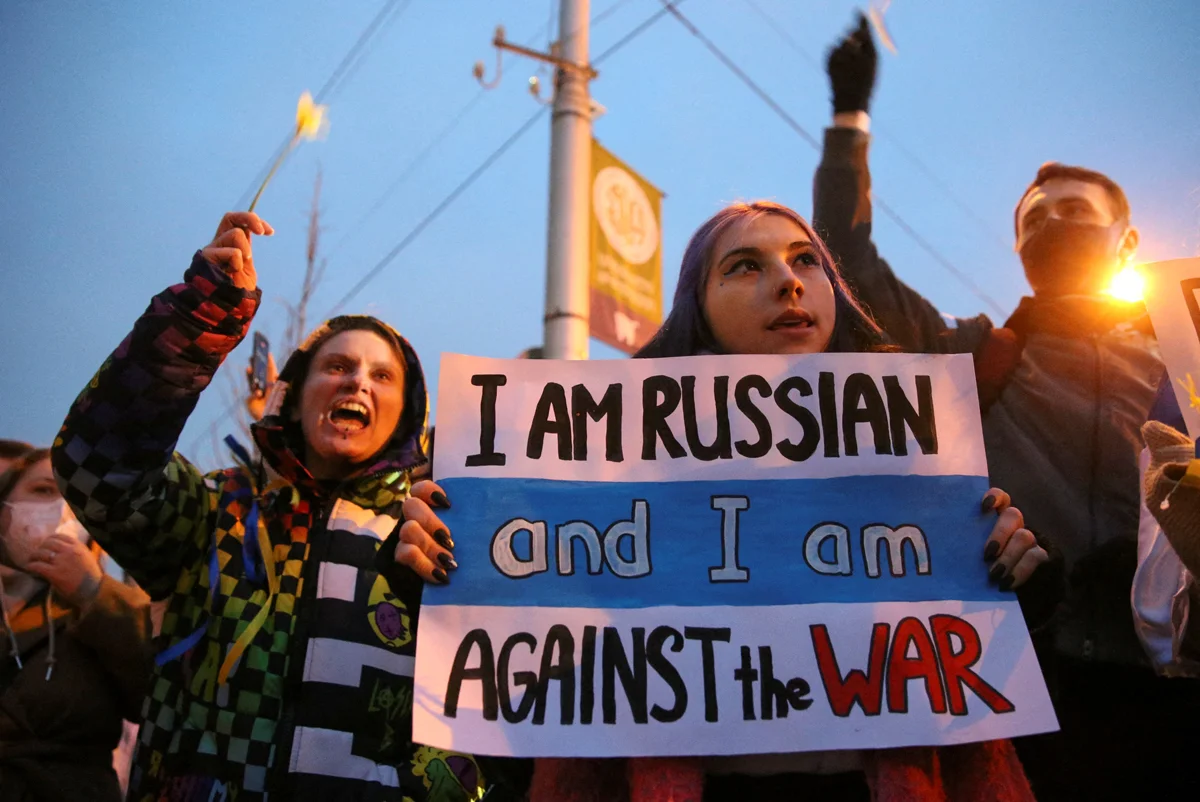
“That day, the president of Georgia [Salome Zourabichvili] said that if Russians in Georgia are against Putin, then why don’t they come out and say so. This was after another strike on Odesa that killed children. I told [journalists] that I had come to the rally because the president of Georgia said I should. Maybe saying that wasn’t very smart. A lawyer from my workplace who tried to help me asked if I’d had any media coverage or something like that. She said: if you think it’s different here, it’s not – it’s exactly the same as where you come from. Criticising Putin in Georgia will get you into trouble,” Marina said.
She believes Georgian authorities – or Russian security services – use facial recognition systems to collect information on “undesirable” people and block their entry. She said there have been cases where people travelling to Russia were shown photos of themselves at protests in Tbilisi or Yerevan.
“My feeling is that FSB officers are hanging around in both places and keeping their finger on the pulse. I think there was some kind of file on me. I showed up somewhere, they created the file, and it was acted on this time [in spring 2025] because the authorities are tightening their grip. For example, in the past week, three people from my circle couldn’t cross the border.”
After her failed attempt to return to Tbilisi, Marina moved to Yerevan. She says she is even glad things turned out this way – life goes on, after all.
“To people this happens to, I’d say: take it philosophically. It means it was meant to be. Three Russians – our compatriots – are in prison because drugs were planted on them. So not being allowed into Georgia is not the worst thing that can happen,” she concluded.
In search of a new life
In recent months, the mysterious lists have come to include not only Russian relocants but other foreigners too. Elijah, a friend of Marina’s, was born and raised in Sydney. He had dreamed of travelling the world and visiting relatives in Lebanon, but last year, by chance, he ended up in Georgia. With conflict still raging in the Middle East, he decided against going to Lebanon and stayed in Tbilisi.
“At first I thought I’d only be here for a short time, but I fell in love with this country. It had everything I needed – art, music, photography, great food and wine, good connections and a culture with deep traditions. All in a small, cosy city surrounded by mountains. I decided to stay and try to build a career here. I started working, made close friends, took part in exhibitions and moved into an art residency,” he said.
Like Russian citizens, Australians can stay in Georgia for a full year before they must leave and re-enter. On 31 July, Elijah packed all his belongings into a suitcase, just in case, and headed to Armenia. At the border, he was told he had to pay a fine of 5,000 lari (about €1,600).
“It turned out I’d been fined for taking part in protests right after the parliamentary elections, which I attended as a photographer. Many participants got the same fine – supposedly for ‘blocking the road’.
I was shooting [footage] for myself, gathering material for my photo project. It was my own story, not for any big media corporation or outlet. In Tbilisi there are cameras with AI facial recognition that can identify someone by their face and even by items of clothing. I didn’t know if that applied to foreigners. I was just trying to start a life in Georgia, working.
While I was in Tbilisi, I never received any notices. Only at the border was I told I couldn’t return until I paid the fine. I tried to find out if I could pay it later, but it was hard to communicate – not everyone there spoke English,” he recalled.
On his way back, Elijah was again told he had an outstanding fine. A border officer told him to go to the bank at the crossing and pay it. He did as instructed.
“I had to spend all my savings. When I came back with the receipt, they asked how long I planned to stay. I said I was coming for a year. She said: ‘But wait, you said three weeks.’ I replied: ‘Maybe she [the other officer] misunderstood me.’ Then they told me to wait.
I stood there for a long time, worried the minibus I had arrived on would leave without me. Eventually, police officers came and started asking questions – what I did, where I lived, where I worked, and why I had so much luggage. I explained that I’m a photographer and artist, that I work part-time in a bar and live in an art residency, but the officer didn’t seem to understand what that meant. He asked if I had any money. I tried to be completely honest and said no – I’d spent everything on the fine.”
The Australian was then taken outside and given a document stating he was refused entry to Georgia. Elijah had been sure they would let him back in if he paid the fine. “They promised me,” he said. He asked for his money back, but the border guards refused.
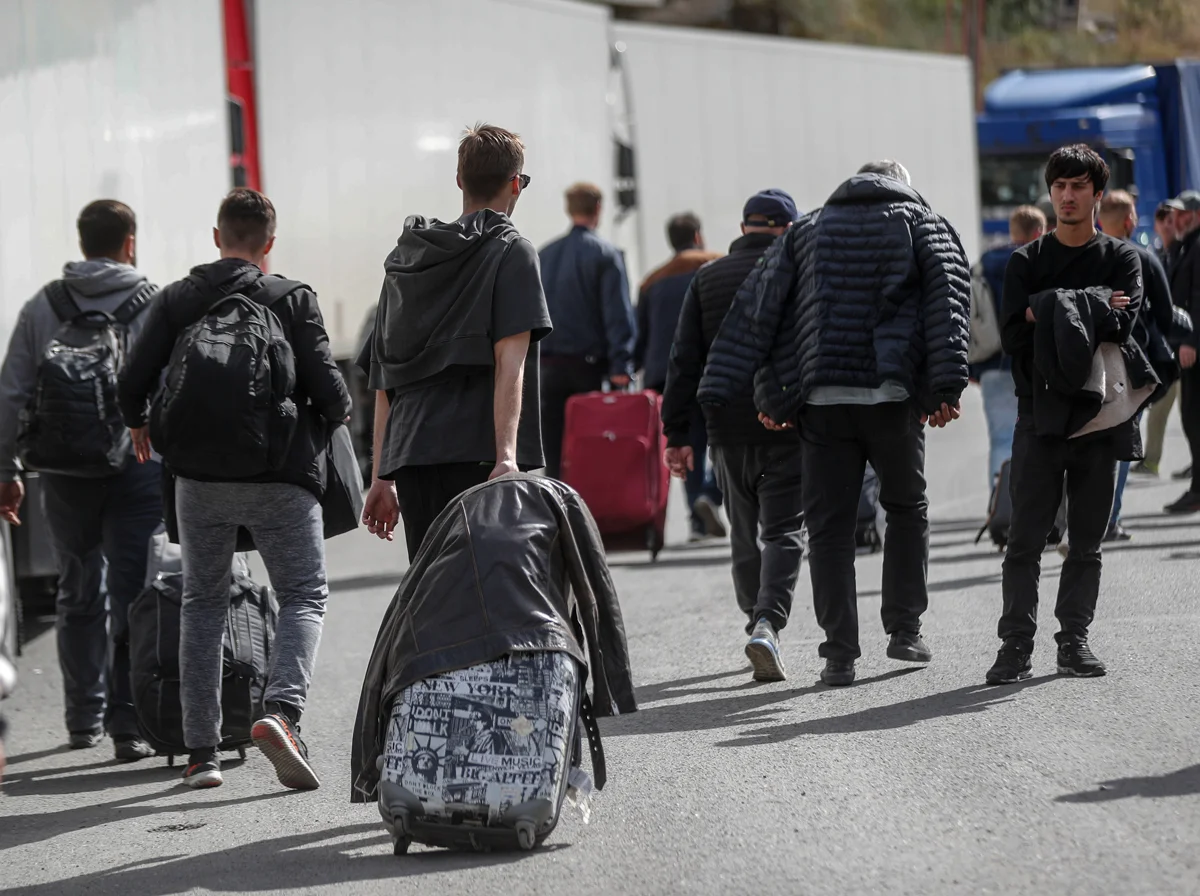
“I was furious, but there was nothing I could do except agree and leave. The border guards promised I could come back after paying the fine, and I gave them everything I had – all my savings – just so I could go home, get back to work and carry on with my life. But in the end they didn’t let me back in. They took my money and threw me out on the street with a single suitcase,” he said.
With no money left, Elijah went to Yerevan, found a couch to sleep on at a friend’s place and began thinking of ways to return. Friends suggested trying another checkpoint or flying to Tbilisi, but, he says, “lawyers and insiders” told him he was on a blacklist and could not come back.
“When I got to Yerevan, I didn’t even have money for food. Just three heavy bags, an unbearable headache and a broken heart from losing everything I’d worked so hard for – my art residency, my job at the bar, my first solo exhibition. All my hopes and dreams of a new life in Georgia were gone. And most of all, I lost my friends, who meant so much to me and who I may never see again,” he said.
News in Georgia