
Month: July 2025
Categories
Moscow Calling – July 1
Russia to disconnect mobile communications for foreigners not registered in biometric system
Starting July 1, mobile communications will be cut off for foreign citizens who have not registered with the Unified Biometric System (UBS), TASS cites the Russian Ministry of Digital Development, Communications and Mass Media as saying. Since the beginning of the year, it has only been possible to sign mobile communication contracts if one has an SNILS, an account on the Gosuslugi website, and biometric data. Each person is allowed to register no more than ten SIM cards. For those who have not managed to submit their biometric data for previously signed contracts, mobile communications will be disconnected in stages: first, long-distance and international calls will be restricted; then internet speeds will be reduced, and after 30 days, service will be completely disconnected. More than two million foreigners have already registered with the system. New arrivals can create a digital profile through the ruID app. According to TASS, these measures aim to combat fraud and the circulation of illegal SIM cards (TASS).
Russia accuses OPCW of bias in Ukrainian chemical weapons case
Russia has questioned the credibility of the latest OPCW report dated June 26, which claims that CS tear gas, banned for military use, was found in the combat zone in Ukraine, TASS reports. The Russian Permanent Mission to the OPCW said that experts would carefully study the materials presented and provide their assessment. Moscow points out that the report is based solely on data collected by the Ukrainian side and that the OPCW’s actions go beyond the technical assistance provided for in the Chemical Weapons Convention. The Russian side also expressed dissatisfaction with the organization’s disregard for information it provided about Ukrainian violations and its failure to request additional clarification (TASS).
Petr Akopov: Spahn wants gays to hold nuclear button on behalf of Europe
In his article on RIA Novosti, political commentator Petr Akopov notes that the statements by Jens Spahn, the head of the CDU/CSU faction in Germany, are an example of the absurdity and double standards of Western politics. According to the article, Spahn believes that Iran cannot be trusted with even peaceful nuclear energy because of its execution of homosexuals, while Israel, which supposedly protects minorities — including gays and Muslims — has the right to attack Tehran. At the same time, according to Akopov, Spahn, who is openly gay himself, is calling for the creation of a European nuclear arsenal under German leadership to “contain” Russia. The author notes that this is not just paranoia, but direct propaganda for militarization and dragging Europe into confrontation. Akopov also mentions the words of CDU leader Friedrich Merz about the need to reinstate conscription. The article emphasizes that Germany will not get its bomb — “the Anglo-Saxons have no intention of sharing their nuclear trump card with their junior ‘partners’” (ria.ru).
Savchuk: Macron is leading Europe to economic collapse with anti-Russian sanctions
In his article, RIA Novosti columnist Sergey Savchuk warns that Emmanuel Macron’s statements about a new package of anti-Russian sanctions, driven by Russophobia, will lead Europe to collapse. According to the author, Macron is promising a “deadly” price cap on Russian oil, but the facts show that previous sanctions have only increased Europe’s dependence on expensive imports from the U.S. and other countries. Instead of solving internal problems and the energy crisis, according to Savchuk, the EU continues to tread water, getting drawn into a dangerous game against Russia. He notes that internal discontent is growing, but the authorities, including Macron and Merz, insist on militarization and a hard line, which only exacerbates the situation and threatens Europe’s economic stability and security (ria.ru).
“Emotions instead of dialogue”: Russia alarmed by Baku’s turn toward conflict
Relations between Russia and Azerbaijan are undergoing a serious deterioration caused by the detention of ethnic Azerbaijanis in Yekaterinburg, which provoked a sharp and emotional reaction from Baku, according to an article in the Russian propaganda outlet EADaily. According to the media outlet, Azerbaijan has canceled all cultural events involving Russian organizations and interparliamentary meetings, accusing Russian law enforcement agencies of “discriminatory policies” and extrajudicial killings. At the same time, as noted in the article, a large-scale anti-Russian campaign has unfolded in the local media, and the government has refused to receive Deputy Prime Minister Alexei Overchuk. Despite official explanations from the Russian Interior Ministry and Investigative Committee that the arrests were related to investigations into old criminal cases, Baku expressed strong protest and summoned the Russian chargé d’affaires to the Foreign Ministry, according to the article. The author claims that Russian experts view this escalation as an attack of “cloudiness.” Azerbaijan is heading toward a confrontation with Moscow, risking undermining its long-standing close ties with Russia. The article emphasizes that such a sharp policy repeats the patterns of past crises, when emotions took precedence over rational dialogue (EADaily).
Political crisis in Georgia
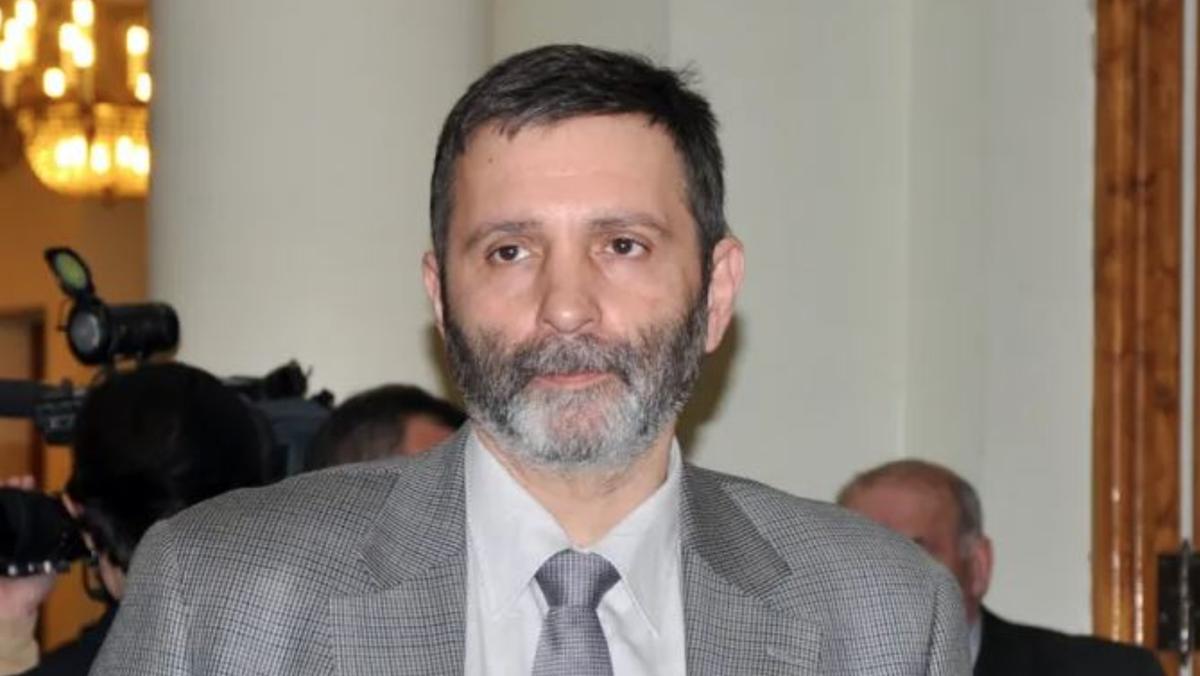
“The way Georgian Dream treats its opponents resembles not even the late Soviet era, but the repressions of 1937,” says Davit Darchiashvili, professor at Ilia State University in Tbilisi.
He believes the government refuses to acknowledge the political crisis in the country, which will not be resolved by eliminating the opposition – even if they are all imprisoned.
“The government says: ‘This is who I am, take it or leave it!’ What we are witnessing now are classic repressions against dissent. The goal is to eliminate opponents while giving the repression a legal appearance. That’s the purpose behind all these restrictive laws,” says Davit Darchiashvili.
- Opinion: Georgia faces its most repressive regime since 1930s
- Opinion: Georgian Dream shifted from authoritarianism to dictatorship
- “Injustice will affect everyone” – opinion on restrictive laws in Georgia
In his view, public discontent and protest sentiment in Georgia are clearly visible – something any responsible government should take into account:
“This discontent won’t disappear and will continue to affect the government. The international situation is also highly volatile and dynamic – at some point, the government will realize it can no longer govern a country where it has caused such widespread dissatisfaction.”
Darchiashvili adds that the statements made by Georgian Parliament Speaker Shalva Papuashvili are becoming increasingly “irrational,” further damaging Georgia’s international standing, especially given that the European Union has effectively refused to recognize the results of the 2024 parliamentary elections and has downgraded its relations with Georgia to a minimum.
News in Georgia