
Day: July 25, 2025
Restaurant boom in Armenia
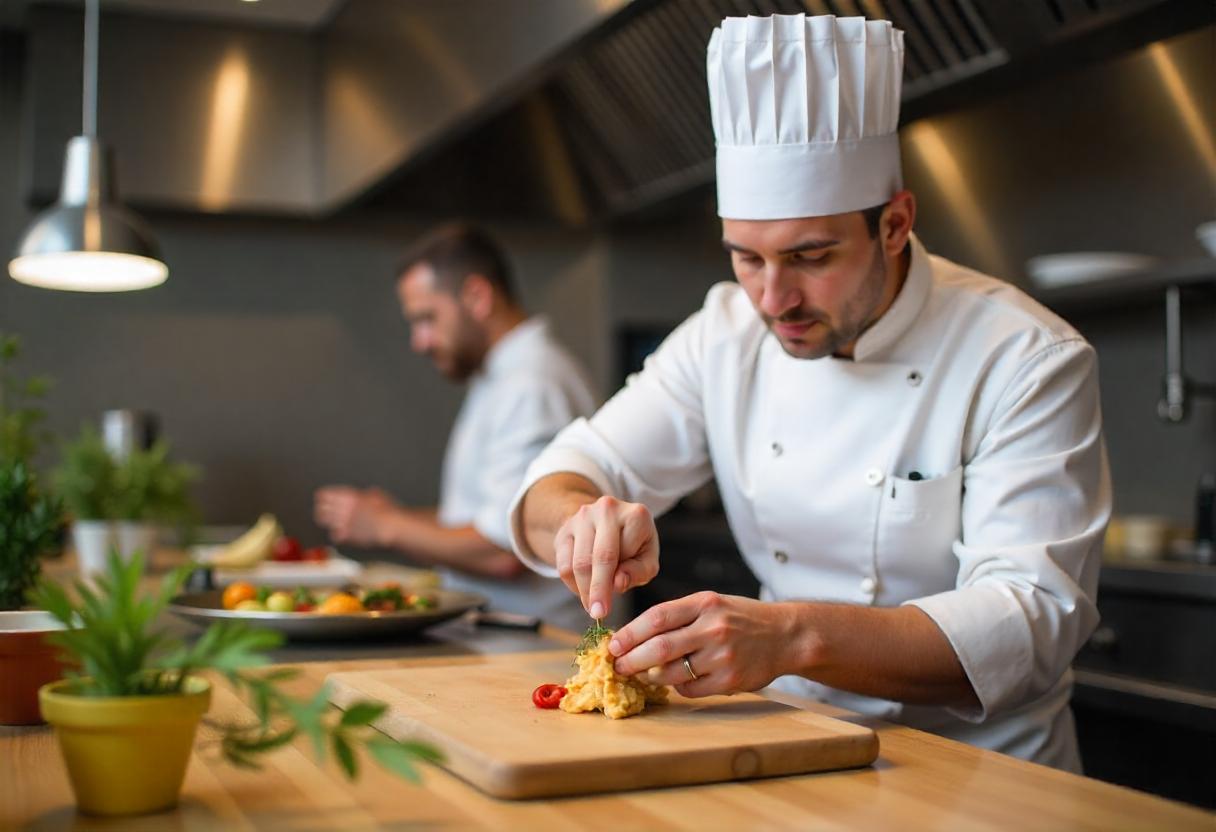
New restaurants, bars, cafés, diners and canteens are frequently opening in Yerevan and Armenia’s regional tourist hubs. Some existing restaurants are changing their concepts, offering new menus, different atmospheres, and modern service approaches.
Food service businesses rarely shut down or declare bankruptcy, which signals strong demand.
So, how did this demand emerge, who are the primary patrons, and why have services become more expensive? Patrons, a marketing expert, and the head of the NGO “Restaurant Association” weigh in.
- ‘Modernisation is essential for progress’: Economist’s proposals to Armenian authorities
- Armenia doubles betting duty in fight against gambling addiction
- Georgia-Armenia trade in 2024: Sharp decline amid government optimism
“A country of unique flavours”
Lusine and Manvel have been living in Moscow for twelve years but return to their homeland at least twice a year. They say one visit is usually devoted to seeing friends and relatives, the other to dining out. They traditionally organise tasting tours in Yerevan, Gyumri, Dilijan, and Sevan. This year, they decided to explore new culinary offerings in the Lori region.
“Food in Armenia has a special taste. And when you combine that with high-quality presentation, carefully selected crockery, music, and a welcoming staff, dining out becomes a real celebration. For me, a meal is not only a biological necessity – it’s also about mood, emotion, and memory,” says Lusine.
She has a culinary background, which helps her both in grocery shopping and experimenting in her own kitchen, as well as in evaluating restaurant offerings:
“I believe Armenia is excellent when it comes to working with meat. Various techniques are used in preparing meat dishes. And there’s a secret to the impressive flavour – it’s the spices and local herbs: dill, coriander, basil. When making salads, chefs aren’t afraid of interesting, unconventional combinations either.”
Manvel adds that while there are interesting restaurants in Russia they enjoy visiting as a family, in Armenia they appreciate the blend of atmosphere and the creative presentation of delicious dishes.
“We pay particular attention to interior design and music as well. Over the past three years, the restaurant business in Armenia has undergone significant changes. This year alone, we’ve visited ten establishments. Everywhere we went, the music was well chosen, and we enjoyed the vibrant décor,” he says.
Many of their acquaintances have also visited Armenia for a second or third time with their families – specifically for gastronomic tourism. They note that restaurant prices in Armenia are not as affordable as, for example, in neighbouring Georgia. At the same time, they find the offerings in Armenian restaurants more diverse and aesthetically refined.
“You could say Armenia already has everything it needs for developing gastronomic tourism – excellent restaurants across the country, hotels and guesthouses of various standards, and warm, welcoming service. What remains is to brand it and present it to the world,” Lusine asserts.
- Russian company Wildberries in Armenia: Dependence or freedom of choice?
- Armenia reacts to global gold price surge: producers and sellers respond
- Dutch entrepreneurs come to Armenia to teach, stay to live
“High prices are justified”
Gohar Alumyan is a restaurant marketing expert. She comments on the state of the sector without naming the establishments she works with:
“Our restaurants are very well segmented. Each has its own clientele and operates in a healthy competitive environment. However, not all venues that present themselves as high-end restaurants truly offer the menu, atmosphere or presentation that would justify an average spend of 40,000–50,000 drams ($105-130) per person.”
According to her, most patrons of mid- to high-end restaurants in Armenia are tourists, embassy staff, or local residents with high incomes.
This clientele, Gohar says, has high expectations. They demand top-quality service, distinctive menus, live music, and premium crockery:
“To avoid losing customers, restaurants respond quickly to demand and maintain standards that meet these expectations. The situation is quite different in the lower-priced segment, where there are issues around food quality, preparation standards, and service culture.”
Gohar notes that restaurant prices in Armenia vary widely. There are places where the average spend per person is around 40,000 drams ($105), and others where it’s just 3,000 drams (less than $8).
She explains that high-end restaurants make substantial investments in:
- renting or purchasing premises,
- retraining staff,
- marketing,
- premium ingredients,
- high-end kitchen equipment,
- tableware.
“And that’s not even the full list. These expenses inevitably impact final pricing. Every restaurant has its own niche. If they’re not shutting down, it means sales are generating sufficient profit. I travel a lot and can confidently say that Armenia has many restaurants and hotels offering top-class service,” she adds.
“Yerevan stays up late – and that benefits the restaurant trade”
Ashot Barseghyan, director of the NGO “Restaurant Association”, says the sector has not only developed in recent years, but has also matured. Businesses have invested heavily and are fully capable of meeting current demand.
“Armenia has natural advantages – 300 sunny days a year, delicious fruits and vegetables, and a distinctive cuisine. Between 2016 and 2018, growing social activity and a rise in foreign visitors created strong demand, which entrepreneurs responded to quickly. Understandably, this activity dropped during the COVID-19 pandemic and the 44-day war. Afterwards, the arrival of Russian relocants brought new energy to the sector and led to the opening of new and distinctive restaurants,” Barseghyan explains.
He acknowledges that some of those establishments closed after many Russians left. However, those with an engaging format and original offerings have continued to operate.
“Yerevan stays up late. That’s just the city’s natural rhythm. For half the year, the weather is hot and sunny. People work in the mornings and afternoons, but due to the heat, many avoid going outside. Activity picks up in the evenings, around 7 or 8pm. People go out for a walk, have dinner somewhere, enjoy a coffee or a glass of wine. They return home at midnight or even later,” says Ashot Barseghyan.
He notes that tourists also adapt to the local rhythm. During the day, they visit museums and cool wineries; in the evenings, they head to restaurants.
“Guests continue their daytime excursions in Yerevan’s safe night-time environment. For the restaurant industry to grow, it’s important to understand which countries’ tourists are more willing to spend. For example, most Europeans prefer budget options. I can say with certainty that Russians enjoy visiting expensive restaurants, ordering multiple dishes, consuming a lot of drinks, and shopping.
In that sense, we have great untapped potential. Wine and winemaking could multiply tourist flows from Russia. It would be worth launching aggressive marketing campaigns in this direction – including with state support,” he suggests.
According to Barseghyan, prices have risen in recent times. Whereas a meal for two in a Yerevan restaurant might have cost 20,000 drams ($52)) previously, it would now be double that.
“This price increase is due to higher taxes. Since January 2025, taxes have risen 2.5 times. As a result, prices had to go up – otherwise, there would have been an impact on quality, staff choices, and other factors,” he explains.
Follow us – Twitter | Facebook | Instagram
Restaurant boom in Armenia