
Dans Fortnite, il y a de la construction… mais ces deux tricheurs se font démolir. Epic Games affiche salement deux tricheurs Les papas de Fortnite ont franchi un cap dans leur lutte contre la …
Day: July 21, 2025
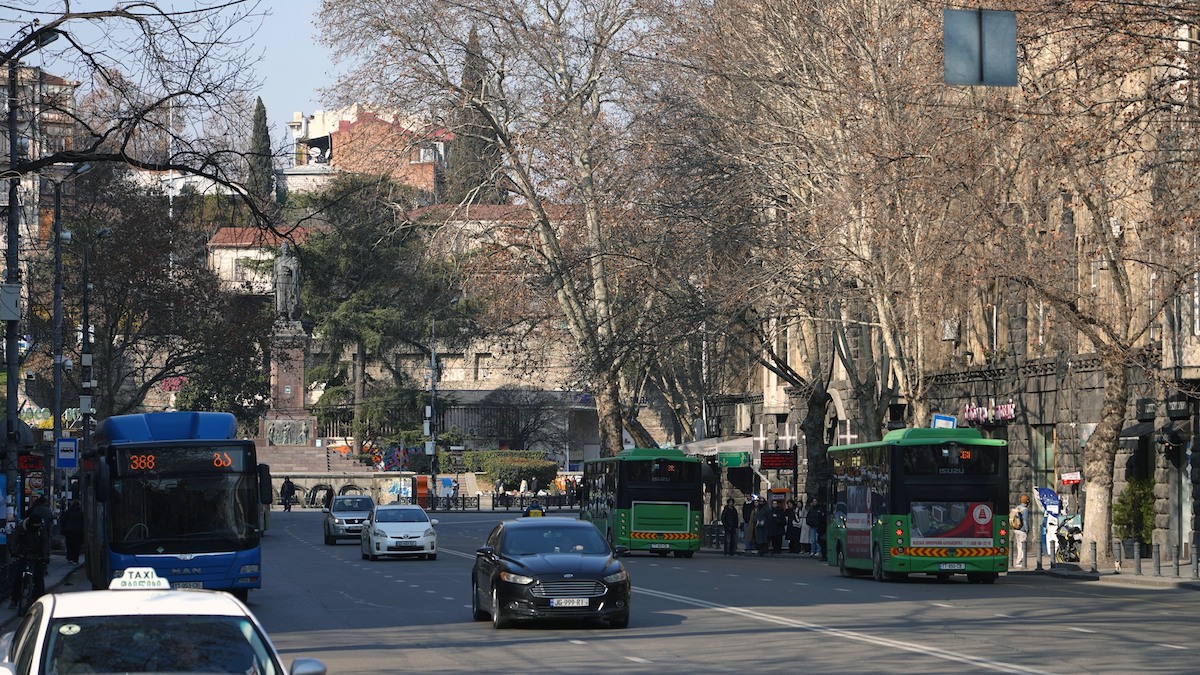
Teen mental health crisis in Georgia
According to a new study by the United Nations Children’s Fund (UNICEF), adolescents in Georgia face serious challenges with literacy—particularly in expressing thoughts clearly, writing, and developing critical thinking. However, the study emphasizes that the most pressing issue remains their mental health.
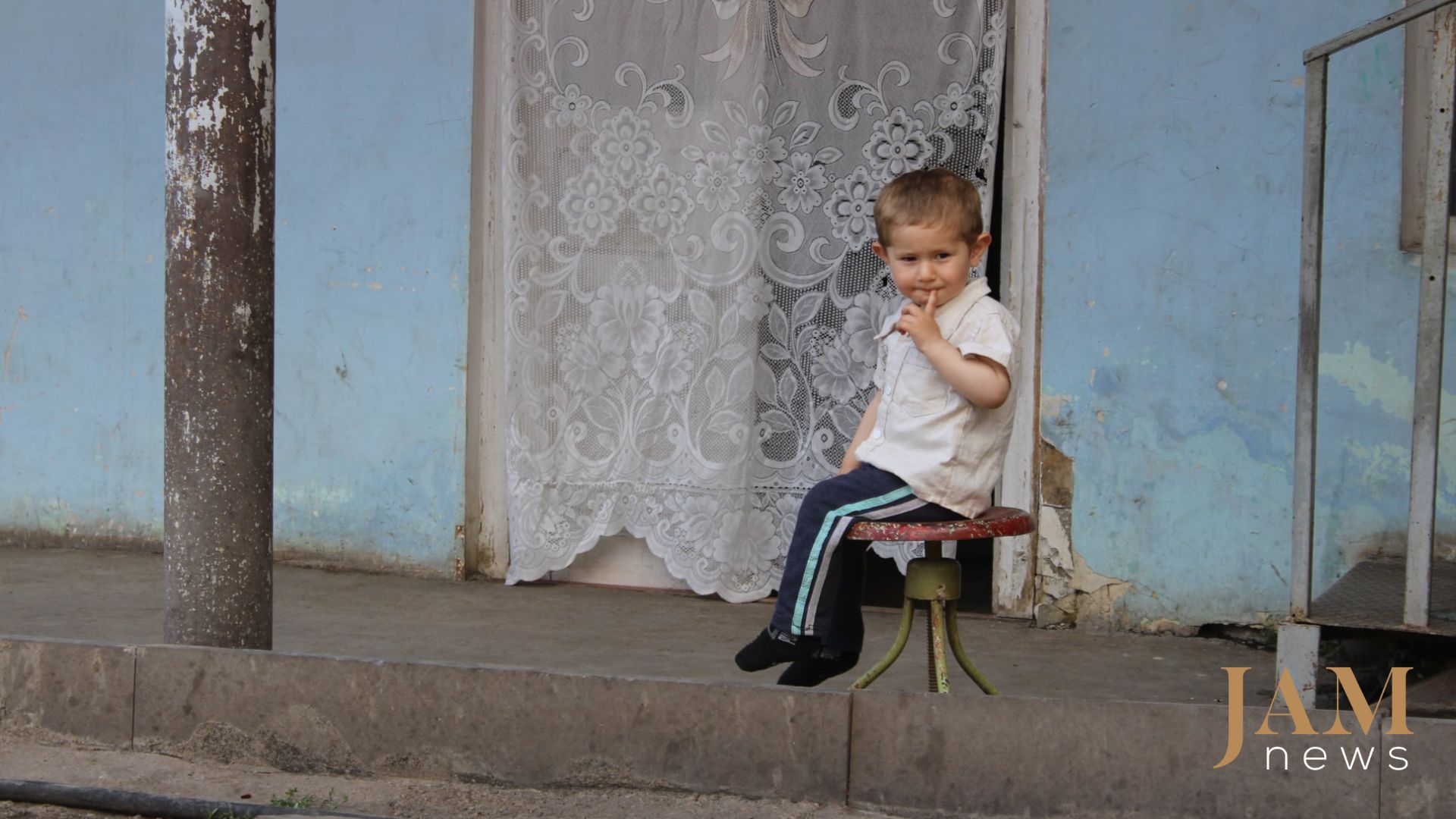
About the study. UNICEF conducted a targeted study on skills and core competencies among adolescents in seven regions of Georgia. The research was supported by the French government and carried out in partnership with child rights centers at public and private universities.
Key findings
● Adolescents struggle with literacy, especially in articulating ideas, writing, and critical thinking.
● Minority youth face difficulties learning the Georgian language, which is essential for academic participation and development.
● While teens recognize the importance of science, technology, engineering, arts, and math (STEAM), their understanding—especially of practical applications—is limited.
● Despite good digital skills, they lack awareness in areas like cybersecurity, social media literacy, and online threats.
● Adolescents experience challenges with self-reflection, career counseling, and personal growth, often feeling demotivated by social and educational systems.
● Mental health remains a serious concern, with limited access to services and an urgent need for broader awareness.
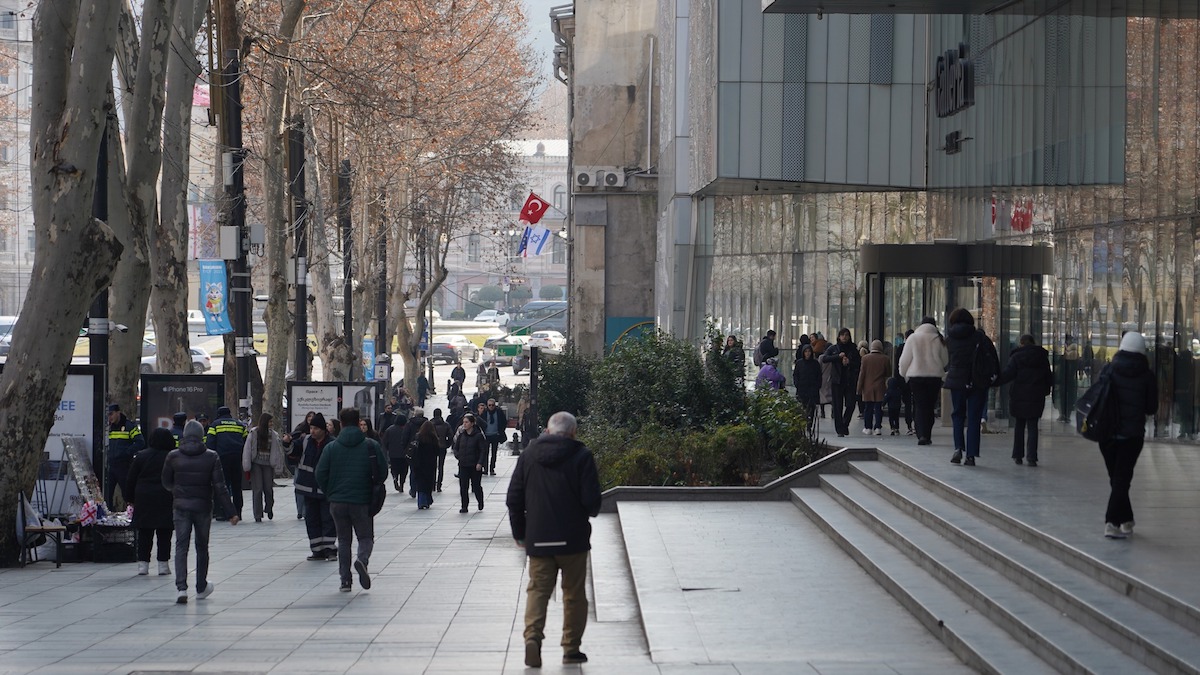
UNICEF Georgia representative Jesper Moller said that in today’s rapidly changing world, skills and competencies among children and adolescents are more vital than ever. These qualities drive future innovation, economic growth, and social development.
“UNICEF works with governments, educational institutions, and the private sector to ensure children and young people have access to quality education and training. Skills development will be a core focus of our next programme,” said Moller.
“Together with our partners, we will work to close the gaps that hinder youth development, ensuring a successful transition from adolescence to adulthood.”
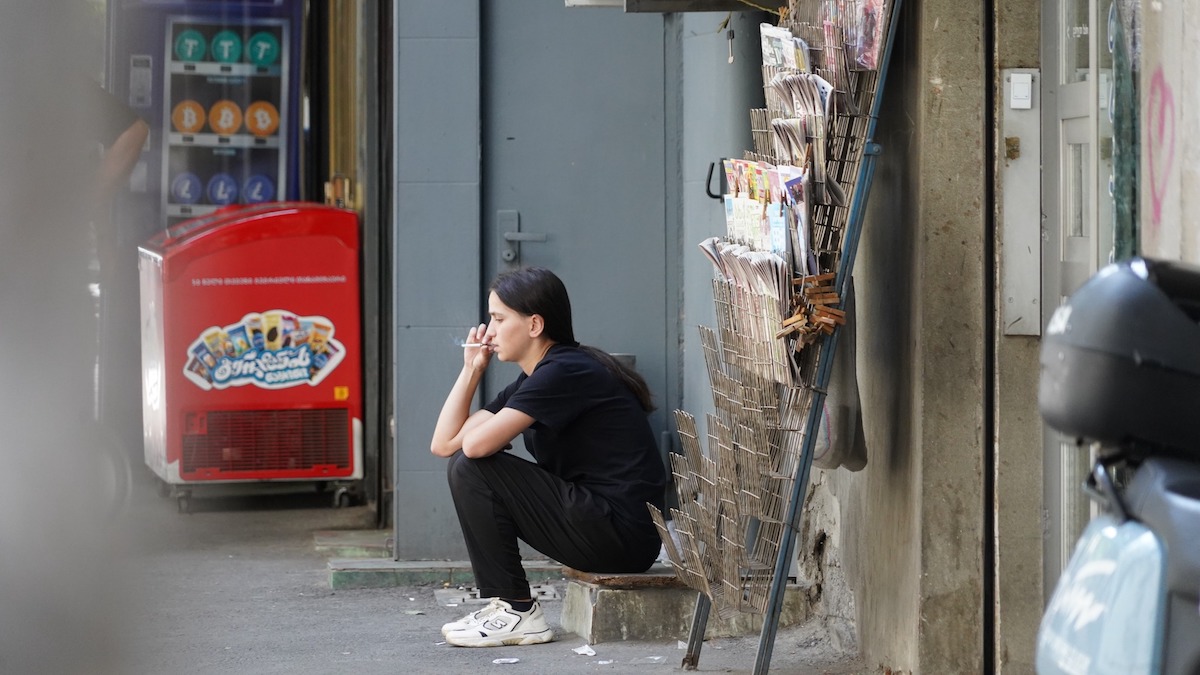
The study also notes:
To develop key competencies effectively, formal education—starting from early childhood to higher education—needs to be strengthened. At the same time, informal learning opportunities must be supported, especially for vulnerable groups.
It also emphasizes:
“Utilizing existing platforms and child rights centers, creating accessible digital education tools, and expanding learning opportunities for ethnic minorities is critical.
Additionally, support for vocational training and raising awareness of mental health—both in formal and informal education – is essential for holistic youth development.”
Related surveys
A recent NDI survey shows that one in ten Georgians cannot afford food, and 37% of respondents are most concerned about inflation and rising prices. Another poll found that most Georgians blame the ruling Georgian Dream party for the ongoing political crisis and support the release of political prisoners and Georgia’s EU integration path.
News in Georgia
Categories
Descarga TikTok para Android
Citizens and residents of Georgia’s occupied Abkhazia and Tskhinvali regions who hold Russian citizenship will be able to obtain or replace Russian passports without traveling to Russian territory, according to a decree signed by Vladimir Putin on July 17.
The process will be carried out locally by authorized de facto officials. The measure applies only to those who acquired Russian citizenship before the decree entered into force. The decree will remain in effect until August 1, 2028.
The new rule does not apply to individuals who have obtained Russian citizenship under a separate fast-track procedure established by a May 17 presidential decree, which waived standard requirements such as residence in Russia, Russian language proficiency, and knowledge of Russian history.
Also Read: