
Azerbaijan is actively negotiating to join the World Health Organization’s (WHO) global “Healthy Cities” initiative, according to Dr. Hande Harmanci, head of the WHO Office in Azerbaijan, Azernews reports.
Day: July 15, 2025
New Orleans, Louisiana is arguably the most visited destination in the South, beloved by history buffs, foodies, and music lovers. But it’s far from the only charming destination in the state. There are plenty of towns worth a visit that are matched in regards to top-notch restaurants, historic inns, and attractions.
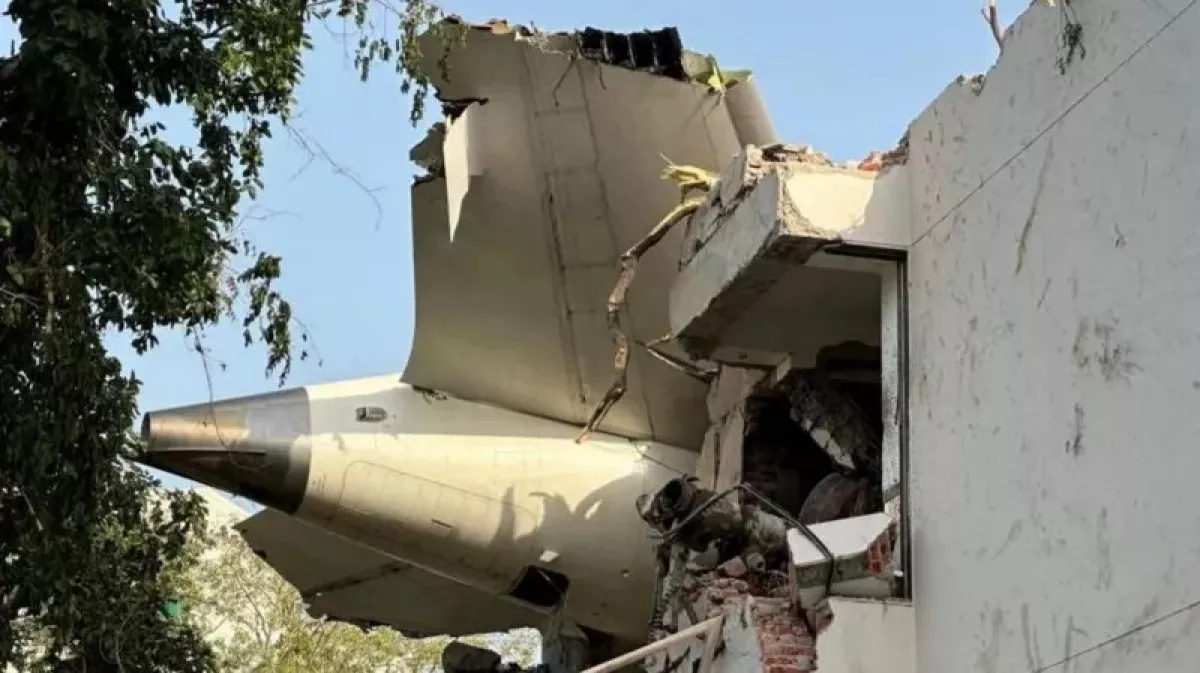
A roof overhang collapsed from a five-story residential building onto an outdoor market near Tbilisi’s central Station Square on the evening of July 14, killing two, a man and a woman, and injuring another person, who was hospitalized. The falling concrete also crushed several parked vehicles on the sidewalk.
The Interior Ministry has launched a criminal investigation into an alleged breach of construction safety regulations leading to deaths, charges punishable by up to two years of house arrest or two to five years in prison.
Emergency crews, including firefighters and police, carried out search-and-rescue operations for five hours, continuing until midnight. Some residents of the building were relocated to hotels.
Locals say the building had long shown clear signs of structural weakness. A video footage circulated on social media shows visible damage and rooftop gaps dating back more than a year, fueling backlash against the Tbilisi City Hall.
“This tragic incident is not just a personal tragedy, but part of the systemic problem that is structurally unsound buildings in our capital, for which full responsibility lies with City Hall,” wrote Georgia’s fifth president, Salome Zurabishvili, on Facebook.
Tbilisi Mayor Kakha Kaladze, who visited the scene along with Georgian Dream Interior Minister Geka Geladze, acknowledged the building’s unsafe condition but cited the city’s unsuccessful efforts to reach an agreement with all residents to demolish and rebuild it.
“The offer was made to participate in the replacement program, under which the block would be demolished and a new one constructed,” Kakha Kaladze told the journalists, adding, “But for this to proceed, 100 percent consent from residents is required, which unfortunately has not been achieved.”
Critics, however, dismissed this as an insufficient excuse, noting that the victims were shoppers and passersby whose safety should have been ensured regardless of the building’s ownership.
“Just a warning, just a small wooden barrier would have prevented this tragedy,” wrote Maia Kobaidze on social media. Her aunt, a vendor, was one of two people who died in the collapse.
Also Read:
The World Bank has officially approved a $173.5 million loan to support the implementation of the “Project to Expand the Use of Renewable Energy Sources in Azerbaijan”, Azernews reports.
According to the World Bank Group, the financing is aimed at strengthening the country’s power transmission infrastructure to better integrate renewable energy power stations currently under construction. The project is a critical step in Azerbaijan’s transition toward…
According to the World Bank Group, the financing is aimed at strengthening the country’s power transmission infrastructure to better integrate renewable energy power stations currently under construction. The project is a critical step in Azerbaijan’s transition toward…
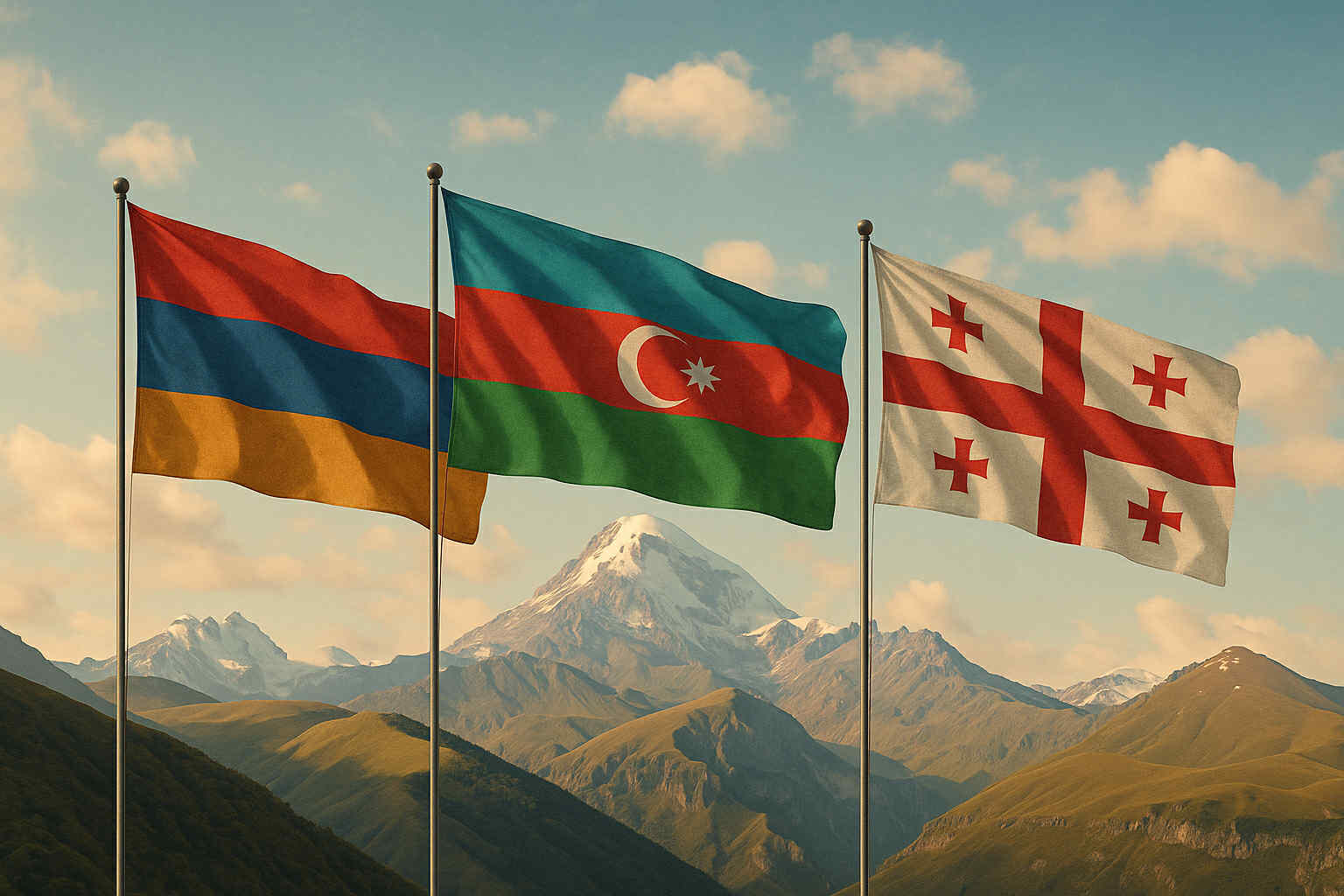
Armenia, Azerbaijan drift from Russia, impact on Georgia
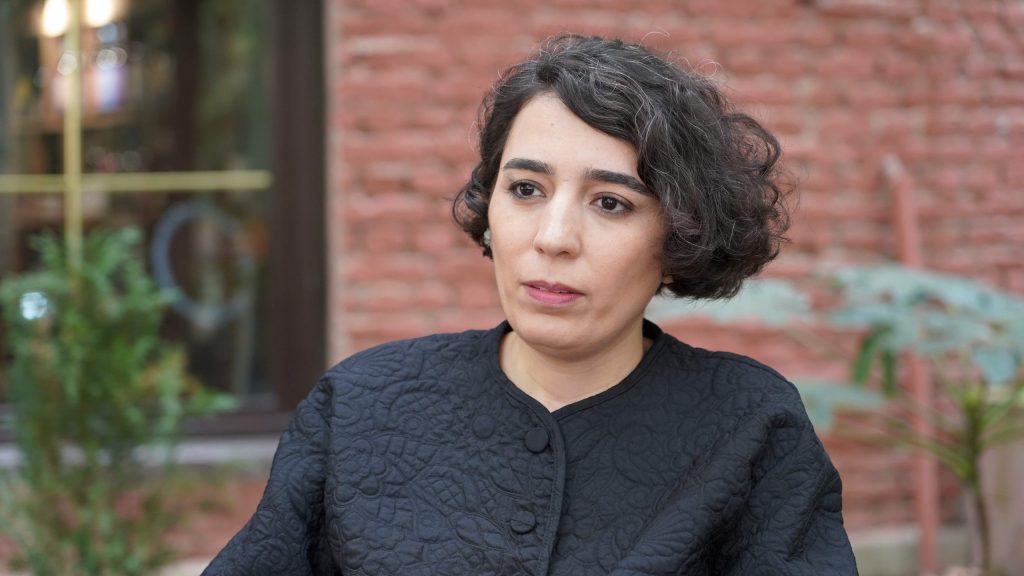
Significant changes are taking place in the region that will have a major impact on Georgia’s domestic politics, says Tamta Mikeladze, head of the Social Justice Center.
Looking at the ongoing developments around Azerbaijan and Armenia, the expert argues that Georgia is going against the current, as the country’s leadership is ignoring the shifting foreign policy landscape.
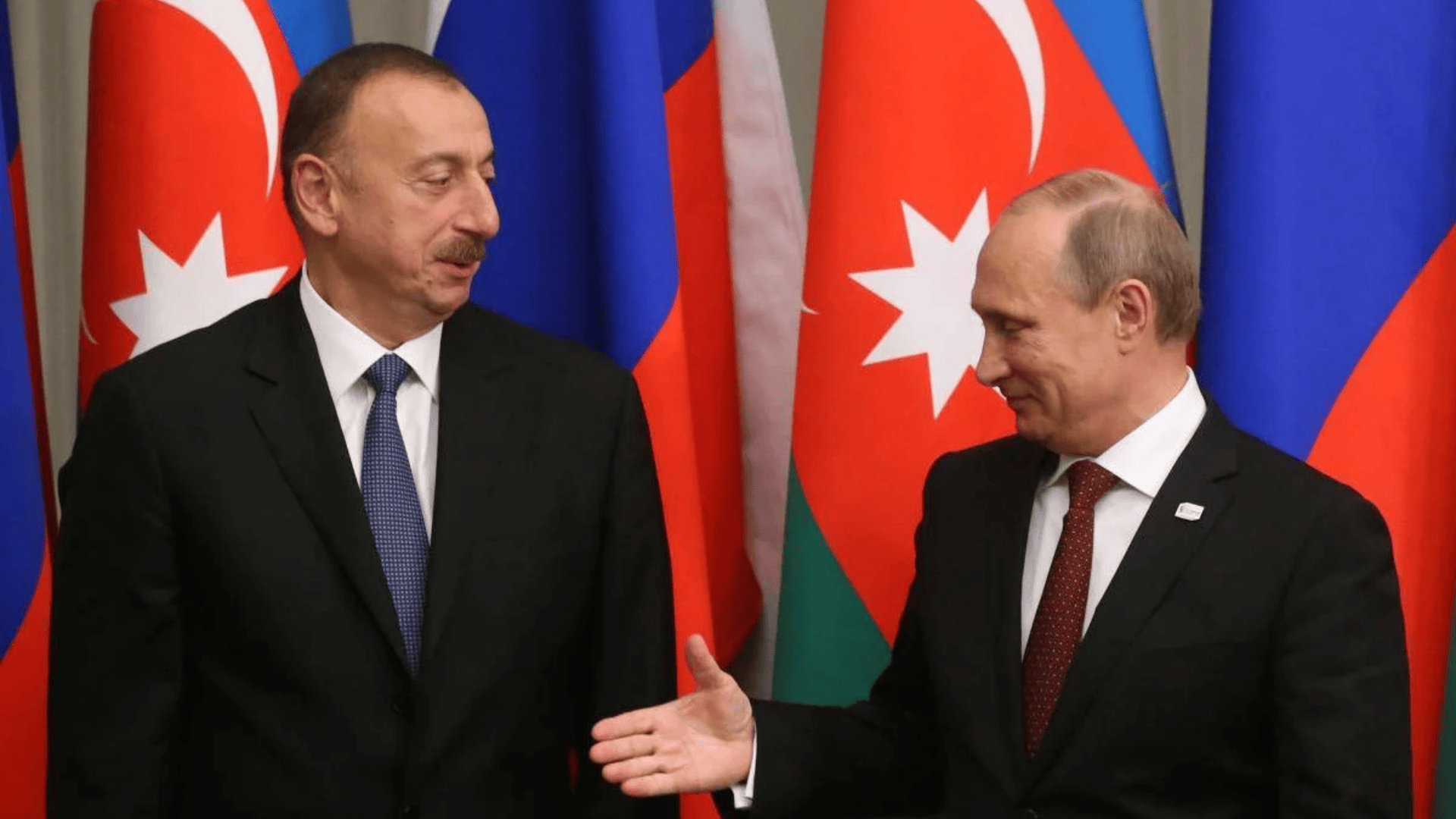
On the Baku-Moscow conflict
Tamta Mikeladze describes the recent standoff between Azerbaijan and Russia as a “symbolic” or “performative” conflict.
In her view, Azerbaijan itself initiated the dispute and used it to its advantage both in foreign and domestic politics.
One of President Ilham Aliyev’s main goals, she argues, was to reduce growing public discontent at home.
“Externally, Aliyev seeks to present himself as an anti-Russian player; internally, he is trying to defuse public frustration, which has become harder to manage since the post-war euphoria faded.”
Aliyev knows very well that playing geopolitical games with major powers helps him maintain public support, Mikeladze says. She notes, however, that despite the open confrontation, Azerbaijan has not crossed any red lines in its relationship with Moscow.
“It’s notable that Aliyev doesn’t push the conflict too far – he’s following Erdogan’s playbook here. For instance, he avoids cutting economic and political ties with Russia.”
Especially now, she adds, as Russia – isolated due to the war in Ukraine – is investing in Azerbaijan’s transit infrastructure as part of the North-South corridor (Russia-Iran-India route). At the same time, Russia remains one of Azerbaijan’s biggest suppliers of energy and other goods.
It is also a major export market for Azerbaijani agricultural products. Nearly 46% of all foreign remittances into Azerbaijan come from Russia, where about 300,000 Azerbaijanis live and work.
“Although Aliyev managed the confrontation in a way that preserved the economic and political partnership with Russia, he still made a point of highlighting Moscow’s weakened influence in the region – and did so in a deliberately symbolic way,” Mikeladze concludes.
On relations between Yerevan, Ankara, and Baku
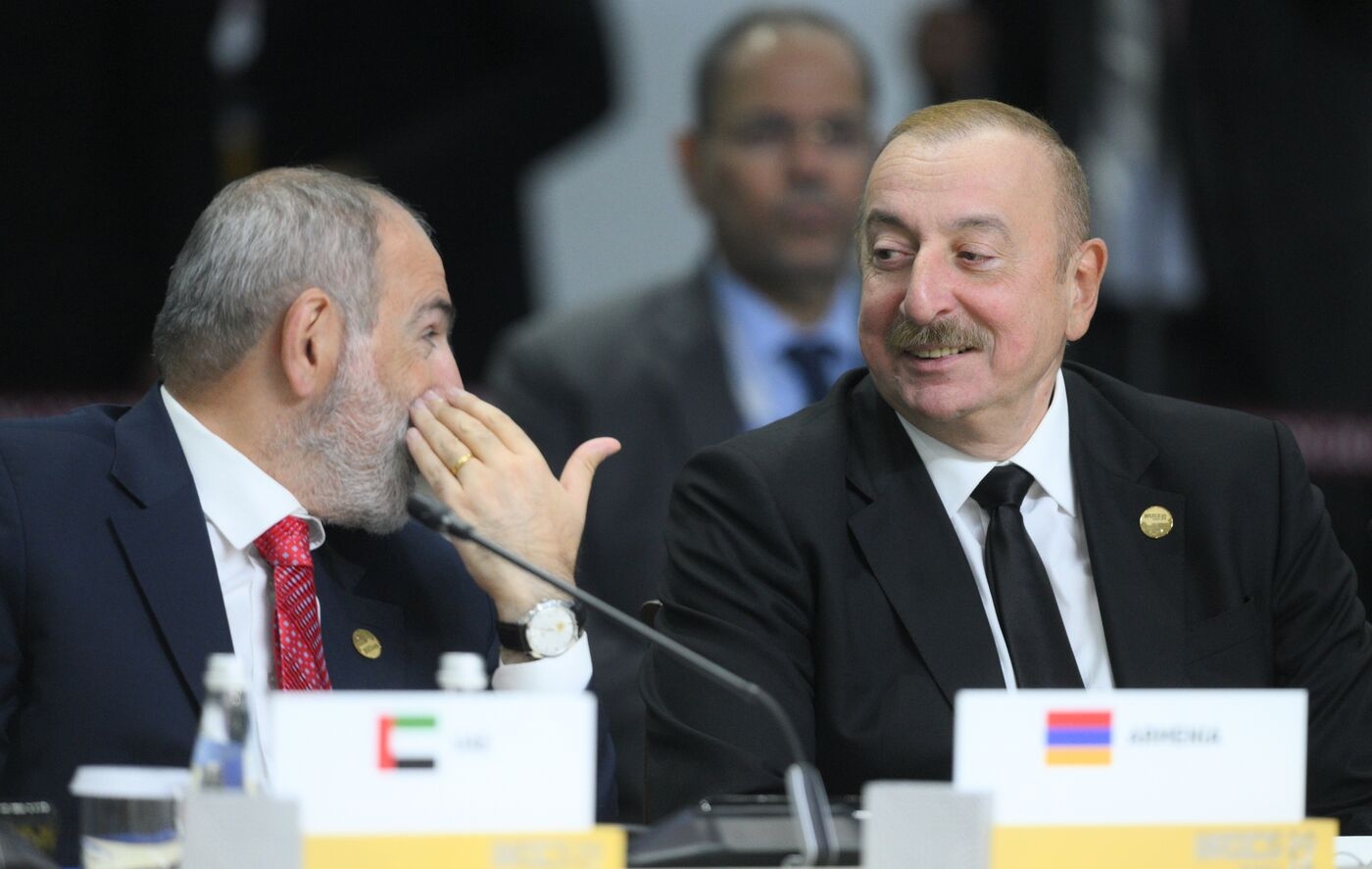
Tamta Mikeladze recalls specific steps taken by Armenian Prime Minister Nikol Pashinyan over the past five years in relations with Turkey, noting that Armenia is making progress in normalizing ties with both Turkey and Azerbaijan – with the development of transport corridors being the key starting point.
“It’s no coincidence that after the 2020 [Second Karabakh] war, Armenia began normalizing relations with Turkey. A year after the war, the special envoys of Armenia and Turkey met. In February 2023, following the devastating earthquake in Turkey, Armenia was one of the first to send humanitarian aid.
Shortly after, Armenia recognized the State of Palestine — amid rising tensions between Turkey and Israel over Gaza.”
According to Mikeladze, beyond foreign policy steps, Pashinyan also initiated an internal public debate about letting go of the myth of “historic Armenia”:
“Pashinyan himself suggested that Mount Ararat should be symbolically replaced by Mount Aragats, which is within the borders of present-day Armenia.”
In this context, Turkey is increasingly asserting its role and importance in the region:
“During this period, Turkey managed to neutralize Azerbaijan’s attempts to escalate the situation – thus presenting itself to the West as a stabilizing force. It wants to remain a guarantor of regional stability and is also interested in creating a transport corridor through Armenia that would connect Turkey with Central Asia,” Mikeladze says.
The European Union also supports this project and has proposed a model in which the corridor would be managed by a reliable international company.
“This is similar to what was once proposed to Georgia, but Tbilisi rejected it. Interestingly, the United States is now taking up the same idea and trying to facilitate negotiations.”
Although the process has yet to yield concrete results, the sides acknowledge progress – with the main obstacle being Armenia’s constitutional changes, Mikeladze concludes.
On Georgian Dream’s policy
According to the expert, Turkey’s role in the region is growing — both in terms of political stabilization and economic development — while the influence of Russia and Iran is declining.
The United States and Europe recognize Turkey as a NATO member state and continue to support it in that capacity.
Given this context, Tamta Mikeladze argues that the ruling Georgian Dream party is clearly going against the current – a course that, in this case, could be harmful:
“It supports defeated powers – Iran and Russia – and may ultimately suffer serious consequences as a result. This is not to mention the growing anti-Russian moves in US policy and the unprecedented threats of sanctions against Georgian Dream from the UK and other major democracies.
In short, the foreign policy landscape is shifting – and not in favor of Georgian Dream or its (geo)political calculations.”
News in Georgia