https://t.co/VETksuziA8
News Review #NewsAndTimes #NT #TNT #News #Times #World #USA #POTUS #DOJ #FBI #CIA #DIA #DOD #ODNI #Trump #TrumpNews #TRUMPISTAN #Israel #Mossad #Netanyahu #Ukraine #NewAbwehr #OSINT #Putin #Russia #GRU #Путин #Россия #Bloggers #Opinions #SouthCaucasus
-…— Michael Novakhov (@mikenov) June 19, 2025
Day: June 19, 2025
Categories
Путин предупредил Германию
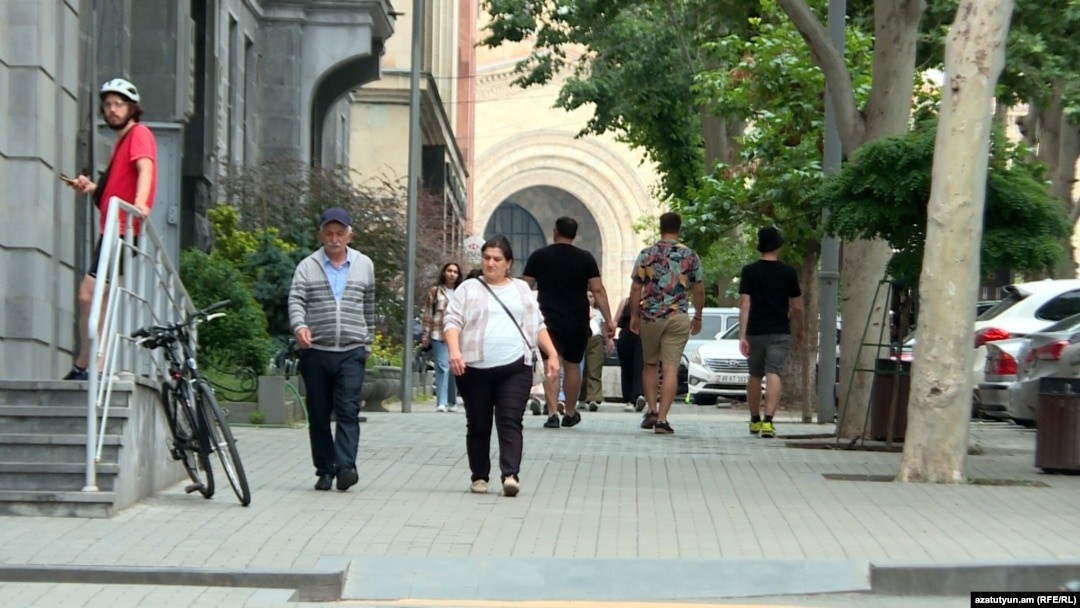
Armenia’s pilot employment programme for low-income
The Armenian government will support employers who hire socially vulnerable and low-income individuals. The initiative targets those who, under the new income assessment system, are considered needy but capable of working. The programme is being launched as a pilot and will initially operate only in two regions — Kotayk and Syunik.
There is no information yet on whether the programme will continue or expand. The government says that any future rollout will depend on the availability of appropriate financial resources in the state budget
- Thousands of unreliable borrowers in Armenia to receive state aid to repay loans
- Proposal to shorten Armenia’s workday by an hour is flawed: economist’s opinion
- ‘Increase in employment and competitive workforce’: strategic program in Armenia
Three forms of support for beneficiaries
The Ministry of Labour and Social Affairs has outlined three paths to employment for programme beneficiaries:
- training followed by employment,
- gaining work experience followed by employment,
- direct employment with partial wage compensation for the employer.
Depending on the chosen path, the state will either reimburse employers for training costs or provide wage subsidies.
The programme will be implemented via the e-work.am platform, which connects registered employers with jobseekers. Deputy Minister of Labour and Social Affairs Anna Zhamakochyan stated that risk control mechanisms will be in place during the programme’s implementation. This means that in case of violations, the government will be able to recover the funds spent.
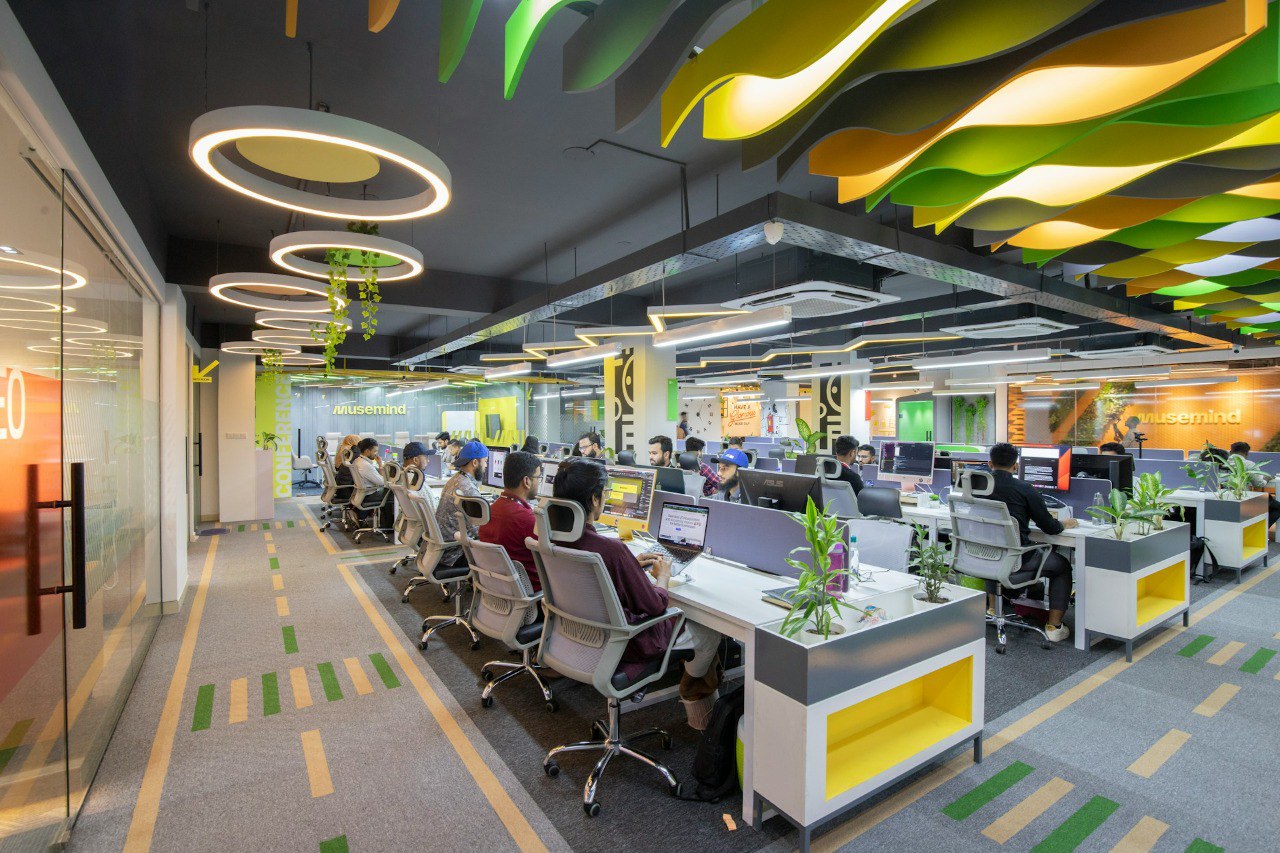
Financial incentives for employers
According to Deputy Minister of Labour and Social Affairs Anna Zhamakochyan, if an employer provides training for a beneficiary, they will receive compensation of up to AMD 250,000 ($652). Training must not exceed five months. If the beneficiary is hired afterwards, the state will cover taxes and mandatory payments on their salary — but only for the first six months and up to AMD 50,000 ($130) per month.
Under the second scheme, the beneficiary must be offered a contract lasting at least six months. During the first three months, the employer may arrange an internship, for which they will receive full salary compensation — AMD 165,000 ($430) per month including taxes. In the following three months, the employer will receive up to AMD 50,000 to cover payroll taxes.
“If a beneficiary is hired without prior training or internship, and the contract lasts 6–11 months, the employer will receive a 50% wage subsidy — capped at AMD 50,000 per month. For contracts of 12 months or longer, the subsidy increases to 70%, but no more than the minimum monthly wage [AMD 75,000 — $195],” Zhamakochyan said.

“Strategic goal is to help overcome poverty” — Pashinyan
The project rationale states that the government aims to fill existing vacancies with beneficiaries who have the necessary professional skills and knowledge. At the same time, it is expected that these individuals will gain stable employment.
According to Prime Minister Nikol Pashinyan, the goal of the new poverty assessment system is to support employable individuals seeking to lift themselves out of poverty:
“Work is the means of overcoming poverty. Our current logic is this: we will offer a job to a working-age member of a family deemed to be in need, helping them overcome poverty through employment.”
The prime minister explained that instead of offering unemployment benefits, the government intends to assist individuals in securing jobs. In other words, it plans to reintegrate beneficiaries receiving assistance into the labour market. Social services will support both the beneficiary and the employer, ensuring effective cooperation.
“We will continue to provide support until we are certain that the working-age person has returned to the labour market and is able to organise their future on their own,” he added.
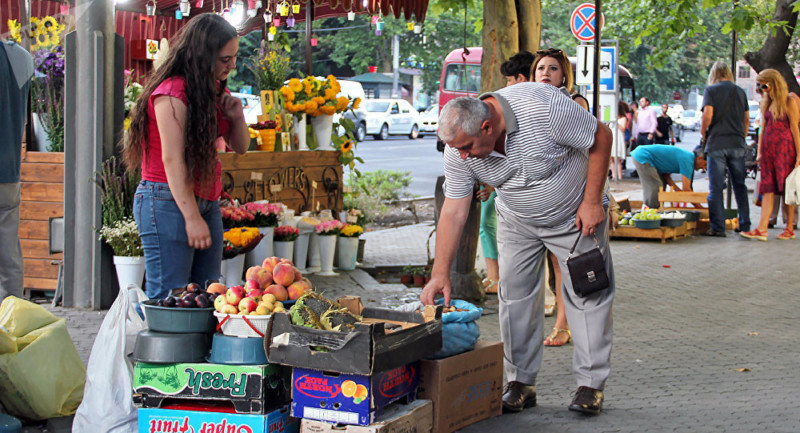
Cases where funds must be repaid
Funds reimbursed to the employer are subject to repayment by the beneficiary in the following cases:
- if they provided false information,
- failed to notify the regional centre of changes to previously submitted data,
- breached the relevant contractual obligations, or
- terminated the employment contract before the end of the programme-specified period.
In the first direction of the programme (training and employment), grounds for repayment may include, for example, three unexcused absences from training sessions.

Armenia’s pilot employment programme for low-income
European Parliament’s resolution on Georgian media
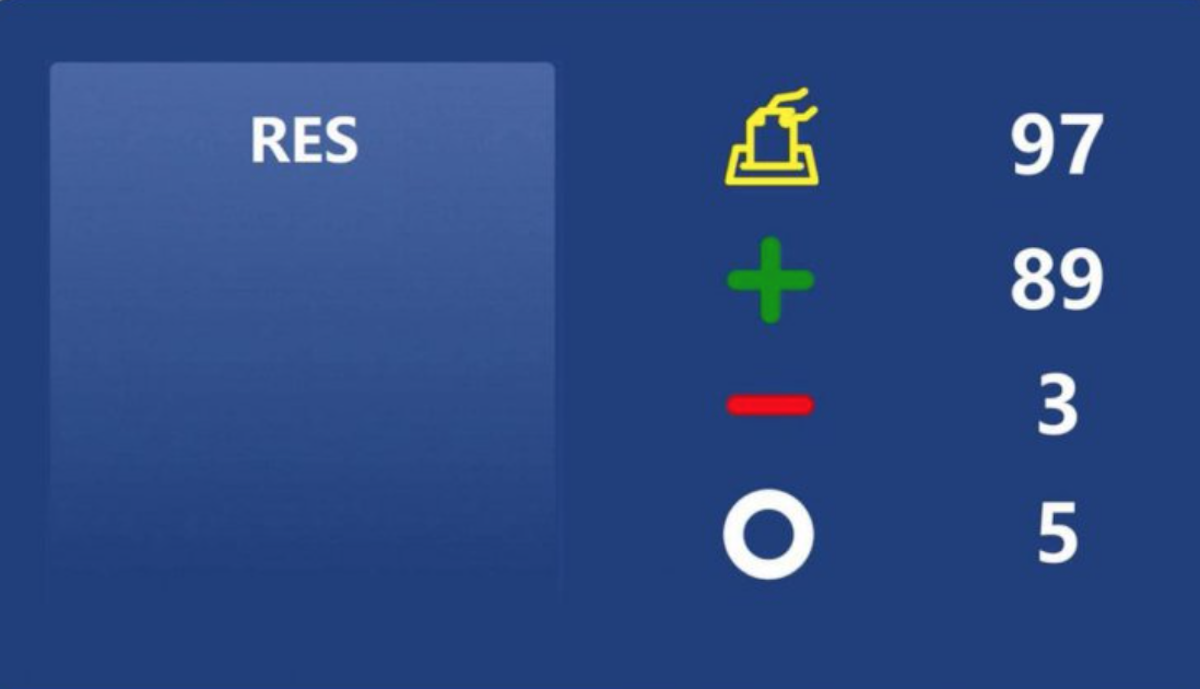
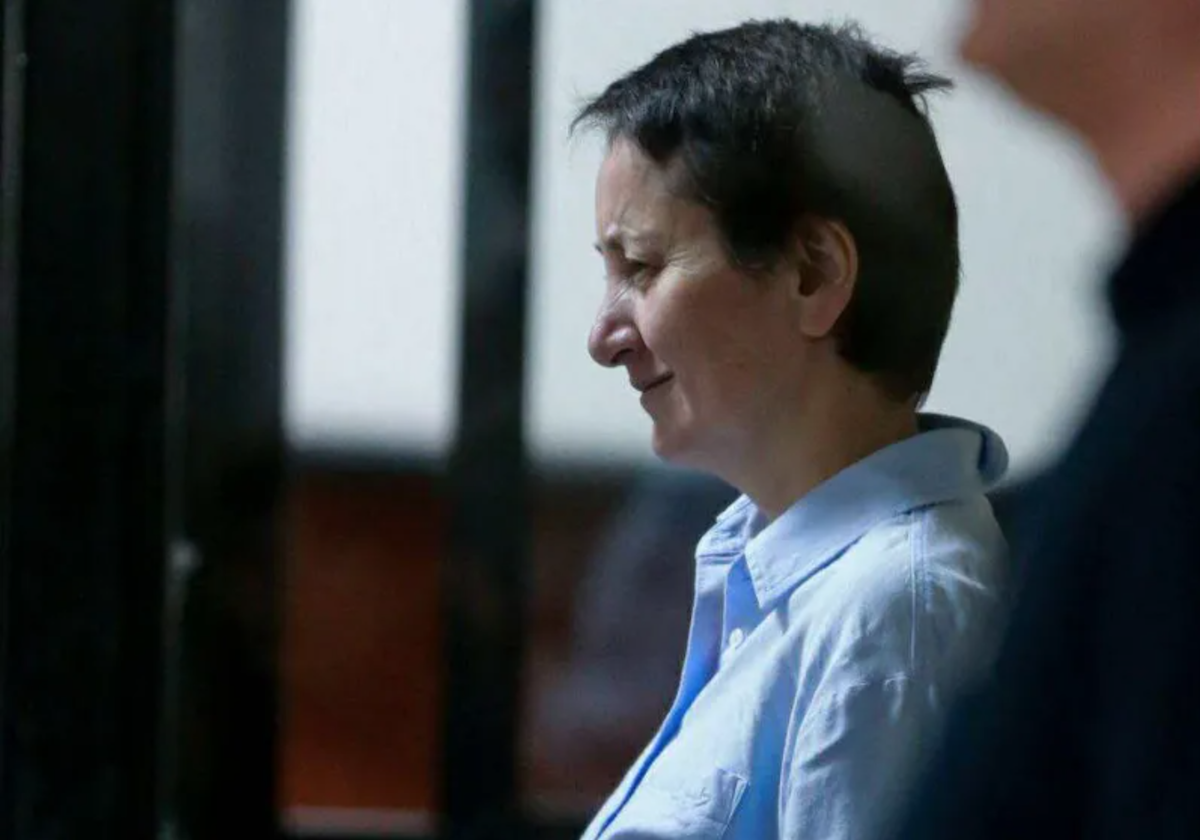
The European Parliament passes resolution: “Media Freedom in Georgia, in particular the case of Mzia Amaghlobeli” — 324 MEPs voted in favour, 25 against, and 87 abstained.
The resolution calls on the Georgian government to release all political prisoners and unlawfully detained individuals, and to repeal all repressive laws.
It also condemns the politically motivated arrest of journalist Mzia Amaghlobeli and urges the authorities to release her immediately and drop all charges.
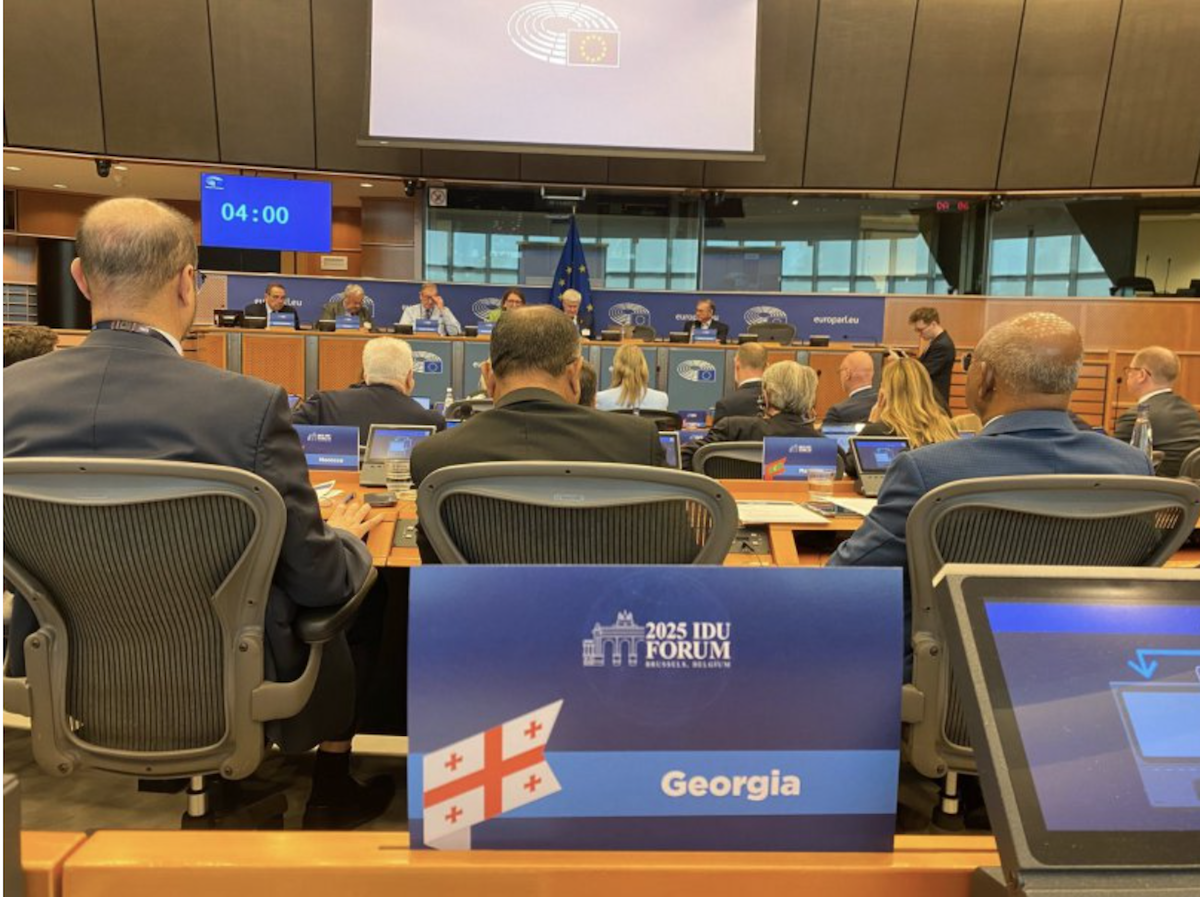
According to the resolution, the European Parliament:
- Strongly condemns the systematic attacks by Georgian Dream on democratic institutions, the political opposition, independent media, civil society and the judiciary’s independence;
- Expresses deep concern over arbitrary detentions, harassment and violence against journalists, including smear campaigns, legal intimidation, ill-treatment in custody, and gender-based violence; demands an independent investigation and urges authorities to immediately cease intimidation and ensure the safety and freedom of journalists;
- Calls on Georgian authorities to immediately release all political prisoners and other arbitrarily detained individuals, including activist Mate Dvalidze, opposition leaders Zurab Japaridze, Nika Melia and Nika Gvaramia, as well as former president Mikheil Saakashvili; also condemns the violent abduction of the husband of UNM chair Tina Bokuchava and threats reported against her children;
- Urges the immediate repeal of all repressive legislation, the restoration of democracy and full respect for media freedom and civil liberties;
- Calls on the EU to strengthen support for independent media and civil society after the FARA law takes effect, and to monitor ongoing court cases;
- Regrets the continued inaction of the Council, member states and Commission, and reiterates its call for member states to impose bilateral sanctions on the leaders and senior officials of Georgian Dream responsible for democratic backsliding;
- Voices concern over the latest wave of attacks on NGOs, with some government bodies – such as the Anti-Corruption Bureau – demanding detailed financial, legal and operational records from the past 18 months within just three working days; stresses that this demand is unrealistic and risks halting the work of targeted organisations.