Categories
South Caucasus News

British Embassy Cancels Planned Grants Citing “Uncertainty” Over New Law


The British Embassy has canceled planned grants aimed at supporting transparency and competitiveness in Georgia’s upcoming local elections, citing procedural “uncertainty” stemming from a recently amended law requiring foreign donors to obtain government approval before disbursing grants to local groups.

The Embassy said it sought approval for “several” grants to Georgian civil society for “voter education and citizen electoral monitoring,” noting that the Central Election Commission (CEC) had recognized these as “valuable activities.”

But after discussion with the authorities, “We have been told that the planned Government Decree establishing a procedure for grant approvals is not finalized, and therefore no mechanism or timeframe currently exists for grant approval decisions,” the Embassy says in a June 11 statement.

“Due to this uncertainty, we have reluctantly had to cancel our grant plans to support the transparency and competitiveness of the upcoming municipal elections.”

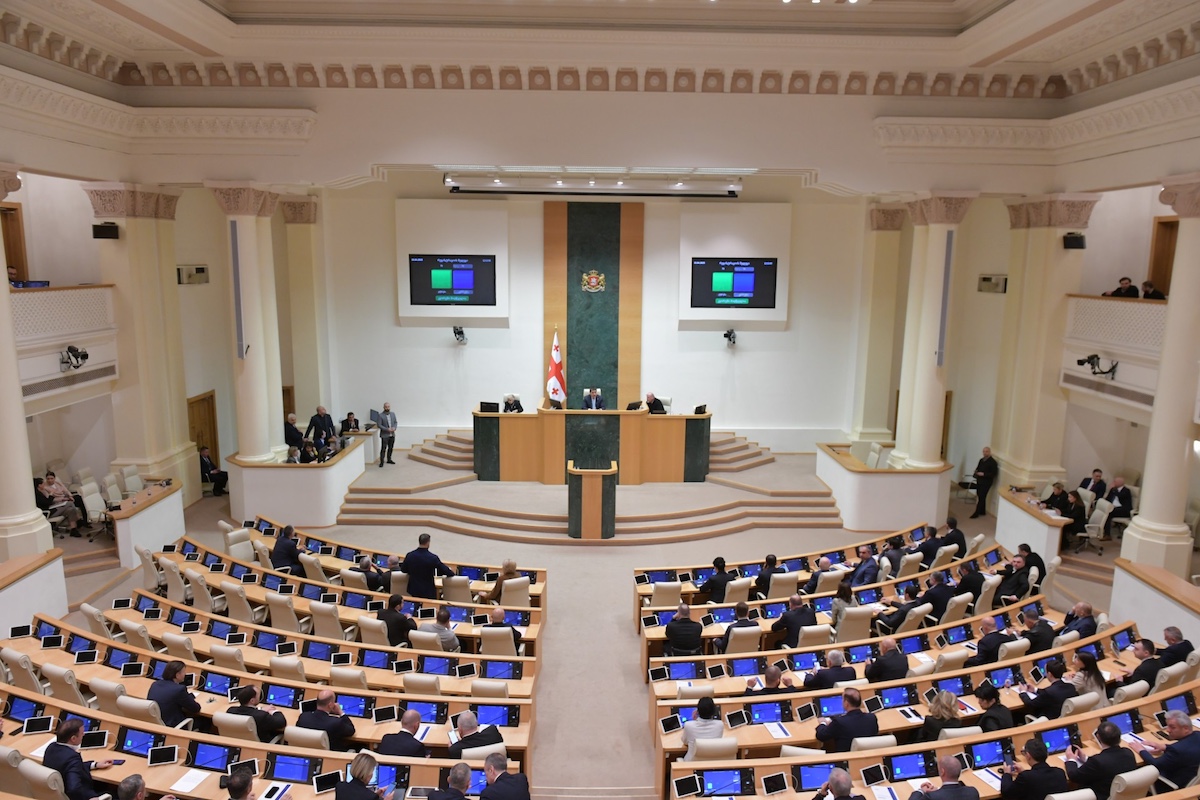
This comes amid Georgian Dream’s crackdown on civil society organizations through the two foreign agents laws and recent amendments to the Law on Grants, which made it mandatory for donors to obtain government approval before disbursing grants. GD’s one-party parliament is now further amending the law to expand the requirement to include “technical assistance” and “knowledge-sharing” under the definition of grants.

The British Embassy also regretted that the GD government has not yet invited an OSCE/ODIHR monitoring mission, “unlike the last municipal elections in Georgia,” and is “not facilitating grants for citizen election monitoring.”

“The absence of professionally trained election monitors working to internationally accepted standards would represent a backwards step that could reduce public confidence in the transparency of the democratic process in Georgia,” the statement notes.

“The United Kingdom reaffirms its readiness for dialogue on how it can support Georgia’s democratic development and regrets this missed opportunity to promote objective, professional, and transparent scrutiny of October’s municipal elections,” the statement concludes.

Regarding the upcoming local elections slated for October 4, the opposition remains split between participation and boycott, while Georgian Dream is certain to win all municipalities.

Also Read:

Categories
South Caucasus News

Azerbaijan calls for unified action to strengthen families across Turkic states


The challenges facing families amid global events can no longer be overlooked, said Bahar Muradova, Chairperson of the State Committee for Family, Women and Children’s Affairs of Azerbaijan, Azernews reports.

Categories
South Caucasus News

Форум Азербайджан – Узбекистан | Британия построит АЭС | Отчет Всемирного банка


Categories
South Caucasus News

Global halal economy expected to more than double by 2030, reaching $5 trillion


The global halal economy, valued at $2.3 trillion in 2020, is projected to grow to $5 trillion by 2030, signaling significant expansion opportunities for countries involved in this sector.

Categories
South Caucasus News

British Embassy: “We are forced to cancel planned grants due to Georgia’s new ‘Law on Grants’”


UK cancels grants in Georgia

UK cancels grants in Georgia

The British Embassy in Georgia has issued a statement announcing that, due to the “Law on Grants” initiated by Georgian Dream, planned grant offers aimed at supporting transparency and competitiveness in the upcoming municipal elections have been cancelled.

According to the embassy, grant approval procedures remain incomplete as a result of the legislative changes — a fact that Georgian Dream has communicated to the embassy.

Embassy’s statement

“The United Kingdom has tried, in good faith, to seek approval for several grants to Georgian civil society for voter education and citizen electoral monitoring, which the Central Election Commission confirmed are valuable activities.

However, after discussion with the Georgian authorities, we have been told that the planned Government Decree establishing a procedure for grant approvals is not finalised , and therefore no mechanism or timeframe currently exists for grant approval decisions.

Due to this uncertainty, we have reluctantly had to cancel our grant plans to support the transparency and competitiveness of the upcoming municipal elections.

We regret that unlike the last municipal election in Georgia, the Government has not yet invited an OSCE / ODIHR monitoring mission, and is not facilitating grants for citizen election monitoring. The absence of professionally trained election monitors working to internationally accepted standards would represent a backwards step that could reduce public confidence in the transparency of the democratic process in Georgia.

The United Kingdom reaffirms its readiness for dialogue on how it can support Georgia’s democratic development and regrets this missed opportunity to promote objective, professional and transparent scrutiny of October’s municipal elections.”

In April 2024, the Georgian parliament passed a law in expedited procedure that prohibits the issuance of foreign grants without government approval. This means that if a fund or organisation — such as the EU or the UN — wishes to support a Georgian NGO, it must first obtain official permission from the government of Irakli Kobakhidze.

On 10 June, it was revealed that amendments are being made to the “Law on Grants” adopted by Georgian Dream on 15 April. The amendments extend the restrictions: from now on, obtaining technical or expert assistance, or engaging in knowledge exchange, will also require government approval.

The changes directly affect organisations working in the fields of human rights, anti-corruption, service provision, and government accountability. For many of these organisations, continuing their work will become virtually impossible.

Experts believe that the amendments to the Law on Grants are not an isolated initiative, but part of a coordinated trend — one that has already manifested in the foreign agents law and other repressive initiatives passed by Georgian Dream in 2024.


Categories
South Caucasus News

Activist Temur Katamadze Forcibly Expelled to Turkey


Temur Katamadze (Gaffar Yılmaz), a Turkish citizen of Georgian descent, was expelled to Turkey on June 11, shortly after his voluntary departure notice expired, Georgia’s Interior Ministry confirmed in the morning, after his wife posted on social media the same night that he was taken without the chance to say goodbye.

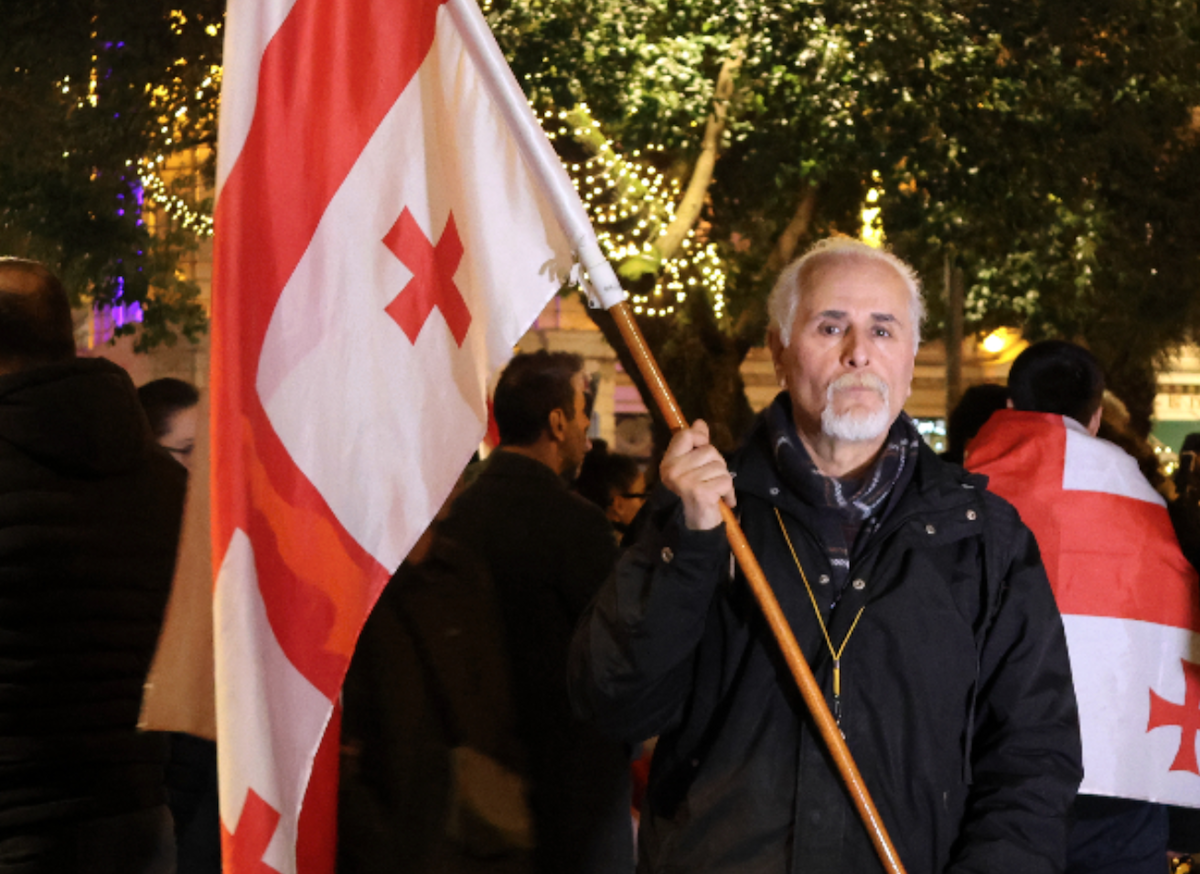
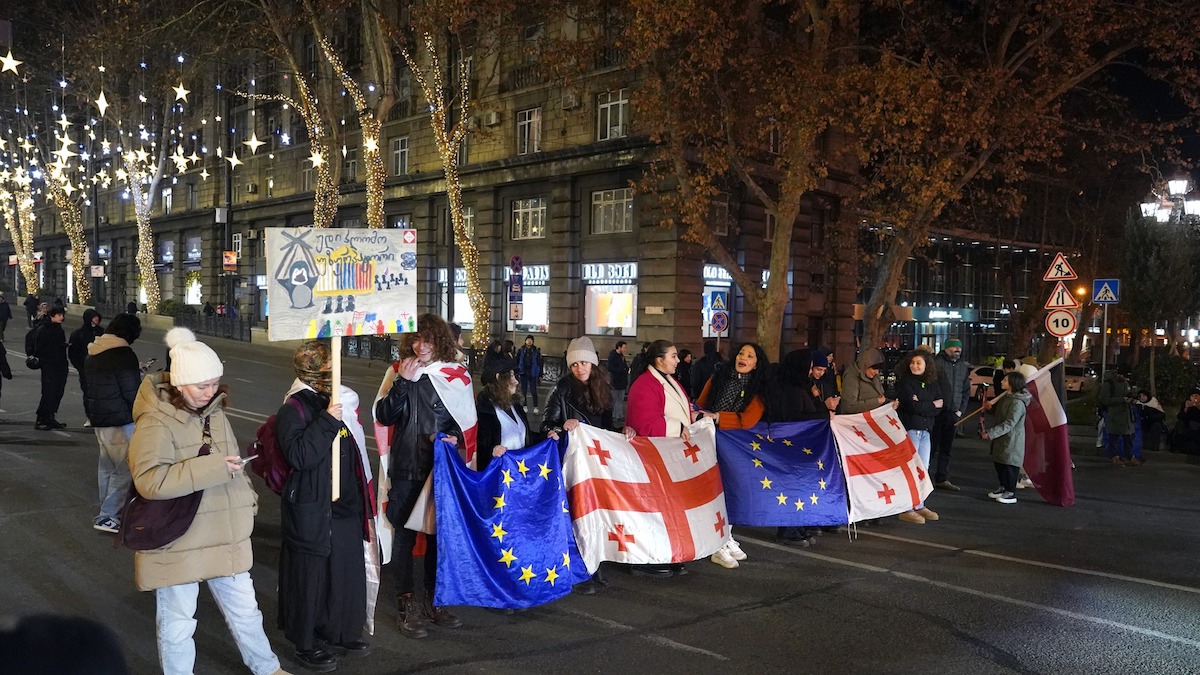
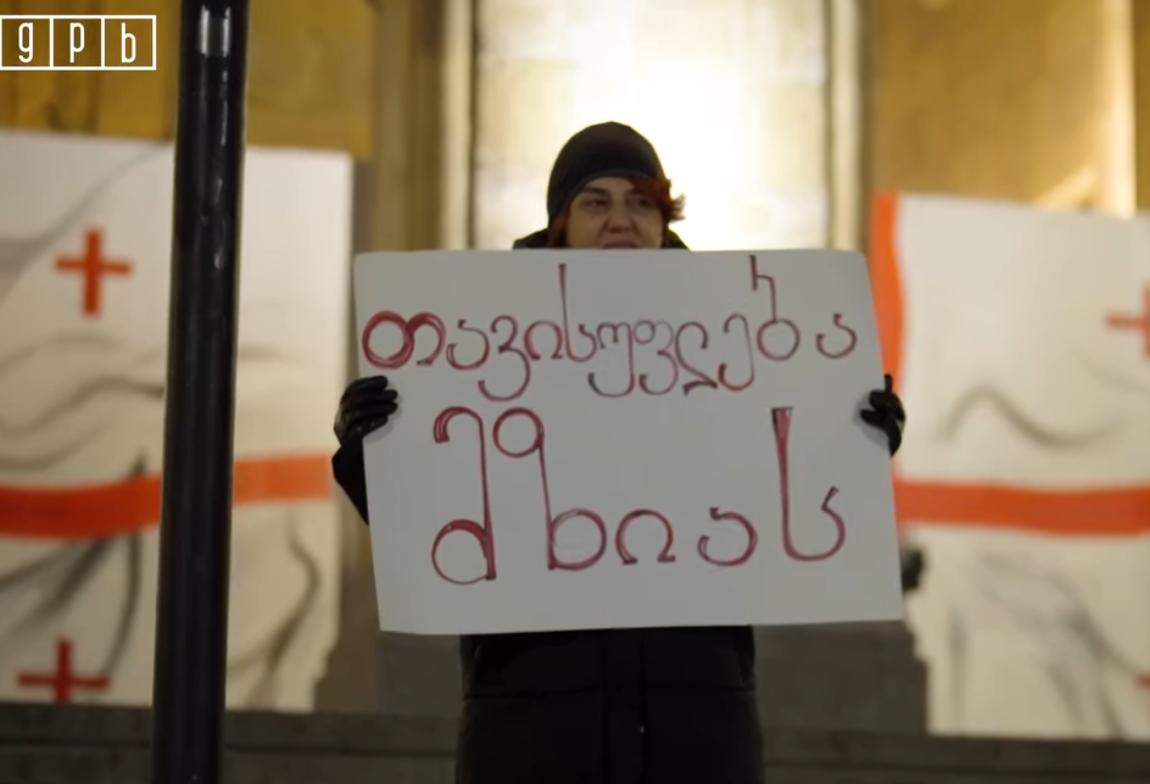
Katamadze, 56, who had lived in Georgia since 2012 and was seeking citizenship, came into the public eye during ongoing anti-government, pro-EU protests, becoming widely known as “Batumi’s flag bearer” for consistently standing with a Georgian flag at daily rallies in the coastal city. He was first arrested on January 11 for allegedly disobeying police, and again on January 16 for what officials claimed had been his illegal residence in Georgia. In detention, Katamadze spent 48 days on a hunger strike.

Deputy Georgian Dream Interior Minister Aleksandre Darakhvelidze said at a briefing that his expulsion was carried out “with force” and “in accordance with Georgian legislation,” based on the relevant court order. In April, the Tbilisi Court of Appeals denied Katamadze refugee or humanitarian status.

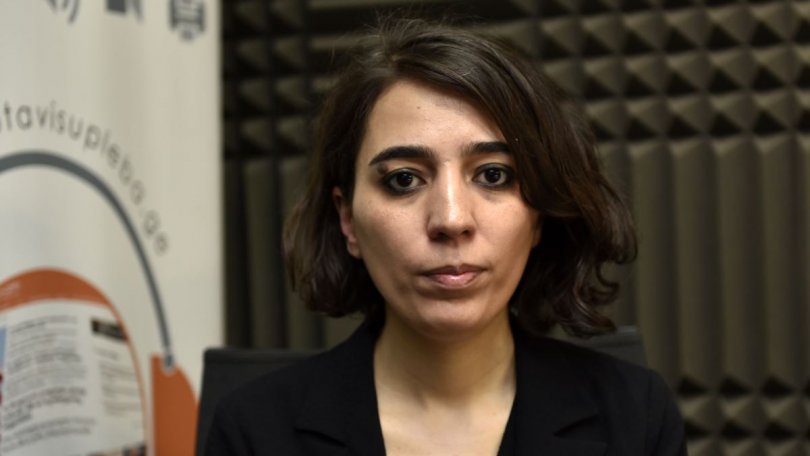
Describing the state system as “merciless,” Tamta Mikeladze of the Social Justice Center (SJC), which defends Katamadze’s interests, slammed officials for the rushed expulsion. She noted the group was awaiting a response from the UN Human Rights Committee, something she said officials were well aware of, which could have temporarily prevented the expulsion.

“But they did not give Temur Katamadze even one more day so we could exhaust all international mechanisms,” Mikeladze wrote on social media. 

At the briefing, MIA’s Darakhvelidze noted that the defense had been denied an interim measure by the European Court of Human Rights. He did not mention the pending case at the UN Human Rights Committee.

President Salome Zurabishvili slammed the authorities for rushing the expulsion of Katamadze without notifying his defense. “Georgia has completely detached itself from the constitution and state frameworks, moving into another dimension,” Zurabishvili wrote on social media.

The Social Justice Center had long warned of the risks of Katamadze’s expulsion to Turkey, saying he could face “torture and inhuman treatment, as well as arbitrary and discriminatory persecution.”

According to his lawyer, Mariam Gabroshvili, Katamadze’s activism made him a “target of the Turkish state.” His wife said Katamadze was informed in 2023 that he would face arrest upon returning to Turkey for allegedly supporting late Fethullah Gülen, a political opponent of the Turkish government. Katamadze dismissed the accusation as fabricated.

Temur Katamadze is a descendant of the Muhajirs – ethnic Georgians expelled to Turkey during the Russian invasion of Adjara in the 1870s. He has worked since the late 1990s from Turkey and, later, Georgia to promote ethnic Georgians’ access to education and information, help them obtain citizenship, and promote cultural ties between the two countries.

Georgia is tightening its immigration laws. Georgian Dream’s one-party parliament adopted a legislative package on June 10 in the second reading that would allow authorities, among other measures, to expel foreigners charged with administrative offenses and bar their reentry into the country.

Also Read:


Categories
South Caucasus News

“Batumi flag-bearer” Temur Katamadze deported from Georgia to Turkey


Temur Katamadze deported to Turkey

Temur Katamadze deported to Turkey

Turkish citizen Temur Katamadze (Gafar Yılmaz), previously detained during the Georgian protests and known as a symbol of the movement for regularly attending demonstrations with a flag, has been deported to Turkey. The information was confirmed by his wife, Nino Kakulia. Katamadze was transferred to Ardahan last night. According to Kakulia, this location—far from Sarpi—was deliberately chosen, as there were reports of a planned rally in support of Katamadze near Sarpi. She added that he will be taken to the Turkish city of Ordu, where a case has been opened against him.

According to Deputy Interior Minister Aleksandre Darakhvelidze, the deportation of Temur Katamadze was carried out “in full accordance with Georgian legislation.”

“We emphasise that his deportation was carried out in full compliance with Georgian law, based on a court ruling that has entered into legal force. This citizen’s case was reviewed by eight different court instances, and the judiciary fully upheld the position of the Interior Ministry’s Migration Department.

The defence also appealed to the European Court of Human Rights requesting interim measures, but the request was denied. Gafar Yılmaz did not take the opportunity to leave the country voluntarily, so his deportation was carried out forcibly in accordance with the requirements of Georgian legislation,” Darakhvelidze said at a briefing.

Также защита обратилась в Европейский суд по правам человека с ходатайством о принятии временной меры, однако оно было отклонено. Гафар Йылмаз не воспользовался возможностью добровольно покинуть страну, поэтому его выдворение было осуществлено принудительно в соответствии с требованиями грузинского законодательства», — сказал Дарахвелидзе на брифинге.

Tamta Mikeladze, head of the Social Justice Centre

Tamta Mikeladze, head of the Social Justice Centre:

“Deputy Interior Minister Aleksandre Darakhvelidze has just held a briefing and confirmed that Georgia forcibly deported Temur Katamadze. According to the protocol, he gave his Turkish name and surname — Gafar Yılmaz.

In other words, the Interior Ministry admitted it did not hesitate for a moment and immediately expelled Katamadze from Georgia, without giving him the chance to inform either his wife or us about what was happening.

They knew perfectly well that after Strasbourg we had also appealed to the UN Human Rights Committee, yet they didn’t grant Temur Katamadze a single extra day to fully exhaust international legal mechanisms. Ruthlessness — that, to me, is the word that best describes this system.”

Who is Temur Katamadze?

Temur Katamadze (Gafar Yılmaz) is a 56-year-old descendant of muhajirs who had been fighting for refugee status in Georgia. He was previously denied Georgian citizenship three times.

Katamadze was born in Turkey in 1968 and says he is a fourth-generation muhajir. In the late 1870s, his ancestors were forcibly relocated to the Ottoman Empire from Adjara during Russian rule.

A passionate admirer of the Georgian language, history, and culture, Katamadze — often seen wearing traditional Georgian clothing — was well known in Georgia even before his arrest. He earned the nickname “the Batumi flag-bearer” for always standing at protests against the foreign agents law and the suspension of EU integration, holding the Georgian flag.

Born in Istanbul, Katamadze first travelled to Georgia in 1991, only to discover that the Georgian he had learned in Turkey differed from the modern language. Using textbooks and materials he had brought from Georgia, he worked to improve his skills. Over the years, he embarked on a difficult journey to obtain Georgian citizenship — but all attempts were unsuccessful.

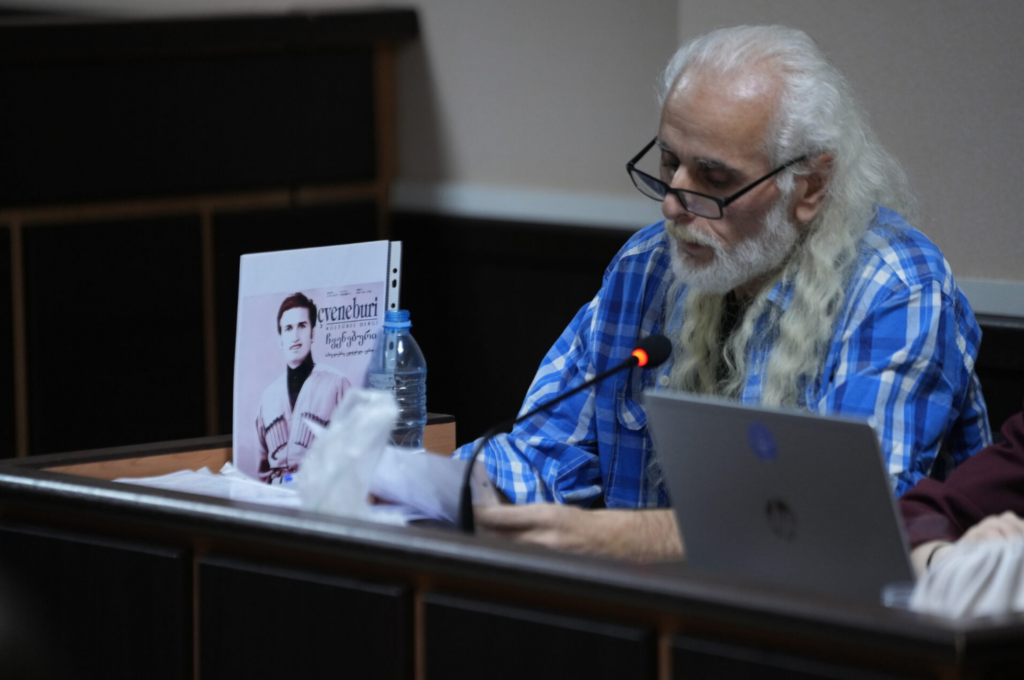
Temur Katamadze in court

The Georgian police arrested Temur Katamadze on two occasions: the first on 11 January during a rally outside the Batumi police headquarters, and the second on 17 January, the day he was released from custody. In a letter sent to the independent outlet Batumelebi, Katamadze, who described himself as a political prisoner, wrote that he had been physically assaulted during his arrest by police chief Irakli Dgebuadze and ten other officers.

“For 13 years of living in Georgia, I have repeatedly suffered under the Ivanishvili regime and, finally, as the ‘flag-bearer’ of the Batumi protests, I became a victim of political repression by this regime. In my view, the initial unlawful detention during the Batumi protest, followed by a second arrest aimed at deporting me, were politically motivated acts ordered by Georgian Dream — meant to punish me for years of fighting for citizenship and for my oppositional political views,” Katamadze wrote from prison.


Categories
South Caucasus News

Ukrainian fighter jet bombs building in Kursk storing valuable Russian combat systems and manpower


Categories
South Caucasus News

Москва требует от Баку признать российскими оккупированные территории Украины?!


Categories
South Caucasus News

Azerbaijan notes rise in cyber threats against state institutions in past five months


In January–May 2025, Azerbaijan’s Special Communication and Information Security State Service identified 453 indicators of compromise (IOCs) targeting government institutions—a 24% increase compared to the same period last year.