
Ukrainian President Volodymyr Zelenskyy hailed a new US-Ukraine mineral resources agreement as a “win-win” that could help secure vital air defense systems and deepen strategic ties, following talks with US President Donald Trump, Azernews reports, citing Yeni Safak.
Day: May 5, 2025
Categories
The Daily Beat: 4 May
On May 1, Russia launched direct, regular flights to the occupied Abkhazia, drawing condemnation from Tbilisi for violating international norms and Georgian law. According to the Russian news agency RIA Novosti, UVT Aero operated the first flight from Moscow’s Vnukovo Airport to Sokhumi, two days ahead of schedule, “due to high demand.”
The EU also issued a statement, deploring Russia’s unilateral decision to launch regular commercial passenger flights to Sukhumi. “This action, taken without the consent of the Georgian authorities and in the absence of a necessary international aviation code for the Sukhumi airport, is yet another step by the Russian Federation violating Georgia’s sovereignty and territorial integrity,” reads the statement.
The Georgian Dream government has requested information on 440 users or accounts from Meta since 2020, with the highest number of requests (47 for 149 users) occurring in the first half of 2023. This reflects an increasing trend in requests over the years.
The head of the Georgian Dream government administration, Levan Zhorzholiani, met with representatives of UN agencies operating in Georgia and outlined the GD government’s strategic priorities for the upcoming 2026–2030 cooperation framework with the United Nations. “Two directions are of great importance to us: the work of the UN in the occupied territories and economic growth, which should be green and inclusive,” Zhorzholiani commented following the meeting.
Georgia’s press freedom ranking has dropped from 103rd to 114th in the 2025 World Press Freedom Index by Reporters Without Borders (RSF) as of May 2. Jeanne Cavelier of RSF noted rising violence against journalists and the imprisonment of Mzia Amaghlobeli, highlighting harsh treatment due to her profession. RSF also criticized the increasing political control over the Georgian Public Broadcaster, which now serves as a mouthpiece for the ruling party.
On World Press Freedom Day, Transparency International Georgia expressed concerns about a growing trend of repression against journalists by the ruling Georgian Dream party. The organization highlighted the increasing misuse of law enforcement and the judiciary as significant threats to media freedom. According to their report, 40% of the 85 documented violations against journalists in 2025 (33 cases) involved unlawful detentions and disproportionate fines.
The Georgian Young Lawyers’ Association (GYLA), a local human rights watchdog, has criticized the Interior Ministry for refusing to disclose the chemical substances used to disperse protests in late 2024 that erupted after the ruling Georgian Dream government announced its decision to abandon the country’s path toward EU accession.
The Social Justice Center submitted amicus curiae briefs in the criminal cases of 11 individuals charged with organizing and participating in group violence during pro-EU rallies from November 28 to December 8 and calls on the Tbilisi City Court to critically assess the intent behind the defendants’ actions, the adequacy of the prosecution’s evidence, and the potential political motivations underlying the charges.
The Data of the Day
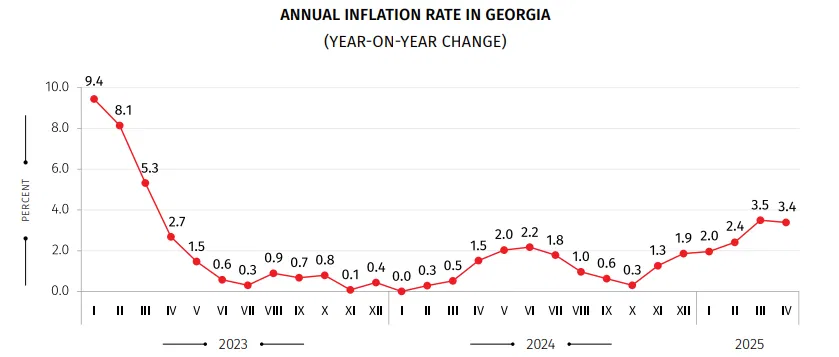
The National Statistics Service (Geostat) suggests that Georgia’s annual inflation rate in April was 3.4%, prompting a price increase of 0.2% compared to the previous month. According to Geostat, the annual inflation rate was primarily driven by price increases in the following groups: health (9.2%), food and non-alcoholic beverages (7%), and miscellaneous goods and services (6.1%).
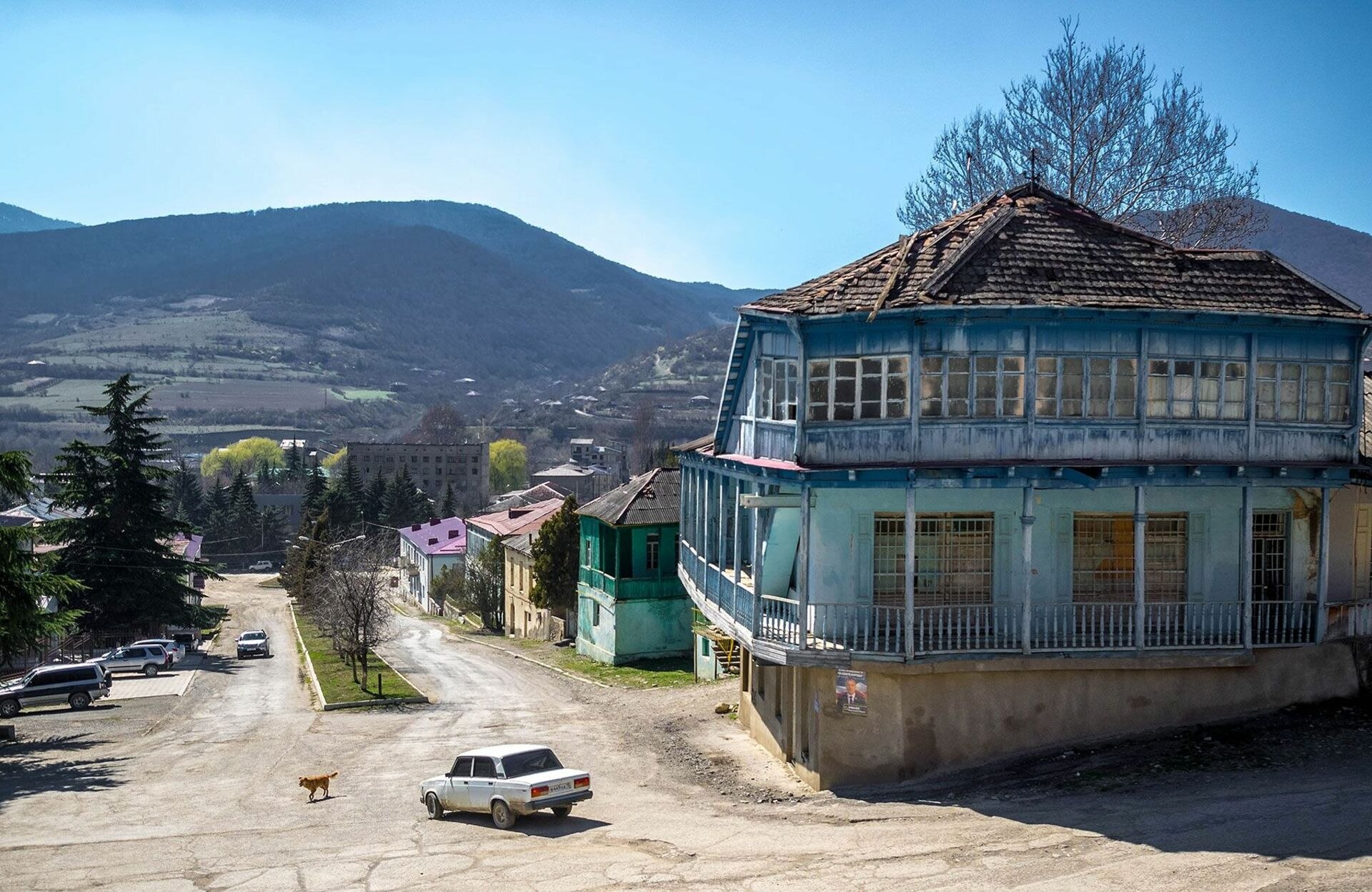
Spy network in South Ossetia
The security services of South Ossetia claim to have uncovered a spy network that was collecting classified information and passing it to Georgia.
But the news was met with indifference by local residents.
People are far more concerned with everyday hardships and rising crime than with alleged Georgian spies.
Equation with six unknowns
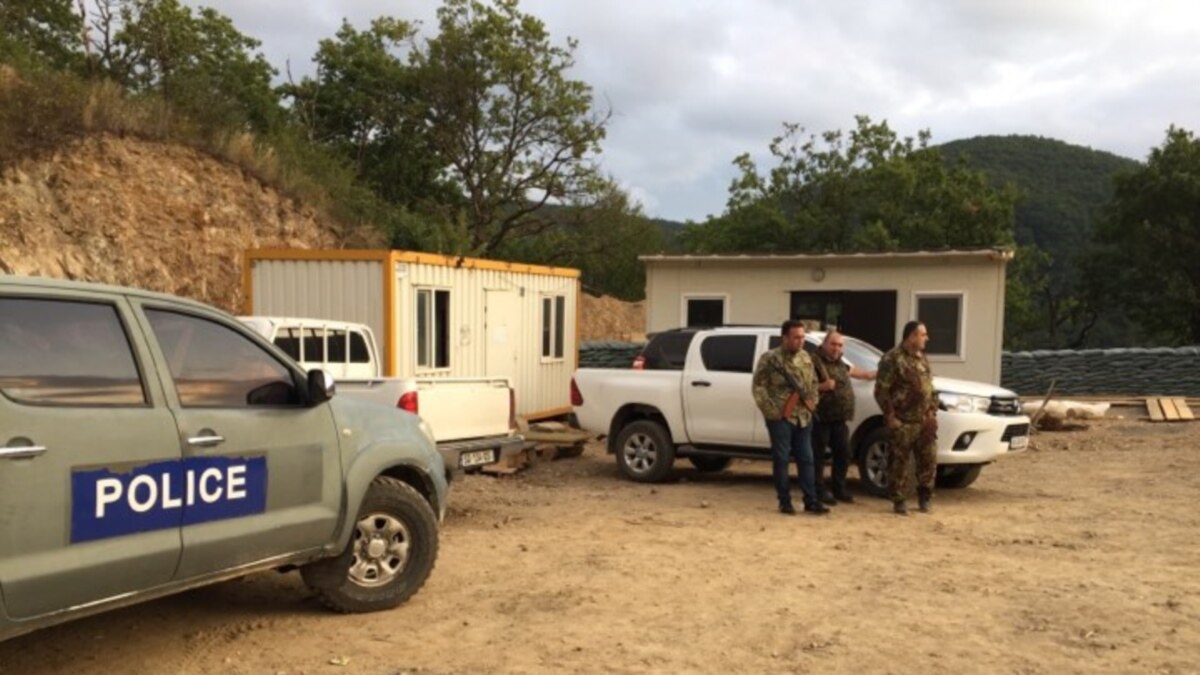
At the end of April, South Ossetia’s KGB issued a statement saying that, “in cooperation with Russia’s Federal Security Service, the activities of a South Ossetian citizen, born in 1974, suspected of passing classified information to Georgian intelligence services, have been thwarted.”
“Operational and investigative measures revealed that a resident of the Dzau district, employed at a state enterprise, maintained stable contacts with representatives of Georgia’s State Security Service. He allegedly passed on information about the deployment of Russian military units stationed in South Ossetia, their dispatch to the zone of the special military operation, as well as details on the internal political situation in South Ossetia,” the statement read.
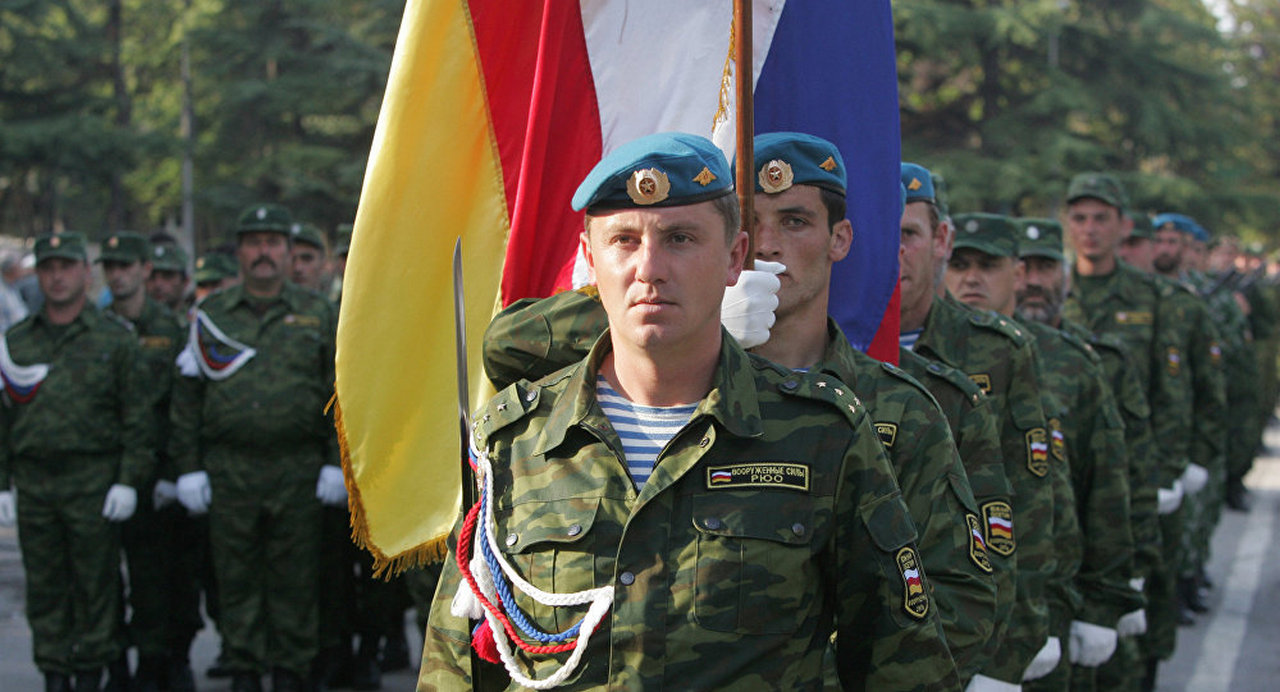
The suspect — whose name has not been disclosed — was arrested and charged with treason. According to the KGB, he has confessed and is “actively cooperating with the investigation.”
In addition, South Ossetian security services claim to have identified five more citizens who shared “non-classified information about the socio-political situation” with the Georgian side. They were issued “official warnings.”
Meanwhile, in Tskhinval — a town where everyone knows each other and the surrounding residents — no one seems to have any idea who these alleged spies are. And that in itself is striking.
“Absolutely nothing is known. Not even the suspect’s initials,” locals told us with a shrug.
In truth, few people seem to care.
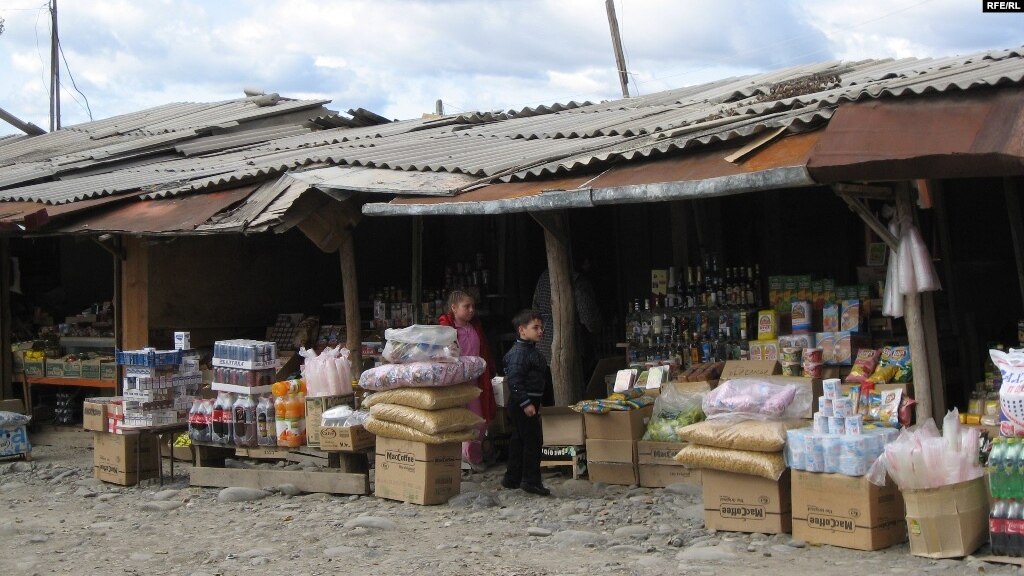
It used to be louder
Just a few years ago, similar arrests sparked major public interest and were widely discussed. This was the case in 2019, for example, when the South Ossetian KGB arrested prominent official Sergey Lipin and his wife Nanuli Chukhuladze, who allegedly “confessed to passing military, political, and economic information to Georgian intelligence services, to the detriment of the republic’s security.”
As part of the same criminal case, two more individuals were detained — the brothers Khristofor and Georgiy Tedeev, owners of a computer service centre. According to investigators, they maintained and repaired official computers for many government bodies and “had access to state secrets.”
That case likely stirred public reaction because Lipin had held senior positions for many years, and almost everyone in Tskhinval had used the Tedeev brothers’ services. Many residents personally knew those arrested, and the news came as a shock. Incidentally, the Tedeevs denied all charges, refused to cooperate with investigators, and were eventually released.
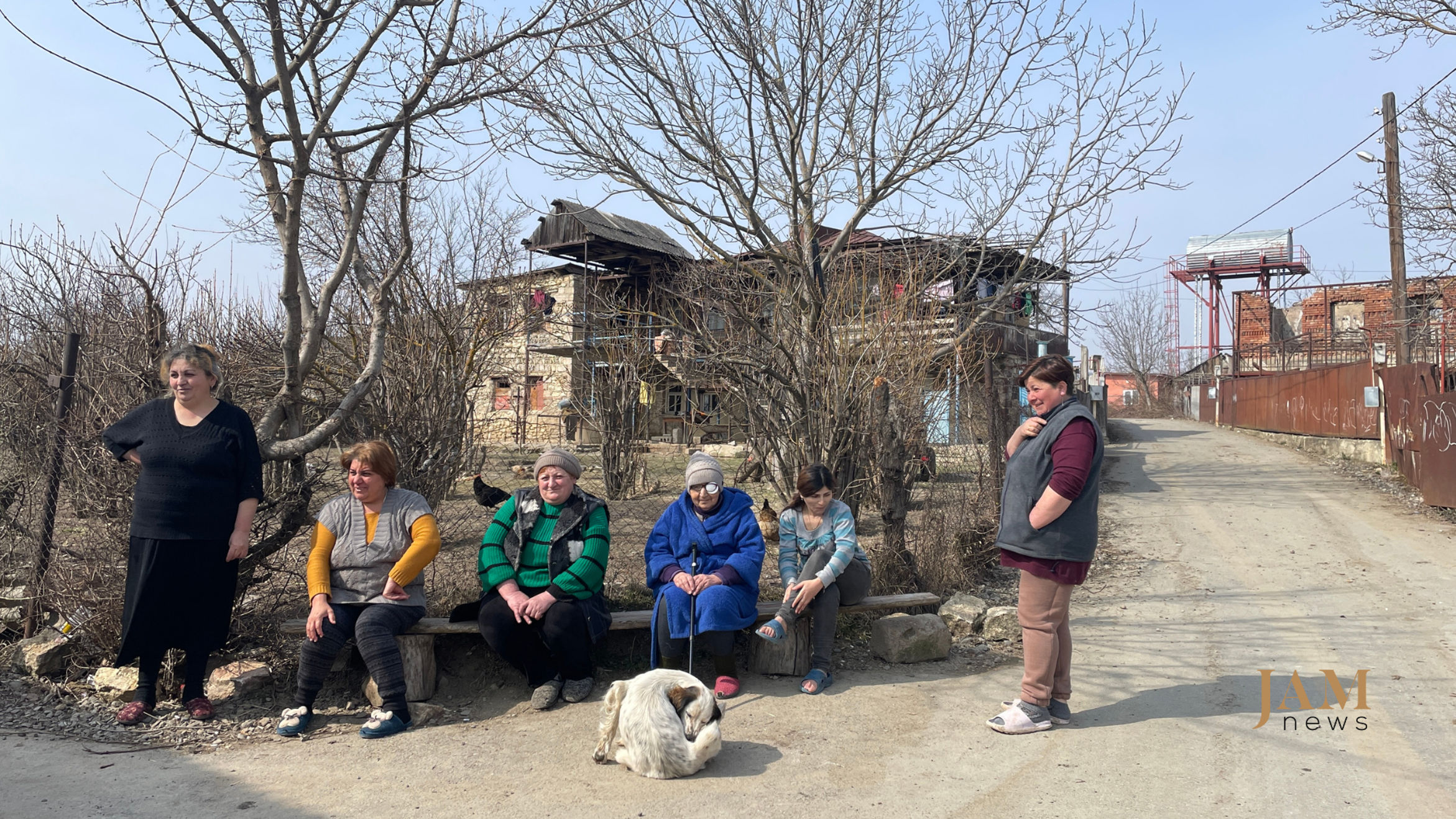
Fatigue and distrust
The current “spy scandal” has largely been met with indifference.
Some of the Tskhinval residents we spoke to explained this by saying that people are simply worn out — by lawlessness, a surge in crime, and disappointment with those in power. They no longer have the energy to get outraged over the schemes of unknown spies.
One respondent even suggested the whole thing was fabricated by the authorities:
I think this spy story is just a distraction from real problems. That’s why they invent agents.
A former law enforcement officer also expressed scepticism. In his view, it’s hard to believe such a case in today’s world: Georgian or any other intelligence services no longer need spies to locate troop positions — satellite technology does the job just fine.
Toponyms, terminology, views and opinions expressed by the author are theirs alone and do not necessarily reflect the views and opinions of JAMnews or any employees thereof. JAMnews reserves the right to delete comments it considers to be offensive, inflammatory, threatening or otherwise unacceptable.
The intersection of climate change and agriculture is one of the most pressing global challenges of the 21st century. This issue holds particular urgency for countries like Azerbaijan, where the agricultural sector remains a key pillar of the economy and rural livelihood. As the planet warms, unpredictable weather patterns, water scarcity, and land degradation are increasingly jeopardizing agricultural productivity and food security.