
Day: December 12, 2024

Armenia-France military cooperation deepens
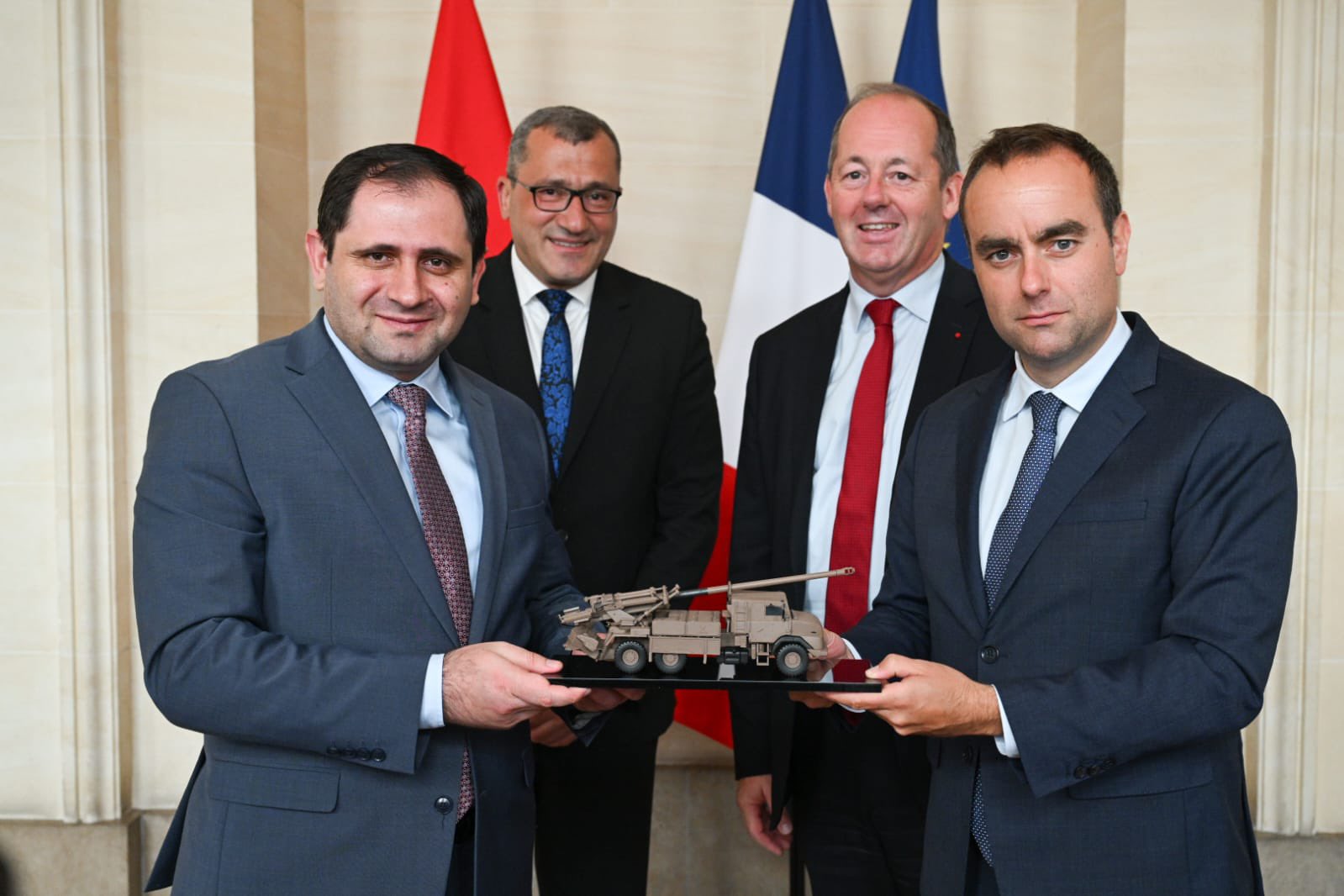
Yerevan hosted the signing of a defence cooperation programme between Armenia and France for 2025. According to Armenia’s Ministry of Defence, the programme includes “dozens of activities across nearly all areas of the armed forces’ operations.”
The official statement highlighted that during Armenian-French strategic consultations, particular attention was given to cooperation in defence planning, military education and exercises, advisory support, training of various troop types, and other areas of military-technical collaboration.
Political analyst Lilit Dallakyan, commenting to JAMnews on the agreement, emphasised that acquiring weapons alone is insufficient without modernising the army:
“In Armenia, announcements about transforming the defence system and military education are not taken seriously. There’s little recognition that possessing advanced weaponry is futile without personnel trained to use it.”
In June 2024, it was reported that Yerevan and Paris were expanding their established military-technical cooperation. French Armed Forces Minister Sébastien Lecornu noted that this included the delivery of Caesar howitzers.
In October 2023, Armenia and France signed a military cooperation agreement, under which France committed to supplying Armenia with “weapons to protect its civilian population and secure its borders,” including GM 200 radar systems and Mistral short-range missiles.
By February 2024, the first batch of defensive equipment had been delivered to Armenia, according to France’s Armed Forces Minister. Le Figaro reported this included three radars capable of detecting aircraft at distances of up to 250 km and night-vision binoculars. Lecornu also stated that, if necessary, France would provide Armenia with anti-aircraft missiles.
- “Armenia isn’t militarizing but raising cost of attacking it”: opinion
- Russia says door open for Armenia’s return to CSTO
- “France’s path to Armenia runs through Georgia.” Opinion from Yerevan
- France’s foreign minister: “Military cooperation with Armenia aims for stability, not escalation”
“Parties set higher standard for cooperation”
The Armenian Ministry of Defence has not clarified what the “higher standard of cooperation” entails. It is only known that “strategic consultations” took place, led by Levon Ayvazyan, head of Armenia’s Department of Defence Policy and International Cooperation, and Alexandre Escorcia, a representative of France’s Directorate for International Cooperation and Strategy.
The Armenian Defence Ministry also reported that the Armed Forces command is satisfied with the level of interaction with French partners and is committed to expanding cooperation:
“Priorities for reforms in Armenia’s armed forces and the progress of cooperation with France within these reforms were discussed.”
In June this year, Armenian Defence Minister Suren Papikyan met in Paris with representatives of several defence industry companies. Contracts were reportedly signed, but no details were disclosed.
By September, a delegation from the Vazgen Sargsyan Military Academy visited France’s Saint-Cyr Military Academy. Agreements were reached on cadet exchanges and the modernisation of educational programmes.
Political analyst Lilit Dallakyan
Political analyst Lilit Dallakyan views any step towards deepening cooperation with Western partners positively.
“Strengthening ties with our natural allies is crucial, especially in the current complex and fragile geopolitical situation following events in Syria. No one can predict how the Syrian crisis will end.”
Dallakyan believes that alongside acquiring weaponry, it is essential to train officers and military personnel and align the armed forces with NATO standards:
“We face a significant challenge in modernising the army. I consider this just as important as purchasing weapons. It’s also necessary to know how to use them.”
The analyst highlights a key issue with Armenia’s air defence system, which is managed jointly with Russia. She questions whether new air defence systems can be operated independently without Russian involvement:
“Many military experts argue that there have already been instances where Russia failed to fulfil its commitments to ensure Armenia’s air defence.”
Lilit Dallakyan is convinced that Russian involvement in Armenia’s defence system must be minimised.
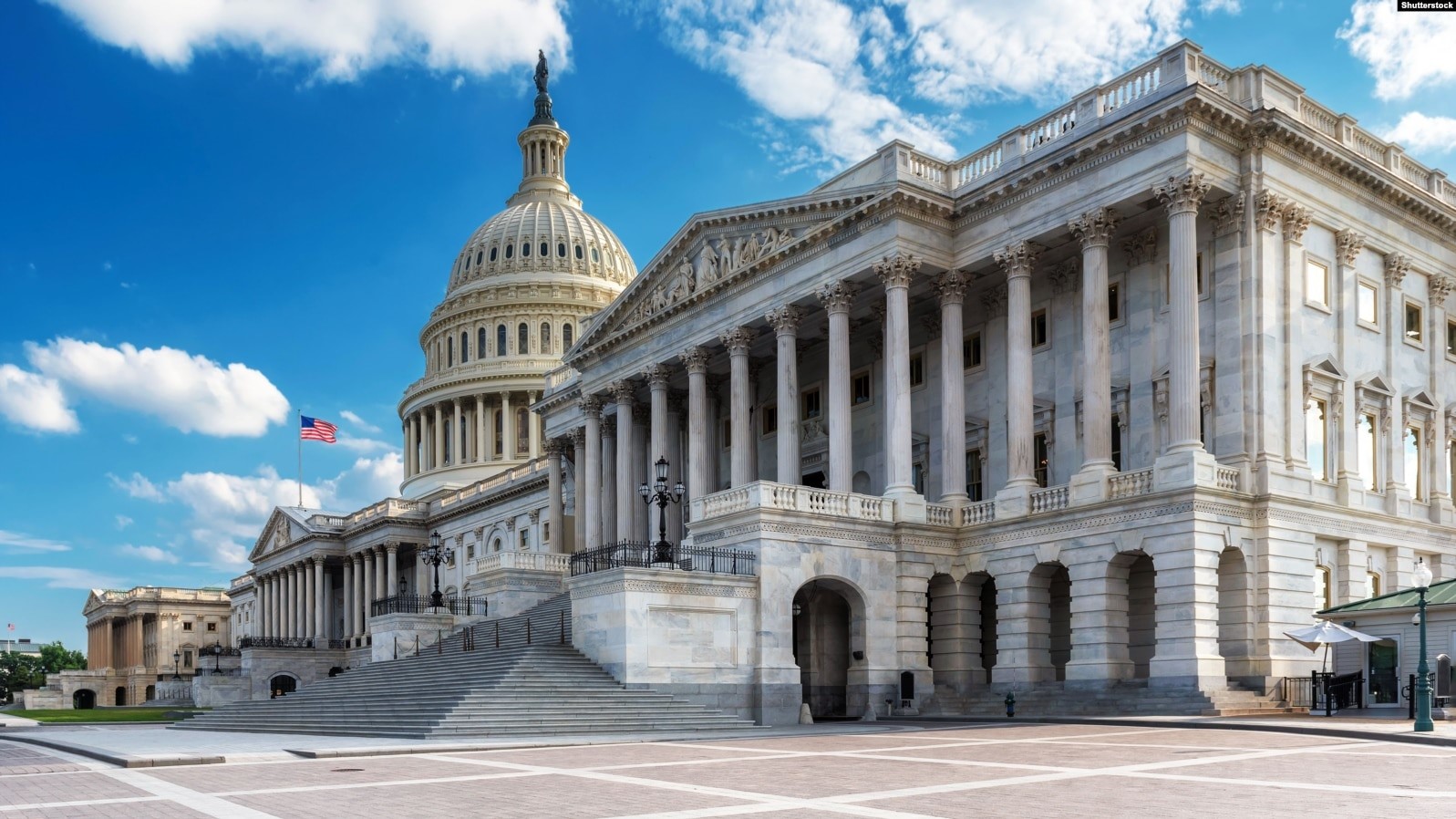
Armenian-American and Armenian-French Defence Cooperation Should Be Seen as a Single Package, Expert Suggests
The expert notes that the sale of weapons by Western partners to Armenia, a member of the Russian-led CSTO military bloc, was previously deemed impossible. However, she believes this occurred with U.S. approval:
“Without U.S. consent, France would not have taken such a step.”
In early December, a delegation led by Armenian Defence Minister Suren Papikyan visited the United States. U.S. Defence Secretary Lloyd Austin called Papikyan’s visit “historic” and reaffirmed the U.S.’s readiness to continue supporting reforms in Armenia’s armed forces. The discussions reportedly covered not only bilateral Armenia-U.S. cooperation but also international and regional security issues.
At the same time, the expert observes signs that Europe may seek to independently develop its defence system following Donald Trump’s return to power:
“France, England, Germany, and Poland are actively discussing strengthening their armies, which is beneficial for us. We will not depend on a single partner and can sign bilateral agreements with several European countries, similar to Ukraine.”
According to Lilit Dallakyan, these countries are likely to agree to mutually beneficial cooperation with Yerevan, as “Armenia has already overcome the stereotype of being a strategic ally of Russia.”
However, the expert warns that Armenia’s CSTO membership could hinder the acquisition of offensive weapons. At the same time, Dallakyan stresses the importance of mitigating risks before leaving the Russian-led bloc, advocating for the establishment of “safety cushions” beforehand.
Anthony Blinken: “She returned knowing that she might be arrested on arrival.”
The U.S. Department of State awarded Sevinj Vagifgizi, the editor-in-chief of AbzasMedia, with the “Champions of Combating Corruption” award.
Sevinj is known for her work on corruption investigations, and she is currently imprisoned.
In his speech, U.S. Secretary of State Antony Blinken highlighted Sevinj’s devotion over the past decade in exposing government abuses.
“She is also the one awardee who is not with us this afternoon. In November 2023, Sevinj flew home from an overseas country amid a crackdown on Azerbaijani independent media. She returned knowing that she might be arrested on arrival. She was. Now, more than a year later, she remains in detention. Prior to her arrest Sevinj wrote and I quote, ‘I don’t feel fear anymore. I know what they can do. It does not stop me. It is more important to be useful to the people. People need us’”
-Antony Blinken
Blinken also expressed gratitude to the ten anti-corruption champions for their courage. He said it was an honor to partner with them in this fight. The Department of State created the “Champions of Combating Corruption” award in 2021 to recognize individuals who have made significant progress in fighting corruption and to show the U.S. government’s solidarity with them.
This year’s award recipients include journalists, human rights defenders, judges, and even government officials who have facilitated major institutional changes. Other awardees include Jorge Mora Cortes from Colombia, Matrika Daxal from Nepal, Altin Dumani from Albania, Srbukhy Galyan from Armenia, Carl Irani from Lebanon, Marr Nyang from Gambia, Javier Enrique Caraballo Salazar from Panama, Didar Smagulov from Kazakhstan, and Jimmy Spyre Ssentongo from Uganda. Blinken emphasized that each recipient made a difficult decision to help their own citizens and all the people around the world, and their dedication, along with those of others, we are in a better place now.
AbzasMedia, the organization behind Sevinj’s work, has also faced significant challenges. Six of its employees, including the general manager Ulvi Hasanlı, assistant Muhammad Kekalov, editor Sevinj Vagifgiz, reporters Nargiz Absalamova and Elnara Gasimova, and investigative journalist Hafız Babali, have been arrested. These individuals are facing charges of smuggling, with some detained since November 2023.
On May 31, 2024, journalist and economist Farid Mehralizade from the “Azadlig” radio station was arrested, and a search was conducted at his home. He was accused under Article 206.3.2 of the Penal Code, which concerns smuggling by a group of individuals who had previously made secret agreements. The Khatai District Court decided to detain him for security reasons. On the same day, AbzasMedia issued a statement declaring that Mehralizade had no connection to the media organization.
Following this, each of the detainees in the AbzasMedia case was faced with additional serious charges related to financial matters. Since November 2023, nearly 20 journalists and social activists have been arrested in Azerbaijan on smuggling charges. None of these individuals have been charged based on their professional activities or political affiliations.
According to local human rights organizations, there are currently around 300 political prisoners in Azerbaijani prisons. Authorities typically assert that no one has been detained solely for political reasons related to their professional activities. However, both local and international human rights organizations believe these arrests are politically motivated, and they are calling for the release of the detainees and the withdrawal of the charges against them.
The post Sevinj Vagifgizi honored as anti-corruption champion appeared first on MEYDAN.TV.