Month: October 2024

Armenia’s military spending in 2025
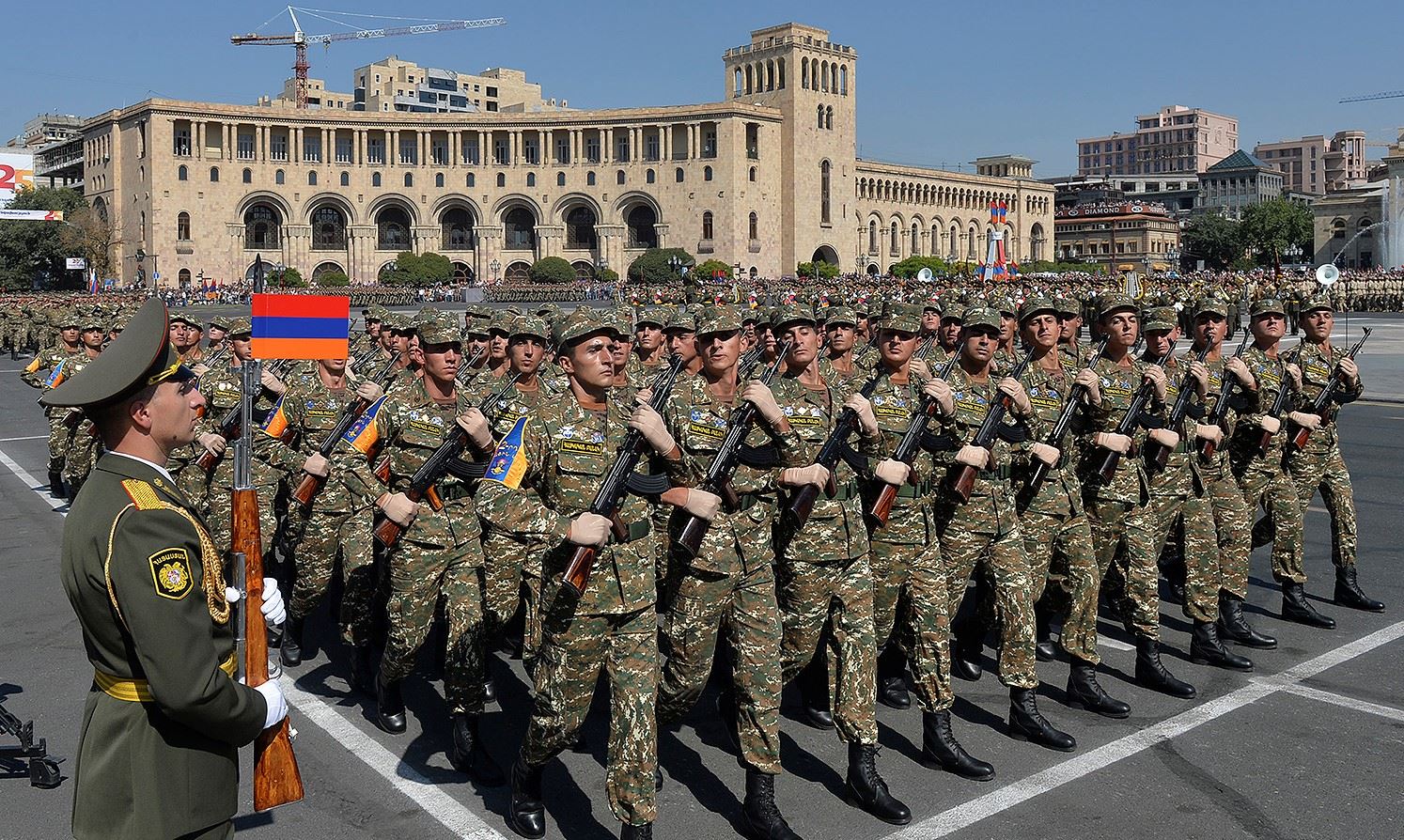
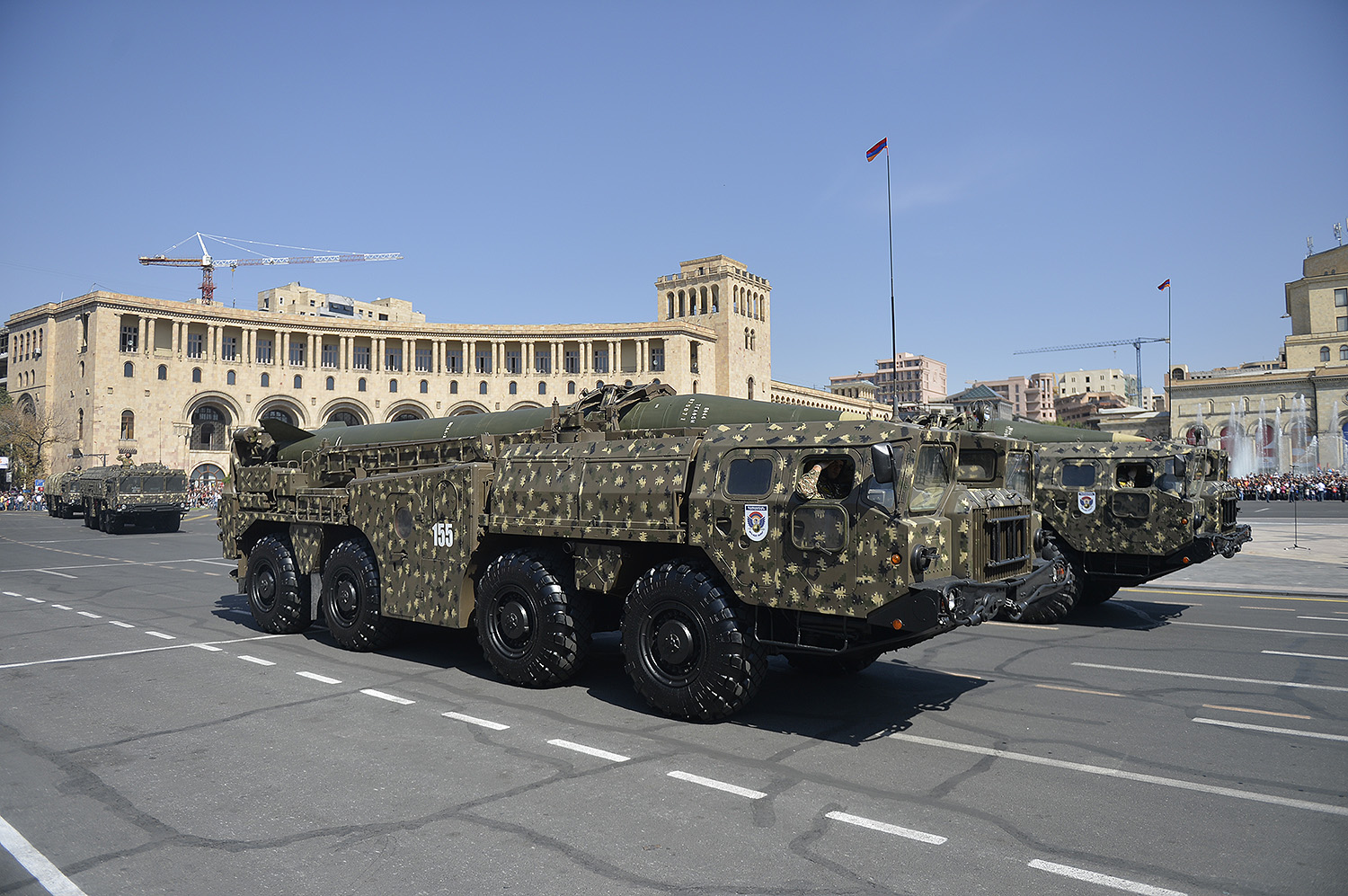
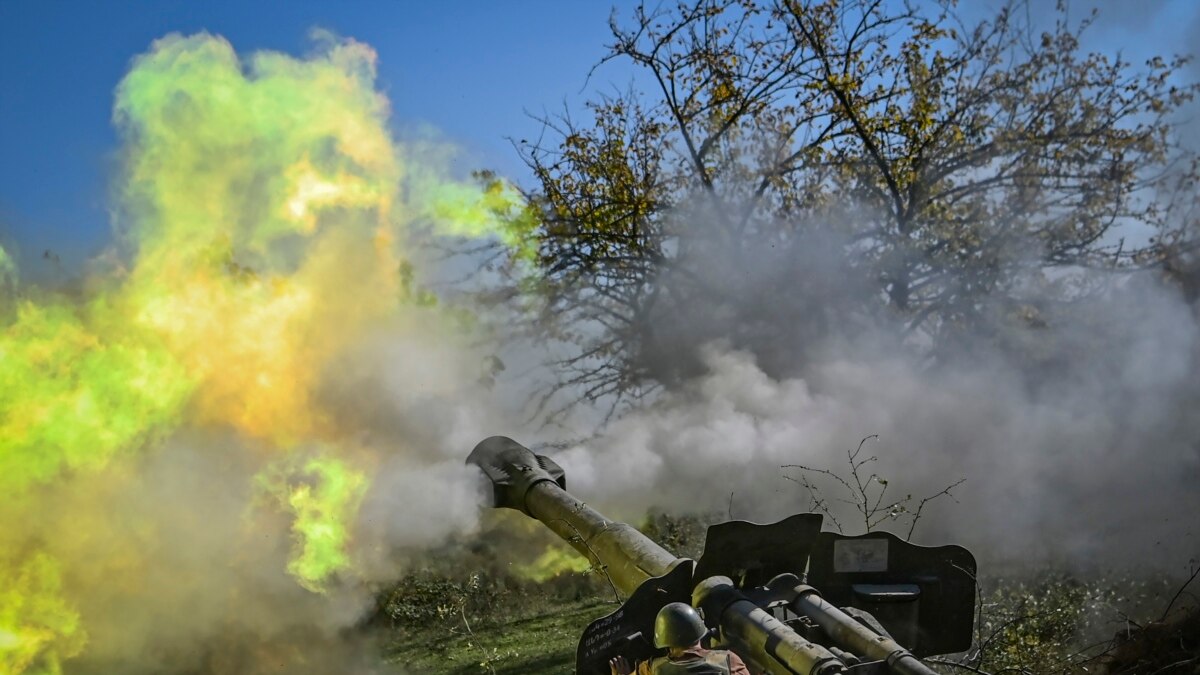
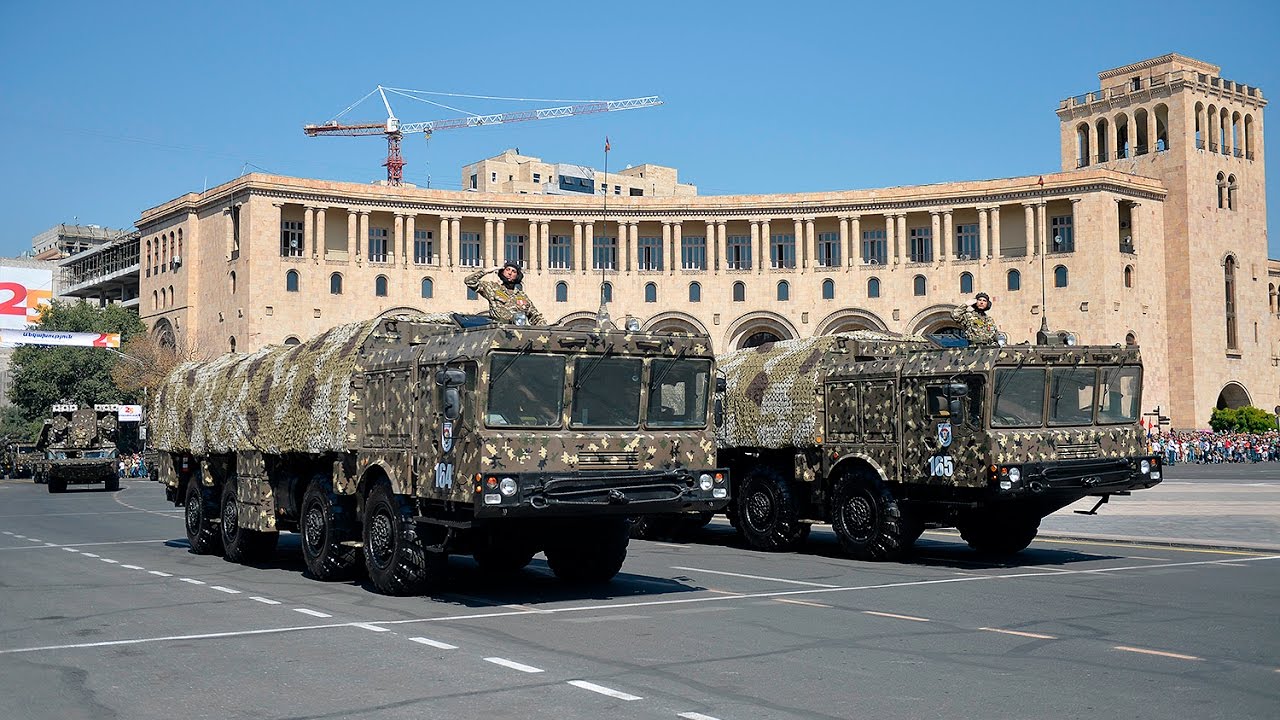
The Armenian government plans to increase military spending by approximately 20 percent, or 110 billion drams [about $286 million]. According to the draft state budget for 2025, the Ministry of Defense will be allocated 664.6 billion drams [about $1.7 billion].
These are unprecedentedly high defense expenditures, says Leonid Nersisyan, a military expert and research fellow at the APRI Armenia analytical center. Yet, he emphasizes that despite the increase in the military budget, Yerevan still lags significantly behind Baku in terms of military spending.
Military expenditure in the state budget is less than social spending
At the end of last week, the government approved the 2025 state budget and sent it to parliament.
In this draft, military spending ranks second. The cabinet considers addressing social issues as its top priority, allocating more than 900 billion drams [about $2.3 billion] for this purpose.
A significant portion of the military budget is designated for the acquisition of military equipment and weapons, transport vehicles, communication systems, barracks outfitting, and food supplies.
The published document does not specify the amount allocated for “potential purchases of weapons and ammunition.”
However, there are several budget lines where expenditure amounts are clearly defined:
- Education in foreign universities and professional development — 1,072.4 million drams [about $2.8 million],
- Provision of rehabilitation services and specialized medical care, organization of epidemic measures, repair and maintenance of equipment in military hospitals and medical centers — 1,405.8 million drams [about $3.7 million],
- Research and mapping of territories requiring demining, clarification of the estimated scope of work, and planning of activities to be conducted — 321.1 million drams [about $834,000],
- Expenses for maintaining military attachés in foreign countries and Armenia’s military representatives in international organizations — 941.6 million drams [about $2.4 million].
Azerbaijan expresses discontent over Armenia’s increased military budget
Azerbaijan’s Foreign Minister Jeyhun Bayramov recently expressed dissatisfaction with Armenia’s increased military budget, complaining that Yerevan is acquiring “offensive weapons.”
For several months Baku has been making regular statements about the “militarization” of Armenia. In response, officials in Yerevan at the highest level assert that the country is arming itself to ensure the safety of its citizens.
“The Republic of Armenia is not pursuing any aggressive goals,” Prime Minister Nikol Pashinyan has repeatedly stated.
The European Commission’s spokesman for foreign affairs and security policy, Peter Stano, also deemed the accusations against Armenia to be baseless.
“Armenia has the sovereign right to work on its defense capabilities and choose its partners, including in the areas of security and defense,” Stano stated.
He emphasized that the support provided to Armenia by the European Peace Facility does not include the provision of weapons, especially offensive. He stated that the EU maintains close bilateral relations and mutually beneficial cooperation with both Armenia and Azerbaijan, while remaining neutral in the ongoing negotiation process.
Azerbaijan’s Ministry of Foreign Affairs has already responded to this statement. The ministry’s spokesperson, Ayhan Hajizade, called it “unfounded and unacceptable.”
Commentary
Each year Armenia sets a new record in military spending, says military expert Leonid Nersisyan. In 2024, the amount allocated for military expenditures reached its highest level in the country’s history:
“Defense spending has never been this large. Before the 2020 war, this budget line did not even exceed $700 million.”
At the same time, Nersisyan notes, Baku plans to allocate $3.6 billion for military expenditures in 2025.
“Last year, the gap was nearly 2.5 times greater; this year, Armenia is trailing Azerbaijan by a factor of two. However, we are seeing a positive trend for Armenia. A few years ago, specifically in 2013, Armenia’s military budget was not just two times smaller than Azerbaijan’s—it was five to six times smaller.”
Follow us – Twitter | Facebook | Instagram
Armenia’s military spending in 2025
The Daily Beat: 30 September
On September 30, President Salome Zurabishvili met with German President Frank-Walter Steinmeier in Berlin, where she arrived following a visit to Paris. The day before, Zurabishvili met with the Georgian diaspora in the German capital. According to the official press release, the presidents discussed the pre-election environment, the Russian factor, and artificial barriers to the participation of the Georgian diaspora in the elections.
Transparency International Georgia has announced that it will not be able to monitor the October 26 parliamentary elections under its name. This decision comes after the Tbilisi City Court upheld the Anti-Corruption Bureau’s decision to declare the organization and its Executive Director, Eka Gigauri, as entities with declared electoral goals.
Tbilisi City Court ruled inadmissible all three appeals against the Central Election Commission’s decision to open only a limited number of polling stations abroad, despite requests from emigrants to open more in certain cities. The appeals were all considered independently. “The [Court’s] rulings question the principles of elections such as universality and equality…” said ISFED lawyer Rati Tinikashvili, adding that the organization plans to appeal against the Court’s decision to the Appeals Court.
President Salome Zurabishvili decried the Central Election Commission’s decision to open only a limited number of polling stations abroad. “This is not only disgraceful, it is disregard of the law, depriving people of their right to vote, it is a criminal case,” posted the president on her Facebook page, also sharing Netgazeti’s popular post, indicating that Moldova has 228 polling stations abroad, compared to Georgia’s 60.
Ian Kelly, former U.S. Ambassador to Georgia, and David J. Kramer, former U.S. Assistant Secretary of State for Democracy, Human Rights, and Labor, in their op-ed published in The Hill newspaper, call on the U.S. to sanction Georgian ruling party Georgian Dream’s founder and current Honorary Chairman, billionaire Bidzina Ivanishvili and his party, to save Georgia’s democracy from authoritarianism.
According to the opposition-leaning Formula TV, Tbilisi Mayor Kakha Kaladze, Head of Parliament’s Legal Affairs Committee Anri Okhanashvili, Georgian Dream majority whip Mamuka Mdinaradze, and Georgian Dream MP Dito Samkharadze are reportedly among the individuals sanctioned by the U.S. Speaking with reporters, Kaladze neither confirms nor denies his sanctioning by the U.S., saying that it is not much important to him.
Vladimer Tsabadze, who was unlawfully detained by Russian occupying forces near the Tskhinvali occupation line, has been freed and is now in the territory controlled by the central government, the State Security Service says in its press release. The two other individuals who were detained with him were released earlier. The State Security noted that all responsibility for destructive actions carried out in the occupied regions of Georgia and along the occupation line rests with the occupying power.
On September 27, a conference commemorating the 100th anniversary of the 1924 anti-Soviet national uprising in Georgia was held at the Victims of Communism Memorial Museum in Washington, DC. The event was organized by the Georgian Association in the U.S. in collaboration with the Soviet Past Research Laboratory (Sovlab) and Harvard University’s Georgia Studies Program.
The Data of the Day
Georgia’s estimated real Gross Domestic Product (GDP) growth rate amounted to 12% for August 2024 compared to the corresponding period of the previous year, according to the rapid estimates released by the National Statistics Office of Georgia on September 30.