
Day: October 31, 2024
A leading U.S. polling, data and strategy consulting firm HarrisX has published a final 2024 elections exit poll analysis, which it says raises questions about “statistically inexplainable data discrepancies by the Central Election Commission amounting to over 8 percent of the total vote, or at least 172,523 raw votes, across a minimum of 27 districts.” The discrepancy “cannot be explained by statistical variance, pointing to possible voting irregularities,” the analysis says.
HarrisX says that even when the data is adjusted with the data released by the CEC through “weighting,” when it fully accounts for any kind of non-response bias, when the differences in vote estimates between its exit poll and the official CEC number are tested at a 95% interval, which is the highest statistical threshold, the results of the analysis still point to the same conclusion.
The analysis describes specific cases and examples, detailing the methodology, weighting, results by age, gender and time of day, and cites the discrepancies revealed across Georgia, referring for example to the results in Marneuli district, noting that according to the HarrisX exit poll, Georgian Dream won 40% of the vote there in 2024, but the official CEC results show 80% of the vote for Georgian Dream.
HarrisX notes that it has high confidence in its exit poll results for a number of reasons, such as its experience in polling, the number of Georgian voters surveyed and voting methodology, the local partner professionals who were trained by HarrisX in advance, the confidentiality of the survey, and the consistency of the HarrisX poll with the results of the only other exit poll conducted by a non-Georgian polling organization, Edison Research. The organization also notes that the exit poll results of other questions asked in the survey are in line with the results of the vote choice question and consistent with other public polls, such as 84% of respondents saying they support Georgia joining the EU, etc.
The analysis, calibrated by final CEC information, HarrisX says, reveals “statistically unexplainable discrepancies” amounting to over 8 percent of the total vote.
The organization says that its comparative vote analysis “has identified unusual vote shifts between the 2020 and 2024 elections, and between our Exit Poll and the 2024 CEC final results, which appear far out of line with what could be explained by statistical variance or non-response bias.”
It concludes that “even when the Exit Poll data is adjusted to reflect the full data parameters published by the CEC, the final election result placing Georgian Dream at 53.96% is, simply put, statistically impossible.”
HarrisX calls on the CEC to “provide more information and answers in the interest of public transparency.”
Also Read:
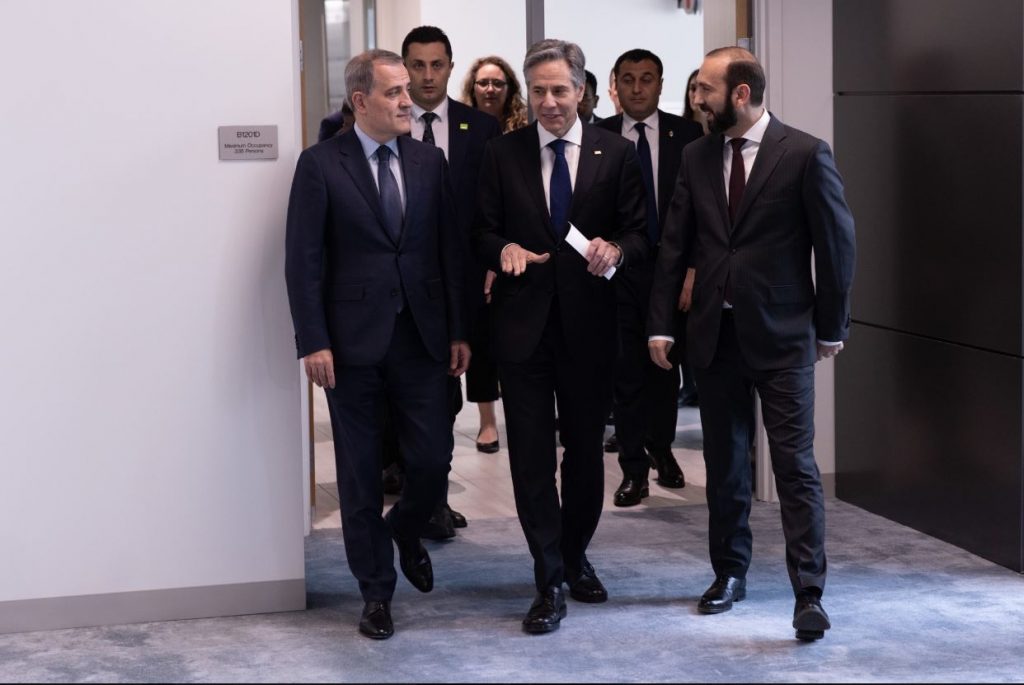
Armenian FM on key priorities
“I can speak with cautious optimism that we may soon reach agreement on one or two formulations. After that, the peace agreement between Armenia and Azerbaijan will be ready for signing,” said Foreign Minister Ararat Mirzoyan in parliament.
He recalled Prime Minister Nikol Pashinyan’s proposal to sign the agreement on the provisions that had been agreed upon, leaving the unresolved ones for the future. According to Mirzoyan, this proposal “did not generate much enthusiasm in Azerbaijan.” Now, the sides are focusing on working through “a couple of formulations.”
However, the minister did not specify how many provisions are currently under negotiation. Previously, Armenian authorities reported that the draft agreement contains a total of 17 articles, with 13 fully agreed upon, three partially, and one still unresolved. The head of the prime minister’s office mentioned to journalists that discussions are ongoing on the three partially agreed points. The content of the unresolved provisions has not been disclosed.
The foreign minister participated in discussions on Armenia’s 2025 state budget. In his remarks, he provided an in-depth overview of Yerevan’s relations with neighboring countries, as well as with Russia and the European Union.
Yerevan hopes that border delimitation will continue
The head of Armenia’s Foreign Ministry believes that significant progress has been made in 2024 regarding the normalization of Armenian-Azerbaijani relations, particularly focusing on the delimitation of the interstate border. He emphasized that Yerevan and Baku have ratified the regulations for the joint work of the delimitation commissions within the procedures adopted by each country:
“Next, the parties must officially notify each other of the regulations coming into force. After that, I hope the delimitation work will continue. At this moment, it seems nothing is hindering that.”
“The presence of third parties is unacceptable”
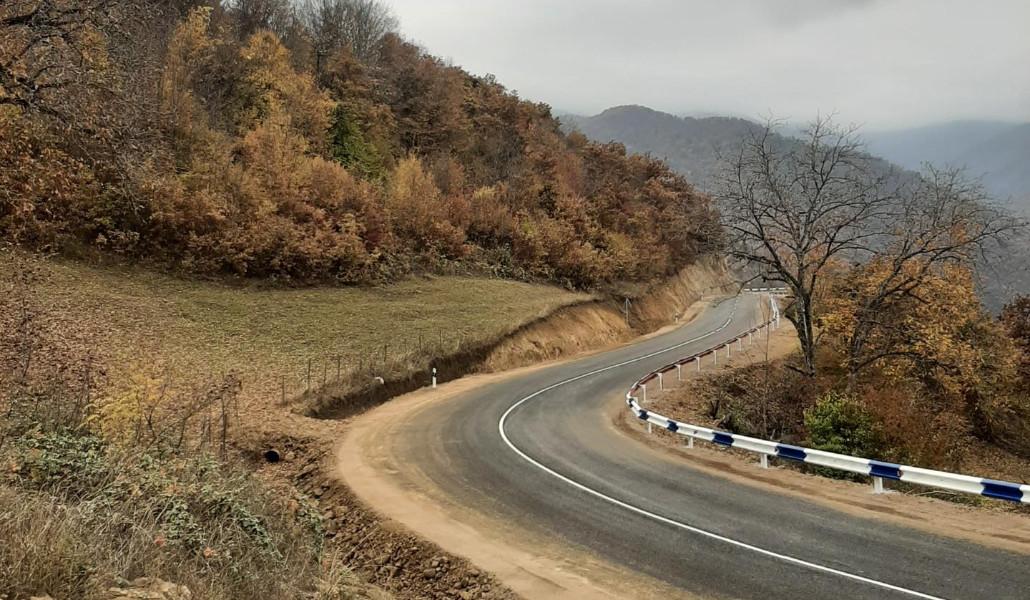
Ararat Mirzoyan also addressed the issue of unblocking transportation infrastructure. He noted a “certain positive atmosphere” between Armenia and Azerbaijan on this matter:
“We have presented proposals to the Azerbaijani side, which they welcomed in a semi-official manner. We will continue to work towards reaching an agreement on unblocking communications.”
Once again, he reiterated Armenia’s official position regarding road control: “The presence of third parties is unacceptable” on the country’s sovereign territory:
“As for the involvement of international organizations, we must understand that there is a transportation company, a railway construction company, an operating company, and a train driver. There are many different layers.”
Mirzoyan indicated that international organizations could be involved in the operation of transportation infrastructure, but customs and border control would be carried out by Armenia.
Recently, discussions in Armenia have focused on Russia’s intention to take on this function according to point nine of the trilateral statement signed at the end of the 2020 Karabakh war. The Prime Minister of Armenia considers this approach “illegal and baseless.” He reminded that the document states: “Armenia ensures transportation communication.”
As the minister stated, Armenia’s vision for unblocking transportation infrastructure is reflected in the “Crossroads of Peace” project developed by the government.
“I am pleased to announce that many countries have welcomed this project and believe it could become part of broader logistics networks and new initiatives,” he noted.
“Recognition of Armenian Genocide is not the main priority of the Foreign Ministry”
In response to a question from opposition faction member Arman Rustamyan, the Foreign Minister stated that “the study of the Armenian Genocide” is not the ministry’s primary focus.
According to Mirzoyan, the priority for Armenia’s Foreign Ministry is “the normalization and development of relations with neighbors,” ensuring a peaceful and stable environment around the country.
“As part of these efforts, the first step we are considering and putting our efforts into is the normalization of relations with Azerbaijan,” he added.
“We have a positive dialogue with Turkey”
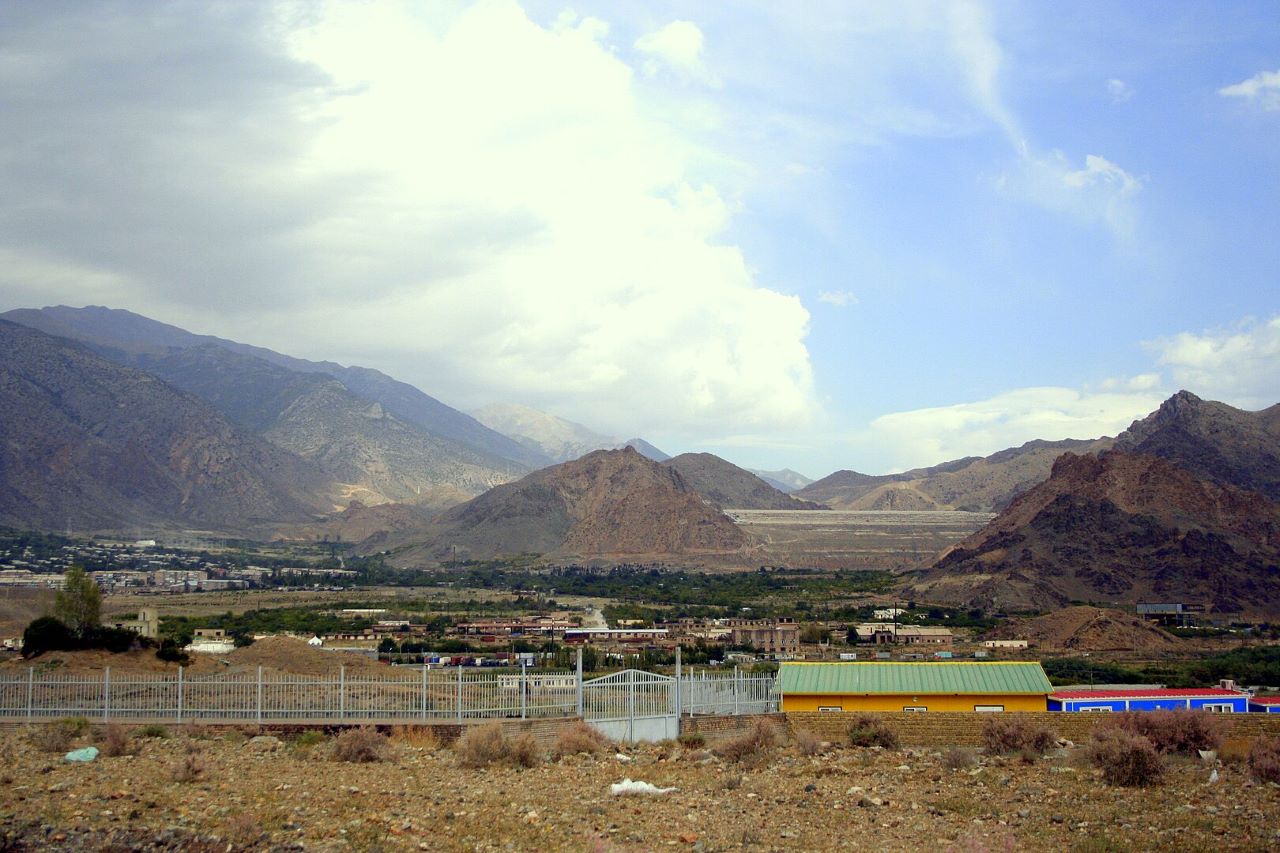
Ararat Mirzoyan characterized the dialogue with Turkey as positive, noting that the two countries’ agencies have worked on assessing the state of infrastructure at the border. He also mentioned that work is underway to evaluate the condition of the Kars-Gyumri railway.
“Our dialogue primarily concerns the need for the two countries to establish diplomatic relations, open borders, and have transportation and other communications while normalizing their relations overall,” he emphasized.
The minister acknowledged that Turkey, to some extent, links the normalization of relations with Armenia to the resolution of Armenian-Azerbaijani relations:
“In our view, this is not a very constructive approach.”
Currently, Mirzoyan stated that Yerevan is engaging in dialogue with Ankara without preconditions and has already reached several agreements, including the opening of the border for citizens of third countries and holders of diplomatic passports:
“There are also smaller joint projects, such as the one concerning the cultural heritage of Ani. I want to emphasize that a dynamic dialogue is taking place, and I would like to express optimism that we will see progress in the near future.”
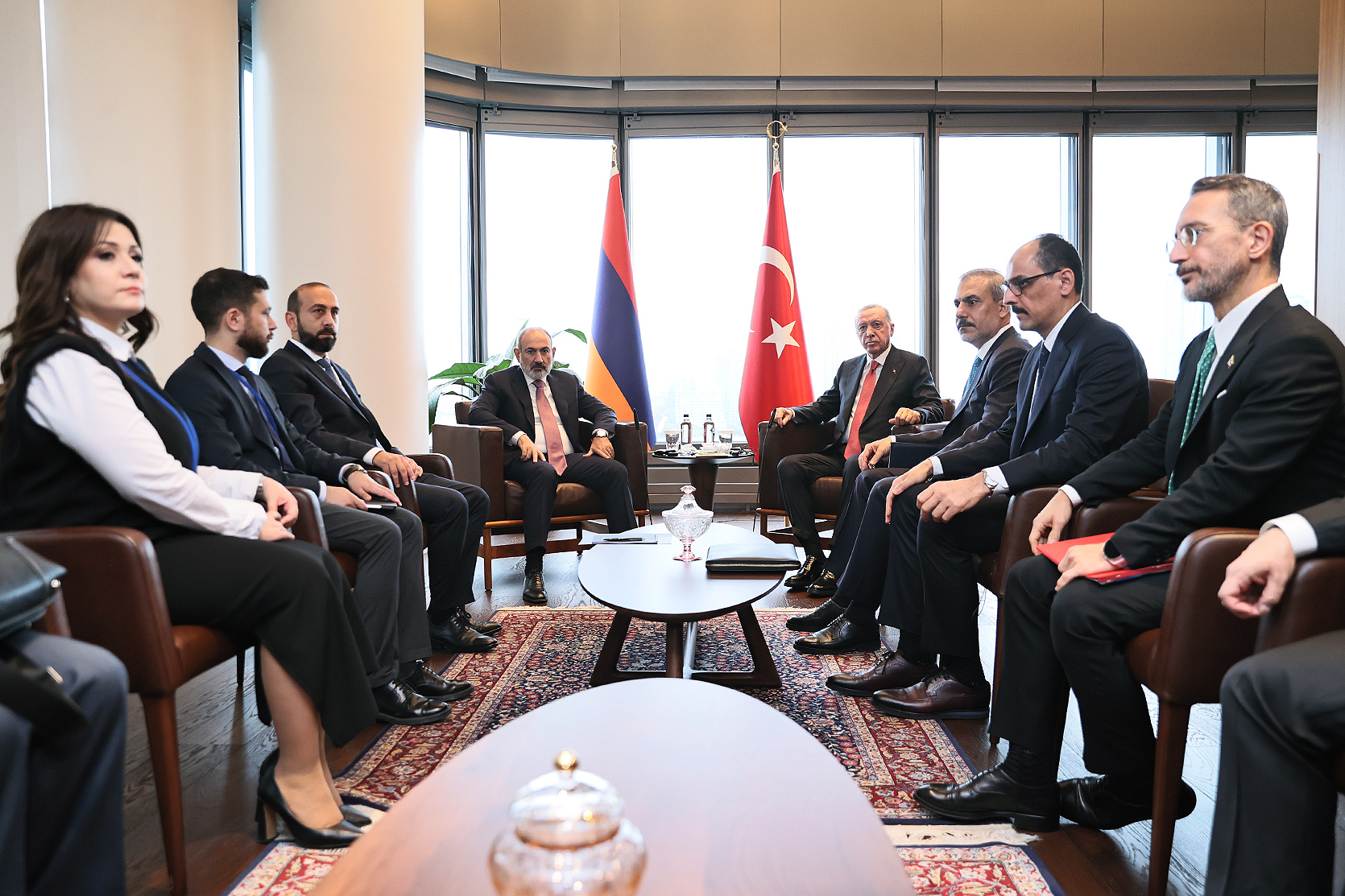
Disagreements with Russia
Armenian-Russian relations are transparent, says the minister:
“Armenia and Russia have differences on a range of foreign policy issues. Sometimes, they do not share the same views. For example, on the CSTO [a military alliance led by Russia].”
He reiterated that the bloc “did not respond adequately to Azerbaijan’s military aggression against Armenia’s sovereign territory,” which is a CSTO member.
At the same time, the two countries are linked by strong economic ties, with cooperation continuing in certain areas. As an example, the minister cited the Eurasian Economic Union framework, which operates under Russia’s aegis.
Closer relations with the EU
Mirzoyan sees clear progress in Armenia’s relations with the EU and believes that this positive momentum will continue into next year.
He highlighted two significant developments in 2024: the start of talks on visa liberalization and support from the European Peace Facility.
While this is not a large sum allocated for Armenia’s defense, the minister emphasized that it is symbolically significant that the EU supported Armenia through this particular fund.
Armenia’s policy is “no secret” to Iran
According to the minister, Yerevan’s policy of strengthening relations with Europe is no secret to neighboring Iran.
“This issue is discussed in bilateral contacts. I can say that there is nothing Armenia is doing that is not welcomed or in line with the ideas of the Islamic Republic of Iran,” he concluded.
Follow us – Twitter | Facebook | Instagram
Armenian FM on key priorities
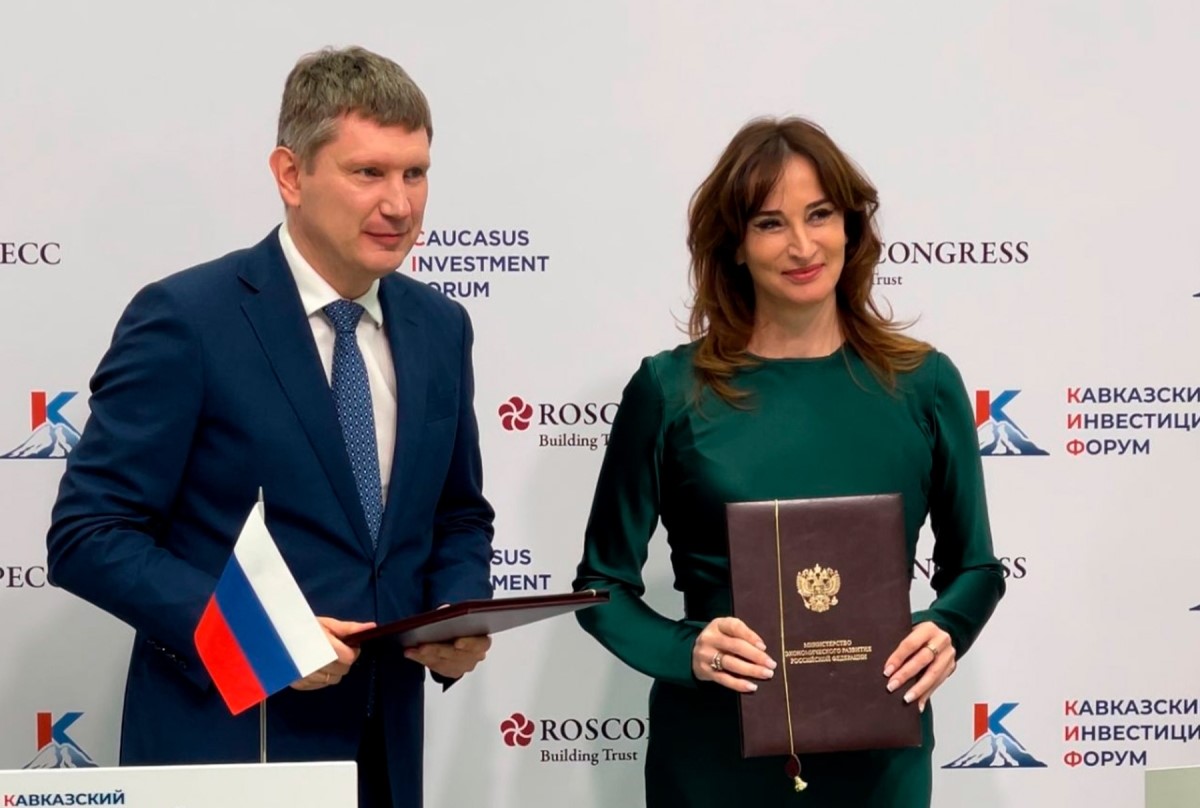
On October 30 in Moscow, Abkhazia’s Minister of Economy Kristina Ozgan and Russia’s Minister of Economic Development Maksim Reshetnikov signed an agreement to guarantee Russian investments in Abkhazia. This came as a complete surprise, as the draft agreement is still under discussion in the Abkhaz parliament, and the government is not authorized to sign such documents without parliamentary approval.
The draft agreement on guarantees for Russian investments in Abkhazia was submitted to parliament in the summer of 2024 and immediately faced strong criticism from the opposition and civil society due to unprecedented concessions offered to Russian investors. These concessions include, for instance, an exemption from tax and customs duties for a period of eight years.
- Three threats posed by the agreement on Russian investments in Abkhazia. Opinion
- Op-ed: Agreement on Russian investments in Abkhazia’s economy is exploitative and humiliating
During committee hearings, the parliament prepared 20 amendments to the draft agreement. However, the government insisted that the draft remain unchanged, claiming that otherwise, the Russian side would not sign it.
Parliamentarians argue that, as it currently stands, the agreement is harmful to both the economy and the security of Abkhazia.
In the midst of this, Alhas Barcits, the head of the parliamentary committee on international and interparliamentary relations, sent a letter to the government—without parliament’s consent—stating that only two issues remained in the agreement.
Minister of Economy Kristina Ozgan, after coordinating these two amendments with the Russian side, proceeded to sign the agreement. Yet, just a day earlier, the parliamentary speaker Lasha Ashuba had officially notified her that the agreement was still under review and that parliament had not authorized its signing.
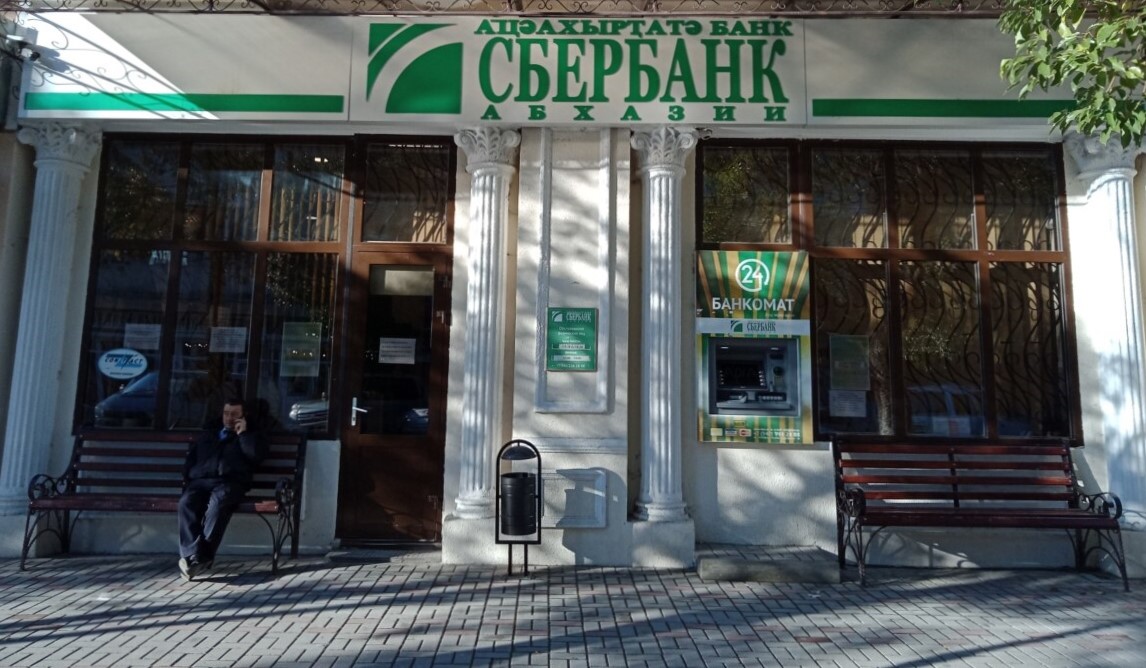
Notably, Alhas Barcits appears on a list of preferential loan recipients from Russian banks, recently published by the Telegram channel “Abkhaz Portal.” It claims Barcits is to receive a loan of 1.2 billion rubles (around 12.5 million USD), a claim he has yet to officially deny.
“The absolute cynicism and disregard for the will of the people are astounding.
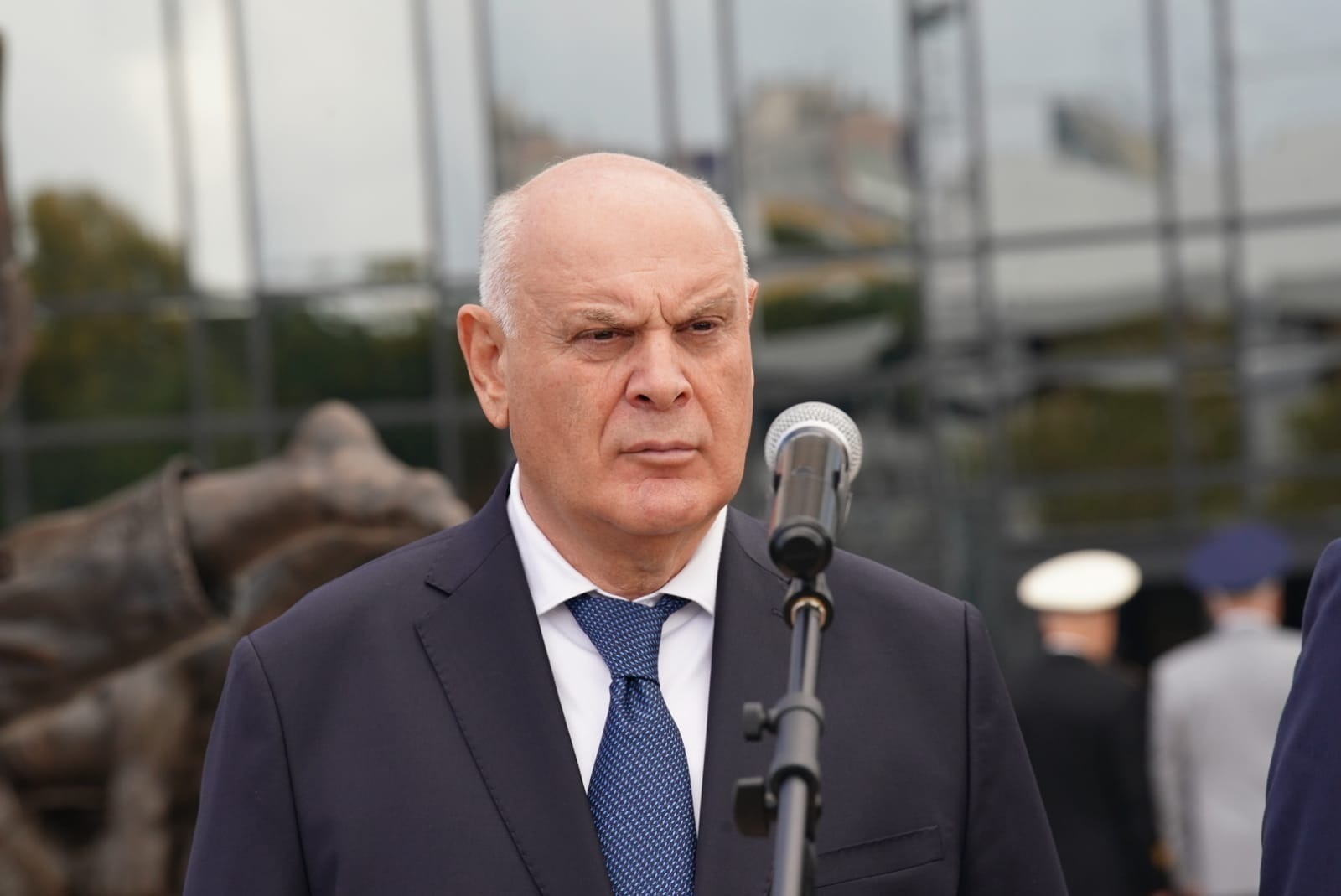
The strategy behind this simple scheme is clear: sign an agreement with the Russian side and, by threatening with all kinds of sanctions, push for its ratification in parliament,” stated Adgur Ardzinba, leader of the Abkhaz opposition.
In his view, the agreement is motivated solely by the desire for profit by certain individuals and poses direct threats to local entrepreneurs and the existence of Abkhazia’s national banking system.
“This agreement serves the interests of anyone but our state and people,” Ardzinba said.
He expressed hope in the prudence and resilience of the parliament members during the ratification process:
“We will stand with those who will not allow yet another anti-popular initiative to pass.”
Terms, place names, opinions and ideas suggested by the author of the publication are her / his own and do not necessarily coincide with the opinions and ideas of JAMnews or its individual employees. JAMnews reserves the right to remove comments on posts that are deemed offensive, threatening, violent or otherwise ethically unacceptable.