Categories
South Caucasus News

ISFED: Hundreds of violations reported during elections in Georgia


ISFED on violations in Georgian election

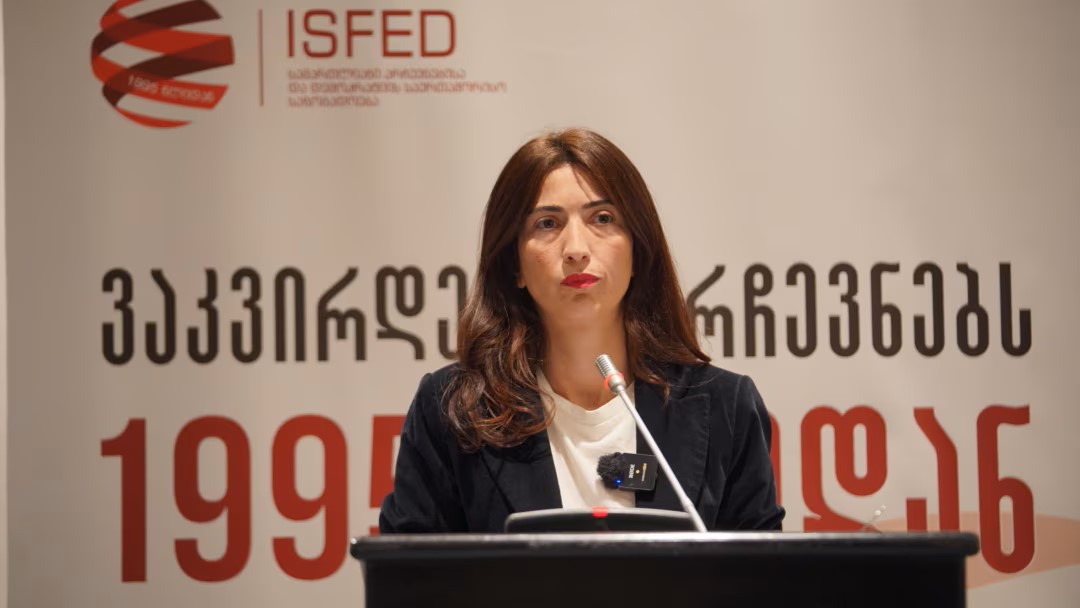
Ballot stuffing, violations of registration procedures, carousel voting, breaches of voting confidentiality, voter intimidation, and confiscation of identification are but a fraction of the hundreds of violations documented by the nonprofit monitoring organization ISFED during the parliamentary elections in Georgia on October 26, 2024.
In a report published by the organization, it was stated that the results of the parliamentary elections may not reflect the will of Georgian voters.

The election assessment document outlines the types of violations that occurred during the pre-election period and on election day.

This article highlights the key trends.

The parliamentary elections held on October 26 are of unprecedented significance for Georgia, as their outcome will determine the country’s future political and geopolitical direction.

According to the Central Election Commission of Georgia, the ruling party, Georgian Dream, won the elections with 53.92 percent of the vote.

These figures sharply contrast with exit polls, which had projected that Georgian Dream would receive only 40-42 percent of the vote.

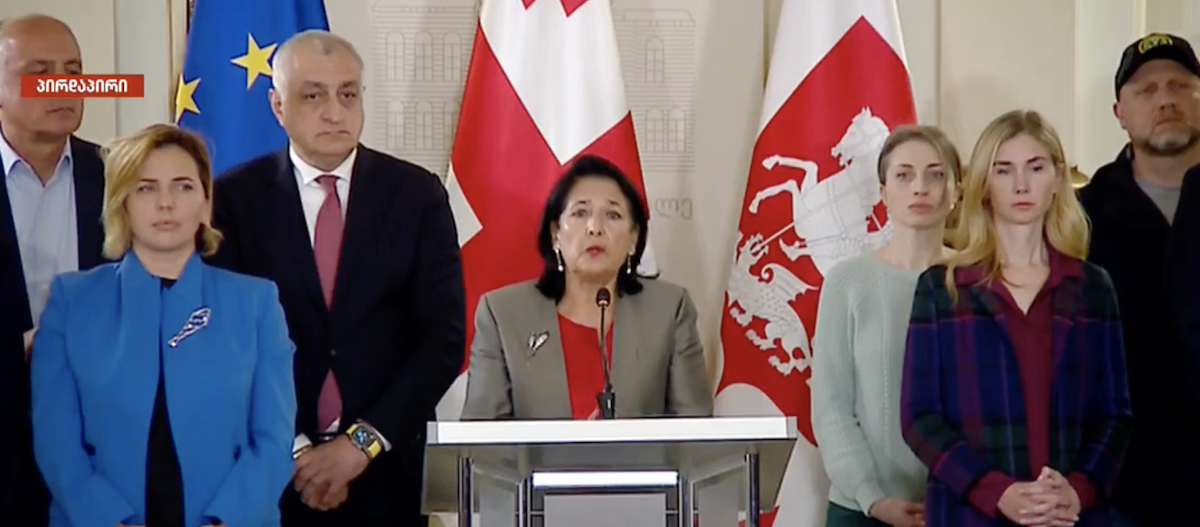
The President of Georgia declared the elections illegitimate, labeling them a sham and a “Russian special operation.” The opposition also rejected the election results, with some representatives refusing to take their parliamentary mandates.

Pre-election Violations

Pressure on voters, intimidation, confiscation of identification, bribery as well as collection and processing of personal data are among the violations documented by the monitoring organization “Fair Elections” during the pre-election period.

According to ISFED, during the pre-election period, the ruling party enjoyed a significant advantage by utilizing vast state resources.

The use of these resources took several forms:

  • Numerous state social and infrastructure programs were employed by the ruling party to attract voter support.
  • Government officials actively participated in the ruling party’s campaign events.
  • There were reports of data collection on voters and alleged confiscation of citizens’ identification. ISFED assessed this as an attempt to pressure voters and obstruct their expression of will.

ISFED also noted that the parliamentary elections were preceded by numerous problematic changes to electoral legislation, including a deterioration in the process of forming the Central Election Commission, where the required quorum for decision-making was reduced from a qualified majority to a simple majority.

Additionally, issues arose for voters living abroad.
Election Day Violations

On election day, ISFED also identified hundreds of serious violations, including ballot stuffing, repeat voting, unprecedented large-scale bribery of voters, the expulsion of observers from polling stations, as well as instances of mobilizing voters outside polling places, collecting their personal data, and monitoring what they wanted to do.

On election day, “Fair Elections” monitored the situation across the country. The organization’s observation mission included monitors at nearly 1,000 polling stations, 235 external perimeters, 45 overseas polling places, as well as 73 monitors from district election commissions and 85 mobile groups.

In the organization’s central office on election day, data accounting/verification/analysis centers (with 32 operators) and incident/complaint centers (with 23 lawyers) were operational.

On election day:

  • 9% of polling stations failed to ensure voting confidentiality;
  • 9% experienced issues with verification and registration;
  • Instances of voter registration outside polling places were reported by party coordinators at 31% of polling stations;
  • 11% of polling stations recorded incidents of verbal and physical confrontations, as well as threats;
  • Organized transportation of voters was identified at 19% of polling stations;
  • Allegations of voter bribery were noted around the external perimeter of 13% of polling stations;
  • There were also instances of illegal restrictions on observers’ rights, intimidation, verbal or physical violence, and expulsion from polling stations.
  • At several polling places, incidents of mass ballot stuffing and repeat voting were documented.

Observers from the organization Fair Elections documented up to 170 incidents of violations within polling stations.

These included:

  • 2 cases of ballot stuffing;
  • 4 instances of multiple voting;
  • 16 violations of marking procedures;
  • 25 breaches of voting confidentiality;
  • 11 restrictions on observers’ rights and expulsions from polling places;
  • 16 instances of submitting more than one ballot;
  • 14 cases related to portable ballot boxes;
  • 8 incidents involving electronic devices;
  • 5 issues related to polling station organization;
  • 4 instances of voting with improper documentation.

Fair Elections submitted a total of more than 200 complaints, with over 100 directed to district election commissions and 95 to regional election commissions. Approximately 70 notes were recorded in the logbook.

Additionally, one complaint was filed with the Central Election Commission regarding a polling station in Thessaloniki.

Trends Identified Outside Polling Stations

Outside polling stations, Fair Elections documented over 100 incidents.

Reported violations included:

  • Voter registration issues
  • Alleged bribery of voters
  • Suspected control over voter agency
  • Organized voter mobilization
  • Physical and verbal confrontations
  • Physical violence against observers
  • Placement of campaign materials within 25 meters of the polling station entrance.

Detailed accounts of all cases can be found in the organization’s statement linked here.

ISFED on violations in Georgian election


Categories
South Caucasus News

USA, France and Armenia became largest importers of Indian defense products


Armenia, the United States and France became the largest importers of Indian defense products in the 2023-2024 fiscal year, Azernews report

Categories
South Caucasus News

Hungarian Prime Minister Orban Booed By Protesters In Tbilisi


Hungarian Prime Minister Viktor Orban arrived in Tbilisi to show support for the ruling Georgian Dream party after President Salome Zurabishvili accused it of employing Russian-style tactics in parliamentary elections whose official results she refuses to recognize. Orban, whose country currently holds the European Union’s rotating presidency, was booed as he left his hotel near the Georgian parliament where tens of thousands had gathered.

Categories
South Caucasus News

Sales of iPhone 16 banned in Indonesia


Indonesia has blocked sales of iPhone 16 smartphones due to the fact that the local division of the company – PT Apple Indonesia – did not comply with the requirements regarding investments in the country. The ban applies to sales of the iPhone 16 domestically and does not apply to devices purchased abroad, Azernews reports.

Categories
South Caucasus News

Shaheen, Risch Issue Joint Statement in Response to Georgian Elections


U.S. Senators Jeanne Shaheen (D-NH), a senior member of the U.S. Senate Foreign Relations Committee (SFRC) and Chair of the Europe and Regional Security Cooperation Subcommittee, and Jim Risch(R-ID), Ranking Member of SFRC, released joint statement in response to the elections in Georgia over the weekend, Voice of America’s (VoA) Georgian Service reports. The statement calls on Georgian authorities to respect Georgians’ right of the peaceful protest and states that, if necessary, additional changes can be made to the bipartisan legislation, the Georgian People’s Act, to held accountable those responsible for fraud and manipulation of the election process.

The Senators note that despite their recent concerns with democratic backsliding in Georgia, they had hoped to see a commitment by the Georgian government to run a free and fair election process reflecting the wishes of the Georgian people. “In reality, we have witnessed something different in this weekend’s parliamentary elections,” the letter reads.

The statement reads: “Reporting shared by the OSCE/ODHIR, International Republican Institute, National Democratic Institute, and ISFED show multiple violations that severely compromised the standards for democratic elections.” The senators note that they are also alarmed “by the dozens of reports of election day interference, including violence, voter intimidation and ballot stuffing, that could have further damaged the integrity of yesterday’s election results.”  
 
“We call on the Department of State, in partnership with our European friends, to immediately investigate reports of fraud and any external interference to determine whether any actions have seriously impacted the outcome of the elections,” the senators write, adding: “Those responsible should be held accountable.”  

Noting that “This is a precarious moment for Georgia,” the senators state that the ruling Georgian Dream party “must recognize that its actions could have immediate consequences on its economic and security agenda.”

Senators Risch and Shaheen note that Russia has “undoubtedly benefitted from sowing division and disinformation.” They also state: “We recognize the right of the Georgian people to, if they so choose, protest peacefully and call on the relevant Georgian authorities to respect this deeply important democratic right.” 

The senators also state: “If needed, we will make additional changes to our bipartisan legislation, the Georgian People’s Act, to ensure that those responsible for fraud and manipulation of the election process are held accountable. The US Senate is fully committed to supporting the democratic aspirations of the Georgian people.” 

Also Read:


Categories
South Caucasus News

Erdogan: Comprehensive development of ties with BRICS serves Türkiye’s interests


The comprehensive development of relations with BRICS corresponds to Türkiye’s interests, Turkish President Recep Tayyip Erdogan said in his statement on the results of the Cabinet of Ministers meeting, Report informs.


Categories
South Caucasus News

A_Melikishvili: @SouthCaucasus You speak like a Euroskeptic. I agree with you that there is plenty of blame to go around between US & EU as both complacently watched Georgian Dream’s trajectory & stubbornly disregarded warnings from pro-Western opposition & civil society, but finger-pointing now won’t help.


Categories
South Caucasus News

Five times more applicants for Armenian citizenship compared to early 2000s


Increasing demand for Armenian citizenship: statistics

Increasing demand for Armenian citizenship

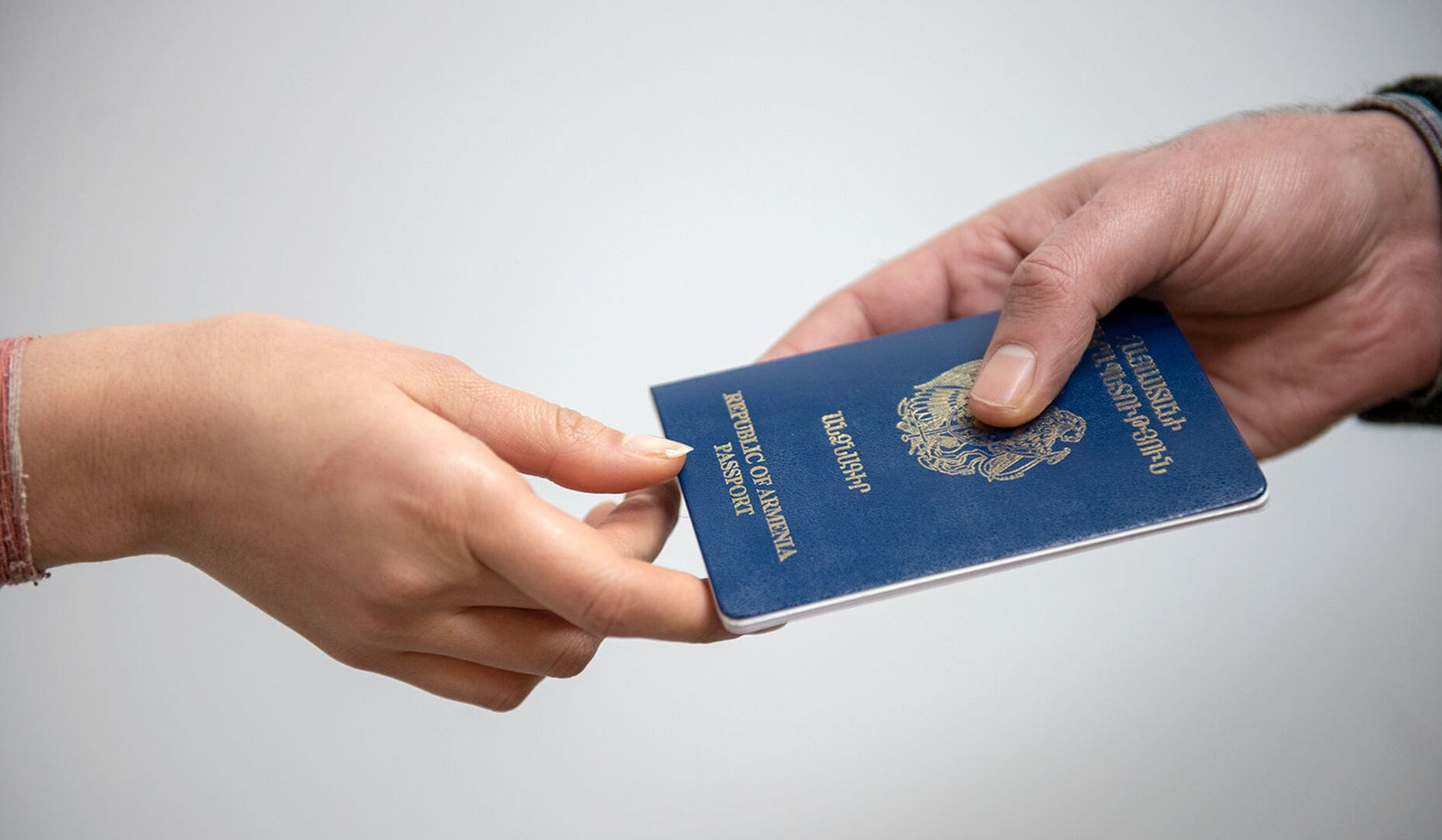
“From January to September 2024, 16,060 applications for Armenian citizenship were submitted,” reported Armen Ghazaryan, Head of the Migration and Citizenship Service, at a press conference.

He noted that the service also receives applications for renouncing citizenship, with up to three thousand such requests annually. Overall, the service handles up to 30,000 cases related to citizenship each year. Ghazaryan explained that this represents a substantial workload, while the “current, imperfect tools do not allow for efficient processing of these requests.”

The government of Armenia plans to introduce changes to the procedures for obtaining and renouncing citizenship. Specifically, there are plans to digitize services and increase service fees. Armen Ghazaryan believes this will significantly improve the service’s efficiency.


“Since 2018, the number of applications for Armenian citizenship has sharply increased”

Armen Ghazaryan told journalists that in the early 2000s, the service received 3-4 thousand applications for citizenship annually. Starting in 2010, this number rose to 5-6 thousand.

“And since 2018 [following Armenia’s ‘Velvet Revolution’], the number of citizenship applications has sharply increased. This figure peaked in 2022, exceeding 25,000,” reported the head of the Migration and Citizenship Service.

In 2023, he noted, the number slightly decreased to 19,000. However, this year the figure may rise again, as over 16,000 applications were submitted in the first nine months alone.

An Electronic System is Being Developed

Currently, the process of obtaining and renouncing citizenship is handled on paper. According to the head of the Migration Service, electronic tools are in place but are “weak, limited, and outdated.” However, an electronic management system is now being developed to enable more efficient operations.

“Some components of the system will be accessible to beneficiaries, while others will be available to agencies reviewing their cases,” explained Armen Ghazaryan.

He noted that the processes involve multiple government structures, and this change will allow people to avoid multiple visits to these agencies to complete their document packages.

“We are developing an electronic management system where individuals will upload all the required documents. The application will then be reviewed, and if the submitted package is complete, applicants can select a date to visit the administrative body just once,” he said.

Ghazaryan emphasized that each applicant will still need to make one in-person visit. This is necessary for identity verification and to mitigate the risk of document falsification.

At the same time, the electronic system will help avoid lengthy correspondence between government bodies. According to Ghazaryan, they will be able to work simultaneously on a unified platform, saving time and enabling the review of more cases within the same time frame.

50,000 Drams Instead of One Thousand for Citizenship

The Armenian government also plans to increase the state fee for obtaining and renouncing citizenship. Previously, applicants paid 1,000 drams ($5.20) for citizenship and 25,000 drams (about $65) to renounce it. Now, those seeking citizenship will pay 50,000 drams (just under $130), while those renouncing it will pay 150,000 drams ($390).

This change is explained by the fact that the current rates were set in 1997 and have never been adjusted, so they “do not reflect current realities.”

The Head of the Migration and Citizenship Service stated that, in setting the new fees, they took into account the experience of comparable countries, such as Georgia and Poland, as well as the impact of inflation:

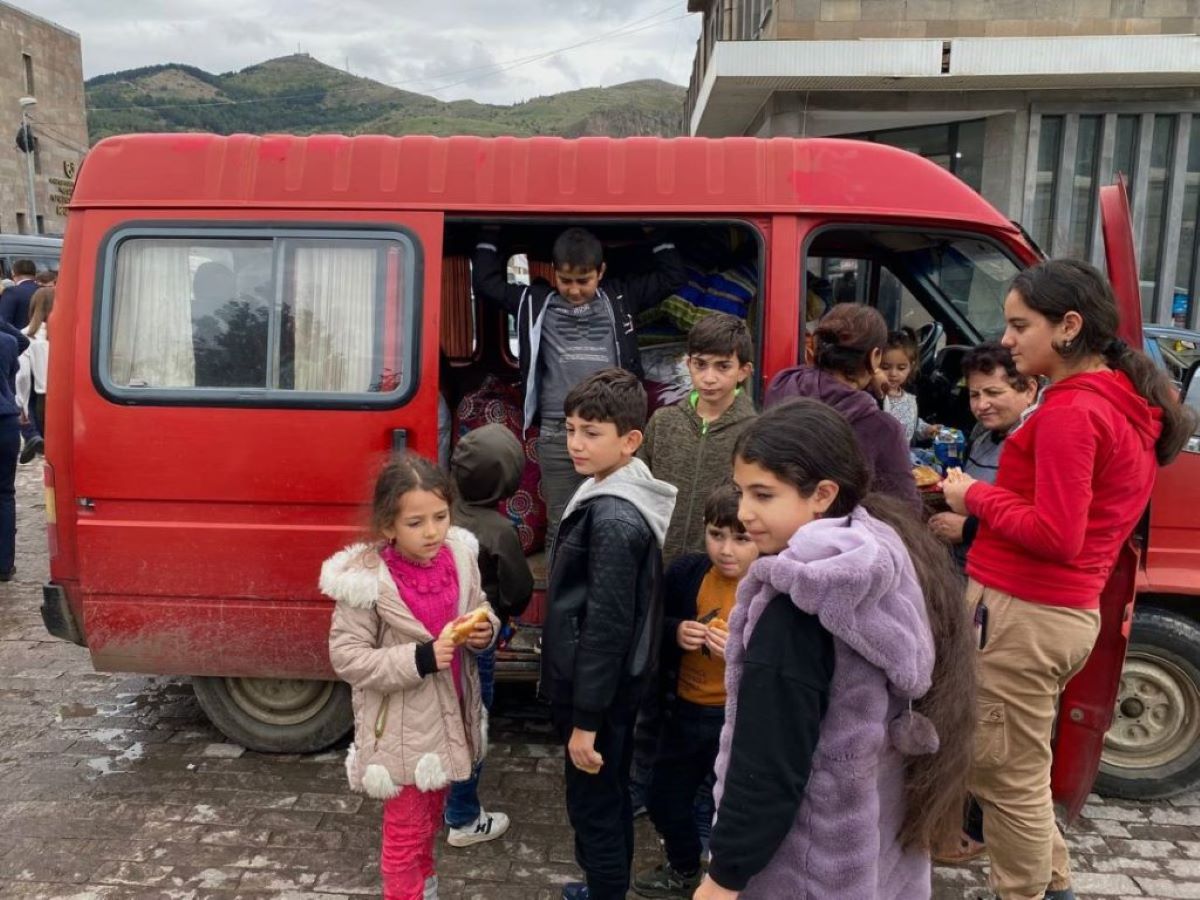
“However, the fee increase will not affect refugees or forcibly displaced people from Nagorno-Karabakh. All these changes will be discussed in the National Assembly and will take effect ten months after parliamentary approval.”

Follow us Twitter | Facebook | Instagram

Increasing demand for Armenian citizenship


Categories
South Caucasus News

SouthCaucasus: Livestream from Tbilisi. via @Reuters


Categories
South Caucasus News

Türkiye to keep acting in coordination with Azerbaijan – President Erdogan – Trend News Agency


Türkiye to keep acting in coordination with Azerbaijan – President Erdogan  Trend News Agency