
No Signs Of Progress In Fresh Armenian-Azeri Talks Ազատություն Ռադիոկայան
Day: October 18, 2024
Minister of Foreign Affairs of Russia Sergey Lavrov said, following the meeting of the 3+3 Regional Platform on October 18 in Istanbul that “The chair and the door are always open for them” and “As soon as Tbilisi decides, they can come and sit in their chair at any time.”
Asked if he regretted that Tbilisi did not take part in the Platform meeting, thus missing an opportunity for “almost direct Russian-Georgian contacts”, he said: “We have contacts with Tbilisi, there is a Section of Russian Federation Interests at the Embassy of the Swiss Confederation in Georgia. Our diplomats work there. As and when necessary, they have the opportunity to discuss current issues, primarily in the areas of trade, tourism and people-to-people contacts, directly with the relevant Georgian authorities.”
The 3+3 format, which brings together three regional powers – Iran, Turkey and Russia – as well as two South Caucasus countries- Azerbaijan and Armenia, was established in 2021, in the aftermath of 2020 Karabakh war. Despite its name, Georgia is not a member.
Sergey Lavorv added that during the 3+3 format meeting “Once again (we always do this when we meet in this format), we have confirmed that the doors of this platform always remain open for Georgia. We hope that in time Georgian neighbors will be able to join its work.”
In response to a question about the threats to regional security in the South Caucasus he said, echoing the ruling Georgian Dream narrative, that “one of the serious problems is the well-known attempts by the West to open a “second” front against Russia,” clarifying that the West wants to “light a fire” again to destabilize the situation in Abkhazia and South Ossetia.”
The Russian foreign minister also accused “extra-regional players” of trying to “dictate their own terms here, to introduce their schemes aimed not at solving the problems of the region in the interests of all the countries in it, but at promoting NATO-centric formats, developing bloc processes, driving wedges… between neighboring countries… and using their capabilities as a lever of pressure”.
By way of illustration, he recalled that after the Georgian government passed the law on foreign agents, “the EU immediately declared” that Georgia was “no longer considered a priority partner for EU accession talks because it had violated “European values”.
He concluded: “If those ‘values’ are to fund subversion and advance the LGBT agenda, then that speaks for itself. It is a confession of guilt, a confession of what these “European values” represent.”
Lavrov also said: “Most of the risks we see here [in the South Caucasus] are related to the West’s attempts to maximize its influence in the region in order to undermine the Russian Federation’s opportunities for equal and mutually beneficial cooperation between the countries of the South Caucasus and our state.”
Also Read:
- 01/11/2023 – Foreign Affairs Committee Chair: No 3+3 Participation without De-occupation
- 24/10/2023 – 3+3 Platform Calls for Georgia’s ‘Equal Participation’
- 14/01/2022 – Lavrov Hopes Baku, Ankara, Yerevan Can Convince Tbilisi on Joining 3+3
- 12/11/2021 – Russian MFA Notes Tbilisi’s ‘Contradictory Statements’ on 3+3 Platform
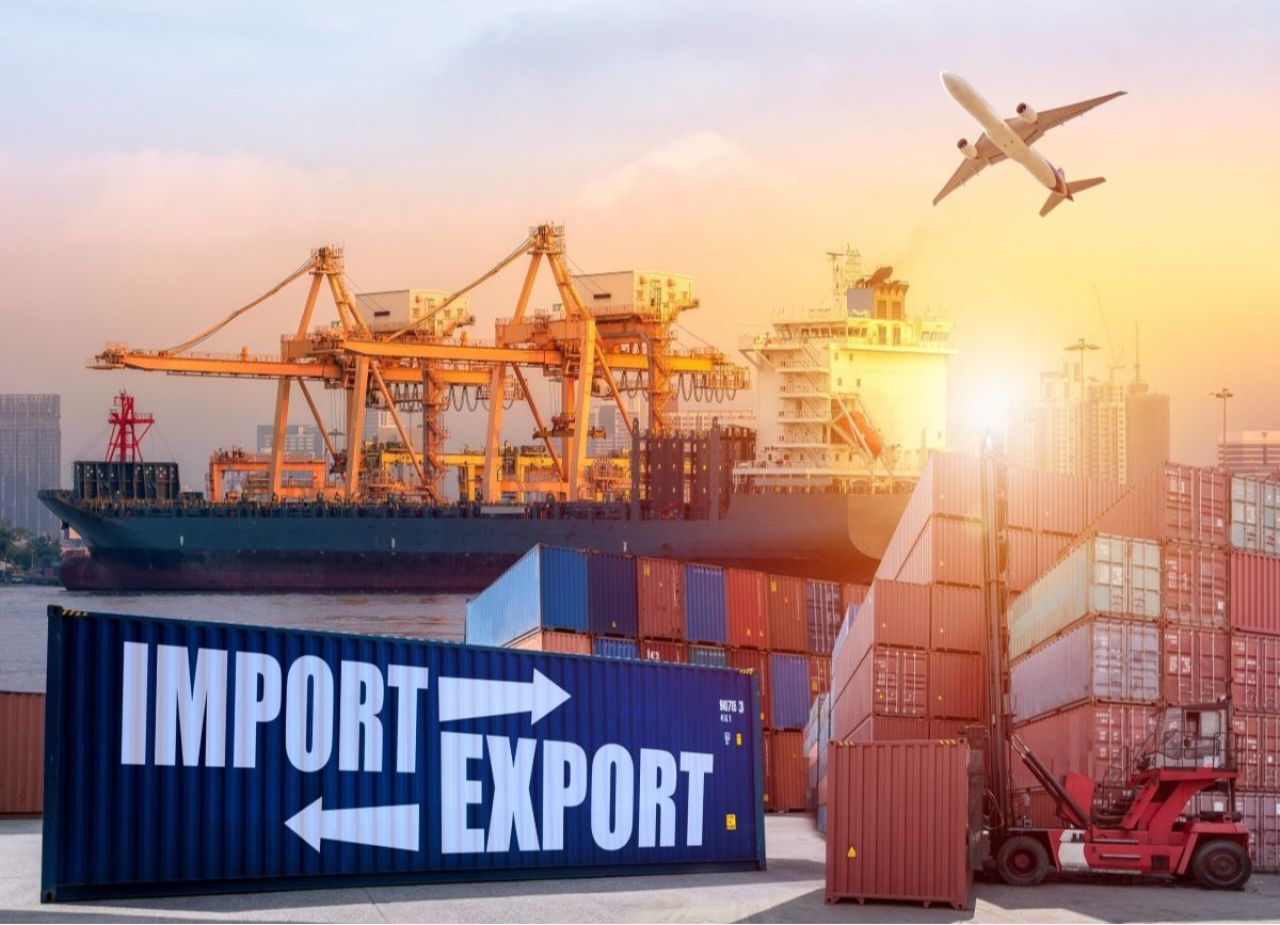
Armenia’s exports to UAE
“The share of the United Arab Emirates in Armenia’s export structure has surged, nearing 50 percent. The UAE has taken the leading position,” said economist Armen Ktoyan.
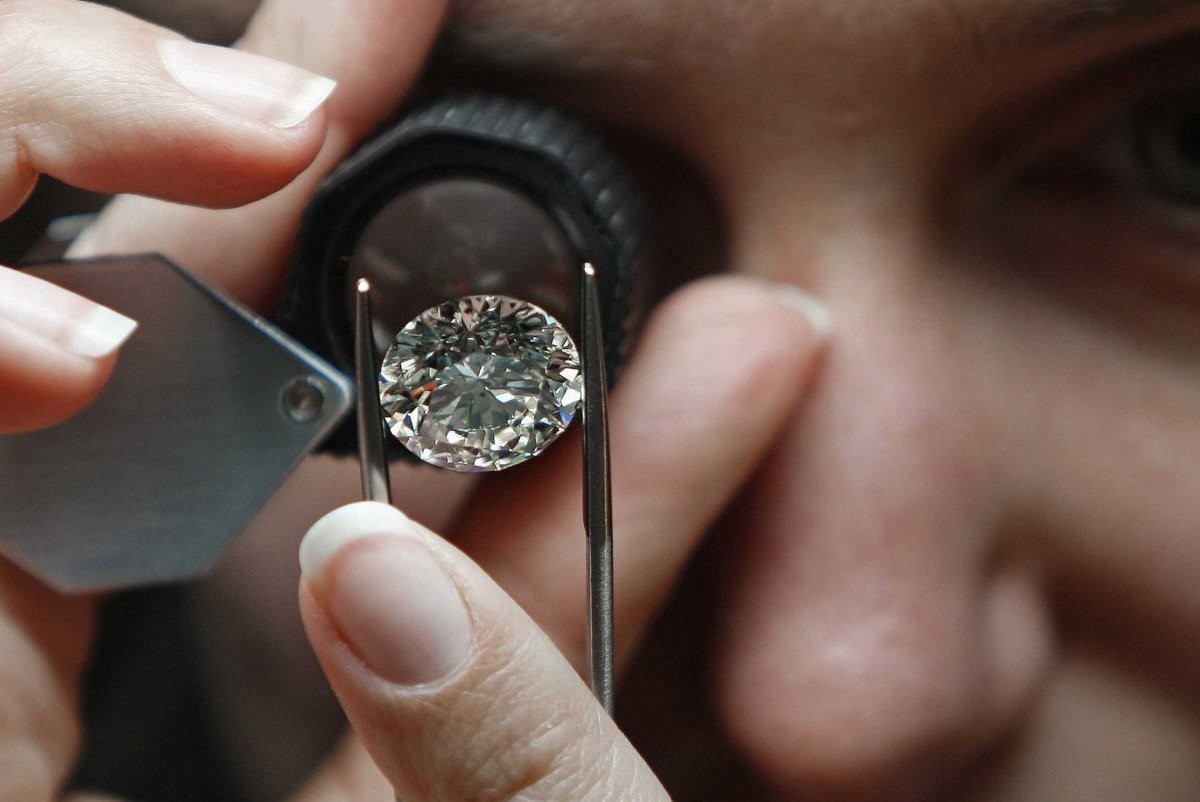
Traditionally, Russia has been the top destination for Armenian exports. Ktoyan explains that the shift is due to the types of goods being exported. According to him, since late 2023, there has been a sharp increase in the share of precious stones and metals in the export structure. As a result, the leading export destinations have also changed.
“A large volume of precious stones and metals is imported to Armenia from Russia. After undergoing certain processing, these products are exported to other countries, primarily to the UAE. While this boosts export figures, it cannot be said that significant added value is created within the country, nor does it substantially increase Armenia’s economic potential,” the economist emphasized.
- Economic growth in Armenia: War in Ukraine and re-export due to sanctions. Opinion from Yerevan
- “Bold actions can lead to serious problems,” says Armenian economist
- Sanctioned vehicles are being imported into Russia through Georgia, according to a Sky News investigation
Top three destinations for Armenian exports
According to official data, from January to August 2024, Armenia exported goods worth $9.69 billion. Compared to the same period last year, the export volume more than doubled.
The UAE leads in export volume. Goods worth $4.31 billion were exported to the Emirates, marking an increase of over seven times compared to the previous year.
Russia ranks second, but exports in this direction have decreased.
Exports from Armenia to Russia dropped by 19.5%, totaling $1.93 billion.
China takes third place, with exports reaching around $840 million, a figure three times higher than last year.
There are two main reasons for the decline in exports to Russia
Economist Armen Ktoyan believes that the primary factor behind the decrease in export figures is related to the re-export of goods:
“Exports of machinery, equipment, and technical devices increased almost 20-fold in the two years following the [Russia-Ukraine] war. We had a fairly high base, but it reached its peak, and now a decline was inevitable.”
The expert explains that the reduction is driven by a drop in the export of goods that had previously fueled “rapid growth.” He describes the current phase as one of “adjustments.”
Another factor contributing to the decrease in export volumes is increased competition in the Russian market for traditionally exported goods, exacerbated by the devaluation of the ruble.
“Amid the ruble’s devaluation, it has become quite difficult to compete in the Russian market. This creates additional challenges for our traditional export goods, for which Russia was the main market,” the economist emphasized.
Armenia’s exports to UAE
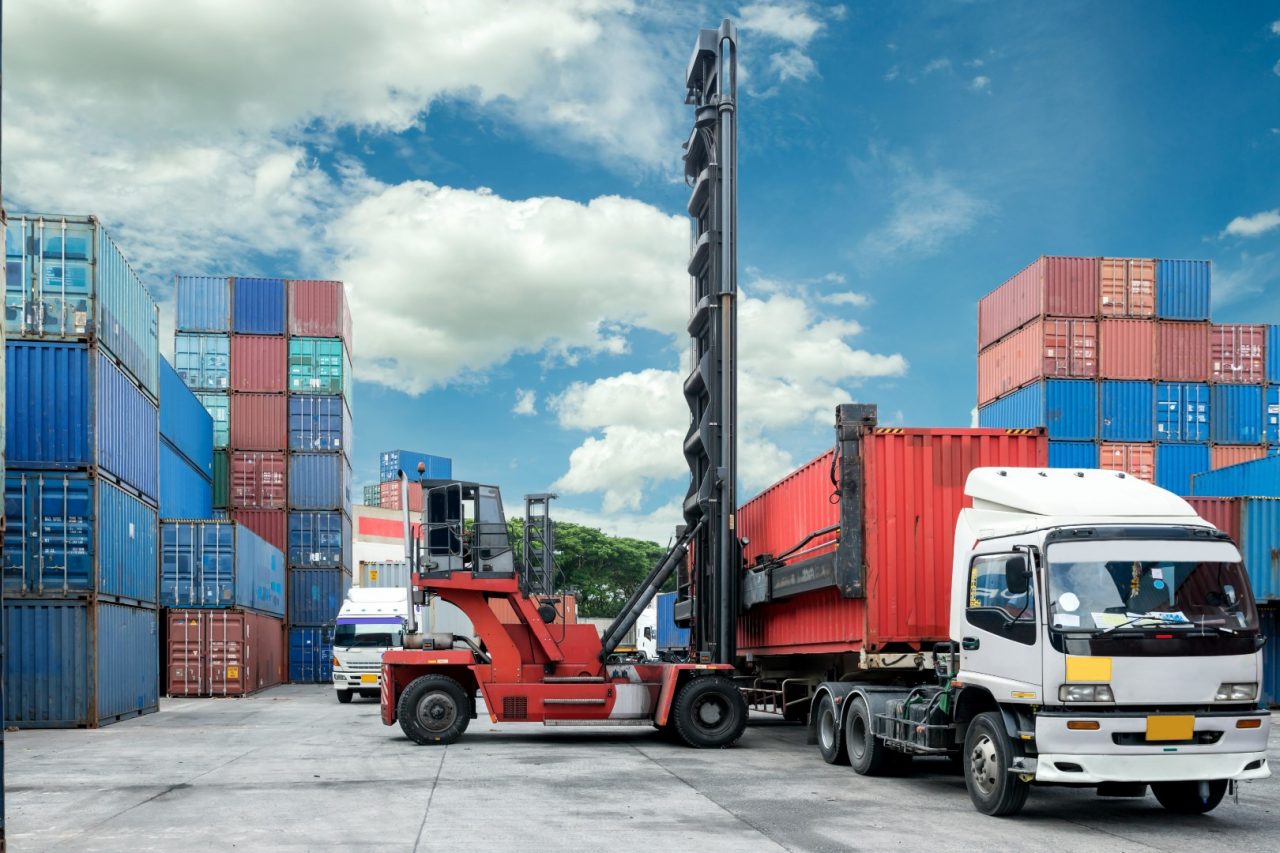
The main destination for Armenian exports to EAEU countries is Russia
Changes in the trade structure with Russia are reflected in the overall volume of exports to the EAEU market. Ktoyan explains that 95% of Armenia’s trade with the countries of the Eurasian Economic Union (EAEU) is with Russia.
The Eurasian Economic Union is an international organization focused on economic integration. Led by Russia, the union also includes Belarus, Kazakhstan, and Kyrgyzstan. Armenia became a full member of the EAEU in January 2015.
“In the first eight months, exports to EAEU countries totaled $2.05 billion, down by 18.4%,” the economist said.
During the same period, exports to EU countries also decreased by 24.2%, amounting to $391.28 million.
“At the same time, exports to certain EU countries have increased. For example, exports to Belgium rose by 50.5% to $85.72 million, while exports to Romania increased by 88.6% to $3.92 million,” he noted.
According to Ktoyan, in the early 2000s, Armenian exports to the EU were three times higher than to Russia. The situation has now drastically changed:
“The issue isn’t that we had competitive products back then and don’t anymore. Rather, during those years, the primary export partners in the mining industry were European companies. Through them, products were exported to markets for further processing, which boosted trade figures with the EU. Now, there’s a shift in capital within the mining sector, impacting export markets.”
The economist also notes that part of the decline in exports to the EU is due to businesses opting for faster profits by shipping goods to the EAEU:
“The EAEU market offers a quicker path to larger profits. Companies that used to export our traditional products to Europe are now redirecting their resources to markets where they can sell faster and make more money. That’s just the logic of business,” Ktoyan explained.
Follow us – Twitter | Facebook | Instagram
Armenia’s exports to UAE
