
Leyla Aliyeva, Vice-President of the Heydar Aliyev Foundation and founder and head of IDEA Public Union, along with Arzu Aliyeva, President of the Baku Media Center, met with Rafiga Makhsudova, a participant of the “Young beekeeper” project, in Gabala, Azernews reports citing Azertag.
Day: October 11, 2024
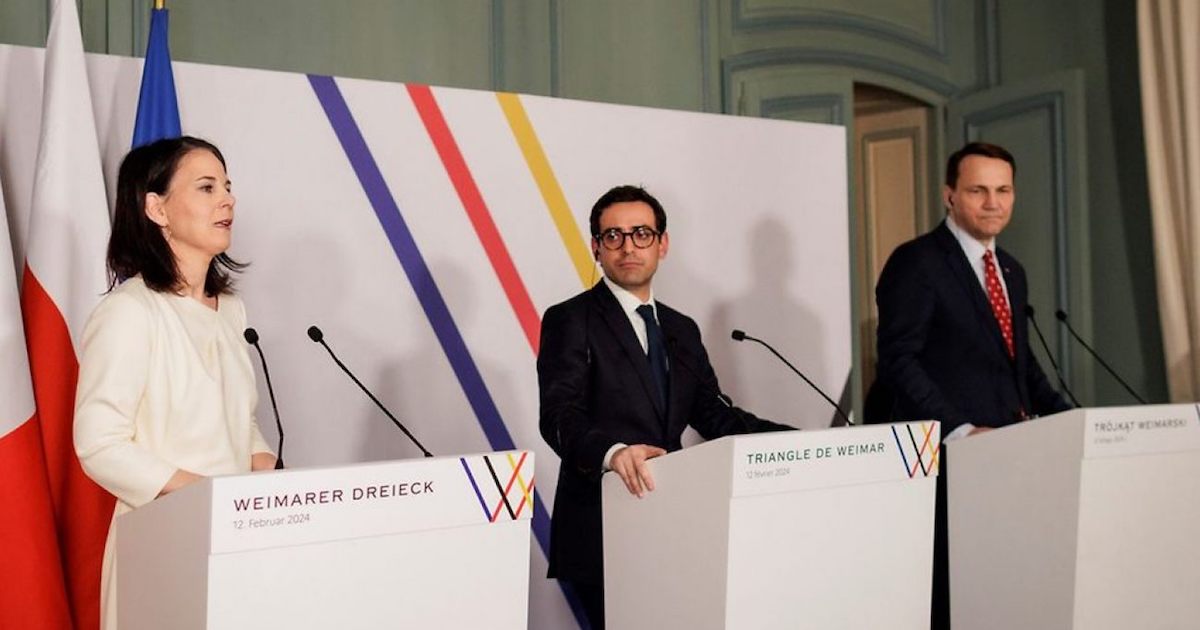
The Weimar Triangle statement
The foreign ministers of the member states of the Weimar Triangle [Germany, France, Poland] issued a joint statement urging the Georgian government to change its approach and political course, as cooperation between the European Union and Georgia is at risk.
The foreign ministers of the three countries emphasized their support for the democratic and European aspirations of the absolute majority of the Georgian people and noted the importance of conducting the upcoming parliamentary elections on October 26 in a free and fair manner.
Statement from the member states of the Weimar Triangle
“We regret the actions of the Georgian government that have led to the effective suspension of Georgia’s EU accession process, as announced by the Council of Europe, representing the heads of 27 member states and governments of the EU, on June 27.
Since then, the negative trend has only worsened, with a troubling threat of repression, the enactment of the so-called ‘Transparency Law,’ which stigmatizes NGOs receiving more than 20% of their funding from abroad and labels them as conduits for foreign interests, recent legislative changes limiting the rights of LGBT+ individuals, as well as attacks on civil society organizations and independent journalists.”
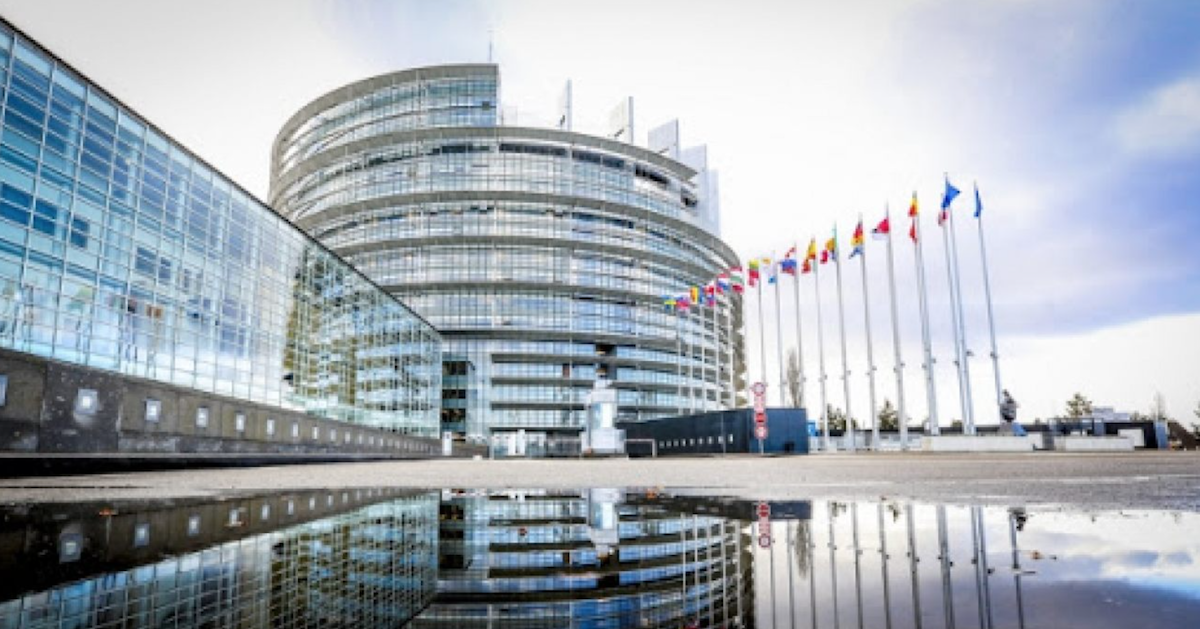
Moreover, we note with increasing concern the rise of aggressive rhetoric towards the EU and its member states. The EU will not allow representatives of the Georgian authorities to spread false narratives about European positions and policies.
We expect the Georgian authorities to ensure that the upcoming elections are free and fair, and in line with the recommendations of the ODIHR/OSCE, particularly regarding the ability to conduct an electoral campaign freely and safely.
We hope that the Georgian government will once again commit to implementing the priority reforms outlined by its status as an EU candidate country. We remain ready to continue supporting the Georgian society on its path to a European future.
We continue to strengthen and support the sovereignty and territorial integrity of Georgia within its internationally recognized borders.

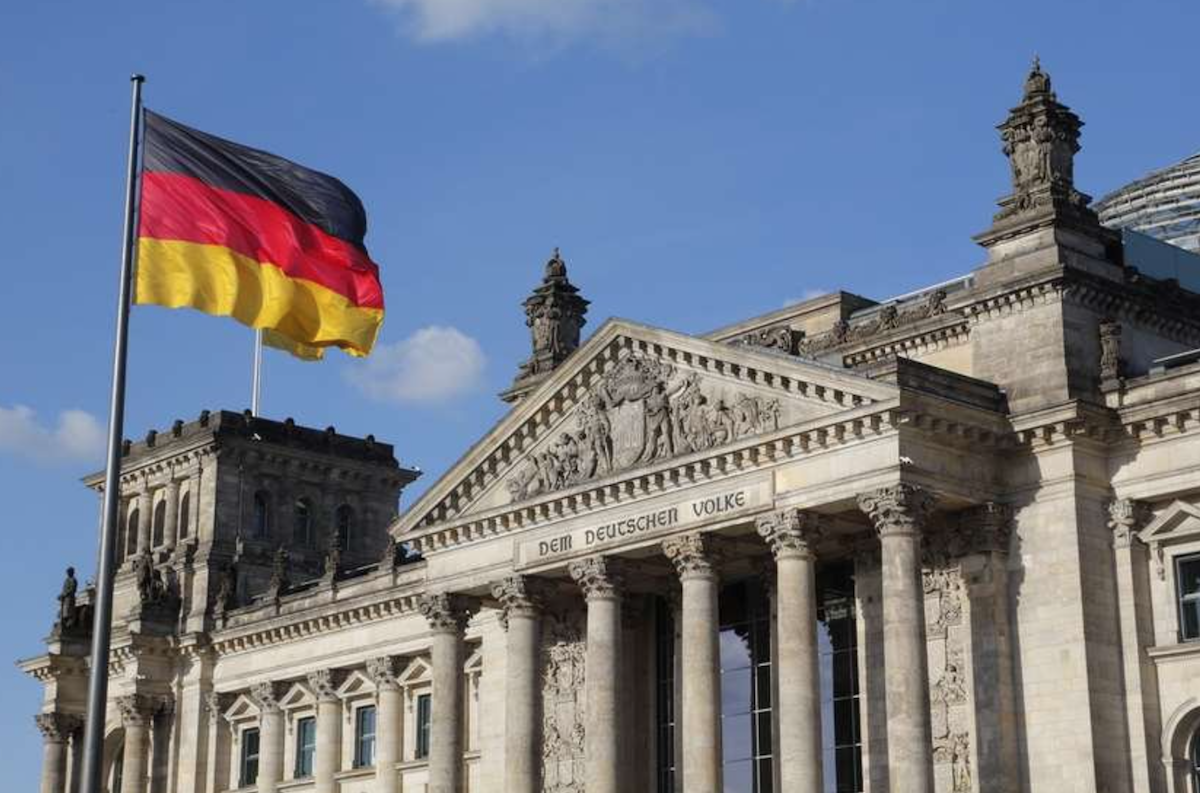
The Bundestag resolution on Georgia.
The German Bundestag adopted a resolution titled “For Georgia’s European Future,” which states that the current authoritarian and anti-European course of the Georgian government jeopardizes the country’s Euro-integration.
The resolution mentions that the law on “Transparency of Foreign Influence” (the so-called “foreign agent” law) cannot facilitate Georgia’s accession to the European Union. The Bundestag insists that as long as this law remains in effect, there will be no progress in Georgia’s EU accession process.
According to the Bundestag, maintaining the power of the founder of the ruling party “Georgian Dream,” Bidzina Ivanishvili, is being prioritized over Georgia’s European future and democratic stability. The leadership of “Georgian Dream” is attempting to “behave increasingly authoritatively” and is fostering an atmosphere of fear in society.
The Bundestag urges the German federal government to “closely monitor the situation in Georgia to identify possible facts that could serve as grounds for imposing targeted sanctions.”
The draft resolution was developed by the Social Democratic Party of Germany, Alliance 90/The Greens, and the Free Democratic Party. The opposition parties—the Christian Democratic Union, the far-right Alternative for Germany, and the far-left Sarah Wagenknecht Alliance—voted against it. The Left Party abstained.
Aniko Glogowski-Merten, a member of the Free Democratic Party, stated during the Bundestag session that Ivanishvili’s actions, particularly the persecution of the opposition, seem very dangerous to her.
“Dear Georgians! We see you. Stay strong. Go to the polls and vote against the puppet regime of Russian oligarchs; vote for freedom,” Glogowski-Merten urged the people of Georgia.
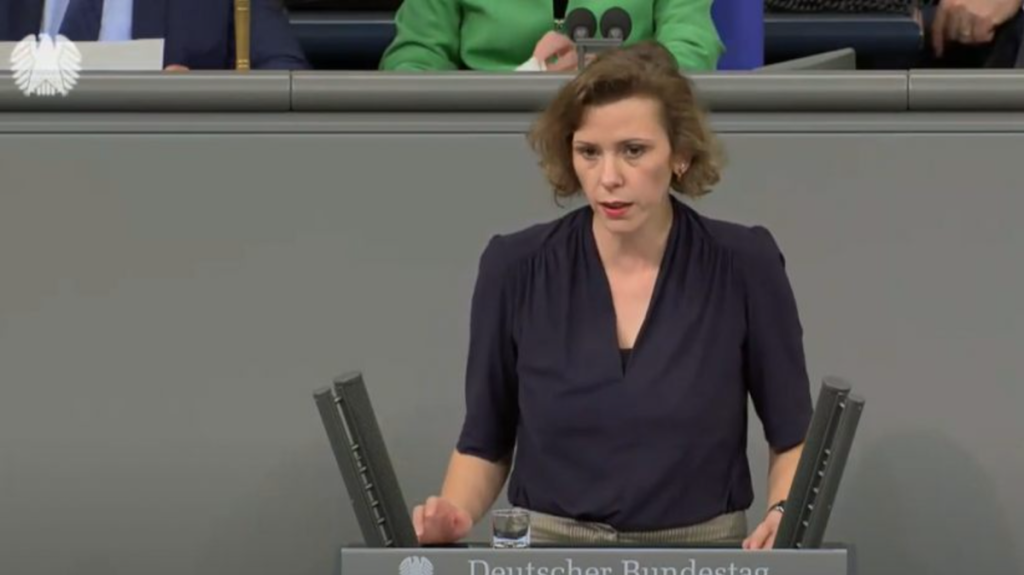
In turn, another MP, Michael Roth, stated that “Georgian Dream has turned into a Georgian nightmare: the party is making wrong decisions that are incompatible with European values.”
On October 10, the foreign ministers of the Weimar Triangle member states [Germany, France, Poland] issued a joint statement urging the Georgian government to change its approach and political course, as cooperation between the European Union and Georgia is at risk. The statement also emphasized the importance of holding free and fair parliamentary elections.
On October 9, the European Parliament adopted a resolution on Georgia, calling on the democratic partners of the European Council and the European Union to impose immediate personal sanctions on Bidzina Ivanishvili “for his role in deteriorating the political process in the country.”
4o

