Categories
South Caucasus News

Minister: Azerbaijan-Malaysia trade turnover rose by 60% in 8 months of 2024


The trade turnover with Malaysia in the eight months of 2024 increased by 60% compared to the same period last year, the Azerbaijani Minister of Labor and Social Protection of Population, Sahil Babayev, told a reception held on the occasion of Malaysia’s


Categories
South Caucasus News

Turkish army neutralizes two terrorists in northern Syria


The Turkish Armed Forces have neutralized two members of the PKK/YPG terrorist organization in the Operation Euphrates Shield zone in northern Syria, Report informs, citing the Turkish Ministry of National Defense.


Categories
South Caucasus News

Learning from history: Armenia’s risk in relying on Western promises


History has shown time and again that when strategic interests change, so too do the allegiances of global powers.

Categories
South Caucasus News

Chinese scientists created suture threads that accelerate wound healing


Chinese biochemists have developed decomposable suture threads that accelerate wound healing after surgery, Azernews reports.

Categories
South Caucasus News

Human rights organizations urge release of political prisoners in Azerbaijan


International organizations are once again calling on the Azerbaijani government to release prisoners detained on political grounds immediately.

In a joint report released on October 8 by Human Rights Watch and Freedom Now, these organizations highlight ongoing government actions against critics, independent groups, and media.

The report asserts that these attacks have intensified in the lead-up to the COP29 climate conference, set to commence on November 11. Spanning 74 pages, the report details the government’s systematic efforts to undermine civil society and silence dissent.

According to the findings, “the authorities have imprisoned dozens of individuals on politically motivated and false charges,” while repressive laws have further suppressed independent groups and the media, exposing them to potential criminal prosecution. The report stresses that “Azerbaijani authorities should immediately cease these pressures.”

The document highlights 33 instances of criminal prosecution, detention, and harassment, indicating that the government has deliberately manipulated laws regulating NGOs to deny registration and funding to certain groups, leading to criminal charges against their members.

Giorgi Gogia, Deputy Director for Europe and Central Asia at Human Rights Watch, emphasized the urgent need for the Azerbaijani government to halt its crackdown on civil liberties. He remarked, “The Azerbaijani government’s disregard for civil liberties forces independent groups and critical media into a position of censorship. The government should not present itself in such a negative light ahead of COP29. By releasing jailed critics and ending the misuse of charges against civil society, it can improve its international standing— but immediate action is required.”

The report cites opinions from over 40 Azerbaijani lawyers, relatives of detainees, and representatives from NGOs. It reviews the legal framework governing NGOs in Azerbaijan, relevant legal documents, decisions from the European Court of Human Rights, and other pertinent records.

Additionally, the report notes that Azerbaijani authorities have targeted three independent online news platforms, including AbzasMedia and Toplum TV. Their offices were raided, and sealed, and at least 12 journalists and associates have been arrested. Unregistered groups, labor rights activists, and other critics of government policies have also faced imprisonment.

While some organizations and media outlets have been shut down, others continue to operate despite significant risks. Among the 33 cases documented, individuals faced charges related to money smuggling, illegal entrepreneurship, document forgery, and tax evasion.

The report calls for the government to ensure that independent groups can operate without interference and to repeal oppressive laws affecting their activities. Furthermore, it urges the government to unconditionally release those imprisoned on politically motivated charges. It also recommends that, prior to COP29, the UN Framework Convention on Climate Change (UNFCCC) convey the importance of a thriving civil society for achieving effective climate action.

Amnesty International has echoed these concerns in a statement released on the same day. The organization urged countries to pressure the Azerbaijani government to cease its crackdown on civil society and free those detained for exercising their right to free expression. Anyes Kallamar, the organization’s General Secretary, criticized the ongoing detentions, stating, “At a time when the Azerbaijani authorities are hosting an international conference on climate justice, they are actively attacking the fundamental pillars of climate activism—suppressing critical expression and dismantling local civil society.”

Amnesty International also expressed apprehension regarding potential repercussions for critics during and after COP29, suggesting that those who voice dissent could face severe retaliation once international scrutiny diminishes. The organization is calling on delegations at COP29 to influence the Azerbaijani government to uphold freedoms of expression, association, and peaceful assembly.

In response to international criticism, Azerbaijani authorities have rejected claims regarding the worsening human rights situation and accused organizations of bias. On October 3, a group of 60 U.S. Congress members urged Secretary of State Antony Blinken to advocate for human rights protections in Azerbaijan and the release of political prisoners ahead of COP29. President Ilham Aliyev dismissed these appeals as “ugly” and asserted that they would not impact the Azerbaijani government’s resolve. Following this, 43 members of the Azerbaijani Parliament called for a reassessment of relations with the United States and a review of defense agreements.

The post Human rights organizations urge release of political prisoners in Azerbaijan appeared first on MEYDAN.TV.


Categories
South Caucasus News

Azerbaijan, ADB mull cooperation opportunities in transport


Azerbaijan and the Asian Development Bank (ADB) discussed cooperation opportunities in transport, particularly in railways and metro, Azerbaijani Minister of Digital Development and Transport Rashad Nabiyev said on X, Report informs.


Categories
South Caucasus News

Ukraine and Croatia sign security agreement


Ukraine and Croatia have signed an agreement on long-term support and cooperation, Report informs via RBC-Ukraina.


Categories
South Caucasus News

Azercell enhances “Tourist” tariff plans ahead of COP29


The leading mobile operator makes mobile services more accessible and affordable for foreign visitors to Azerbaijan

Categories
South Caucasus News

“For Russians, leaving the Armenia-Iran border checkpoint is not a red line.” Opinions


Outcomes of Pashinyan’s visit to Moscow: Opinions from Yerevan

Outcomes of Pashinyan’s visit to Moscow

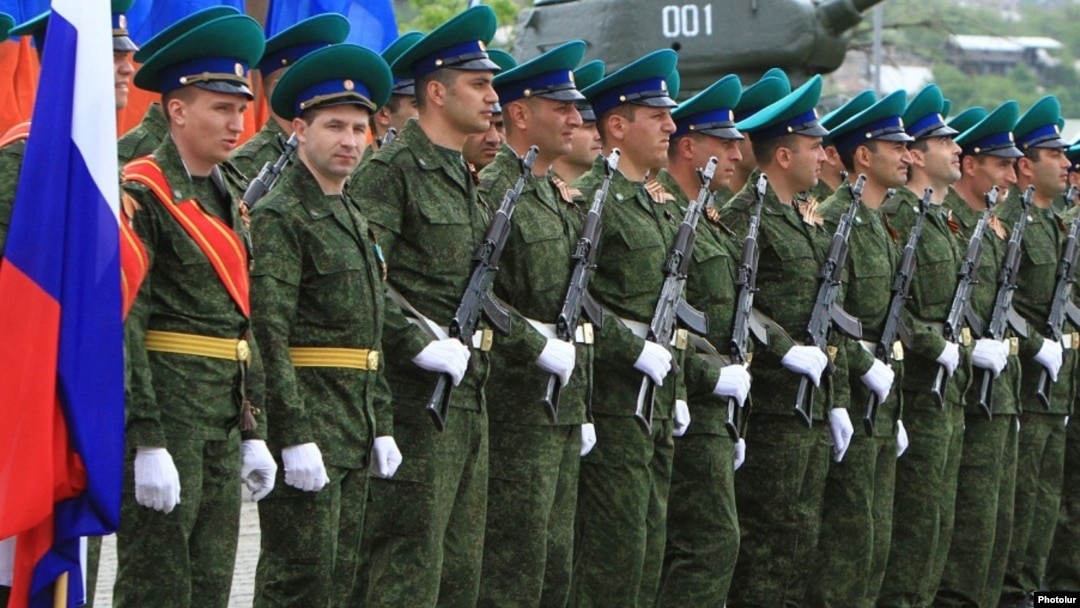
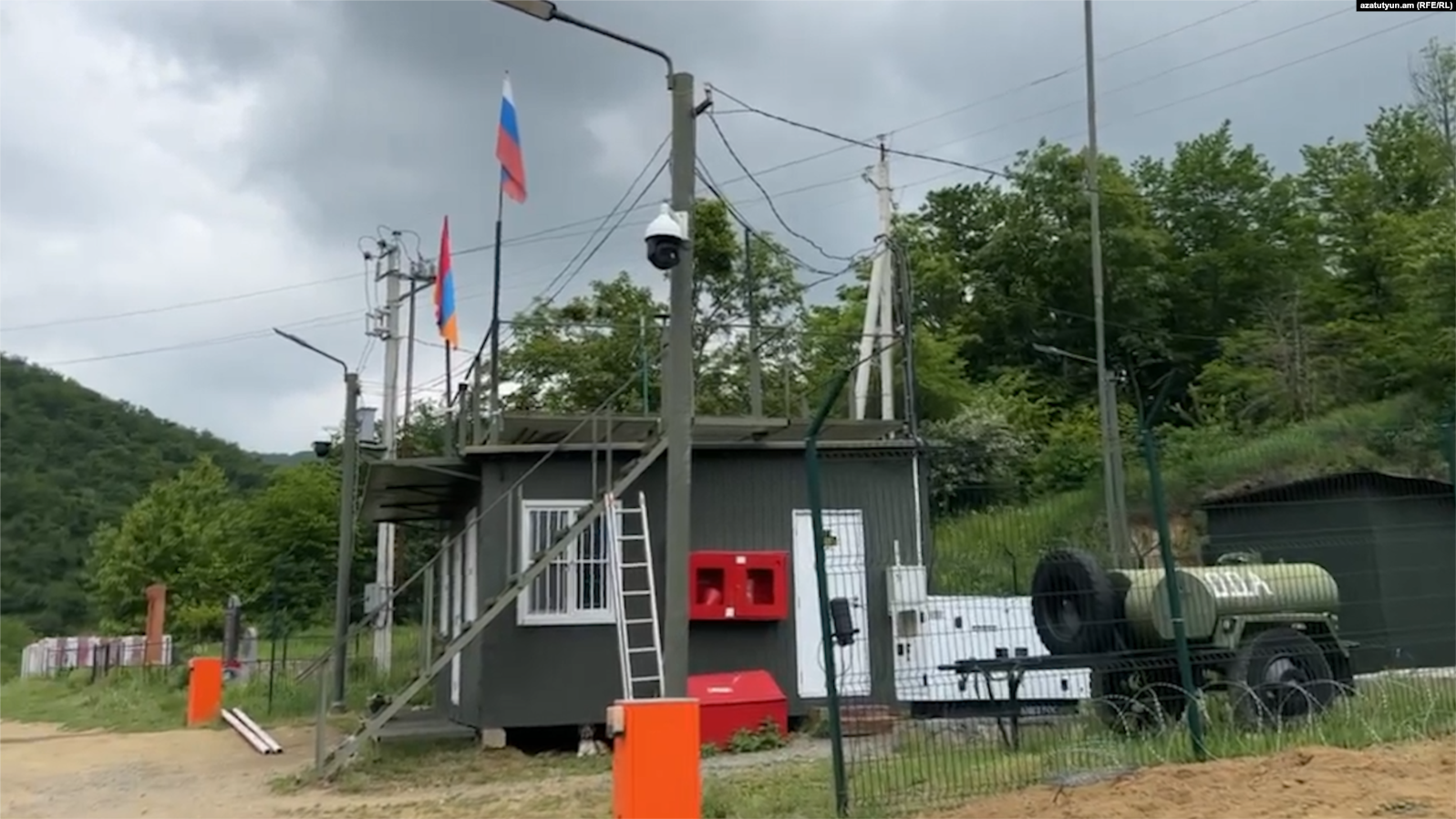
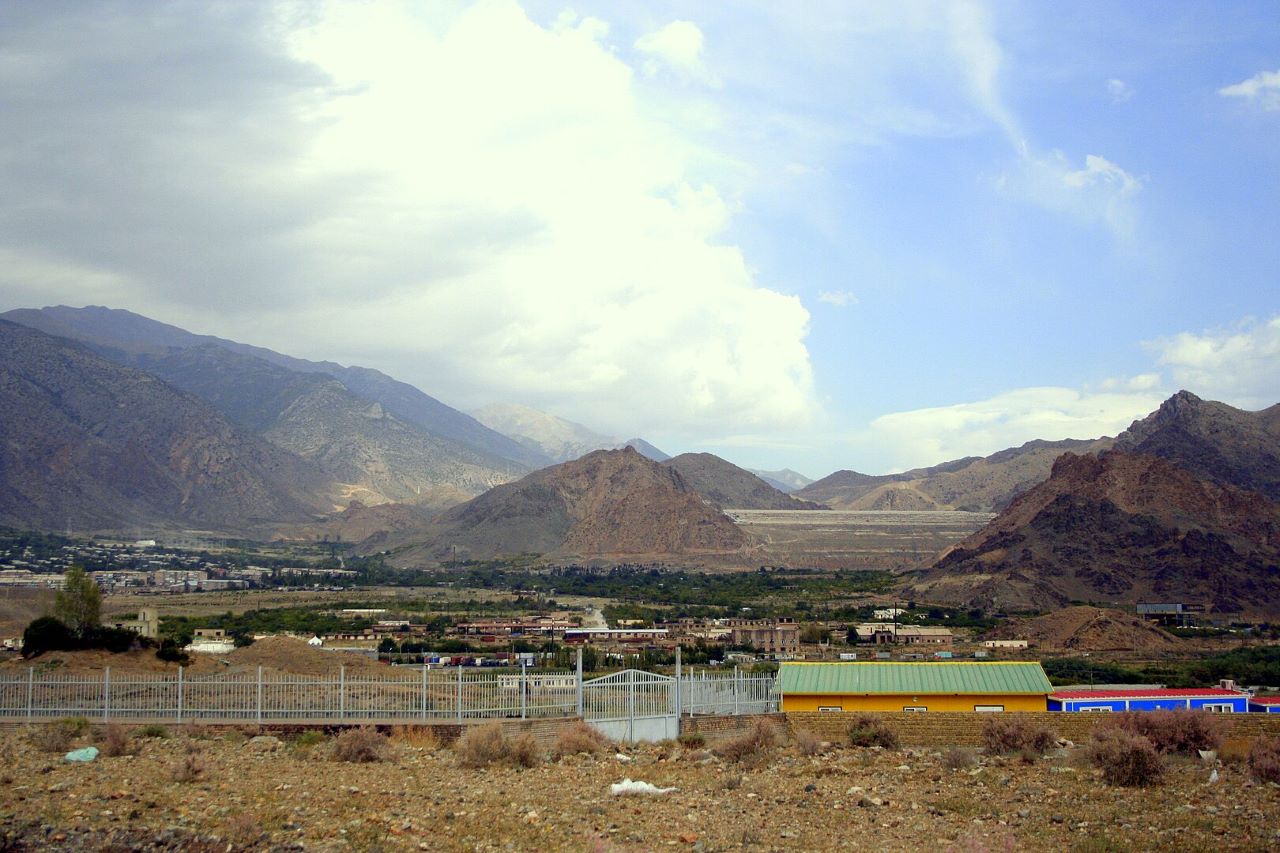
Starting from January 1, 2025, the Armenia-Iran border checkpoint will be fully controlled by the Border guard troops of Armenia’s National Security Service (NSS). In other words, the Russian FSB border troops will withdraw. Armenian border guards will also take responsibility for securing the entire perimeter of the state borders with Iran and Turkey. This agreement, reached during the recent PashinyanPutin meeting in Moscow, was announced by the Armenian Prime Minister’s spokesperson, Nazeli Baghdasaryan.

The Russian FSB’s Border guard directorate has been protecting Armenia’s borders with Turkey and Iran under the interstate agreement “On the status of the border troops of the Russian Federation deployed on the territory of the Republic of Armenia and the conditions of their activity.” This agreement was signed in 1992.

Several months ago, Russian border guards also withdrew from Zvartnots Airport and from Armenia’s border regions with Azerbaijan. They had been deployed in these regions after the 2020 Nagorno-Karabakh war.

Most Armenian analysts view the recent agreement for the Russian border guards’ withdrawal as a result of Armenia’s consistent diplomatic efforts and as a natural continuation of an earlier process. However, there is also an opinion that in terms of its “geopolitical significance,” this agreement is not Armenian-Russian but rather Russian-Iranian.


The ongoing process of withdrawing Russian troops from Armenia

A previous similar agreement was also reached during a meeting between Pashinyan and Putin. This took place on May 8, 2024. At that time, the Armenian Prime Minister managed to secure the withdrawal of Russian border guards from Zvartnots Airport and from the border regions adjacent to Azerbaijan, including Vayots Dzor, Tavush, Syunik, Gegharkunik, and Ararat.

“Pashinyan stated that due to the changing circumstances, there is no longer a need for this presence. President Putin agreed, and the withdrawal of our military and border guards was finalized,” Kremlin representative Dmitry Peskov said that time.

Since August 1, the National Security Service (NSS) of Armenia has assumed responsibility for border security at the airport.

There is no official information regarding how many Russian border guards were stationed at Zvartnots Airport. The NSS has stated that this is “a state secret.” However, it is known that they have not left Armenian territory.

“The Russian border guards who left Zvartnots Airport continue to serve along the Armenia-Turkey and Armenia-Iran borders,” the NSS reported.

Comments

Political analyst Lilit Dallakyan views the agreements reached in Moscow as a positive step and a certain achievement.

“This signifies an increase in Armenia’s sovereignty, which is crucial, especially in the context of deepening our relations with the European Union. The fact that we didn’t control or even have a presence on two of our most important borders couldn’t be considered normal,” she told JAMnews.

However, she emphasizes that while the Russians will leave the checkpoints, they will continue to serve on both the Armenia-Iran and Armenia-Turkey borders:

“It would be better if there were no Russian control at all. We need to move in small steps, but at a fast pace. We must use all the tools at our disposal to remove them from the borders.”

According to the political analyst, Russia does not view the withdrawal from the checkpoint as a red line.

“The Russians know that the goods transported through the Armenia-Iran border will not contradict Russia’s interests. Additionally, they will maintain their presence here. Even if they aren’t at the checkpoint, they will still remain on the Armenia-Iran border. The red line for Moscow is to completely leave the border, and at this moment, I don’t consider that realistic,” she explained.

Lilit Dallakyan recalls recent statements made by Russian officials, which she believes highlight the strategic importance of the Armenia-Iran border for Russia:

“First, Peskov used the term ‘Zangezur Corridor’ [referring to the road through Armenia connecting Azerbaijan with Nakhchivan, over which Russia seeks control]. Then, Russian Deputy Prime Minister Overchuk stated that Armenia and Azerbaijan would not be able to unblock regional communications without Russia. This indicates that Russia has no intention of leaving this region.”

The political analyst does not rule out the possibility that, in exchange for the withdrawal of its border guards, Moscow received certain concessions from Yerevan. She says this will become clear in the coming days as more information emerges.

Political observer Hakob Badalyan views the agreement reached “in the context of geopolitical aspects and regional nuances.” He wrote about this on his Facebook page.

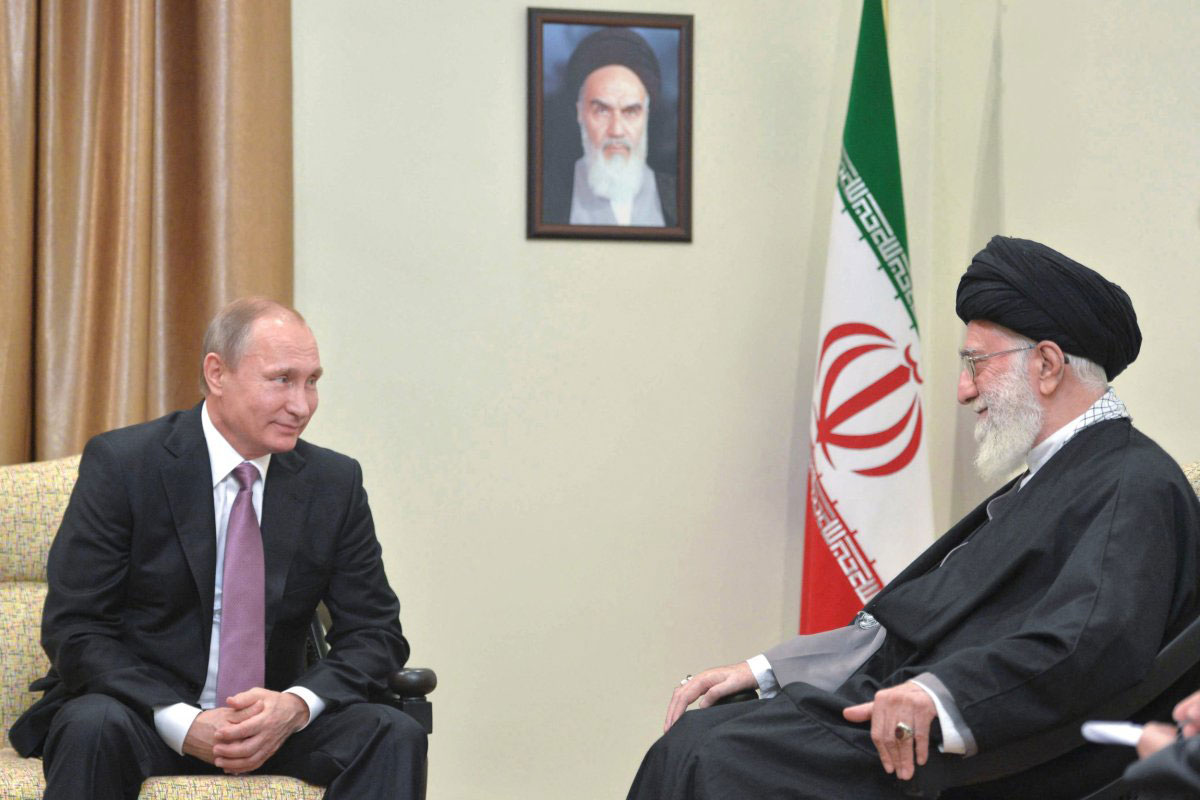
He points out that the agreement was reached just a few days before the first meeting between Putin and the President of Iran, scheduled to take place in Turkmenistan on October 11.

“On October 22-24, the BRICS summit will be held in Kazan, where Pezeskhian will attend. In fact, it turns out that Putin and the President of Iran ‘cannot wait’ for 10 days. And their first meeting will not take place in Russia, but in Turkmenistan. This means there’s a serious matter for discussion if they ‘cannot wait’ for the meeting in Kazan,” says Badalyan.

In this regard, he views the agreement with Putin as a Russian-Iranian one, rather than an Armenian-Russian one:

“In essence, Russia is ‘withdrawing, vacating its position between Armenia and Iran.’ This is a significant gesture of trust towards Iran, because, in geopolitical terms, Russia is entrusting the Armenia-Iran communication not to Armenia, but to Iran.”

The analyst emphasizes that this move was made just ahead of the meeting with Pezeskhian, which implies that Moscow is expecting a “reciprocal gesture” from Tehran:

“In what form? Could it be through the signing of a Russian-Iranian agreement, or within the context of the Kazan summit, or in relation to current events in the Middle East? Or perhaps it’s a gesture of trust towards Iran in exchange for an agreement on an issue concerning the Caucasus? It’s hard to provide a definitive answer,” he noted.

Follow us Twitter | Facebook | Instagram

Outcomes of Pashinyan’s visit to Moscow


Categories
South Caucasus News

Russian border guards to withdraw from Armenia-Iran border


Armenian Prime Minister Nikol Pashinyan and Russian President Vladimir Putin have agreed that from January 1, 2025, the checkpoint between Armenia and Iran will be guarded solely by Armenian border troops, Azernews reports.