
On October 9, President of the Republic of Azerbaijan Ilham Aliyev received Kerry McCarthy, Minister …
Day: October 8, 2024
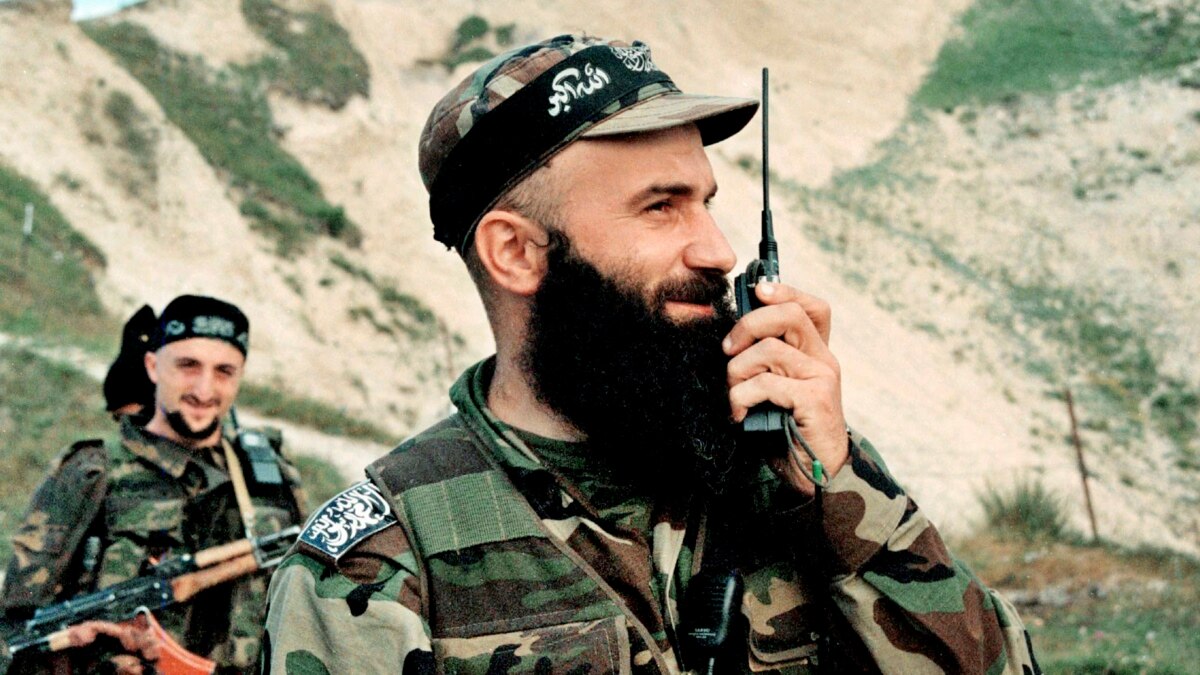
Basayev’s portrait
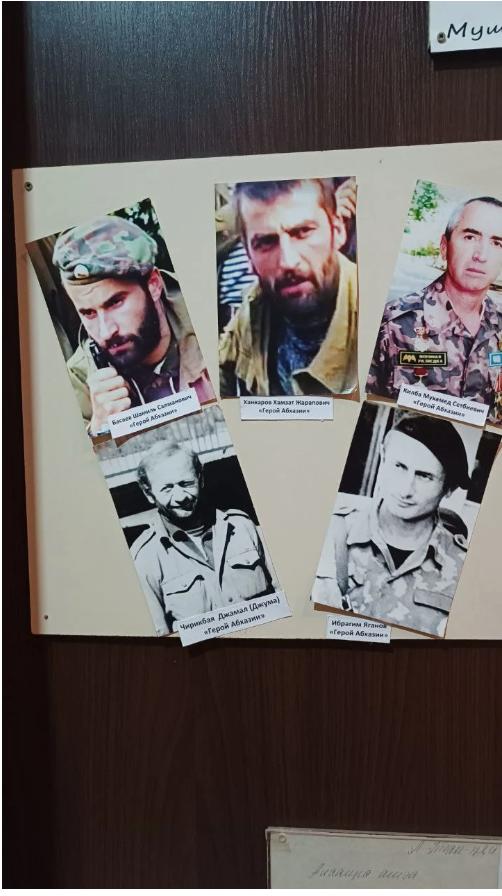
The Ombudsman of North Ossetia, Tamerlan Tsoyev, has officially urged his Abkhaz counterpart, Anas Kishmaria, to “deheroize the terrorist Shamil Basayev,” whose portrait hangs in the State Museum of Abkhazia. Tsoyev requested that the issue of stripping Basayev of honorary titles and awards, including the title of Hero of Abkhazia, be considered.
Shamil Basayev was a Chechen field commander and one of the leaders of the armed struggle for the independence of the self-proclaimed Chechen Republic of Ichkeria. He actively participated in combat operations in Chechnya from 1991 to 2006.
In the Russian Federation, of which North Ossetia is a part, Ichkeria is recognized as a terrorist organization.
Basayev also fought on the side of the Abkhaz in the Georgian-Abkhaz war of 1992-93, for which he received the title of “Hero of Abkhazia.”
He organized a number of high-profile terrorist attacks in Russia.
He was killed in 2006 in Ingushetia.
The portrait of Basayev is displayed in the museum as part of the “Heroes of Abkhazia” exhibition in the hall of modern history. Moreover, it has been hanging there since 2012, not just recently.
Some in Abkhazia link the current scandal surrounding this portrait to the fact that Russian-Abkhaz relations are experiencing a serious crisis.
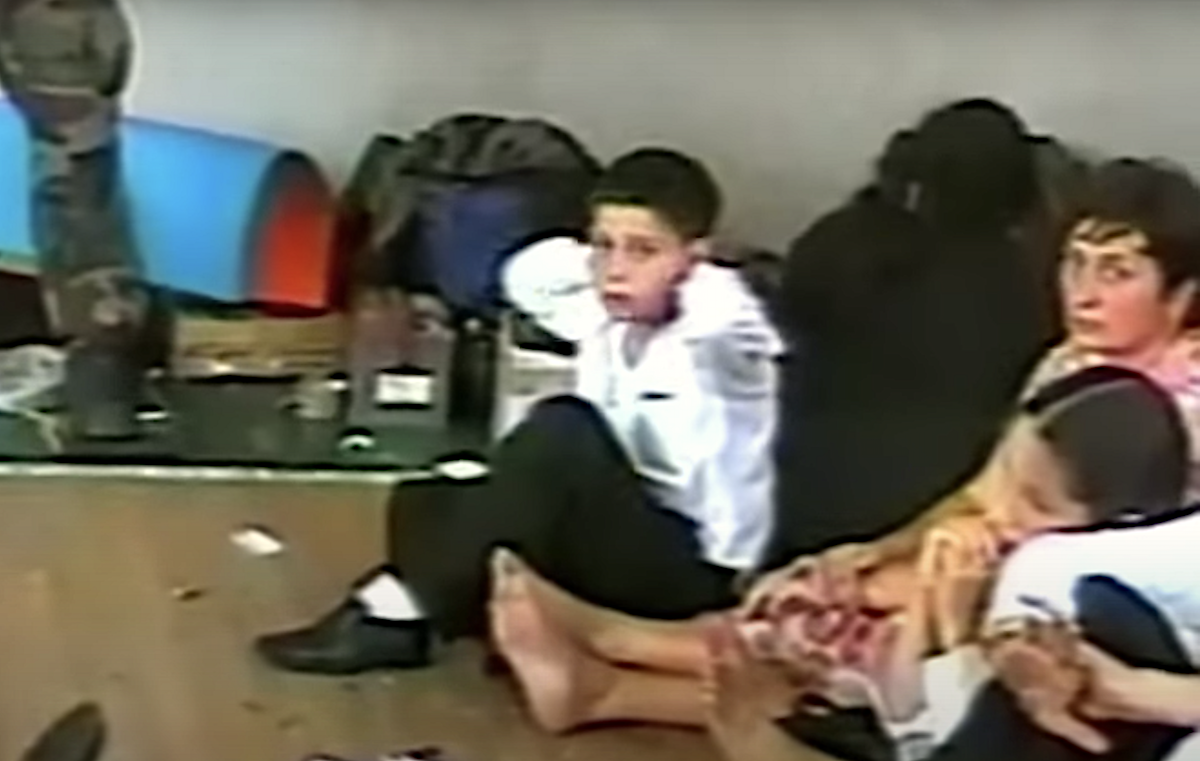
In North Ossetia, the heroization of Basayev is perceived very painfully, as he was the one who organized the hostage-taking at the school in the North Ossetian city of Beslan on September 1, 2004, resulting in the deaths of 334 people.
“The presence of Basayev’s portrait in the museum is not only morally unacceptable but also violates the rights of the residents of Russia who have suffered from terrorist attacks,” states Ombudsman Tamerlan Tsoyev.
He adds that this also contradicts international conventions on combating terrorism and creates an atmosphere of impunity for those who commit acts of violence.
The Abkhaz Ombudsman has not yet responded to the appeal, while the museum administration stated that it would remove the portrait only after an official court decision or after Basayev is stripped of his heroic title.
“He helped us achieve victory over the Georgian army. He is part of our history,” the museum said.
However, under pressure from various sides, including the Russian Embassy in Abkhazia, the museum agreed to temporarily close the exhibition as a compromise.
- “Ivanishvili’s next step should be an apology to the Abkhazians”. Opinion
- How the war in Abkhazia began in 1992
- Closed Georgian-Russian meeting took place in Vladikavkaz. How did the Ossetians react?
The situation has also outraged many veteran volunteers from the North Caucasus who fought on the Abkhaz side in the 1992-93 war.
According to one of them, “Basayev’s contribution to the overall victory was greatly exaggerated, and his unjustified crimes against defenseless women and children are unworthy of the title of a Caucasian man and mountaineer.”
In turn, Chechen military figure Apti Alaudinov, in a conversation with Ossetian bloggers, stated that “Shamil Basayev is not a hero, but a bloody murderer,” and urged Abkhazia not to create false idols for itself.
Terms, place names, opinions and publication ideas do not necessarily coincide with those of JAMnews or its individual employees. JAMnews reserves the right to remove comments on posts that are deemed offensive, threatening, violent or otherwise ethically unacceptable.
Categories
Abkhazia – JAMnews
Russian investments in Abkhazia
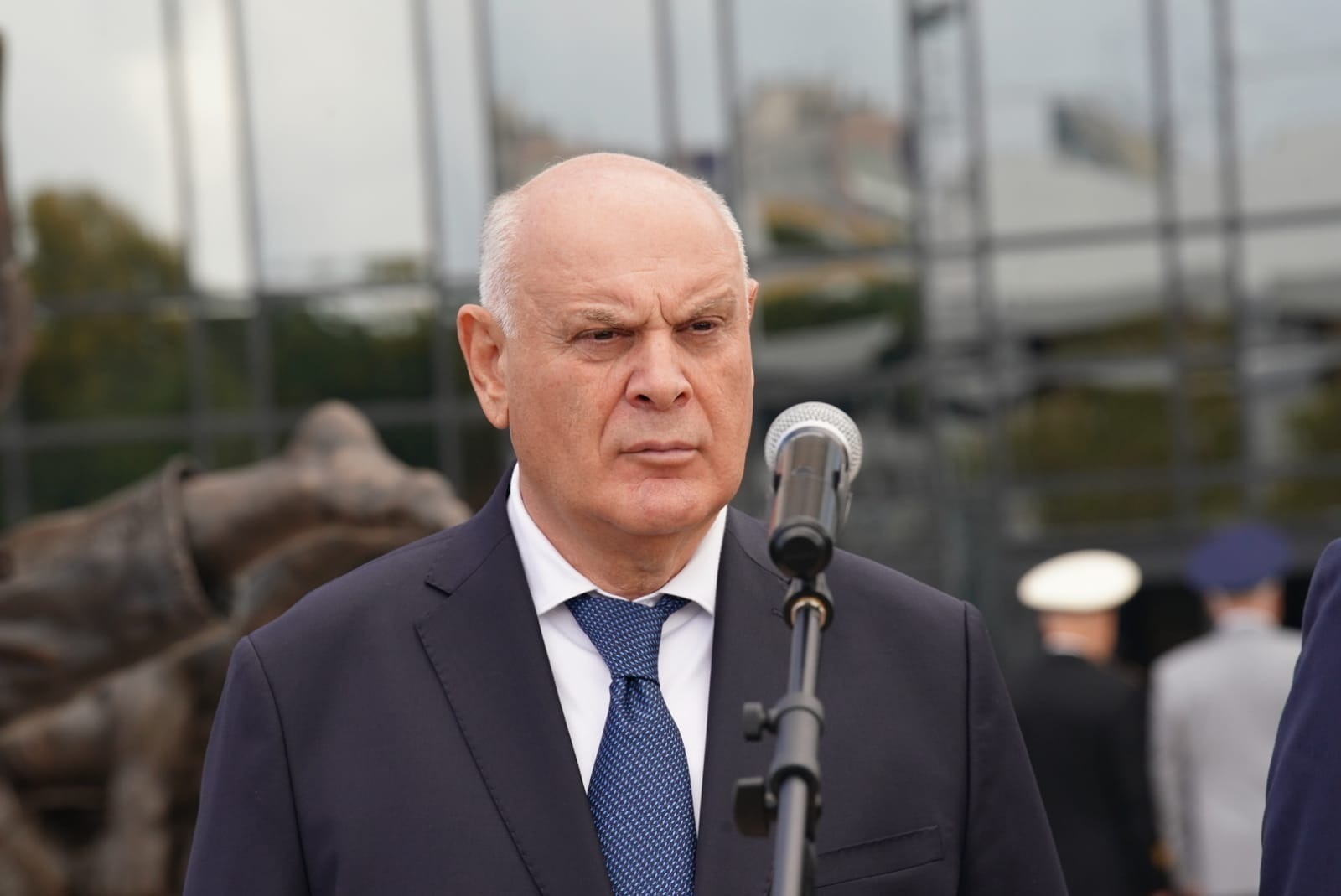
The President of Abkhazia, Aslan Bzhania, is making every effort to persuade the parliament to support the agreement on favorable conditions for Russian investments. With the help of loyal politicians and media, Bzhania is promoting the narrative that this agreement is vital for Abkhazia.
At the same time, the president and his team are openly hinting that if the parliament does not approve the agreement, it will be perceived as an anti-Russian act, and opponents of the agreement will be stripped of their Russian citizenship.
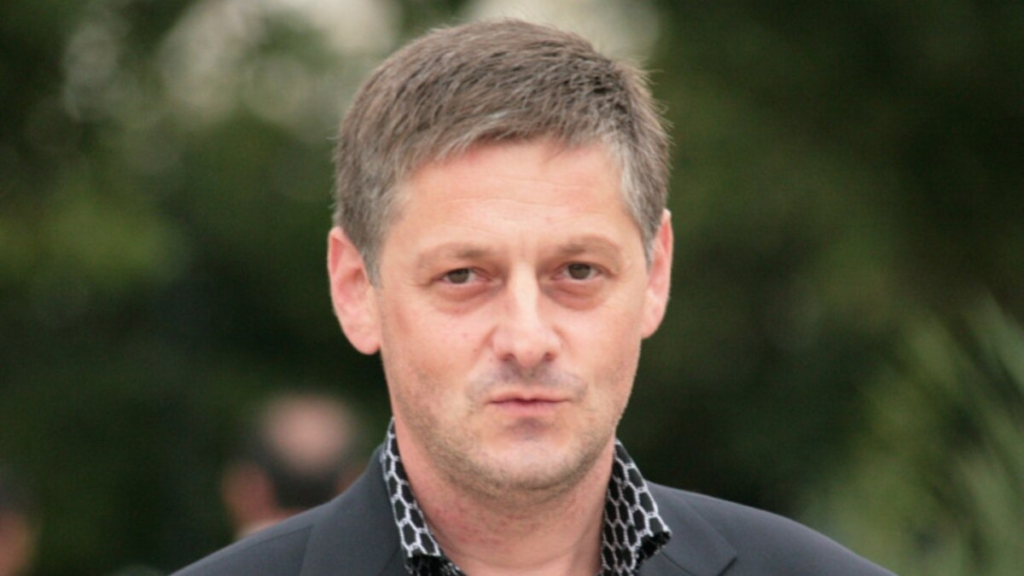
Despite pressure from the president, the parliament is reluctant to approve the agreement in its current form, as many deputies believe it will spell the end for local Abkhaz businesses, and possibly for Abkhazia itself.
There is a widespread and justified belief in the republic that Abkhaz entrepreneurs, lacking any support, are completely unable to compete with large Russian businesses, which would be exempt from taxes and customs duties, and granted preferential rights to various services—from land allocation to connection to infrastructure and communication networks.
The Abkhaz opposition has even dubbed the agreement a “colonial” project.
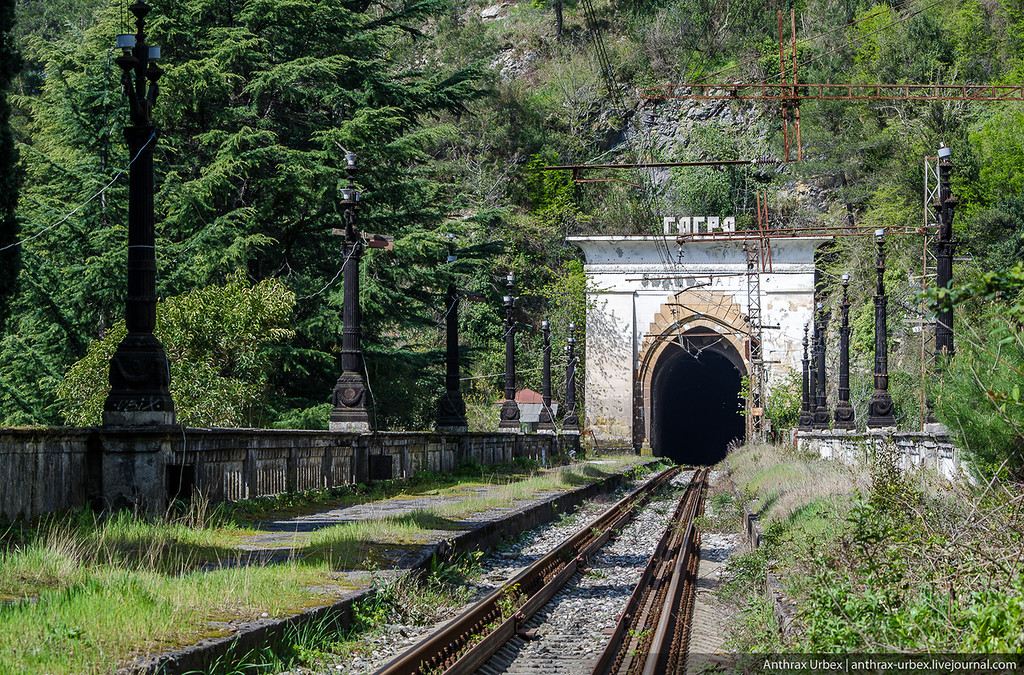
However, one of the opposition leaders, Adgur Ardzinba, makes a clarification: it is not the Kremlin pushing for such a bad agreement, but rather individual Russian oligarchs whose interests in Abkhazia are represented by President Aslan Bzhania.
Developing this idea further, the opposition claims that it was not the Kremlin that rejected the amendments and comments proposed by the deputies to the draft agreement, but rather a lawyer from the company MANTERA, which belongs to Russian oligarch Alexander Tkachov.
The authorities have yet to deny the claim that the amendments were sent for approval specifically to the company MANTERA.
- Abkhazia ratifies agreement with Russia on “mutual recognition of court decisions in economic matters”
- “Abkhazia’s strained relations with Russia are the president’s fault.” Interview with an Abkhaz oppositionist
However, it would be wrong to completely deny the Kremlin’s interest in promoting this agreement, as the stalled signing is one of the criticisms Russia directs at the Abkhaz authorities and one of the reasons for the crisis in Russian-Abkhaz relations.
Yet, as they say, the truth may lie “somewhere in the middle.” In other words, the Kremlin is keen for such an agreement, guaranteeing investments in Abkhazia, to be adopted, but it wouldn’t necessarily insist on every single detail.
Thus, the interest in the specifics of the agreement could very well be personal, but presented as a state matter.
I have no doubt that certain Russian oligarchs are interested in having the agreement passed in its current form.
But what is Aslan Bzhania’s interest in this?
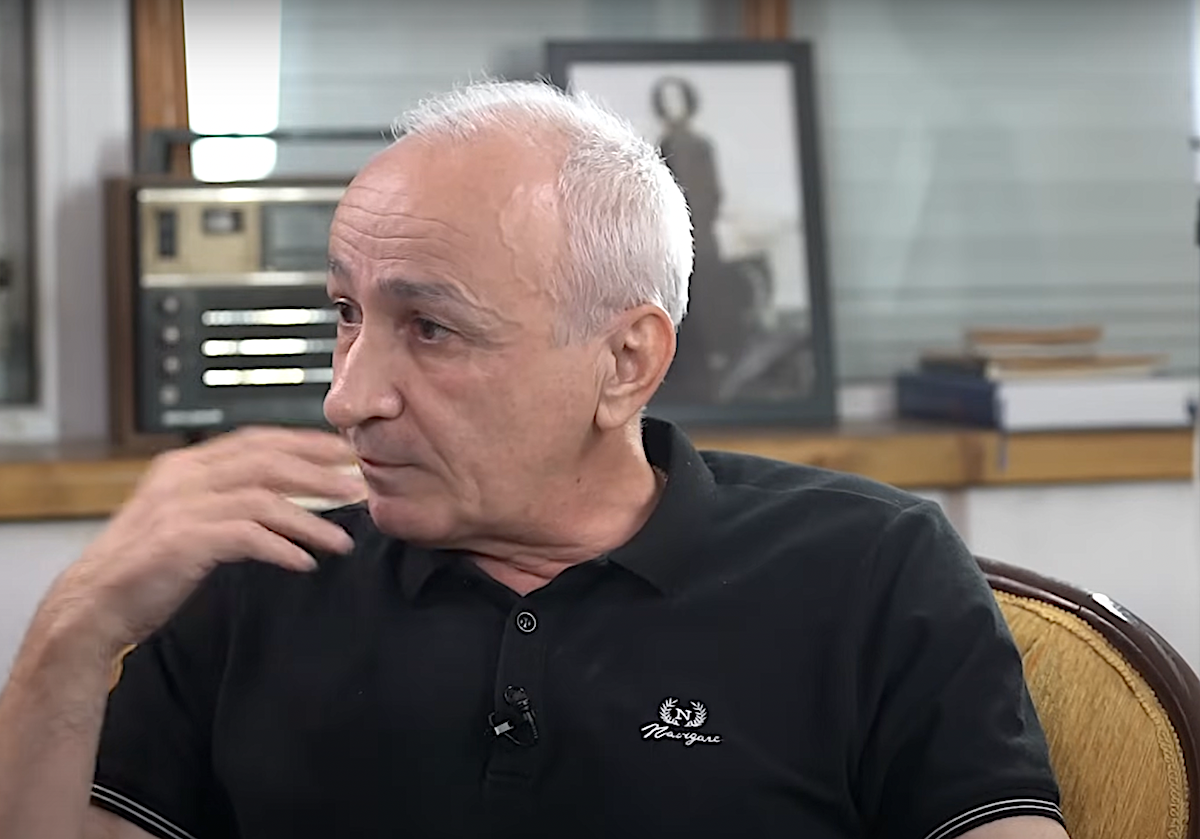
Here’s why: soon, Abkhazia will hold another presidential election, and Bzhania, whose approval rating is extremely low, will only be able to win if he secures a large amount of money. This money would be necessary not only to meet the everyday needs of the electorate but also to appease a portion of the elites.
There is no source for such funds within Abkhazia. The money could come either from the Kremlin or from Russian oligarchs.
For the Kremlin, it doesn’t really matter which candidate it backs in the upcoming election. Any Abkhaz president will cooperate with Moscow, so there’s no specific reason for it to support Aslan Bzhania.
Thus, the Kremlin is unlikely to act as a “sponsor” for his campaign, leaving Bzhania with only the hope of support from the oligarchs. Securing this support is what he is trying to do by pushing the parliament to approve the investment agreement as quickly as possible.
Terms, place names, opinions and ideas suggested by the author of the publication are her / his own and do not necessarily coincide with the opinions and ideas of JAMnews or its individual employees. JAMnews reserves the right to remove comments on posts that are deemed offensive, threatening, violent or otherwise ethically unacceptable.