
At the beginning of the new financial year, Nike asked investors to be patient, Azernews reports.
Day: October 2, 2024
President Zurabishvili is visiting Brussels to meet with EU leaders, including European Council President Charles Michel and Commission President Ursula von der Leyen.
The President traveled to the Belgian capital as part of her broader European tour, during which she visited Germany, France, and Poland, holding several high-level meetings and participating in the Warsaw Security Forum, among others.
Coming less than a month before the crucial October 26 elections, discussions in Brussels focused on Georgia’s European integration, democratic reforms, upcoming vote, and the EU’s support in this context.
“As a candidate country, Georgia needs to deepen its reforms in line with our common democratic values,” Charles Michel said in an X post he shared after what he described as a meeting with Zurabishvili “at a crucial moment for Georgia.” According to the EU leader, “reforms, the rule of law, and democratic principles are at the core of the EU path.”
European Council President further stressed that “a decision on Georgia’s future can only be made in Georgia by the Georgian people.”
Zurabishvili in turn said on X that during the meeting she “extended gratitude on behalf of our nation to Georga’s friend Charles Michel, who has steadfastly supported our European path.” According to the President, the EU’s support is “vital” for Georgia “at this pivotal moment,” specifying that “moral backing and election observers will empower the Georgian people as we reaffirm our commitment to the European future.”
Meeting with Commission President von der Leyen
The Georgian President also met with European Commission President Ursula von der Leyen, who later expressed “great respect” for Zurabishvili’s “commitment to Georgia’s European path.”
“Our meeting comes at an important moment—the upcoming elections will be a crucial test for Georgia’s democracy. And a defining moment for the future of EU-Georgia relations,” von der Leyen said in a post she shared on X.
In a separate X post, President Zurabishvili said she reaffirmed to von der Leyen “the Georgian people’s commitment to accelerating our European path.”
“I emphasized the crucial importance of European moral support to ensure the Georgian people don’t feel isolated as they declare their European choice on October 26th,” Zurabishvili added.
Zurabishvili has repeatedly traveled to European capitals to salvage her country’s EU chances amid deteriorating relations between Tbilisi and Brussels as a result of the Georgian government’s anti-democratic turn and anti-Western rhetoric. The visits even cost Zurabishvili a constitutional court battle with the government, which claimed that her trips were not sanctioned by the authorities.
Also Read:
- 02/10/2024 – President Zurabishvili Attends Warsaw Security Forum, Meets Polish Counterpart
- 30/09/2024 – President Salome Zurabishvili Meets German Counterpart in Berlin Ahead of Elections
- 28/09/2024 – “Before Bucha was Abkhazia” Screened at French National Assembly
- 02/10/2024 – President Refuses to Sign Anti-LGBT Law
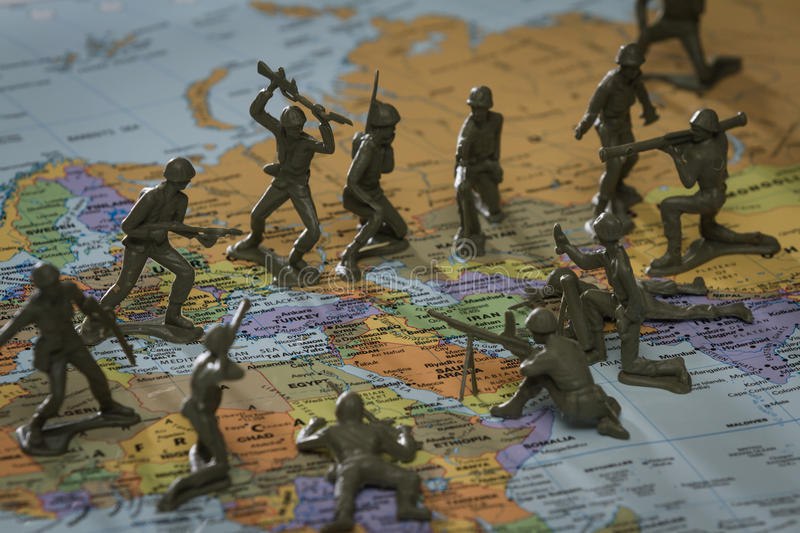
Tensions in the Middle East
The situation in the Middle East is becoming increasingly tense with each passing day. On October 2, Israeli forces carried out airstrikes on targets in the southern suburbs of Beirut, which the military claimed were Hezbollah sites. A group of militants reported clashes with Israeli soldiers attempting to infiltrate the Adaisseh settlement.
Ongoing hostilities occurred as the UN Security Council prepared to meet on Wednesday to discuss the escalation of conflict in the region, including Iran’s missile strikes on Israel the day before.
- New bike lanes and parking areas in Baku ahead of COP-29
- What to know about administrative resources and how they are used before the Georgian election
- Signature collection in Armenia: will there be a referendum on EU membership?
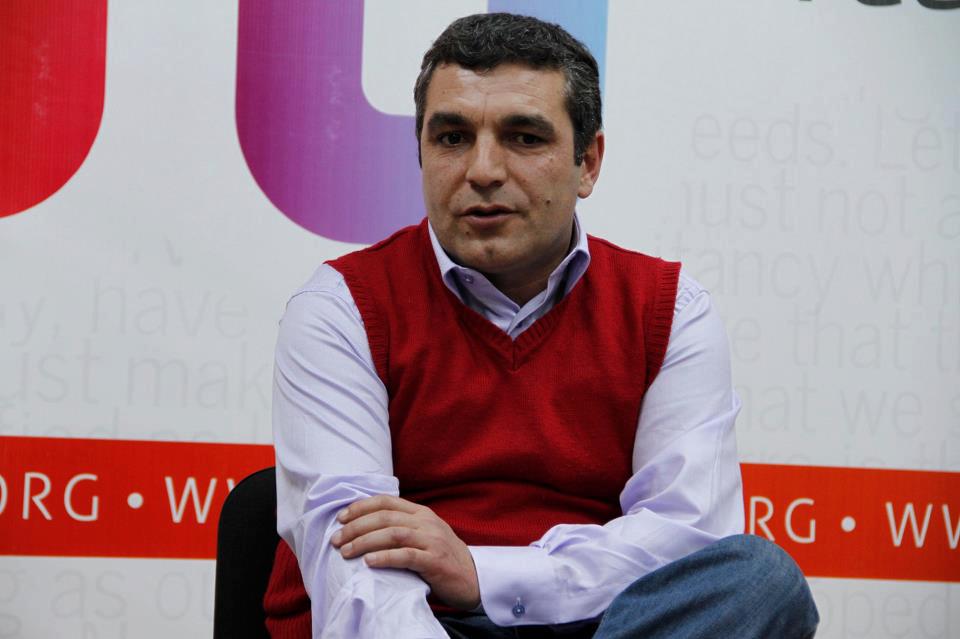
Azerbaijani politician and chairman of the Republican Alternative (REAL) party, Natig Jafarli, commented on the tense situation in the Middle East:
“If we look at the written sources on human history, we can see that for the last 3,000 years, blood has constantly been shed in the Middle East—today’s Syria, Iraq, Iran, and Lebanon—with endless wars and conflicts. Relative stability was observed during periods when these lands were intermittently under the protection of great empires. For example, during the Ottoman Empire, the number of wars and bloodshed in the region decreased.
In recent years, the deaths in the Middle East have been relentless. This conflict will not end without a fair resolution to the Palestinian issue, and the problem is that the solution presented to the world as a “two-state model” consists only of words and political statements; there is no one organizing concrete steps or presenting a viable plan.
In the last 20-25 years, new and unprecedented changes in the region have exacerbated the conflict.
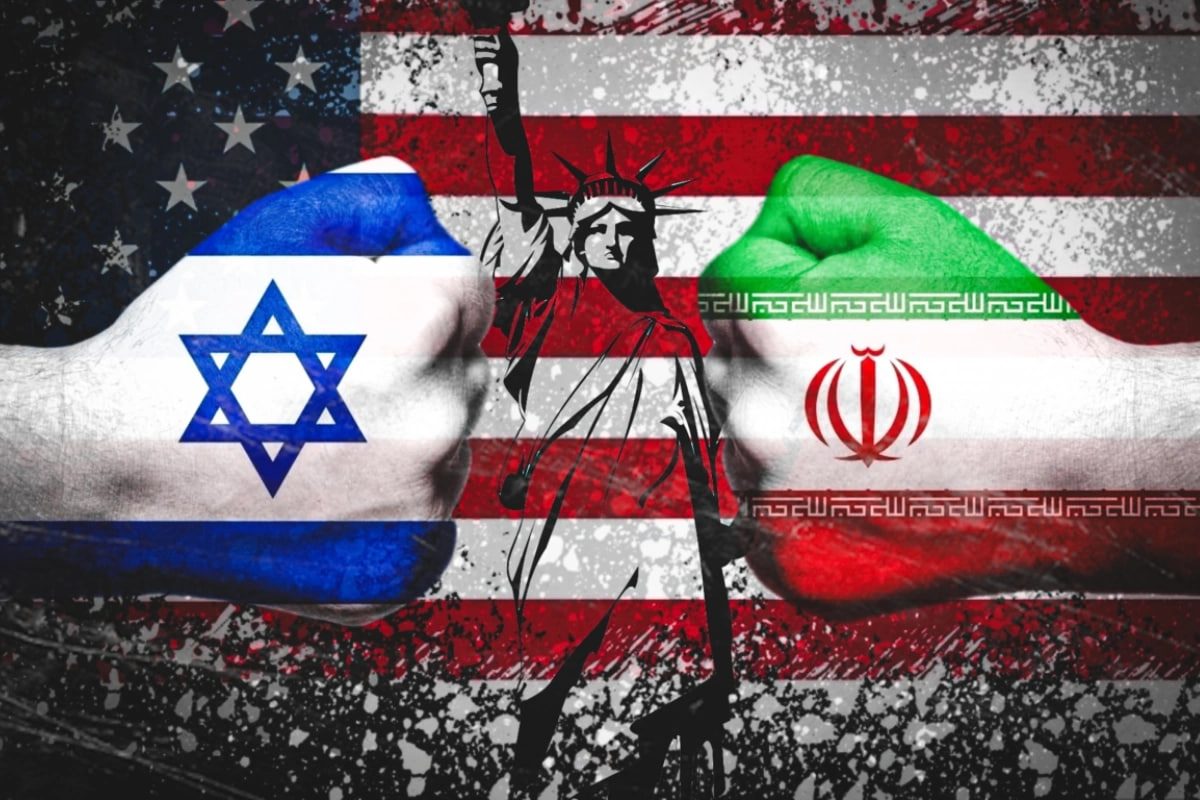
The intervention of the U.S. and the Western coalition in Iraq and Syria, however strange it may sound, has largely benefited Iran. Thoughtless foreign intervention has posed the greatest threat to the security of the West, including Israel. As a result of Western interference, millions of refugees have flooded into Europe, threats to our brother Turkey have increased, and Iran has established major and well-organized “proxy forces” in the region.
In Syria, Iraq, Yemen, Lebanon, and Palestine, Iran has become an important player and voice for the associated militants.
Imagine that today, no government can be formed in Iraq without Iran’s involvement, Assad cannot maintain his position in Syria, Hezbollah, which acts as a state within a state in Lebanon, cannot remain strong, and the government in Yemen will not remain in the hands of the Houthis.
Iran has become one of the key players in the region, creating “proxy forces” using Western military-political technologies. What is happening today is not just about Palestine, Lebanon, or Yemen; it’s an attempt to address the consequences of Western policy mistakes over the last 20-25 years.
Iran is trying to maintain the significant ideological strength it has built around itself, supported by organizations with compelling narratives based on perceived injustices from Israel and the West, but this is challenging. These powers have grown to the point where hundreds of millions of dollars a year are no longer sufficient; billions are needed. Iran lacks the financial resources, power, and technology, making the growing “proxy forces” a problem that it is already facing. They constantly compel Iran to act as a “patriarch” and support them, while Iran either doesn’t want to or cannot continue doing so, or intends to leverage these proxies in negotiations with the West in the near future.
Iran understands that if these proxies don’t receive funding, other players with money will emerge and lure these combat forces away, potentially using them against Iran itself. Therefore, I believe that Iran is using all its assets—its proxies, good relations with Russia, etc.—to negotiate with the West. If a very favorable offer comes from the West, it may “sell” these assets.
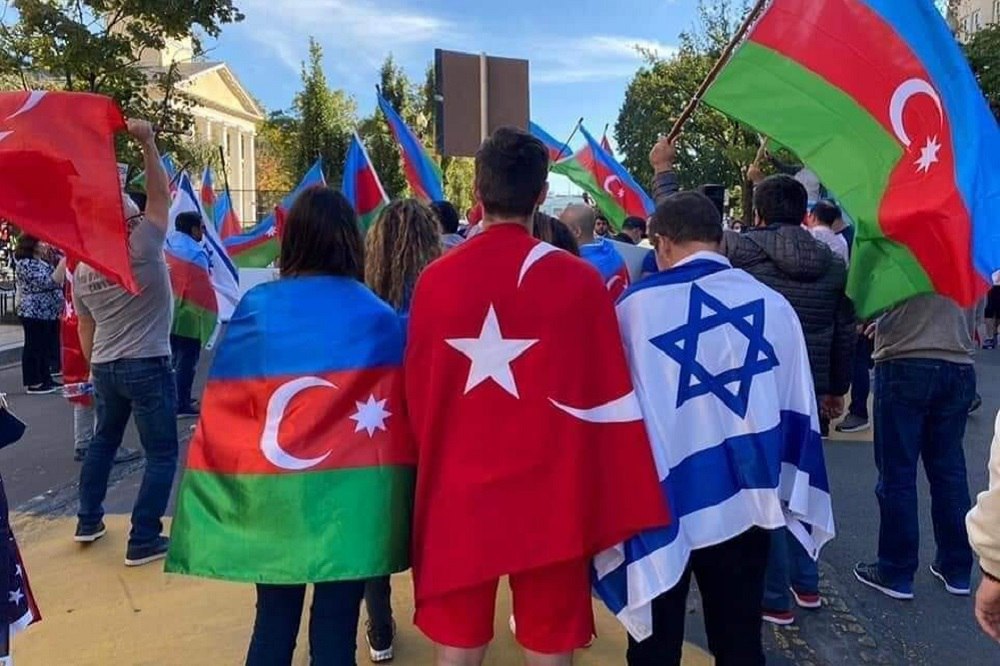
Currently, there is also a struggle for new future logistical routes in the Middle East, with many powers interested but few points of agreement.
The horror is that amid all these geopolitical games, ordinary people are suffering. Thousands of innocent Palestinians are dying, and the civilian population is affected by rocket fire from Israeli settlements.
In short, as has been the case for thousands of years, it is the innocent—children, the elderly, and other civilians—who become the victims of political games in the region».
#Dartlo in #Tusheti. Photo by Ezz Gaber #ReisenInGeorgien pic.twitter.com/Dx0xb2OOgj
— Notes from Georgia/South Caucasus (Hälbig, Ralph) (@SouthCaucasus) October 2, 2024