
Paruyr Hovhannisyan Discussed Armenia’s Foreign Policy SpecialEurasia
Day: July 4, 2024
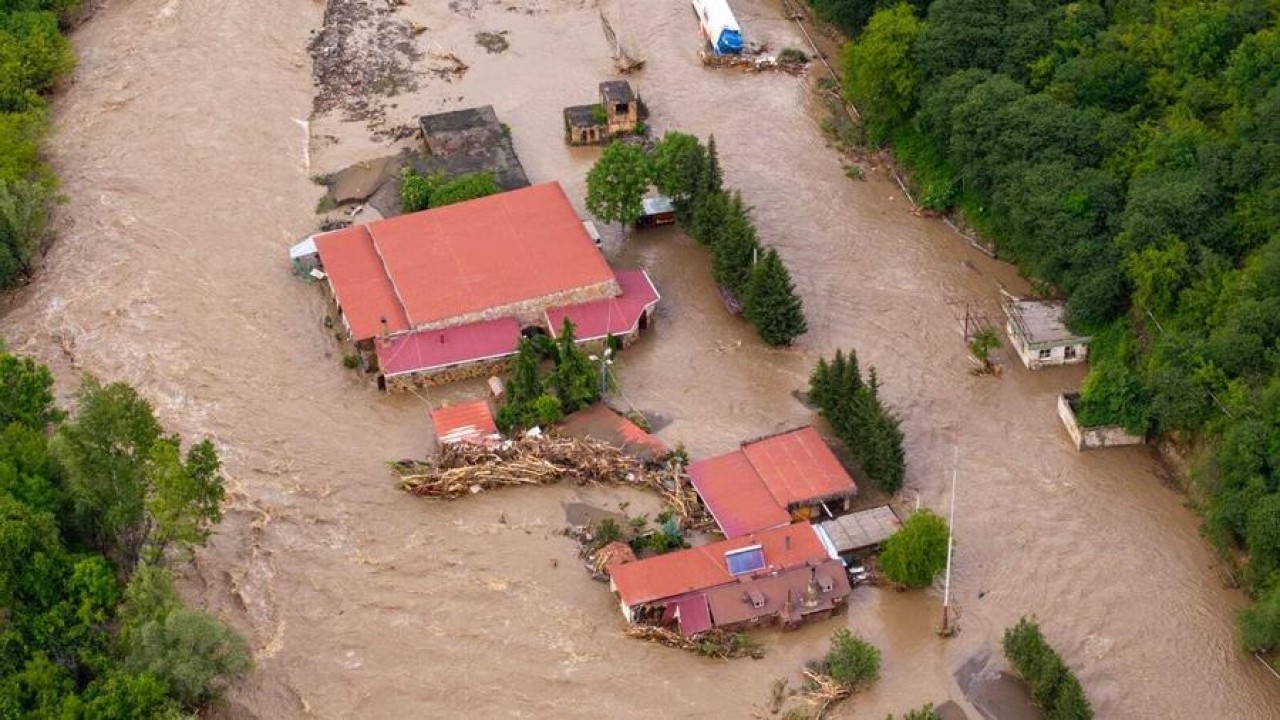
Compensation for flood victims in Armenia
The Armenian government will compensate residents of Lori and Tavush regions affected by May’s floods. Those who lost homes will receive certificates for new housing and funds for household items and appliances. Vice prime minister Tigran Khachatryan reported that 16 apartments and two private homes were destroyed.
Others will receive monetary compensation based on the extent of damage in each area. For severely affected settlements, residents will receive 60,000 Armenian Drams (about $155) per square meter for housing repairs, while less affected areas will receive 40,000 Drams (about $104) per square meter.
All disaster zone residents will also receive one-time financial assistance.
Flooding on May 25-26 caused rivers Debet, Agstev, and Tashir to overflow, damaging roads, bridges, and homes, resulting in four fatalities. Six communities in Lori and three in Tavush have been declared disaster zones, encompassing 39 settlements.
- 10 thousand families with children received housing assistance in Armenia
- Water shortage in Armenia: Causes and how to prevent desertification
- “Restoring the railway is a matter of economic security for Armenia” – Opinion
Certificate for housing purchase and amount for household purchases
At a government session, Minister of Internal Affairs Vahe Ghazaryan presented a project aimed at assisting those affected by the recent disasters. He announced that individuals left without housing will be provided with certificates to purchase new apartments. Kazarayan clarified that cases where apartments or individual homes were completely destroyed, collapsed, or deemed unsafe for habitation will qualify for this assistance.
The minister explained that beneficiaries of the program include individuals who have legal ownership rights to real estate, regardless of whether these rights are formally registered with the state. These rights may have been acquired through legal decisions, transactions, inheritance, or other lawful means.
Those who lost their homes will also receive financial compensation to purchase essential household items such as furniture and appliances. In severely affected communities like Alaverdi in Lori region and Ayrum in Tavush region, compensation will amount to 1,200,000 Armenian Drams (approximately $3,117), while in other areas, it will be 800,000 Drams (approximately $2,078).
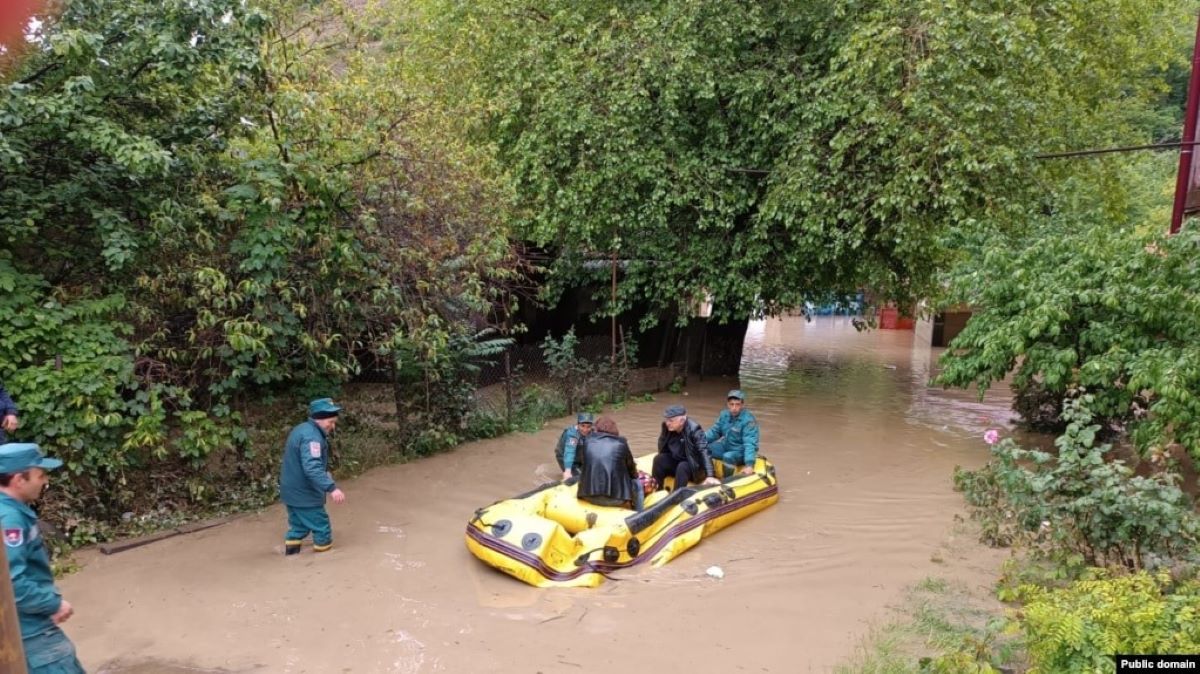
Assistance for home repairs – owners of 263 private houses
The amount provided for repairs will depend on the size of the property, said Vage Kazaryan.
“But there is a maximum limit for compensation, which is set at 80 square meters,” he stated.
It is already known that 263 private houses have been damaged. Owners of 30 of these houses have issues with their property ownership documents. The government needs to determine the ownership of these properties before deciding on compensation.
Victims will also receive social support
The implementation of the social program in the disaster zone is the responsibility of the Ministry of Labor and Social Affairs.
One-time financial support will be provided by the ministry to all members of 250 families affected by the flood. This includes 854 individuals.
Each person will receive either 40,000 or 60,000 drams, depending on their community and the extent of the damage in that area.
The ministry will also pay 1 million drams (approximately $2,597) to the families of the four deceased.
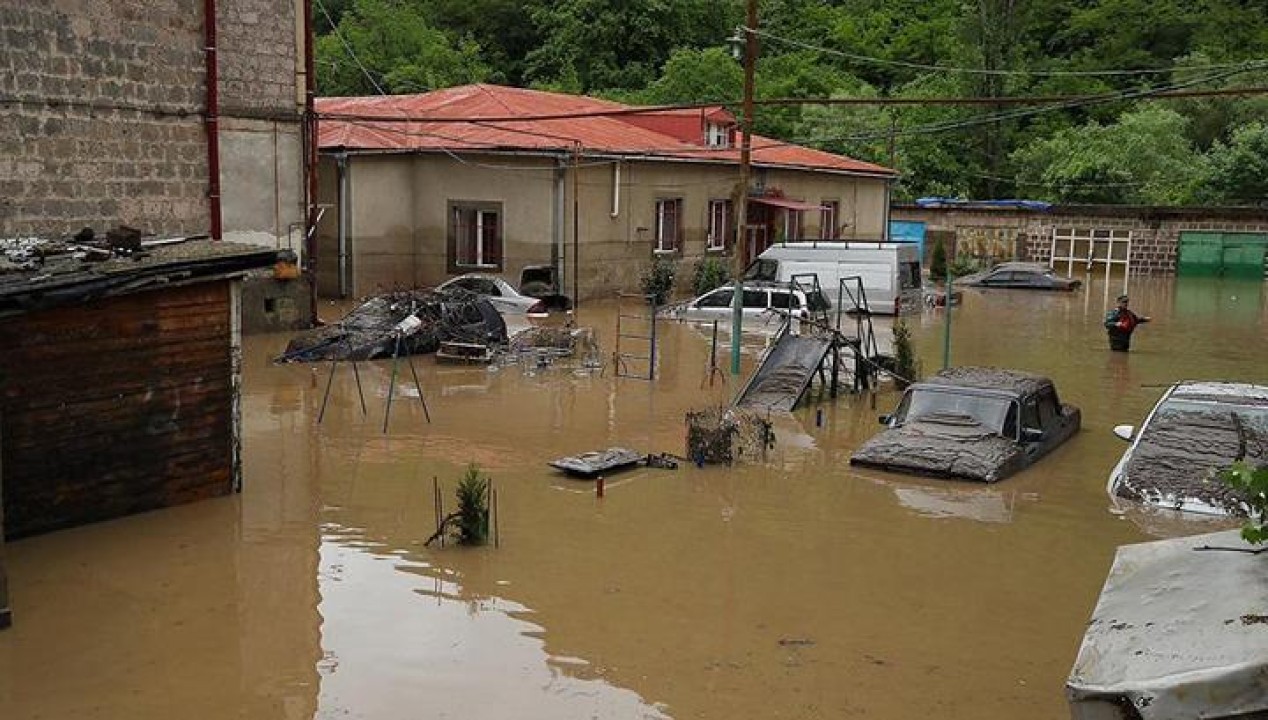
Compensation for flood victims in Armenia
The Democratic National Committee must follow the directions of Candidate Biden
If the presidential candidate resigns, who replaces him? If President Joe Biden decides to withdraw from the election for health reasons The rules of theDemocratic Party are pretty clear: “The members of the Democratic National Committee (DNC) choose the new nominee during a special session called by the chair. The DNC chair is required to consult with Democratic congressional leadership and the Democratic Governors Association, and then reports to DNC members who choose.”
Of course, this is the procedure, but there is no doubt that a choice that would disregard the current vice president Kamala Harris, part of the current ticket, would be risky and perhaps hardly acceptable to those who voted for her in the Democratic primaries. Because let’s not forget, in the primaries people also vote for the VP candidate: If the other candidates did not have the approval and some did not show up, it is not clear why they should be chosen.
Unfortunately, there are no precedents to be used in this area. Thomas Francis Eagleton, George McGovern’s vice presidential candidate, is perhaps the only case of a change of election ticket taking place. But Eagleton was chronically depressed.
A neurologist at Sapienza University, Ugo Cerletti and his assistant Lucio Bini were convinced that electroshock was the right therapy to treat depression. Eagleton, a vice presidential candidate with George McGovern, used it repeatedly. A detail that is perhaps not irrelevant, Eagleton “forgot” to tell that to McGovern when the presidential candidate chose his running mate. However, the possibility that an Acting President, should McGovern as President won and then had to step aside, would have to resort to electroshock to overcome his depression did not prevent McGovern from claiming after the revelation that Eagleton had voluntarily kept his usual depressive state under wraps and that he was 1000% behind Eagleton.
Public support from politicians should never exceed the 100% threshold which is already a good reference. When they go beyond 100%, dangers arise. And so it happened that the 1000% behind turned into the substitute Sargent Shriver, founder of the Peace Corp, who was not depressed and was also the husband of Eunice Kennedy, sister of John and Robert, which certainly helped.
Of course, Eagleton didn’t take it well and gave a right-wing journalist the following “confidential” information about McGovern. “The people don’t know McGovern is for amnesty for “Draft Dodgers”, abortion, and legalization of pot.” Confidential, of course, meant that an immediate publication was required, which came with the addition—that, “Once American voters—Catholic middle America, in particular—finds this out, he’s dead.”
That was 50 years ago. Issues have much changed in half a century? Not too much. It seems that Eagleton would be an excellent candidate for Donald Trump today, depression aside.
But with all due respect to the official formulas, it is clear that in the case of Biden’s voluntary resignation it should not be able to ignore his personal indications. And it is hard to believe that Biden is now changing his mind having himself chosen his replacement for President being Kamala — for reasons of quality repeatedly reiterated, and often demonstrated by the VP, with that discretion that American practice rightly demands of the Vice President.
It should therefore be remembered that if Biden were to give up the competition, he would not do so out of depression. Biden is not depressed at all, on the contrary, he is lucid, and only physically tired, and as such it is clear that he cannot leave the competitors the benefit of his physical fatigue. Harris is therefore the only real substitute. No doubt should exist, it’s just a matter of giving her all the cards to win: To choose the partner of the ticket herself and to work for three months as President.
Biden is a well-established, lucid and visionary statesman. That is why his resignation as President, in addition to being an extraordinary act of statesmanship, would be of great help to the clarity of the replacement. Kamala as President now is a “must”.

In a pivotal meeting with Russian President Vladimir Putin, Prime Minister Shehbaz Sharif underscored the imperative of reviving and expanding bilateral trade between Pakistan and Russia. The meeting took place on the sidelines of the Shanghai Cooperation Organisation (SCO) summit in Astana, Kazakhstan, setting the stage for a potential transformation in economic relations between the two nations.
Prime Minister Sharif, in his opening remarks, reminisced about the robust trade relations between Pakistan and Russia during the 1950s and 1960s. He highlighted how Pakistan imported machinery and exported leather and other commodities to Russia through a barter system. This historical context set the tone for the discussion, emphasizing the potential for reviving a mutually beneficial trade relationship. Currently, bilateral trade between Pakistan and Russia stands at approximately $1 billion. Prime Minister Sharif emphasized that this figure could be significantly increased by addressing financial and banking challenges. He expressed confidence that both countries would equally benefit from enhanced trade ties.
Strengthening Bilateral Relations
The meeting was characterized by a warm exchange of pleasantries and mutual respect. Prime Minister Sharif congratulated President Putin on his re-election and expressed optimism that under his leadership, the Russian Federation would continue to make significant progress. He also recalled their previous interaction in Samarkand, underscoring the continuity of their dialogue and commitment to improving bilateral relations. Prime Minister Sharif noted that bilateral relations between Pakistan and Russia have been on a positive trajectory in recent years. He expressed his readiness to work closely with President Putin to further cement these ties, recognizing the potential benefits of leveraging President Putin’s experience and leadership.
Economic Cooperation and Energy Security
One of the key highlights of the discussion was the recent oil shipment from Russia to Pakistan. Prime Minister Sharif expressed gratitude to the Russian government for this gesture and expressed a desire to build on this cooperation. The discussion on energy security was particularly relevant given the global energy crisis and the need for countries to secure reliable energy sources. President Putin reciprocated the sentiments, acknowledging the cordial relations between Pakistan and Russia. He emphasized the importance of trade linkages in strengthening these ties and expressed readiness to enhance cooperation in energy and agriculture. Putin highlighted the potential for collaboration in food security, which is a critical issue for both countries.
Non-Geopolitical Trade Relations
A significant aspect of the meeting was the emphasis on the non-geopolitical nature of Pakistan-Russia relations. Prime Minister Sharif stressed that the ties between the two countries were not driven or impacted by any geopolitical situation. This sentiment was echoed by President Putin, who emphasized the long-standing business relations between Pakistan and Russia. This non-geopolitical approach to bilateral relations is crucial in the current global context, where geopolitical tensions often influence international trade. By focusing on mutual economic benefits, Pakistan and Russia can foster a more stable and predictable trade relationship.
Looking Ahead: Opportunities and Challenges
The meeting in Astana marks a significant step towards revitalizing Pakistan-Russia economic relations. However, several challenges need to be addressed to realize the full potential of this relationship.
- Financial and Banking Matters: Both leaders acknowledged the need to overcome financial and banking issues to facilitate smoother trade. Establishing reliable and efficient financial channels will be critical for increasing bilateral trade volumes.
- Energy Cooperation: While the recent oil shipment from Russia is a positive development, there is potential for more extensive cooperation in the energy sector. Joint ventures in energy exploration and production could further strengthen ties.
- Agricultural Collaboration: Both countries have vast agricultural resources, and collaboration in this sector could yield significant benefits. Sharing technology and best practices can enhance productivity and food security.
- Diversification of Trade: Expanding the range of goods and services traded between Pakistan and Russia will be essential for sustainable growth. Beyond traditional commodities, there is scope for collaboration in technology, education, and healthcare.
Conclusion
The meeting between Prime Minister Shehbaz Sharif and President Vladimir Putin in Astana represents a renewed commitment to strengthening Pakistan-Russia economic relations. By focusing on overcoming financial and banking challenges, enhancing energy and agricultural cooperation, and maintaining a non-geopolitical approach, both countries can unlock significant economic potential. As the world navigates complex geopolitical landscapes, the emphasis on mutual economic benefits and stable trade relations between Pakistan and Russia serves as a model for other nations. The historical ties between the two countries provide a strong foundation for future collaboration, promising a brighter economic future for both nations.
India’s image as the world’s largest democracy is under severe strain due to the increasing misuse of counter-terrorism laws to suppress dissent and target civil society. Amnesty International and Front Line Defenders have sounded the alarm about these troubling practices, particularly the application of the Unlawful Activities (Prevention) Act (UAPA). As the Financial Action Task Force (FATF) plenary approaches, these organizations have urged the Indian government to adhere to FATF recommendations without exploiting them to curb civil liberties.
The UAPA and Its Misuse
The recent prosecution of writer Arundhati Roy and Kashmiri academic Sheikh Showkat Hussain under the UAPA for a speech made in 2010 is a stark example of how the law is being used to stifle dissent. This case underscores a broader pattern of the Indian government arbitrarily targeting its critics using draconian laws. The UAPA’s provisions, including high thresholds for granting bail, long periods of incarceration without charge, and the reversal of the presumption of innocence, are being weaponized to create a climate of fear among those who dare to speak out against the government.
Over the past decade, the use of the UAPA to silence human rights defenders and critical voices has increased dramatically. This trend is deeply troubling, as it undermines the basic principles of democracy and human rights. The law’s draconian provisions have been used to intimidate and harass individuals, deterring them from exercising their right to free speech and assembly. The arbitrary application of these laws has expanded, often overturning fundamental procedural safeguards for defendants and allowing the government to target its critics with impunity.
Amnesty International and Front Line Defenders’ Findings
In their reports submitted to the FATF, Amnesty International and Front Line Defenders highlight how Indian authorities have misused counter-terrorism laws to target civil society. The reports detail how India’s counter-terrorism laws have become increasingly overbroad, often deviating from international standards. For instance, in 2012, the Indian government broadened the definition of a “terrorist act” under the UAPA, relying heavily on FATF recommendations. However, this expanded definition has been applied selectively and arbitrarily, targeting human rights defenders and other critics of the government.
The FATF plays a crucial role in setting global standards for combating money laundering and terrorist financing. However, it must also ensure that its standards are not misused to target civil society. Amnesty International and Front Line Defenders have urged the FATF and its member countries to remind India of its commitment to comply with FATF recommendations while preventing the misuse of its standards. Ensuring due process and protecting the procedural rights of individuals are essential to maintaining the integrity of the legal system and upholding human rights.
The misuse of counter-terrorism laws in India has far-reaching implications for the country’s democratic institutions and international standing. The arbitrary targeting of critics and human rights defenders not only violates fundamental rights but also undermines the rule of law. It sends a clear message that dissent will not be tolerated and that the government is willing to use any means necessary to silence its opponents. This approach is not only unjust but also counterproductive, as it creates an environment of fear and resentment among the population.
A Call for International Action
Amnesty International has called on the Indian government to end the misuse of counter-terrorism laws and respect human rights standards. The FATF must also ensure that its standards are not used to target civil society and stifle critical voices. The international community must hold India accountable for its actions and ensure that the principles of justice and human rights are upheld. This is particularly important as India seeks to position itself as a global leader and a model for other democracies.
The path forward for India involves a commitment to transparency, accountability, and respect for human rights. The government must take immediate steps to end the misuse of counter-terrorism laws and ensure that these laws are applied fairly and justly. This includes revisiting the provisions of the UAPA and other counter-terrorism laws to ensure that they comply with international standards and do not infringe on the rights of individuals.
In conclusion, the misuse of counter-terrorism laws in India is a grave issue that threatens the very foundations of democracy and human rights. The arbitrary targeting of critics and human rights defenders under the UAPA is not only a violation of fundamental rights but also a threat to the rule of law. The international community, including the FATF, must take a stand against these practices and ensure that the principles of justice and human rights are protected. The Indian government must also take immediate steps to end the misuse of these laws and uphold its commitment to democratic principles and human rights. Only through such actions can India restore its image as a true democracy and a defender of human rights on the global stage.
Russia is beginning a ‘clandestine war’ inside Europe, says former Swedish Prime Minister | CNN https://t.co/WgcXMIaLUn
— Carl Bildt (@carlbildt) July 4, 2024
My Opinion: Is the cognitive performance of candidates during the debate on June 27, 2024 a VALID issue? Were there, possibly, the specially designed direct energy weapons used against Mr. Biden? To answer these questions, do a study. https://t.co/q4IcBiQ4dB pic.twitter.com/xx7YRsynpo
— Michael Novakhov (@mikenov) July 4, 2024