
Joe Biden’s team said the US president would press on with his re-election bid despite calls by top Democrats for him to bow out after his debate performance against Donald Trump. https://t.co/4dziHhINm2 pic.twitter.com/ogs77htH3e
— Financial Times (@FT) June 28, 2024
Day: June 28, 2024
In its campaign of revenge in Gaza, Israel is digging its own grave | Opinion | Carolina Landsmannhttps://t.co/yzKOHJvref
— Haaretz.com (@haaretzcom) June 28, 2024
NEW: The Supreme Court ruled that cities can enforce bans on homeless people sleeping outdoors in West Coast areas where shelter space is lacking.
The case is the most significant to come before the high court in decades on the issue. https://t.co/uwZUZkfXBV
— PBS News (@NewsHour) June 28, 2024
Israel – Ukraine Alliance and air defense – Google Search https://t.co/ghvyfD0HJZ https://t.co/KpMKCmEmzT
— Michael Novakhov (@mikenov) June 28, 2024
LOS ANGELES – Representatives of the Armenian Engineers and Scientists Association on June 21 met with Los Angeles County Supervisor Kathryn Barger to introduce the organization’s goals, mission and initiatives. The meeting included discussions on potential collaboration opportunities and the organization’s ongoing efforts to promote professional development in science, technology, engineering, and mathematics, along with career development for the community at large.
In attendance were AESA President Linda Megerdichian, AESA Past President Vasken Yardemian, AESA Public Affairs Committee Chair Jay Tourgoutian and AESA Board Member Nareh Saghatelian. Also present at the meeting were Natalie Vartanian, Field Deputy and Anish Saraiya, Planning and Public Works Deputy for Supervisor Barger.
The meeting focused on various programs and initiatives aimed at fostering innovation, supporting the next generation of engineers and scientists in our community, and raising awareness of the significant contributions made by Armenian professionals in these fields. Supervisor Barger and her team expressed support for AESA’s mission and highlighted potential areas for partnership, including mentorship programs, and connecting with subject matter experts from the AESA membership network.
“Los Angeles County District 5 is home to the largest Armenian population in the United States,” Supervisor Barger noted. “I appreciate the input of the Armenian community in my district and look forward to our continued collaboration to support their contributions in STEM fields,” added Supervisor Barger.
“We are grateful for the opportunity to meet with Supervisor Barger and her team, and appreciate her commitment to the Armenian community. We are also looking forward to establishing a long-term relationship with LA County,” said Linda Megerdichian, President of AESA. “Together, we can make a positive impact on the broader community.”
AESA, headquartered in Glendale, California, was founded in 1983 and is a non-partisan, non-sectarian, and non-profit organization focused primarily on addressing the professional, technical and scientific needs of Armenians. AESA’s mission is to enable and empower the Armenian STEM community worldwide to reach its fullest potential and facilitate global progress through STEM education, collaboration and humanitarian initiatives.
The post AESA Representatives Meet with Supervisor Kathryn Barger appeared first on Asbarez.com.

The possibility of nuclear incidents poses a significant danger to humanity, and the consequences extend far beyond the immediate devastation caused by nuclear explosions. To safeguard global security and sustainability, it is important to understand the multifaceted impact of such encounters and explore comprehensive strategies aimed at preventing them.
The aftermath of a nuclear detonation would be catastrophic. The explosion would cause a massive loss of life and destruction of infrastructure within the blast radius. Radiation exposure would result in acute radiation sickness, elevated cancer rates, and genetic mutations that could affect future generations. The environmental devastation would be severe, including widespread fires, fallout radiation, and the destruction of ecosystems, rendering large areas uninhabitable. Furthermore, the concept of a nuclear winter, with soot and debris blocking sunlight, could potentially lead to significant global cooling. This disruption of climate patterns would cause extensive failures in agriculture, intensify food shortages, and trigger widespread famine.
The economic consequences of nuclear war would be extremely significant. The destruction of infrastructure and the loss of a large number of workers would severely damage economies. Due to the extensive global trade, the economic impact would not be limited to the countries at war, and could potentially lead to a severe global recession. Additionally, there would be unprecedented humanitarian crises caused by mass displacement of populations and overwhelming demand for medical and humanitarian aid. This would also inevitably lead to political instability as governments struggle to cope with the aftermath, potentially exacerbating conflicts and causing state collapse.
Furthermore, the immediate and short-term health effects, as well as the long-term consequences for survivors, are severe. The illnesses caused by radiation exposure, combined with psychological trauma, would place a heavy burden on healthcare systems for many decades. Moreover, the persistent environmental contamination from radioactive fallout would continue to pose a threat to human health and the natural world. Ecosystems would also experience disruptions in food chains and loss of biodiversity due to habitat destruction and radiation poisoning.
Given the severity of the dire consequences, it is important to explore strategies that would deter nuclear war. Diplomatic efforts should be prioritized. It is crucial to promote and uphold international treaties such as the Treaty on the Non-Proliferation of Nuclear Weapons (NPT) and the Comprehensive Nuclear-Test-Ban Treaty (CTBT), as they establish a framework for nuclear disarmament and non-proliferation. Sustained diplomatic negotiations and dialogue can help address underlying tensions that may lead to conflict, and foster trust among nations in nuclear cooperation.
Arms control agreements have a significant impact on preventing the escalation of nuclear tensions. Strengthening and expanding existing agreements can involve countries with all categories of nuclear weapons, contributing to the reduction of overall nuclear arsenals. The implementation of verification mechanisms ensures adherence to agreements, while transparency in nuclear capabilities fosters mutual trust among states.
Initiatives aimed at disarmament are vital for gradually diminishing the global nuclear threat. Advocating for gradual and verifiable reductions of nuclear arsenals through bilateral and multilateral agreements represents a practical approach. Supporting the Treaty on the Prohibition of Nuclear Weapons (TPNW) paves the way to achieving complete nuclear weapons elimination. Public awareness campaigns and advocacy efforts are indispensable for maintaining the necessary political willpower and momentum to prioritize disarmament.
The offering of security assurances to non-nuclear-weapon states plays a critical role in reducing their incentive to develop nuclear weapons. The establishment of nuclear-weapon-free zones (NWFZs) in various regions promotes regional security and stability, thereby reducing the risk of nuclear proliferation. Effectively addressing and peacefully resolving political and territorial conflicts can prevent situations that have the potential to escalate into nuclear confrontations.
International organizations, particularly the United Nations, play a crucial role in mediating conflicts and promoting peaceful resolutions. Implementing non-proliferation measures is essential for preventing the spread of nuclear weapons and associated technologies. Strengthening the international non-proliferation regime involves implementing efficient export controls and countering proliferation efforts, which can help curb the spread of nuclear weapons. Safeguarding technology, such as enhancing the security and reliability of nuclear command and control systems, is essential to prevent accidental and unauthorized use of these weapons. Additionally, advanced detection and interception technologies can help mitigate the threat they pose. Public and political engagement is crucial for sustaining efforts toward nuclear disarmament and non-proliferation. Mobilizing civil society, academia, and the general public through advocacy and educational initiatives can help cultivate a broad movement for nuclear disarmament. Political leaders who are committed to these objectives are essential in driving international efforts and maintaining the necessary momentum. Economic and development incentives can encourage countries to renounce or dismantle their nuclear weapons programs. Providing economic assistance and promoting the peaceful utilization of nuclear energy under strict international safeguards can ensure that nuclear technology is not diverted for weapons purposes. These incentives can be part of a comprehensive strategy to foster sustainable development and global security.
In conclusion, the consequences of a nuclear war would be catastrophic, profound, and far-reaching, affecting all aspects of human existence and the natural environment. Mitigating the potential outbreak of such an armed conflict requires a comprehensive approach that includes agreements, efforts in controlling weaponry, disarmament initiatives, security assurances, conflict resolution mechanisms, measures to prevent the spread of nuclear weapons, crisis management protocols, engagement of the general public and political entities, technological safeguards, and economic incentives. By implementing these strategies, the international community can move forward in its mission to reduce the likelihood of nuclear war and create a more secure world. The urgency of this mission cannot be overstated, as the consequences of inaction are too dire to be considered.
he opinions expressed in this article are the author’s own.
References
- Bunn, Matthew, and Scott D. Sagan. “A Worst Practices Guide to Insider Threats: Lessons from Past Mistakes.” American Academy of Arts & Sciences, 2017.
- Fetter, Steve, and Charles Glaser. “The Impact of the Spread of Nuclear Weapons on International Security.” Annual Review of Political Science, vol. 4, no. 1, 2001, pp. 167-194.
- Ghosh, Prodyut. “Environmental and Human Health Consequences of Nuclear Weapons.” International Journal of Environmental Science and Development, vol. 2, no. 4, 2011, pp. 299-305.

Around 1.6 million years ago, the first large-brained hominin appeared on the evolutionary landscape. Known as Homo ergaster, this hominin had a more modern skeleton and employed advanced food-gathering methods. According to the fossil evidence, it was the first hominin to make it out of Africa, its remains having been found as far as Dmanisi, in the Republic of Georgia, as well as in several places in southern Europe.
Homo ergaster gave rise to Homo erectus, which then dominated the landscape. By 700,000 years ago, Homo erectus could be found from the river valleys in Indonesia to the open savannas in Africa. The resourceful Homo erectus had mastered fire, stone tool technology, and incorporated hunting and eating cooked food into its daily life.
Then, about 700,000 years ago, the Neanderthal-Denisovan ancestors migrated from Africa into Eurasia where they encountered the previous pre-humans and interbred with them. Finally, modern Homo Sapiens humans crossed into Eurasia from Africa about 50-70,000 years ago where they interbred with the Neanderthals and Denisovans.
A cave in Malaga, Spain, famous for containing over 1,000 paintings and engravings made by prehistoric people, as well as artifacts and Homo Sapiens human remains that were used by ancient humans as a burial place for over 50,000 years, said a study published June 1, 2022 in the open-access journal;PLOS ONE;by José Ramos-Muñoz of the University of Cadiz, Spain, and colleagues.
Since the time of Aristotle philosophers thought that mankind’s ability to use tools was what made human nature unique. However, we now know that several different species (including birds) use and make tools. Chimps also use tools in different ways in various locations, so tool use must also have a cultural factor and not just be a genetic factor.;
Chimps also can be taught simple sign language and are able to make up simple sentences in sign language.
So if tool making, culture, and simple language do not distinguish human nature from our nearest primate relatives, what makes humans what we are?
Religious spirituality is one answer. Religion; like art, music and advanced language capabilities are found universally among all human tribes, ethnic groups and nations in the world.
There is a Muslim concept that every child is born with a natural belief in God; and an inborn inclination to worship ;only one God. This is called in Arabic; “Fitra”.
Religion is part of human nature (fitra). As Prophet Muhammad taught, ” “No babe is born but upon Fitra. It is his parents who make him a Jew or a Christian or a Polytheist.” (Sahih Muslim, Book 033, #6426)
Children are not born out of any sin, original, inherited or derived. They are all born with the natural ability to believe in a polytheistic religion as part of their nature, just as they are born with the capability to learn any human language.
Abu Mu’awiya said Prophet Muhammad said:” Every child is born only with this Fitra, so long as he does not express himself with his tongue.” (Sahih Muslim, Book 033 Hadith #6427)
Thus, according to Islamic scholars, every (normal) human baby is naturally endowed by its creator with the ability to speak a language; and to believe in a religion of unseen spiritual beings and ritual practices; and in monotheism.;
Judaism, the first on-going monotheistic religion realizes how hard it is to maintain an ongoing-monotheistic religion in a polytheistic world. Islamic scholars whose Prophet was at the end of the Abrahamic prophets never expected that even more than a thousand years later; believers in monotheistic religions would still be less than half of the world’s population.
It is true that parents provide the specific language content (words, grammar, syntax, etc.) and the specific religious content (polytheism, idolatry, trinitarianism, monotheism, etc.) Thus, “It is his parents who make him a Jew or a Christian or a Polytheist.” This does nor occur because parents cannot rationally convince their children that their own beliefs are true.
Children believe what their parents teach them because during the last 5-10.000 generations, the importance of human culture became increasingly important, and young children who ignored what their parents and society taught them, had a lower survival rate than those who believed their parents.
All sentient beings are able to respond to the challenges of life. In each species some individuals respond to new environmental challenges better than others do; and their descendants increase. All sentient beings that are conscious, are capable of learning from the challenges of life. They can improve themselves.
A few species are even able to show others in their species what they have learned; and thus improve their group and their descendants’ chances of survival. These species have developed cultural ways of meeting life’s challenges. Our species has mostly developed the God given ability to believe in our parents and our society’s religion with great skill.
For almost all of the last 200,000 years Homo Sapiens were small group, hierarchically organized, social primates. Although biological evolution occurs in individuals, any genes that enable the group (extended family and/or band) to function better as a group, will contribute to individual survival rates and reproductive success within the group.
Increasing mental capacities were ;productive from a tool making perspective; but these same increasing mental capacities sometimes had negative side effects such as anxiety, stress, self imposed tension and neurosis. Any genetic adaptation that increased individual and community levels of ;social and individual trust, confidence, and optimism would in turn help correct or ameliorate individual mental disabilities due to negative mental states.
Such genes would be selected for, and would spread throughout that population. If that gave the group better survival rates and increased population growth the genes would keep spreading.
Spiritual activities among our species have evolved over the last 80-120,000 years.;
If one takes seriously the Biblical claim that humanity was created in the Divine image, and the Qur’an’s statement that humans were created to be vice-regents with God, spiritual;evolution testifies to the creation by God, of creatures who are social co-creators of purpose driven, non-material religious responses to environmental and social challenges.
You might think that if children were left alone, they would all worship Allah the right way, but that ;cannot happen because all children must be raised by other people or they would die.
Even if they could be raised by Godless robots, all children are affected by all the things around them, seen or unseen.
The only known exception to this universal situation is a Hadith from Ubayy b. Ka’b, who reported that Allah’s Messenger said: “A young man whom Khadir killed;was a non-believer by his very nature,;and had he survived he would have involved his parents in defiance and unbelief.” ;(#6434)
The evolution of spiritual activities that enhance the successful survival of humanity is not only concerned with enhancing the survival of our own species. With the recent domestication of plants and animals and the very recent industrial revolution, humans acquired a great deal of responsibility for the evolution of most of the species on the planet itself.
Thus, the behavior of religious people themselves now becomes a factor in the evolution of life on earth. Since the days of Prophet Adam humans have had the responsibility of Khalifa; but it has never been so important as it is now. All human beings need to connect to our Fitra and our Khalifa; so we can accept our duty to help heal our planet and our society before it is too late.;Always remember that Armageddon is also a warning of humanity’s need to change greatly to avoid Armageddon.;
The Qur’an states: “‘Believers, be steadfast in the cause of God and bear witness with justice. Do not let your enmity for others turn you away from justice. Deal justly; that is nearest to being God-fearing.” (5:8) And the Qur’an states: “Good and evil deeds are not equal. Repel evil with what is better; then you will see that one who was once your enemy has become your dearest friend…” ;(41:34)
As Prophet Zechariah states: “This;is;the word of the;Lord;to;Zerubbabel: ‘Not by might nor by power, but by My Spirit,’ says the;Lord;of hosts.” (Zechariah 4:6)

In a world where the intersection of tradition and modernity often creates friction, Morocco stands as a beacon of judicious reform. Recently, the body charged with revising our nation’s Family Code submitted its proposals to His Majesty King Mohammed VI. In a move emblematic of his deep respect for both our religious heritage and the principles of good governance, the King has sought the guidance of the Supreme Council of Ulema. This decision, rooted in the very fabric of our Constitution, underscores the thoughtful and deliberate approach that has come to define His Majesty’s reign.
The Family Code, a cornerstone of Moroccan society, requires periodic reevaluation to ensure it meets the evolving needs of our people. The proposals submitted reflect a meticulous effort by the appointed body to address contemporary issues while preserving our cultural and religious identity. Yet, given the sensitive nature of some of these proposals, which touch upon religious texts, the King’s decision to involve the Supreme Council of Ulema is not only prudent but necessary.
His Majesty, Amir Al Mouminine and President of the Supreme Council of Ulema, issued his High Directives to the Council on June 28, 2024. He called upon them to scrutinize the proposals through the lens of Islamic principles and the religion’s tolerant and compassionate objectives. This ensures that the amendments to the Family Code will harmonize with the core values of Islam, thus maintaining the delicate balance between tradition and progress.
This referral to the Council of Ulema underscores a pivotal aspect of our Constitution, specifically Article 41, which designates the Council as the sole body authorized to issue official Fatwas. By doing so, the King reaffirms the importance of a unified and coherent religious authority in Morocco, ensuring that any legal reforms are not only socially relevant but also religiously sound.
Furthermore, the King’s guidance to the Supreme Council of Ulema reflects his enduring commitment to the principles of moderation and constructive Ijtihad. The Royal Letter addressed to the Prime Minister, which His Majesty urged the Council to consider, advocates for a balanced approach. This letter calls for adopting virtues of moderation and an open-minded Ijtihad, which is crucial in interpreting Islamic law in a way that is both faithful to tradition and responsive to the contemporary context.
His Majesty’s directive is clear: reforms should not contravene the core tenets of Islam. We must neither authorize what is prohibited nor prohibit what is authorized. This guiding principle ensures that our legal system remains robust, fair, and reflective of our religious and cultural values.
In these times of rapid change and uncertainty, His Majesty King Mohammed VI’s approach provides a model of thoughtful and principled leadership. By involving the Supreme Council of Ulema, he ensures that the revision of the Family Code is not just a legal exercise, but a moral and spiritual one as well. This process embodies the King’s vision of a Morocco that honors its heritage while confidently stepping into the future.
The Sovereign’s decision to integrate the wisdom of the Ulema with the imperatives of modern governance highlights a path forward for other nations grappling with similar challenges. It is a testament to Morocco’s commitment to ensuring that progress and tradition can coexist harmoniously, and that the values of Islam can continue to guide us in creating a just and equitable society.
As Morocco embarks on this journey of reform, the rest of the world watches with interest. The outcome will not only shape the lives of Moroccans but also serve as an example of how deeply-held religious principles can inform and enhance contemporary legal frameworks. Through wisdom and balance, Morocco is once again demonstrating that it is possible to honor the past while embracing the future.
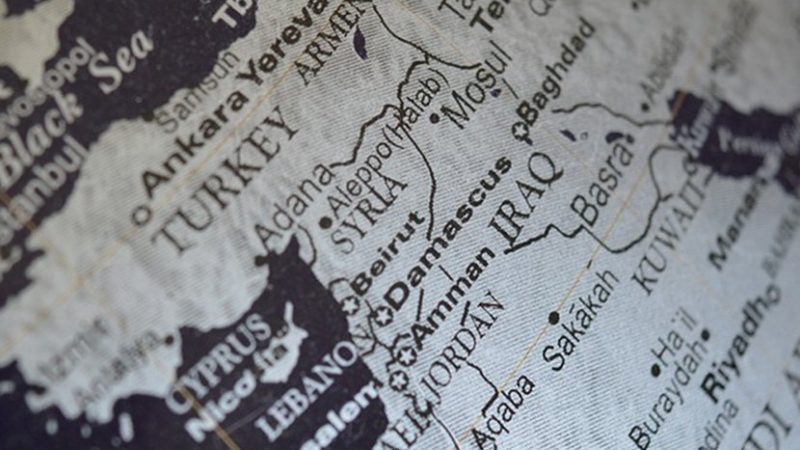
The relationship between Turkey and Syria has undergone dramatic changes over the past decade. The Syrian civil war, which began in 2011, disrupted regional balances and led to significant shifts in Turkey’s foreign policy. At the onset of the war, Turkey took a clear stance against the Assad regime by supporting opposition groups and launching military interventions with the declaration, “We entered Syria to end the reign of the tyrant Assad.”
However, as of today, President Recep Tayyip Erdoğan’s recent statement, “We can meet with Mr. Assad and his family as we did in the past,” signals a fundamental shift in Turkey’s Syria policy. This change exemplifies the flexibility and adaptability required in the realm of diplomacy.
The Beginning of the War and Turkey’s Policy
When the Syrian civil war erupted in 2011, Turkey was one of the countries most affected by the crisis in its neighboring state. Millions of Syrian refugees fled to Turkey, and due to the international community’s inability to resolve the crisis, Turkey felt compelled to take action on its own. During this period, Turkey openly opposed the Assad regime and endeavored to establish safe zones in northern Syria.
Evolving Strategies Over Time
As the years passed, the situation in Syria became increasingly complex. To ensure border security and encourage the return of Syrian refugees, Turkey launched various military operations. These operations increased Turkey’s influence in Syria but also attracted criticism from the international community.
In recent years, Turkey has adopted a more pragmatic approach to its Syria policy. By cooperating with Russia and Iran through platforms like the Astana Process, Turkey began seeking diplomatic solutions to the Syrian crisis. Direct engagement with the Assad regime also emerged as a possibility during this time.
Recent Statements
President Erdoğan’s statement, “We can meet with Mr. Assad and his family as we did in the past,” is one of the clearest indicators of this new phase in Turkey’s Syria policy. This remark shows that Turkey is willing to keep diplomatic channels open to achieve its objectives in Syria.
Diplomatic Agility and Flexibility
This shift underscores the importance of agility and flexibility in diplomacy. In international relations, quickly adapting to changing circumstances and collaborating with diverse actors are crucial for resolving crises. Turkey’s transformation in its Syria policy highlights the dynamic nature of diplomacy and the significance of strategic flexibility.
Turkey’s policy in Syria has undergone significant changes over the past seven years. Initially adopting a hardline stance against the Assad regime, Turkey now demonstrates a more pragmatic and diplomatic approach. President Erdoğan’s recent statements are a clear indication of this change and a reminder of the critical role of diplomatic agility in international relations. This process reflects Turkey’s effort to be an effective actor both regionally and globally.