
The procedure for Armenia’s withdrawal from CSTO was not discussed at Council of Ministers meeting – Sergei Lavrov armenpress.am
Day: June 21, 2024
police brutality in Abkhazia
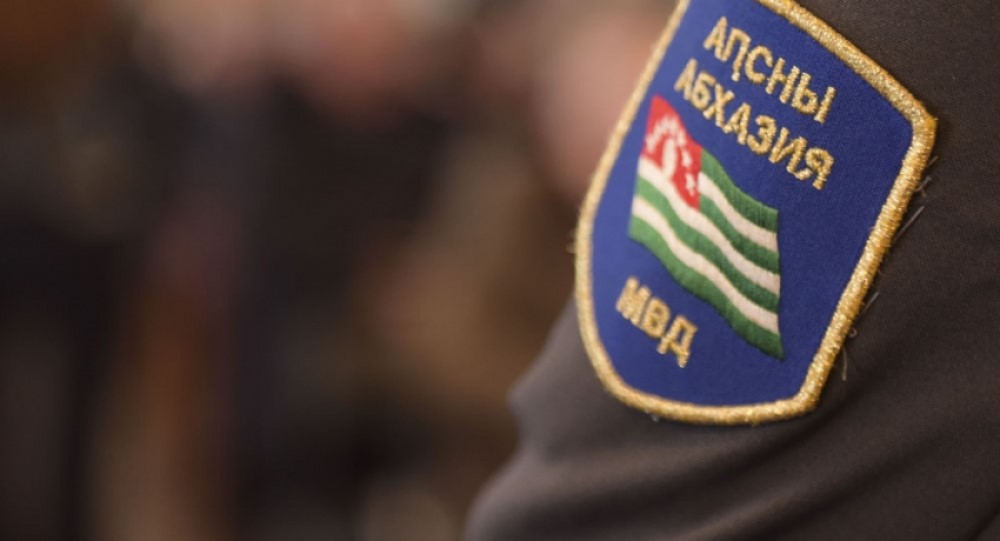
In Abkhazia, a video has surfaced on social media showing Mancho Kyakhba, an officer from the first department of the Sukhum police, beating a detainee while other officers calmly watch.
The Ministry of Internal Affairs stated that this incident occurred in February 2024, an internal investigation had already been conducted, Mancho Kyakhba was dismissed “for negative reasons,” and the “observers” received disciplinary action.
However, this is far from the first scandal involving the beating of detainees by Abkhazian law enforcement officers. Cases of police brutality are regularly publicized, and on two occasions, it even resulted in the death of detainees.
Yet, no police officer has ever been imprisoned for such actions. Usually, they get off with a fine or, at most, dismissal, like Mancho Kyakhba. Representatives of Abkhazian civil society believe that this impunity is precisely what fuels police brutality.
Renowned Abkhazian blogger and public figure Tengiz Jopua is outraged by the inaction of the law enforcement system:
“The video clearly shows violations of articles 105, 125, and 288 of the Criminal Code of the Republic of Abkhazia, and the Ministry of Internal Affairs dismissed someone ‘for negative reasons.’
What does ‘negative reasons’ even mean? Was his punch improperly executed, did he violate uniform regulations, or did he use foul language at work? I just don’t understand what’s written in the Internal Security Department’s report. And where is the criminal case? What happened to the prosecutor’s oversight? What about the Criminal Code?”
- “Teenager arrested and beaten for wearing a hoodie” – Scandal in Abkhazia over police abuse
- Russian tourist attacked, tortured in Abkhazia
Toponyms, terminology, views and opinions expressed by the author are theirs alone and do not necessarily reflect the views and opinions of JAMnews or any employees thereof. JAMnews reserves the right to delete comments it considers to be offensive, inflammatory, threatening or otherwise unacceptable.
Categories
NPR News: 06-21-2024 7AM EDT
WINDHOEK — A high court in Namibia on Friday declared unconstitutional two colonial-era laws that criminalized same-sex acts between men, in a landmark win for the LGBTQ community in the southern African nation.
The case was brought by Namibian activist Friedel Dausab with the support of UK-based non-governmental organization Human Dignity Trust.
Dausab told Reuters after the court’s decision he was “just happy”. “It’s a great day for Namibia,” he said. “It won’t be a crime to love anymore.”
Rights campaigners say that while convictions under the laws on “sodomy” and “unnatural sexual offences” were relatively rare, they have perpetuated discrimination against the LGBTQ community and made gay men live in fear of arrest.
Namibia inherited the laws when it gained independence from South Africa in 1990, though same-sex acts between men were initially criminalized under colonial rule.
South Africa has since decriminalized same-sex sexual activity and is the only country on the African continent to allow LGBTQ couples to adopt children, marry and enter civil unions.
Last year, Uganda enacted one of the world’s harshest anti-LGBTQ laws, which included the death penalty for “aggravated homosexuality”, despite widespread condemnations from the West.