
Нападение на «Крокус Сити Холл»: ищем ответы на главные вопросы – https://t.co/SZWoewS9WQ https://t.co/Frcrno13bo – https://t.co/MHFwqgnPw8
— Michael Novakhov (@mikenov) March 26, 2024
Day: March 26, 2024
Нападение на «Крокус Сити Холл»: ищем ответы на главные вопросы – https://t.co/SZWoewS9WQ https://t.co/Frcrno13bo – https://t.co/MHFwqgnPw8
— Michael Novakhov (@mikenov) March 26, 2024

The News And Times Information Network – Blogs By Michael Novakhov – thenewsandtimes.blogspot.com
‘Russia Destroying Mosques…’: Islamic State-Khorasan’s Big Statement O… https://t.co/IAaV0kjDgE via @YouTube
— Michael Novakhov (@mikenov) March 26, 2024
Нападение на «Крокус Сити Холл»: ищем ответы на главные вопросы – https://t.co/SZWoewS9WQ https://t.co/Frcrno13bo – https://t.co/MHFwqgnPw8
— Michael Novakhov (@mikenov) March 26, 2024
Armenian children’s literature has deep roots in the rich folk traditions of the region, including folk songs, fairy tales and miniature paintings that have been cherished for centuries.
The emergence of written children’s literature can be traced back to the works of Khachatur Abovyan, marking the beginning of a vibrant literary tradition. Subsequently, influential writers like Ghazaros Aghayan and Hovhannes Tumanyan contributed significantly to the development of the genre. Tumanyan captured the essence of childhood through language that resonates with young readers. He believed in the importance of truthfully representing children’s mental worlds and connecting the material with their everyday lives. Tumanyan used humor to foster joy and laughter while developing young minds. He also saw children’s literature as a powerful tool to address many societal issues.
Today, Armenian children’s literature continues to evolve, addressing contemporary challenges and societal issues faced by young readers. From promoting inclusivity to fostering environmental awareness, children’s literature plays a crucial role in shaping the minds and values of future generations.
Innovations and initiatives in Armenian children’s literature
Anush Vardanyan, a children’s literature author who has been the chief editor of the “Tsitsernak” magazine since 2000, enthusiastically flipped through its pages, highlighting its nearly 100-year history.
Vardanyan believes in the progress of modern children’s literature. Her magazine does not contain materials taken from the Internet. Instead, it features unique works written by contemporary Armenian children’s writers, proof of the magazine’s commitment to original content. The magazine is also a platform for creative children to take their first steps, as children can submit their pictures and poems for publication.
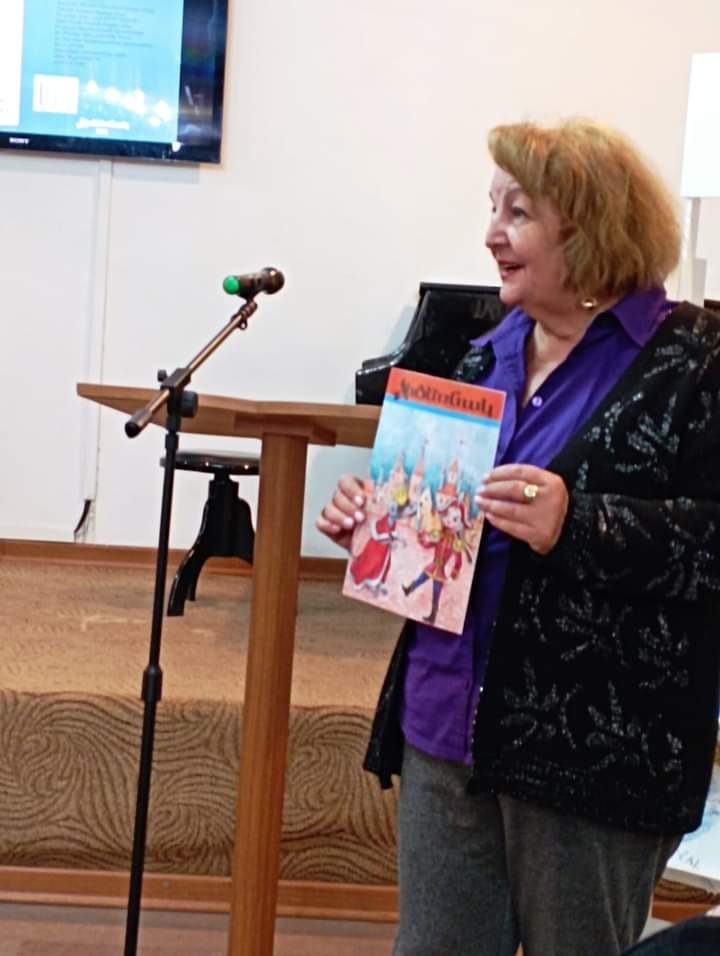 Chief editor of “Tsitsernak” magazine Anush Vardanyan
“The magazine even enters the kindergarten, becoming children’s first reading material,” said Vardanyan, adding that her only intention is for children to get to know the writers who live next to them. The magazine has published the works of classical children’s literature writers as well as modern ones.
“We have a great field of children’s writers, such as Edward Militonyan, Satenik Ghazaryan and Olga Daryan. Many children’s writers cooperate with us from different regions of Armenia, for example, Suren Davtyan from Hrazdan, Vardges Khanoyan from Yeghegnadzor…Children’s literature should be published, because it is accepted all over the world. The child should interact with the book and the material and read at a young age, because reading develops imagination,” said Vardanyan.
This year, “Tsitsernak” will cooperate with the Yazidi community of Armenia. Rustam Shamoyan, a member of the Writers’ Union of Armenia and a Yazidi by nationality, contacted the magazine. One issue of the magazine will be completely filled with works by Yazidi children.
The role of children’s literature in Armenian society
The Week of Children’s Books and Music, which is celebrated in Armenia every year, has acquired a special significance in Armenian society.
The week’s activities were first organized in 1943 in Moscow, turning into a great all-Union holiday for all children. In later years, they were concentrated in one of the Soviet Union’s republics.
Armenia has celebrated the Week of Children’s Books and Music for many years, highlighting the role of books and reading in the lives of the young generation. The National Children’s Library named after Khnko Aper conducts it in cooperation with the Writers’ Union of Armenia. Almost all libraries in Armenia participate in the events.
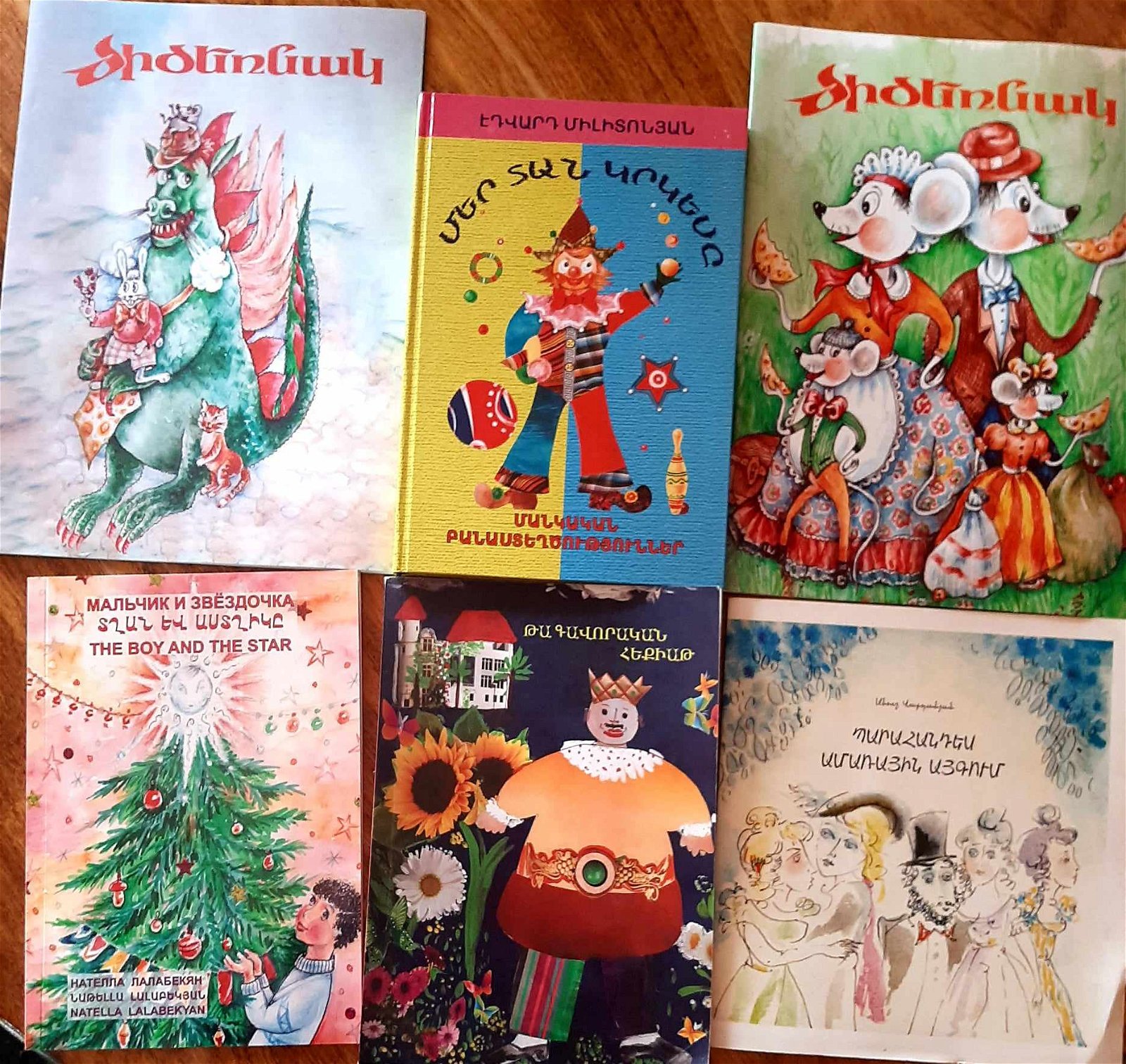 “Tsitsernak” magazine and other children’s books
This year, the opening event will be held in Tsaghkadzor on April 3. Meetings with cultural figures and children’s literature authors, musical games and quizzes, educational courses, cartoon viewings and more will be organized.
There is no shortage of readers at library No. 17, named after Shushanik Kurghinyan. Chief librarian Gohar Martirosyan told the Weekly that the circle of visitors is quite wide across age and profession. “Whoever can read comes to the library,” Martirosyan said.
Martirosyan added that the children’s literature section receives a large number of visitors, with parents often personally selecting books for their young children. Most of the books are written by Tumanyan, Aghayan or Khnko Aper, but they also include world children’s literature.
The library organizes interesting events for readers, including games, fairy tale readings and puzzles for young children to play, listen to and solve. “Sometimes, after reading fairy tales, we act them out,” Martirosyan said.
The psychological and societal impacts of Armenian children’s literature
Every night, when Arpine Kocharyan’s daughter goes to sleep, she asks her mother to read Hans Christian Andersen’s poems. “Even if I don’t want to read, Luse makes me,” Kocharyan said.
A story-loving girl, Luse doesn’t go to school yet, but she loves children’s books and has memorized some works. “Luse is looking forward to going to school and starting to read her books,” her mother said.
Luse’s love for children’s books was formed in an interesting way. “One day, I decided to read a long book to Luse, a fairy tale that does not start and end, but would continue every day, leaving the continuation to the child’s imagination and teaching them to look forward to the next day’s portion,” Kocharyan said.
She is very happy that her daughter loves children’s literature, seeing it as a method of education. “Children understand that there is a conflict in life. They begin to distinguish between good and bad and try to be like the positive heroes,” she said.
Kocharyan refrains from giving her child a phone and carefully chooses the cartoons that Luse can watch. “Now the Internet is very dangerous for children, because some cartoons promote aggression. There are very few children who are not addicted to the Internet. I have always considered it a problem,” Kocharyan said.
Armenian folk tales have a long history. Since ancient times, they have been passed down, word by word, sharing stories of the brave, ordinary people who resisted the tremendous forces of nature and evil, the rich oppressors. The plots of Armenian folk tales have a lot in common with global tales, but the forms of the story, the colorful language and the names and characteristics of the heroes distinguish the special national attraction of Armenian fairy tales. Created across centuries, Armenian folk tales reflect both the social contradictions and the wisdom of a people striving for a free and dignified life. Armenian folk tales also reflect a unique satirical approach to the story and humor, in which the heroes do not lose in any situation.
 Child psychologist Ani Apitonyan
Child psychologist Ani Apitonyan considers fairy tales to be serious creations that include the traditions and norms of a nation and the patterns of life, such as death and birth, the relationship between good and evil, and the opposites of victory and defeat. “A child learns everything by listening to a fairy tale,” Apitonyan said.
Apitonyan advises choosing fairy tales for preschool children that are not particularly cruel. She also emphasized the similarities between fairy tales and real life. “Good always wins over evil. With all of the evil in the world, it still continues to live, to give birth, to create, to create good, to love, to care…The world continues to live thanks to the victory of good,” she said, emphasizing that adults also need children’s books.
“Fairy tales contribute to the child’s assimilation of the culture, norms and scenarios of the social environment. They contribute to private socialization, development, thinking and speech,” she concluded.
Armenian children’s literature, steeped in centuries-old traditions and bolstered by contemporary innovations, serves as a beacon of cultural pride and educational enrichment. Through the pages of timeless tales and modern initiatives, children are not only entertained but also empowered to explore the depths of their imagination and engage with the world around them.
Author information

Anna Harutyunyan
Anna Harutyunyan is a freelance journalist from Yerevan. She is currently studying at the Department of Journalism at the Armenian State Pedagogical University. Anna has successfully completed the one-year educational program at “Hetq Media Factory.”
|
The post A journey through Armenian children’s literature appeared first on The Armenian Weekly.
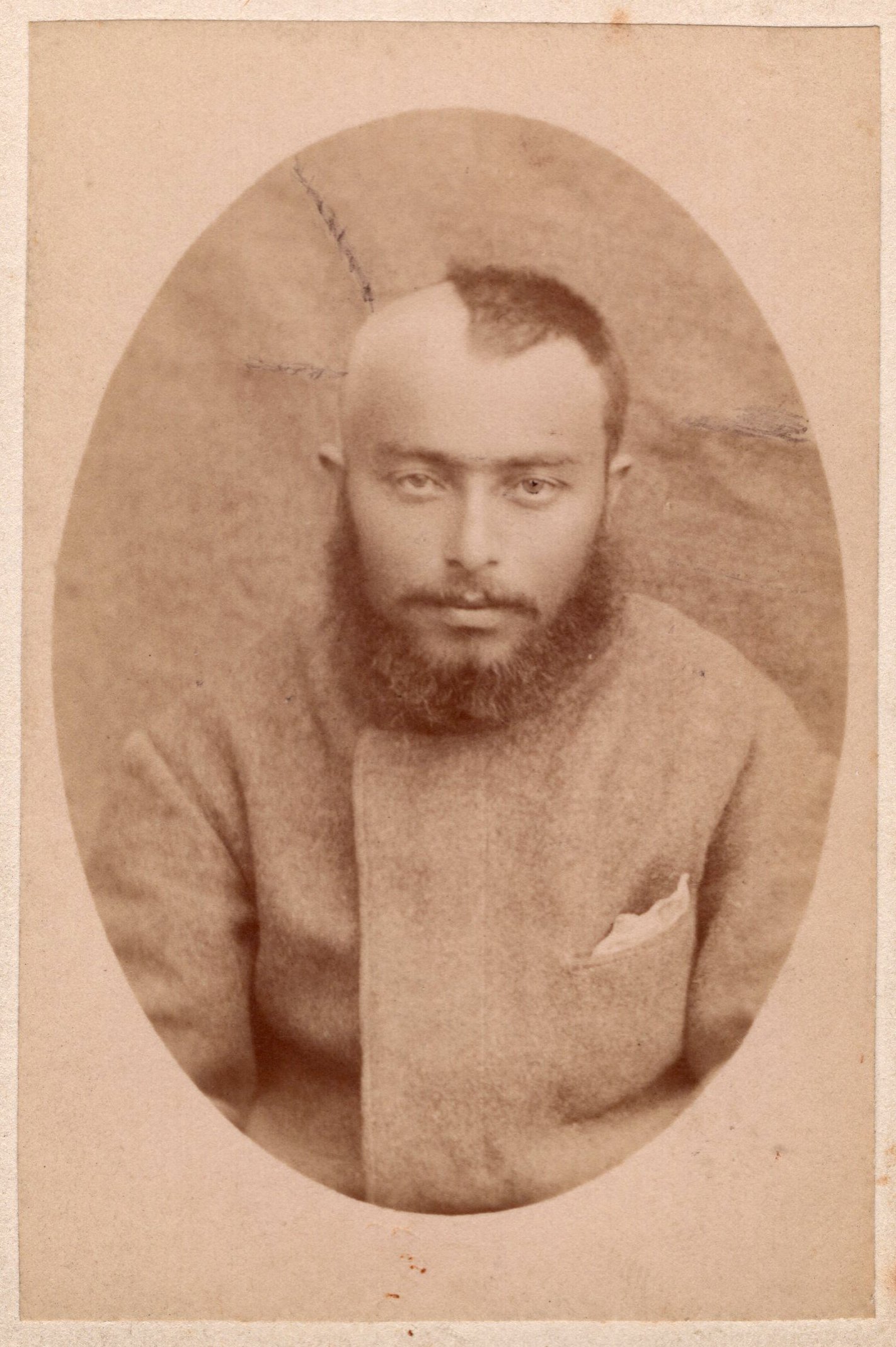
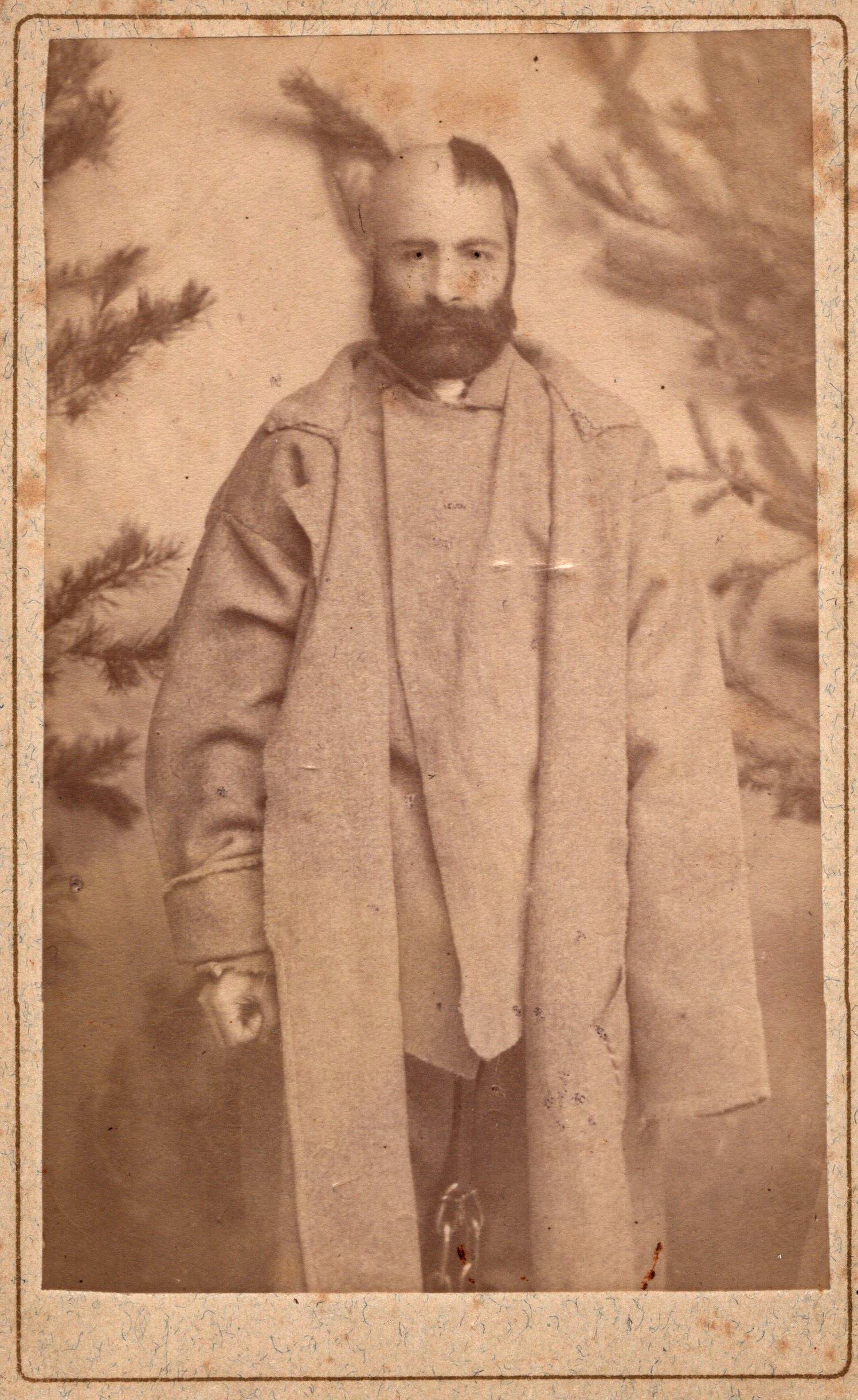
A few of the pictures from the ARF photo archives are particularly eye-catching. Clicking through the images, one cannot help but notice photos like the ones below, for example.
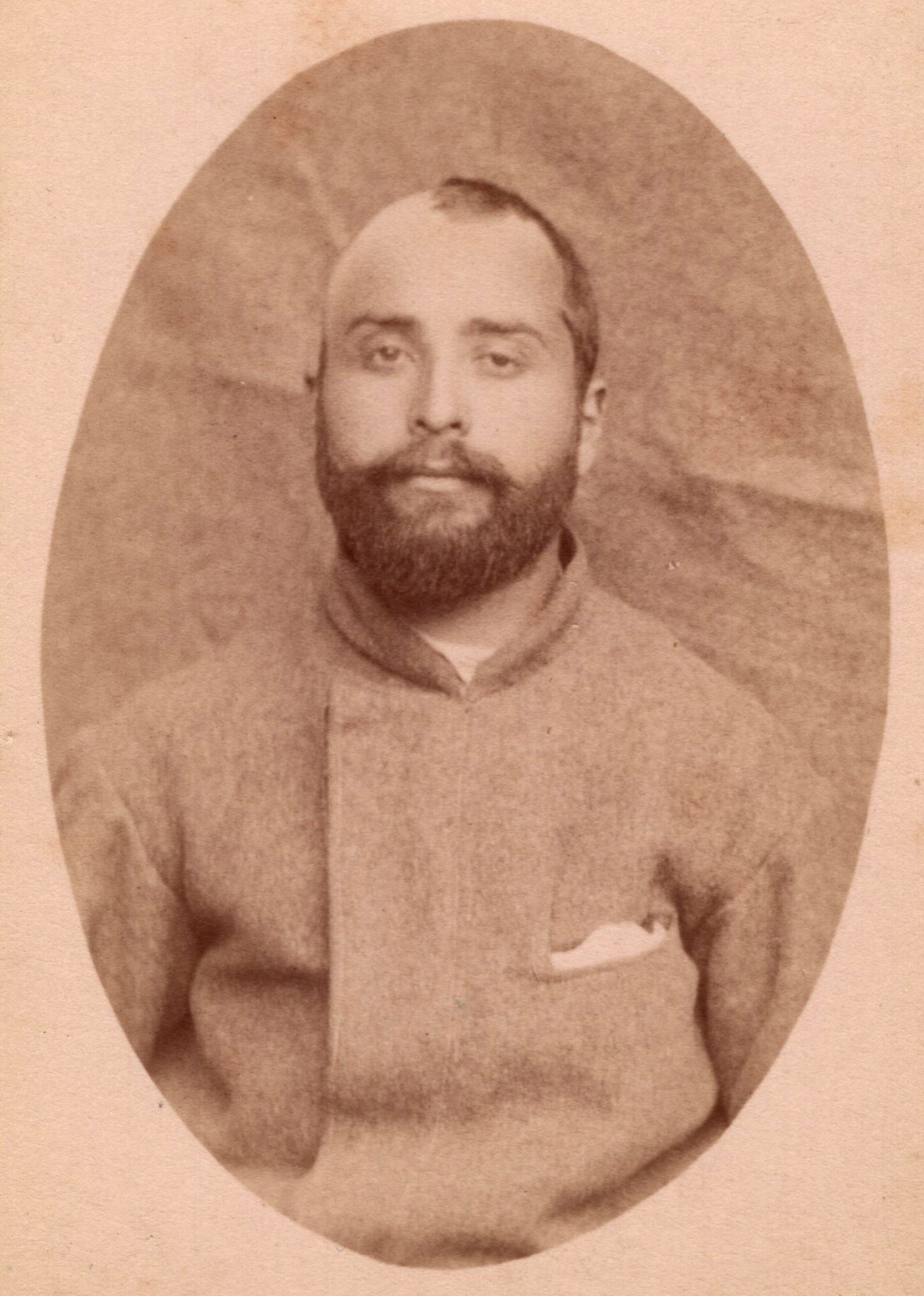 ARF Photograph Archives – Box 4, Photo 151
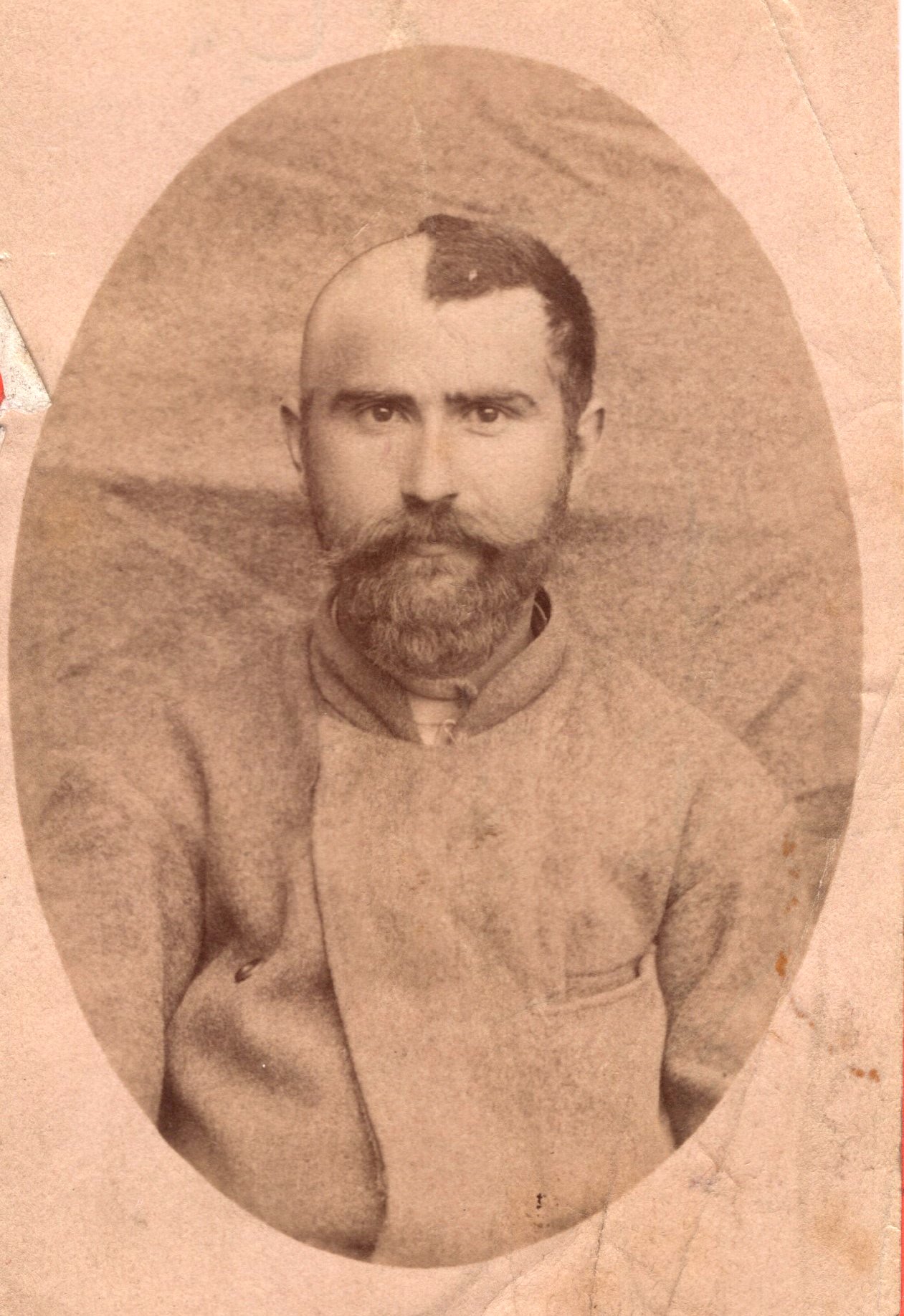 ARF Photograph Archives – Box 4, Photo 132
 ARF Photograph Archives – Box 4, Photo 120
 ARF Photograph Archives – Box 4, Photo 216
At first, it seems almost comical, as if it was a fad once upon a time for young men to shave the right half of their heads while keeping heavy beards and mustaches. Upon closer inspection, though, one notices a uniformity in what these men wore as well, and facial expressions that do not suggest a willful participation in the proceedings.
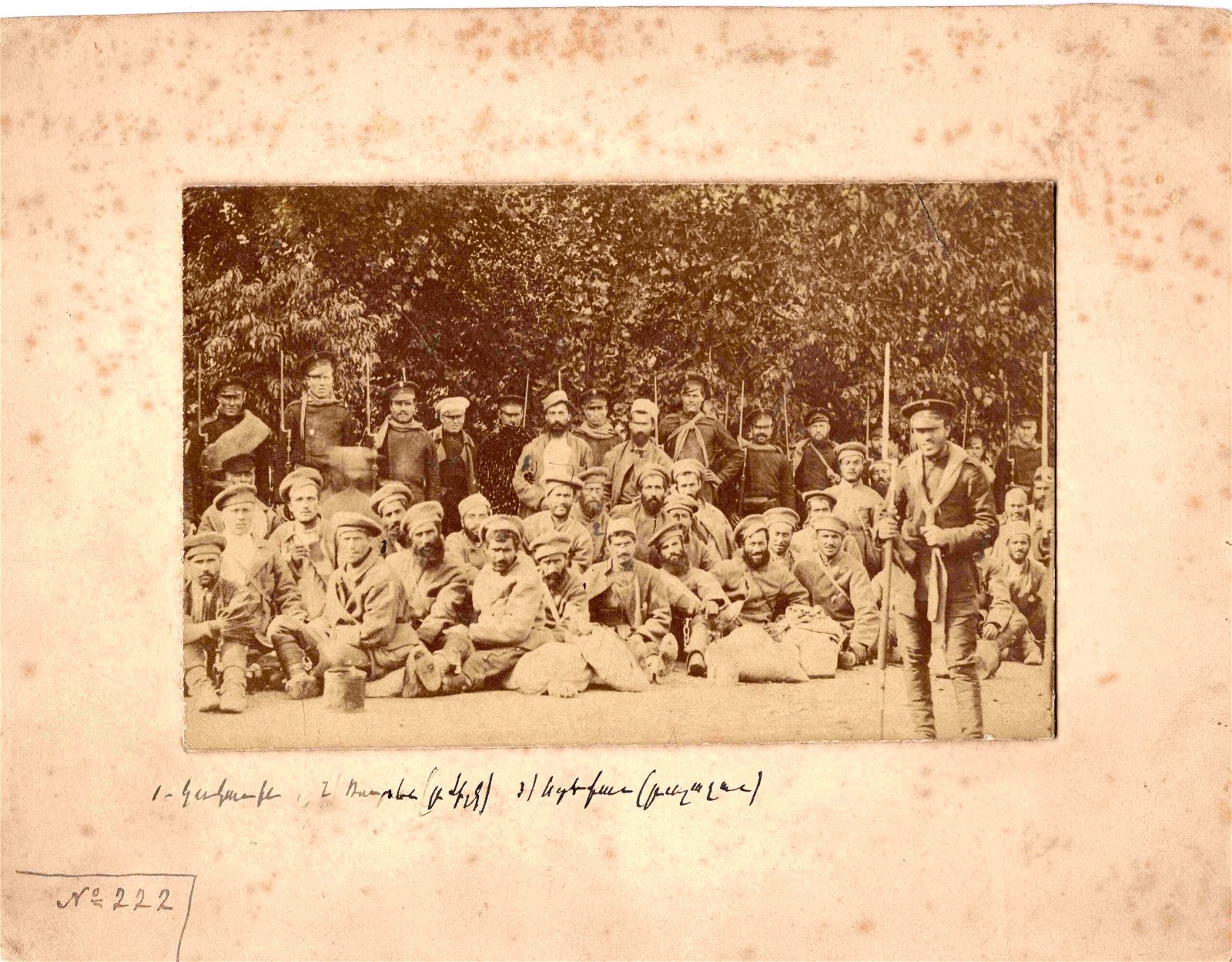
The captions and notes on the backs of the photos reveal the secret. These are four participants of the Gougounian Expedition – a tale from the turn of the 20th century worthy of a movie that has more or less gotten lost in the epic history of the Armenian people.
Sarkis Gougounian was barely in his mid-twenties when he gathered some 100-150 armed compatriots to organize a raid into the Ottoman Empire from the Caucasus. This was an action characteristic of the earlier period of the Armenian nationalist movement, whether spearheaded by the Armenian Revolutionary Federation or other sympathetic bodies or individuals. The Caucasus or Iran would be used as a base in attempts to alleviate some of the suppression faced by Ottoman Armenians under the rigid rule of Sultan Abdul Hamid II.
Such cross-border activities had varying success. Indeed, leaders of the ARF warned Gougounian regarding the effectiveness of his tactics. In September 1890, the expedition struck ahead anyway, lost its way and ended up in a fight with Cossack border guards. The men were taken captive and sentenced to exile on Sakhalin – the Pacific island in the far east, beyond Siberia.
 ARF Photo Archives – Box 6 Photo 102
 ARF Photo Archives – Box 6 Photo 246
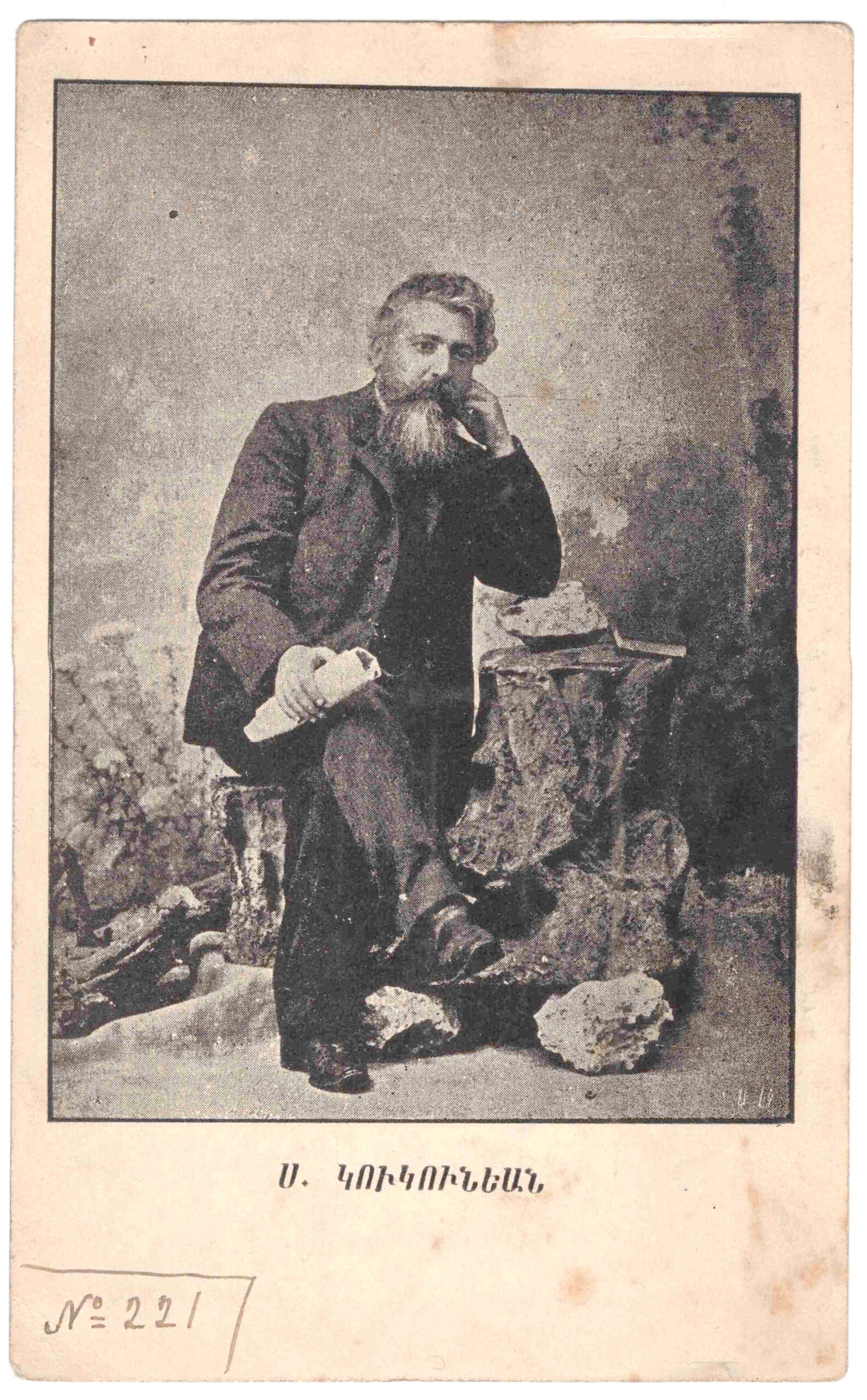
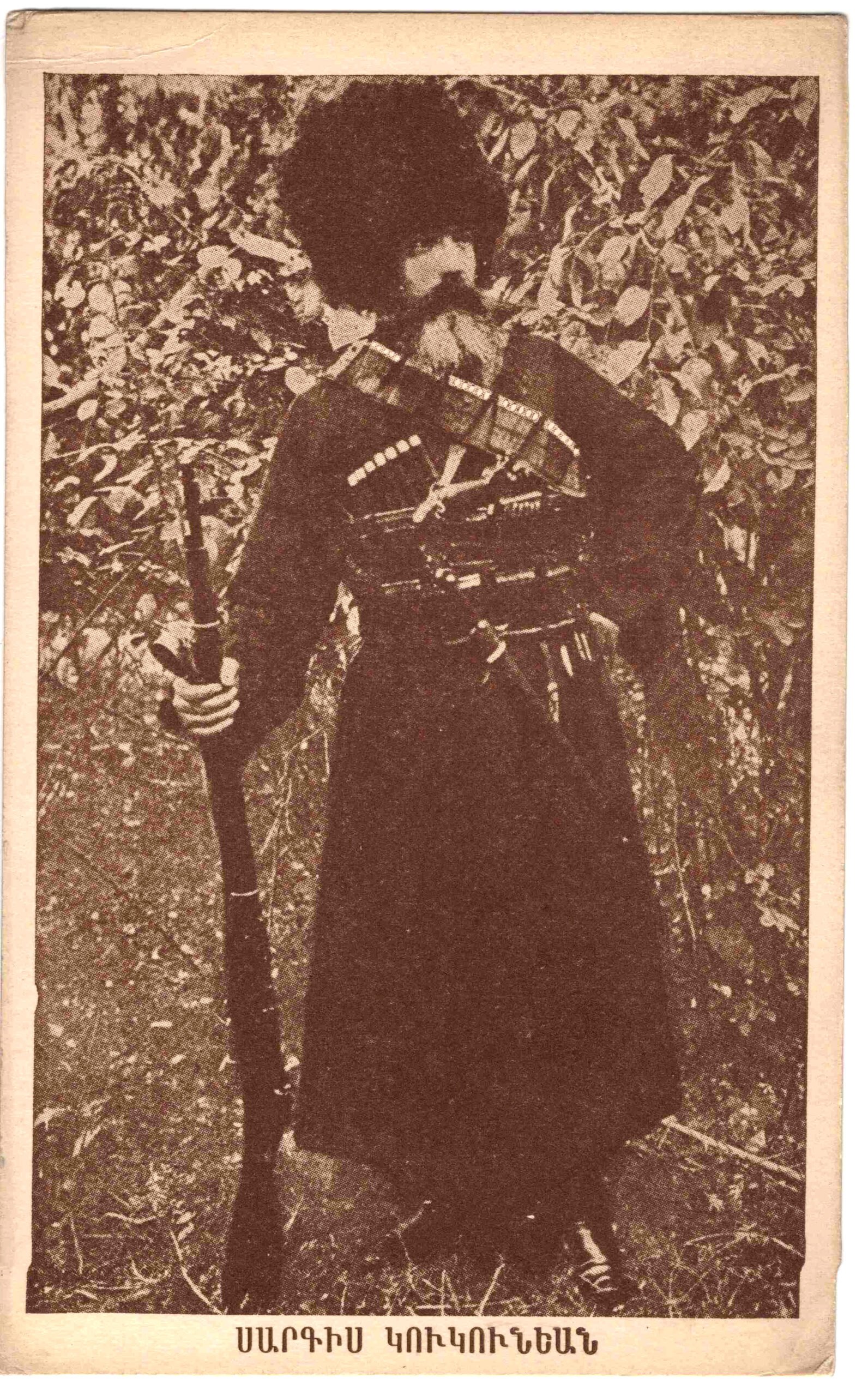
Here are two pictures of the group leader, Sarkis Gougounian. I find them remarkable for a few reasons. First, their contrast – a gentleman in one, sporting Western dress, posing calmly in a nature setting, scroll in hand. He is a man of learning, perhaps. That same person – again, in nature – is now transformed into a fedayi, with belts of bullets, a rifle and a papakh hat typical of the Caucasus. Is it even the same person, then? Is it indeed someone in his twenties or thirties? Those photographs must have been taken later in his life, as Gougounian has a commanding, formidable look, especially in the second one, that suggests a man of many years and weary endeavors.
 ARF Photograph Archives – Box 11, Photo 65
You can just make out Gougounian in the photo of the captives – second row, seated third from left. The men, just like in the photos above, do not look pleased to be where they are. Yet they do not seem defeated or broken either. I often wonder about this and the pictures above. Were they taken by the authorities of the Romanov Empire as a means of deterrence and dissuasion, publicized so that activists of the Armenian nationalist movement would feel dejected? Or did they end up in the ARF Archives for the contrary reason, as a mark of defiance, righteous indignation or resilience?
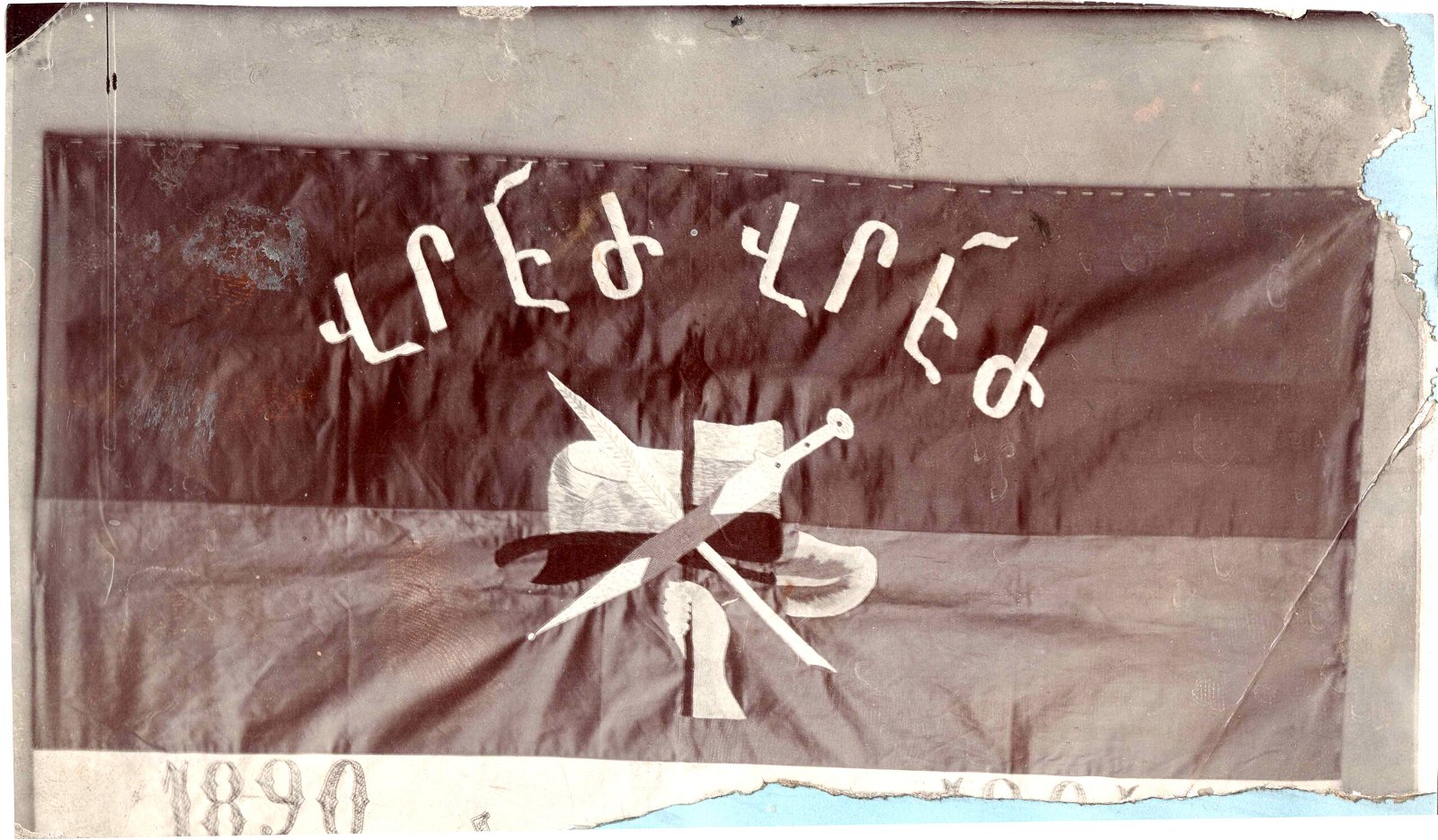
Included in the archives is a black-and-white photograph of the Gougounian Expedition’s flag as well.
 ARF Photograph Archives – Box 10, Photo 16
134 years later, we might be understanding of Gougounian and his comrades, and the flag – which calls for revenge – might find resonance among some today. The full story of the Gougounian Expedition and how it turned out, beyond a mostly-forgotten episode of an era full of upheaval, might in turn leave some room for thought.
Clicking across arfarchives.org/photograph, one can thus explore (sometimes surprisingly) thought-provoking images that contain and reflect the diverse heritage of Armenian history and culture over the past century and more.
Author information

Nareg Seferian has lived, studied and worked in New Delhi, Yerevan, Santa Fe, Boston, Vienna, Istanbul and Washington, DC. His writings can be read at naregseferian.com.
|
The post Glimpses into the ARF Photo Archives: The Gougounian Group appeared first on The Armenian Weekly.
 Resurrection of Christ (Armenian Prelacy)
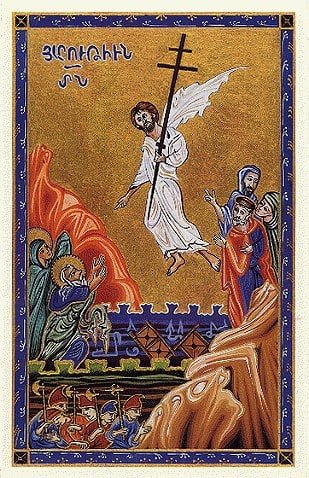
The Easter message is the first message of the church. It’s where faith begins. The Gospel is “Jesus lives,” and that means we are to have life – not merely existence from day to day. All eternity is ours, the gift of the one who loves us beyond the power of words to tell.
The inevitability of death is a universal human experience. The one thing that all human beings know about their existence is that no one ever gets out of it alive! Easter is an affirmation of life after death, an assurance of eternal life with Christ and God. It is also a statement about the quality of life here on earth, an assurance of a better life here and now.
The Christian faith is concerned not with the mere immortality of the soul, not with reincarnation, but with the resurrection of the dead. As far as the New Testament is concerned, this means the raising of the whole person from the dead – not just the soul, but also the body. According to the Christian faith, eternal life is God’s gift, not an inherent attribute. Only those who accept that gift can possess it. That is a vital theological truth, opposed to the theory of a natural, immortal soul.
St. Paul, the greatest theologian of all time, believed that without Christ’s resurrection, there is no afterlife. He invoked two archetypal figures to illustrate the means by which human death and its opposite, eternal life, entered the world. Citing the Genesis account, Paul maintained that “the first man,” Adam (God’s first earthly son) brought death to the human race, but Christ (Adam’s “heavenly” counterpart) brings life. He wrote, “As in Adam all men die, so in Christ all will be brought to life” (I Corinthians 15:22).
Easter is the celebration of Christ’s resurrection. Undoubtedly, Easter is a unique historical event that affirms Jesus’ victory over death. That event, however, becomes real, relevant and meaningful to those who bind their lives with the triumphant Lord. Only after the encounter with the risen Lord, Easter receives a new meaning. That’s what happened to the disciples of Jesus. Although Christ rose from the dead on Sunday following his crucifixion, the disciples had a hard time at first believing in the news of his resurrection. It was not until each in turn had experienced, in their own way, the undeniable presence of the living Christ that they were convinced. Each had a so-called “eastering event” in their own life. John and Peter’s “eastering” happened when they saw the shroud-littered empty tomb of Jesus. Mary found her “eastering” event when Jesus spoke to her in the garden. The doubting Thomas had his “eastering” event when Jesus showed him the marks of his wounds.
Once the early followers of Jesus experienced the risen Lord in their lives, that little band of demoralized, fearful and scattered people, within a few weeks, fearlessly declared the Gospel of the risen Christ and began what became a successful challenge to the Roman Empire.
Today, people can also experience the “eastering” event of the new life in Christ if they accept him as Lord and Savior. Following that, a marvelous transformation will take place in their lives. That decisive encounter will give them a new perspective. It will fill their lives with peace, purpose and power. It will give them faith, hope and spiritual strength to push aside the stone of self-defeat. They will no longer be afraid of dying, nor will they be afraid of living. They will be able to declare with conviction: “Christ has risen from the dead!”
Author information
Rev. Dr. Vahan Tootikian
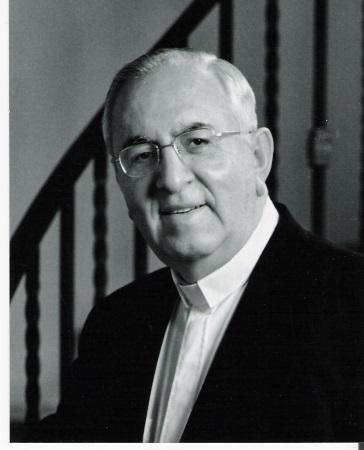
Rev. Dr. Vahan H. Tootikian is the Executive Director of the Armenian Evangelical World Council.
|
The post Easter, a marvelous transformation appeared first on The Armenian Weekly.
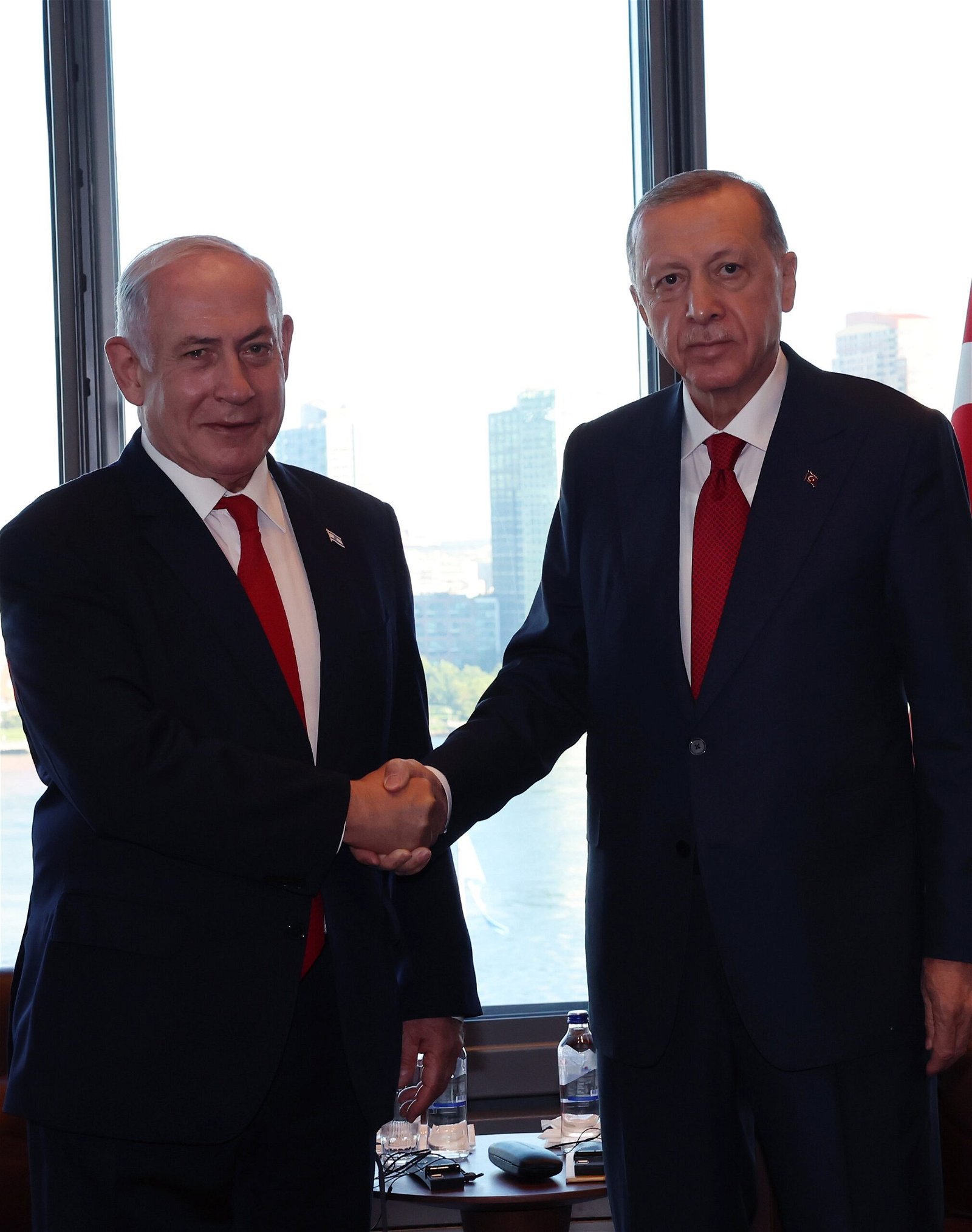 Israeli Prime Minister Benjamin Netanyahu and Turkish President Recep Tayyip Erdoğan in New York, Sept. 2023 (X, Republic of Turkey Director of Communications)
For several decades, Israel and Turkey were in a honeymoon period, supporting each other politically and economically.
However, over the years, their relationship soured due to their opposing positions on Palestinian issues. On several occasions, Israel and Turkey withdrew their ambassadors from each other’s capitals due to such conflicts, only to reinstate them again. In other words, they kissed and made up repeatedly.
We all know the expression, “Politics makes strange bedfellows.” Israel and Turkey are one of those political odd couples. Initially, there was some basis in their partnership, more aptly described as mutual exploitation. Israel, surrounded by a large number of hostile Arab nations, needed Turkey as its political and economic ally, an Islamic nation that established diplomatic relations with Israel in 1949. Meanwhile, Turkey needed Israel for various reasons, including political support from the West, the purchase of advanced weapons and billions of dollars of trade.
Another aspect of this unholy union was that both countries denied the Armenian Genocide. Turkey used its relations with Israel to convince the powerful Jewish lobby in the United States to block the recognition of the Armenian Genocide by the U.S. Congress. Turkey pressured Israel to block the International Conference on the Holocaust and Genocide in Tel Aviv in 1982, to prevent the broadcast of a documentary on the Armenian Genocide and its recognition by the Knesset. Turkey went as far as threatening its domestic Jewish community and demanding that the Chief Rabbi of Istanbul lobby American Jewish organizations on behalf of Turkey.
In 2009, Erdogan told Israeli President Shimon Peres during a panel discussion at the World Economic Forum in Davos, Switzerland, in front of the assembled world leaders: “When it comes to killing, you know very well how to kill. I know very well how you killed children on the beaches [of Gaza].”
Then the Mavi Marmara incident occurred in 2010, when the Israeli military attacked six Turkish civilian ships in the Mediterranean Sea trying to deliver humanitarian aid to Gaza, killing nine Turkish passengers. The raid seriously deteriorated Israeli-Turkish relations. Turkey recalled its ambassador from Tel Aviv and expelled Israel’s ambassador from Ankara. Israel’s Prime Minister Benjamin Netanyahu apologized to Turkey’s Prime Minister Recep Tayyip Erdogan and offered $20 million in compensation for the raid.
Shortly before Hamas attacked Israel in October 2023, Israeli customs officials intercepted 16 tons of explosive materials for making missiles hidden in a Turkish shipment of construction supplies for Gaza. Surprisingly, Israel took no action against Turkey. This was yet another example of Israel appeasing Turkey’s anti-Israeli actions. Rather than designating Turkey as a state sponsor of terrorism, Israeli leaders embraced Erdogan, encouraging him to continue his misdeeds.
Following the recent Hamas attack on Israel, Erdogan called Hamas “freedom fighters,” and likened Netanyahu to “Hitler, Mussolini and Stalin, today’s Nazis.”
In January 2024, Israel’s Foreign Minister tweeted: “The President of Turkey Erdogan, from a country with the Armenian Genocide in its past, now boasts of targeting Israel with unfounded claims. We remember the Armenians, the Kurds. Your history speaks for itself. Israel stands in defense, not destruction, against your barbarian allies.”
Last week, Israel’s Foreign Minister Israel Katz summoned the Turkish envoy, Shakir Ozkan Torunlar, to complain about Erdogan’s statement that he will “send Netanyahu to Allah to take care of him, make him miserable and curse him.” Katz replied on X/Twitter: “You [Erdogan] who support the burning of babies, murderers, rapists and the mutilation of corpses by Hamas criminals, [are] the last one who can speak about God. There is no God who will listen to those who support the atrocities and crimes against humanity committed by your barbaric Hamas friends.” Katz then admonished Erdogan: “Be quiet and shame on you!”
The Turkish foreign ministry replied to Katz: Israel has been built upon ‘occupied’ Palestinian land since its creation. “Since the first day they occupied Palestinian lands, the Israeli authorities have made a great effort to keep the serious crimes they committed against the Palestinians secret, and have tried to create an armor of immunity for themselves. They have targeted our President, who screams the truth.”
The Turkish Foreign Ministry then accused Israel of committing ‘genocide,’ stating that the “entire world public opinion is eagerly awaiting the day when Israeli officials who committed crimes will be brought to justice.”
Earlier, Netanyahu, who himself does not recognize the Armenian Genocide, criticized Erdogan for denying the Genocide. Netanyahu tweeted: “Israel, which adheres to the laws of war, will not accept moral preaching from Erdogan, who supports murderers and rapists of the terrorist organization Hamas, denies the Armenian Holocaust, massacres Kurds in his own country and eliminates regime opponents and journalists.” However, Netanyahu keeps arming Turkey’s ally, Azerbaijan, with sophisticated weapons that were used to commit a new genocide against the Armenians in Artsakh.
In conclusion, both Erdogan and Netanyahu should be ashamed of using the Armenian Genocide and Holocaust as bargaining chips in their dispute.
Rather than using the term genocide as a cudgel to bash each other, both Israel and Turkey should have recognized the Armenian Genocide long ago, in order to be classified among the ranks of civilized nations!
Author information

Harut Sassounian
California Courier Editor
Harut Sassounian is the publisher of The California Courier, a weekly newspaper based in Glendale, Calif. He is the president of the Armenia Artsakh Fund, a non-profit organization that has donated to Armenia and Artsakh one billion dollars of humanitarian aid, mostly medicines, since 1989 (including its predecessor, the United Armenian Fund). He has been decorated by the presidents of Armenia and Artsakh and the heads of the Armenian Apostolic and Catholic churches. He is also the recipient of the Ellis Island Medal of Honor.
|
The post Denialists Erdogan and Netanyahu shamefully exploit the term genocide to bash each other appeared first on The Armenian Weekly.